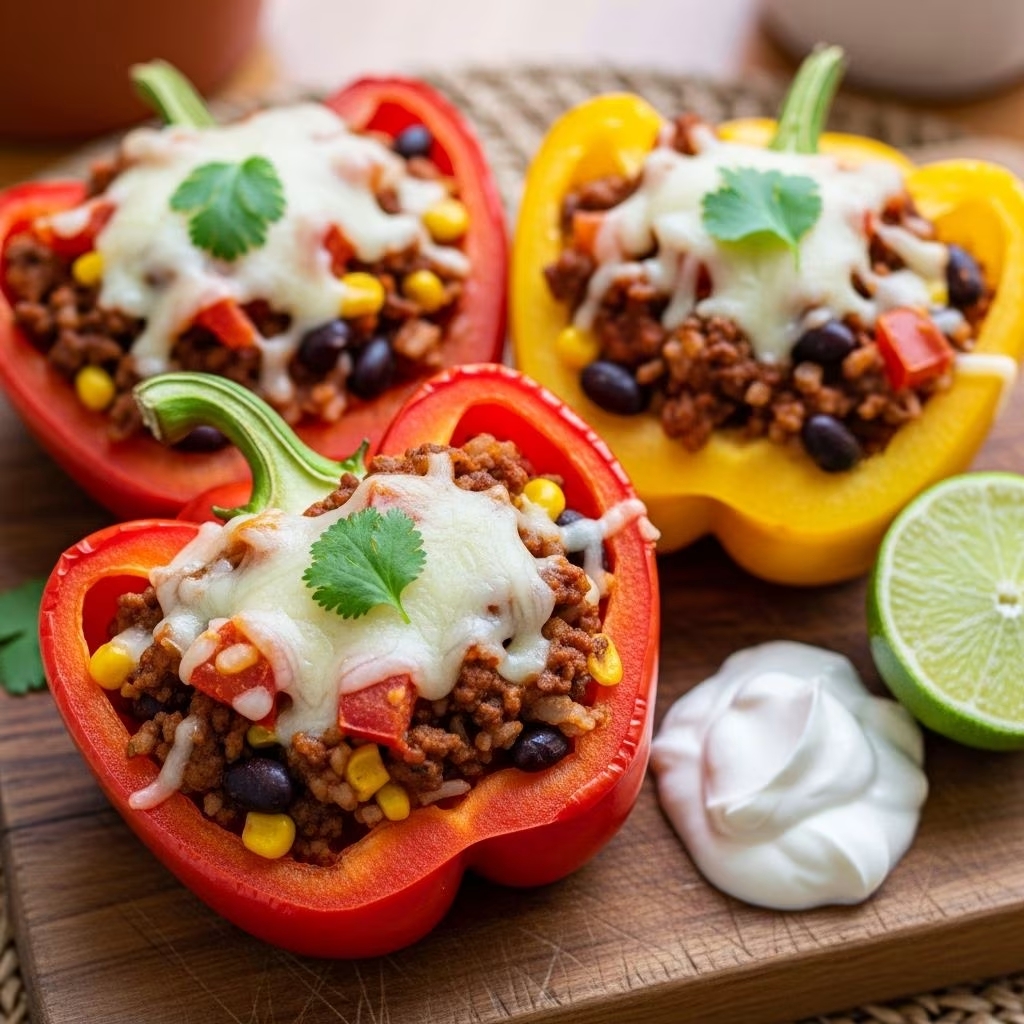
Mexican stuffed peppers represent one of the most satisfying and accessible dishes in Latin American cuisine, combining vibrant bell peppers with savory, well-seasoned fillings that deliver authentic flavors in every bite. This dish has become a staple in home kitchens across North America, prized for its versatility, nutritional value, and ability to accommodate various dietary preferences and ingredient substitutions. Whether you’re seeking a quick weeknight dinner or an impressive meal to serve guests, mastering this dish opens doors to countless variations and flavor combinations.
Understanding the Foundation: Selecting Quality Ingredients
The success of Mexican stuffed peppers begins long before they enter the oven. Every component plays a crucial role in creating a balanced, flavorful final dish. The bell pepper serves as more than just a vessel; it contributes its own subtle sweetness and structural integrity to support the filling during cooking.
Choosing the Right Bell Peppers
Bell peppers come in various colors, each offering distinct flavor profiles and textures. Red and green peppers are traditional choices for Mexican cuisine, though orange, yellow, and even purple varieties can be used effectively. When selecting peppers for stuffing, prioritize those that are wider and shorter in stature, as these shapes provide easier access for filling and more stable positioning during baking. Ideally, choose peppers of similar size to ensure even cooking throughout your batch. Medium to large peppers typically serve as single portions, while smaller varieties might be reserved for appetizers or lighter meals.
Protein Selection and Quality
Ground beef remains the most traditional protein choice for this dish, with lean varieties (85% to 90% lean) offering the best balance between flavor and fat content. Ground chicken or turkey provides leaner alternatives for health-conscious cooks, delivering comparable results with reduced caloric content. Ground turkey brings a milder flavor that accepts aggressive seasoning particularly well, making it ideal for cooks who prefer lighter proteins without sacrificing taste. Some variations incorporate chorizo, the traditional Mexican sausage, which adds distinctive smoky and spiced notes to the filling.
Rice and Supporting Ingredients
Long-grain white rice serves as the standard base, absorbing liquid and expanding to create a tender, coherent filling. Cooked rice can be prepared in advance, making it convenient for meal planning. Complementary ingredients such as black beans, pinto beans, corn, and diced tomatoes add textural variety and nutritional density while reducing the overall meat proportion per serving.
Constructing the Filling: Layering Flavors
The filling transforms individual ingredients into a cohesive, flavorful mixture that tastes remarkably similar to the interior of a well-made taco. Understanding the proper sequence of ingredient incorporation ensures that each element develops its maximum potential.
Building Flavor Through Browning
Begin by browning ground meat in a large skillet or frying pan over medium-high heat. This initial step accomplishes multiple objectives: it renders fat for cooking subsequent ingredients, develops complex flavors through the Maillard reaction, and breaks up the meat into uniform, bite-sized pieces. Allow approximately five to seven minutes for thorough browning, stirring occasionally to ensure even heat distribution. Properly browned meat should exhibit a rich, golden-brown color rather than remaining gray or pink.
Aromatic Foundation
Once the meat reaches proper color, introduce diced onions directly to the pan. The residual fat provides an ideal cooking medium, softening the onions while helping them release their natural sugars. This process typically requires five additional minutes of cooking time. Fresh garlic, if used instead of or alongside garlic powder, should be added during this phase, cooking for just one to two minutes until fragrant but not browned, which would impart bitter notes.
Seasoning Strategy
Mexican cuisine relies on a specific constellation of spices that create its distinctive character. Ground cumin delivers earthy, warm notes, while chili powder contributes color and moderate heat. Garlic powder, onion powder, and oregano round out the flavor profile with additional depth and complexity. These dried spices benefit from toasting in the hot fat and meat mixture, which blooms their essential oils and intensifies their impact. Taco seasoning packets offer convenient pre-measured alternatives, combining multiple spices in balanced proportions.
Liquid Components and Rice Integration
Salsa, whether fresh or jarred, introduces acidity, body, and tomato-forward flavor to the filling. Restaurant-style salsas provide superior results compared to thinner versions, offering better texture and more concentrated flavor. After adding salsa along with your selected spices, introduce rice and liquid (water or broth) in proportions that match your rice choice—typically one part rice to two parts liquid. Bring the mixture to a boil, then reduce heat to medium-low, cover, and simmer for approximately twenty minutes until rice achieves tender consistency while remaining distinct and not mushy.
Preparation Techniques: From Raw Ingredients to Ready-to-Bake
Proper preparation of peppers determines whether they’ll hold their shape, cook evenly, and achieve ideal texture throughout the baking process.
Cleaning and Seeding Methods
Begin by carefully removing the stem and top of each pepper using a sharp knife, cutting in a circular motion around the stem attachment. This creates an opening large enough for filling insertion without rendering the pepper unusable. Remove all seeds and the white interior membrane, which can taste bitter in large quantities. Some cooks prefer a different approach, splitting peppers lengthwise like traditional chiles rellenos, which provides easier access for filling while requiring careful handling to prevent breaking during cooking.
Pre-cooking Peppers
Some recipes call for blanching whole peppers in boiling water for three to five minutes before stuffing, which partially softens them and reduces overall cooking time. This step proves particularly valuable when using very large or thick-walled peppers that might remain firm after baking. Alternatively, peppers can be roasted in a 450-degree oven for fifteen to twenty minutes until the skin becomes bubbly and charred, then briefly cooled in a covered bowl to allow steaming, which loosens the skin. This roasting method imparts subtle caramelized notes and renders peppers more tender.
Assembly and Baking: Bringing It All Together
Once the filling reaches completion and peppers are prepared, assembly becomes straightforward, though a few techniques ensure optimal results.
Filling and Presentation
Pack filling generously into each pepper, mounding it slightly at the top rather than leaving it level. Excess filling can be spooned around the pepper base in the baking dish, creating a flavorful sauce that keeps the peppers moist during cooking. Peppers should stand upright in the dish for visual appeal and even cooking, supported by being packed tightly enough to remain stable.
Cheese Addition
Reserve cheese topping for the final stages of cooking. Adding cheese at the beginning allows it to separate and dry out rather than creating an appealing melted layer. Top filled peppers with shredded cheese in the final five to ten minutes of baking, allowing cheese to melt and bubble attractively without burning.
Optimal Baking Parameters
Most recipes call for baking at 350 degrees Fahrenheit for approximately thirty minutes, though some recommend 375 degrees with slightly shorter cooking time. Bake uncovered unless peppers show signs of excessive browning, in which case loosely cover with foil. Peppers are done when they’re fork-tender but still maintain their shape, demonstrating slight firmness rather than complete collapse. Water should barely cover the dish bottom, ensuring peppers stay moist without becoming waterlogged or steamed to mushiness.
Customization Options and Variations
Mexican stuffed peppers adapt readily to personal preferences, dietary restrictions, and available ingredients.
- Vegetarian Variation: Replace ground meat with additional beans, lentils, or crumbled tofu, increasing vegetable content with additional corn, zucchini, or mushrooms to maintain filling volume and texture.
- Spice Level Adjustment: Control heat by varying the amount of chili powder, adding jalapeños, habaneros, or cayenne pepper for increased intensity, or reducing spices for milder palates.
- Bean Options: Black beans, pinto beans, kidney beans, or white beans each bring distinct flavors and textures, allowing customization based on availability and preference.
- Cheese Varieties: Mexican blend cheese offers traditional flavor, while cheddar, cotija, or queso fresco provide different taste profiles and textures.
- Slow Cooker Method: Place stuffed peppers in a slow cooker sprayed with non-stick spray and cook on low for three to four hours or high for two to three hours, making this method ideal for busy schedules.
- Make-Ahead Preparation: Prepare peppers through the stuffing and cheese stage, cover with foil, and refrigerate for up to two days before baking, which actually allows flavors to meld more completely.
Serving Suggestions and Complementary Garnishes
Elevate the dining experience by incorporating thoughtful toppings and accompaniments that enhance rather than overwhelm the dish.
| Topping Category | Options | Benefit |
|---|---|---|
| Fresh Herbs | Cilantro, parsley, chives | Adds brightness and freshness |
| Dairy Additions | Sour cream, Greek yogurt, crema | Provides cooling contrast |
| Pickled Vegetables | Pickled red onions, jalapeños | Introduces acidity and crunch |
| Texture Elements | Toasted breadcrumbs, crushed tortilla chips | Creates textural contrast |
| Side Accompaniments | Rice, beans, Mexican street corn | Rounds out the meal |
Nutritional Considerations and Health Benefits
Mexican stuffed peppers deliver substantial nutritional value when prepared thoughtfully. Bell peppers themselves provide vitamin C, vitamin A, and dietary fiber, supporting immune function and digestive health. Protein from ground meat or plant-based alternatives supports muscle maintenance and satiety. Rice contributes complex carbohydrates for sustained energy, while beans add additional fiber and plant-based protein when incorporated. By using lean proteins and controlling cheese quantities, home cooks can create nutritionally balanced meals suitable for various dietary goals.
Frequently Asked Questions
Can I prepare these peppers in advance?
Yes, stuffed peppers are excellent candidates for meal preparation. Complete all steps through adding cheese, then cover and refrigerate for up to two days. Bake directly from the refrigerator, adding five to ten minutes to the cooking time to ensure thorough heating.
What’s the best way to prevent peppers from becoming too soft?
Monitor baking time carefully and avoid pre-cooking peppers for extended periods. Bake at the recommended temperature without covering, and check for doneness around the minimum suggested time rather than waiting until peppers are completely collapsed.
Can I substitute different proteins?
Absolutely. Ground turkey, ground chicken, chorizo, and plant-based proteins all work effectively. Adjust seasoning as needed since different proteins absorb flavors differently.
What should I do with leftover filling?
Extra filling can be served as a taco filling, mixed into rice bowls, or frozen for future use. The filling actually improves in flavor as it sits, making leftovers particularly delicious.
Troubleshooting Common Issues
If your peppers turn out undercooked, they likely needed additional baking time. Increase oven temperature slightly and return them for another ten minutes. If peppers collapse or become too soft, reduce cooking time in future preparations or avoid pre-cooking stages. Dry filling suggests insufficient liquid during the rice-cooking phase; add more broth or water when preparing the filling mixture.
References
- Mexican Stuffed Peppers Recipe — FoodieCrush.com. Accessed April 2026. https://www.foodiecrush.com/mexican-stuffed-peppers/
- Mexican Stuffed Peppers + Video — Kevin is Cooking. Accessed April 2026. https://keviniscooking.com/mexican-stuffed-peppers/
- Mexican Stuffed Peppers: Tasty, Easy Recipe — Well Plated. Accessed April 2026. https://www.wellplated.com/mexican-stuffed-peppers/
- Mexican Stuffed Peppers Recipe — The Gracious Pantry. Accessed April 2026. https://www.thegraciouspantry.com/clean-eating-mexican-stuffed-bell-peppers/
- Ultimate Mexican Stuffed Peppers (+ ground beef and rice) — The Wooden Skillet. Accessed April 2026. https://thewoodenskillet.com/ultimate-mexican-stuffed-peppers/
- Mexican Stuffed Peppers (Chorizo-Stuffed Poblanos) — Host The Toast. Accessed April 2026. https://hostthetoast.com/mexican-stuffed-peppers-chorizo-stuffed-poblanos/
- Mexican Stuffed Peppers — RecipeTin Eats. Accessed April 2026. https://www.recipetineats.com/mexican-stuffed-peppers/