The Mexican shrimp cocktail stands as one of the most celebrated seafood preparations found in traditional coastal restaurants throughout Mexico and Latin America. This refreshing and flavorful dish combines succulent shrimp with a vibrant tomato-based sauce, fresh vegetables, and citrus elements to create a perfect appetizer or light meal. The dish’s popularity extends beyond Mexico’s borders, as it has become a beloved staple in Mexican restaurants worldwide, representing the essence of coastal cuisine and the region’s abundant marine resources.
Understanding the Foundation of Mexican Shrimp Cocktail
At its core, the Mexican shrimp cocktail is a celebration of simplicity and quality ingredients working in harmony. Unlike many modern appetizers that rely on complex techniques or obscure components, this dish depends on the freshness of its main ingredient and the proper balance of flavors in its accompanying sauce. The beauty of this preparation lies in its versatility—it can be served as an elegant appetizer at formal gatherings or as a casual refreshment during warm afternoons. The combination of cold, cooked shrimp with a zesty sauce creates a textural contrast that appeals to various palates and dietary preferences.
Restaurants across Mexico have refined this recipe over generations, each adding their own regional variations and signature touches. Some establishments prefer a more citrus-forward approach, while others emphasize the umami qualities brought by clam juice or specialized hot sauces. Regardless of the specific variation, the fundamental principle remains consistent: quality shrimp, balanced seasoning, and careful presentation create a memorable dining experience.
Selecting and Preparing Your Shrimp
The success of your Mexican shrimp cocktail begins with choosing the right shrimp. Fresh, large shrimp work best for this preparation, as they provide a more substantial texture and visual appeal when served in glasses or bowls. You have two primary options: working with raw shrimp that you cook yourself, or purchasing pre-cooked shrimp from your market. If you select raw shrimp, ensure they are properly cleaned and deveined before cooking.
For homemade preparation, begin by bringing a large pot of water to a rolling boil. Add aromatics such as half an onion, bay leaves, and fresh herbs like thyme to infuse the cooking liquid with subtle flavors. Once the water reaches a vigorous boil, carefully add your shrimp and maintain the heat. The cooking process moves quickly—typically requiring only 2 minutes for the shrimp to reach the perfect doneness. Overcooking leads to rubbery texture, while undercooking presents food safety concerns, making precise timing essential.
After the brief cooking period, immediately remove the shrimp and transfer them to a colander for draining. Allow them to cool at room temperature, then refrigerate until fully chilled. This cooling step is crucial, as the contrast between the cold shrimp and the room-temperature sauce creates the desired sensation when eating. Additionally, reserve approximately 1 to 1.5 cups of the cooking liquid, as this shrimp broth serves as a foundational element in the sauce.
Crafting the Perfect Sauce Base
The sauce represents the heart of this dish, bringing together multiple flavor profiles into a harmonious whole. Begin by combining ketchup as your primary base—this ingredient provides sweetness, acidity, and umami depth. The ketchup acts as an anchor, preventing other flavors from becoming overwhelming while adding subtle tomato notes that complement the seafood.
To this foundation, add fresh lime juice, which brightens the entire preparation and cuts through the richness of the other components. The acidity from citrus also serves a preservation function, helping to maintain the freshness of the dish. Many recipes incorporate clam juice or tomato-clam juice, adding mineral qualities and oceanic notes that enhance the seafood character. This ingredient elevates the cocktail from a simple tomato-based dish to something more sophisticated and restaurant-quality.
Hot sauce integration varies according to personal preference and regional tradition. Some recipes call for habanero-based sauces, while others employ serrano peppers or commercially prepared hot sauces. The heat element should complement rather than dominate, adding a warming sensation that encourages continued eating rather than overpowering the palate. Fresh cilantro, when added to the sauce, introduces herbaceous notes and visual appeal, making the preparation more engaging and appetizing.
Essential Ingredients and Their Roles
| Ingredient | Function | Quantity Range |
|---|---|---|
| Cooked Shrimp | Main protein component | 500g-1kg |
| Ketchup | Sauce base with sweetness | 1-2 cups |
| Lime Juice | Brightness and acidity | 1/4-1/2 cup |
| Clam Juice | Oceanic umami depth | 1-2 cups |
| White Onion | Texture and mild bite | 1/2-1 onion |
| Fresh Cilantro | Herbaceous accent | 2-4 tablespoons |
| Avocado | Creamy richness | 1-2 fruits |
| Tomato | Fresh vegetable element | 1-2 tomatoes |
Assembling Your Cocktail
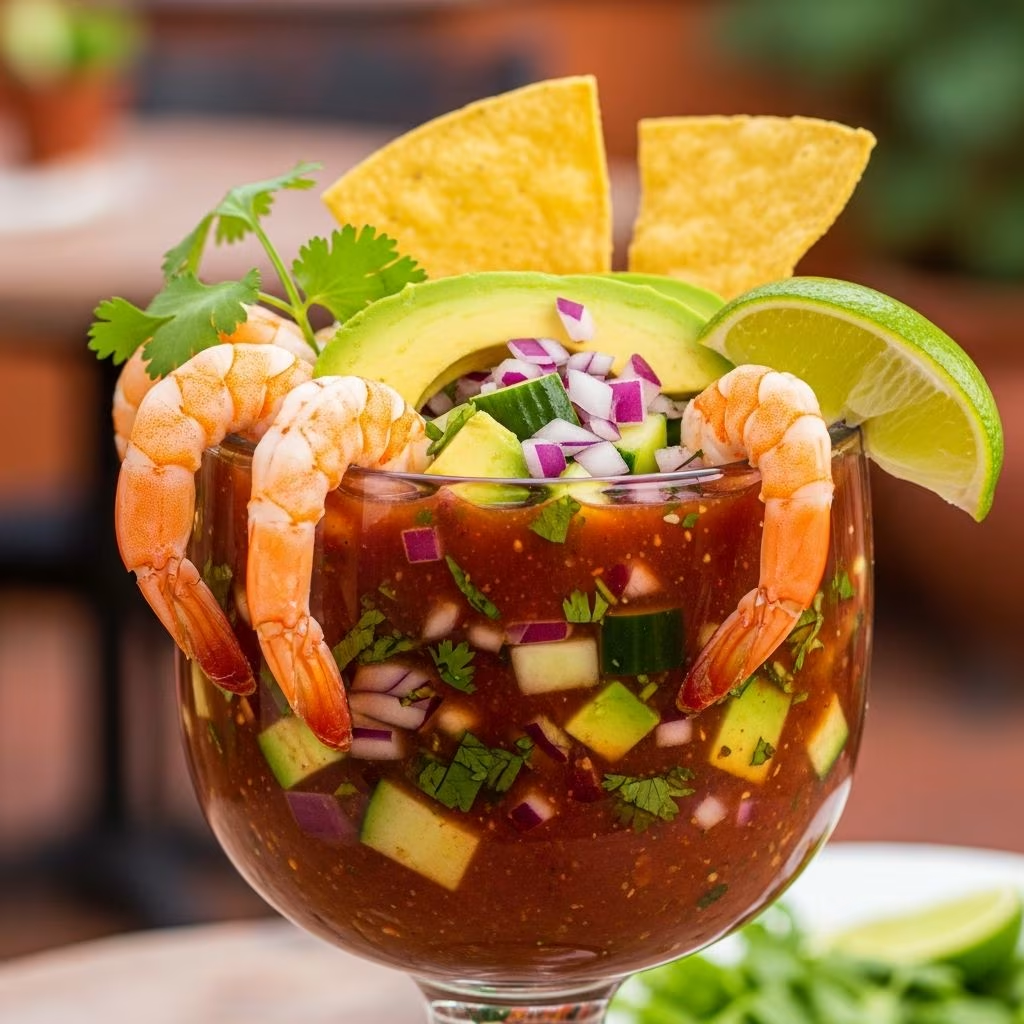
Once your shrimp has cooled and your sauce has been prepared with all desired seasonings adjusted to taste, assembly becomes straightforward. Distribute the cooked shrimp evenly among serving glasses or traditional cocktail cups. Pour the sauce over the shrimp, ensuring complete coverage so each piece receives the full benefit of the flavors. The presentation should showcase the quality of your ingredients, with the sauce’s rich color providing visual appeal while the shrimp remains clearly visible.
Layer fresh diced avocado over the sauce-covered shrimp, as this creamy element provides textural contrast and adds nutritional value. Finely diced onion introduces a sharp, fresh bite that cuts through the richness of the sauce and avocado. Fresh cilantro, scattered across the top, adds visual distinction and imparts a distinctive Mexican culinary character. Some preparations include diced tomato or cucumber, adding additional freshness and textural variation to each spoonful.
Serving and Presentation Considerations
The Mexican shrimp cocktail traditionally arrives at the table in individual serving glasses or cocktail cups, allowing diners to enjoy the preparation with both fork and spoon. This presentation style distinguishes the dish from soups or stews while maintaining the formal elegance appropriate for restaurant service. The clear or frosted glass used for serving allows guests to observe the layers of ingredients, appreciating the visual composition before tasting.
Temperature management plays a crucial role in the overall experience. Serving the cocktail well-chilled enhances refreshment, particularly when consumed during warm weather. Some establishments chill the serving glasses beforehand, creating a frosty exterior that signals quality and attention to detail. Accompaniments such as crispy saltine crackers, fresh lime wedges, and additional hot sauce on the side allow diners to customize their experience according to personal preferences.
Variations and Regional Adaptations
Mexican shrimp cocktails exhibit considerable regional variation, with coastal areas developing unique interpretations based on local ingredients and culinary traditions. Some regions incorporate orange juice, adding citrus complexity beyond simple lime. Others experiment with beer—particularly light lager varieties—which adds subtle carbonation and malty notes that enhance rather than compete with the seafood.
Specialty hot sauces and chiles become prominent in certain preparations, with cooks selecting specific varieties known for their flavor profiles rather than pure heat intensity. Some cocktails incorporate Worcestershire sauce or soy sauce, introducing umami depth and savory sophistication. These adaptations demonstrate how a fundamentally simple dish can express tremendous creativity within established parameters.
Frequently Asked Questions
What type of shrimp works best for this cocktail? Large shrimp, typically in the 16-20 count per pound range, provide optimal texture and presentation. Jumbo varieties work excellently if available, while smaller shrimp become difficult to eat elegantly.
Can I make this dish ahead of time? The cooked shrimp can be prepared a day in advance and refrigerated. However, assemble the complete cocktail within 2-3 hours of serving to maintain optimal freshness and prevent the sauce from becoming diluted by shrimp juices.
Is it necessary to make the broth from scratch? No—store-bought clam juice or tomato-clam juice juice provides excellent results and significantly reduces preparation time. This substitution maintains authenticity while acknowledging modern convenience.
How spicy should the cocktail be? Heat levels should complement rather than dominate. Start conservatively and adjust upward based on tasting, as some guests prefer minimal spice while others enjoy significant heat intensity.
What glassware works best for serving? Traditional martini-style glasses or small bowls with spoons provide elegant presentation. Ensure glassware is chilled before service for enhanced temperature contrast.
Storage and Make-Ahead Tips
Component preparation well in advance reduces stress during service. Cook and refrigerate shrimp up to one day ahead, keeping them in an airtight container to prevent absorption of refrigerator odors. Prepare the sauce base—combining ketchup, clam juice, lime juice, and hot sauce—several hours before service, allowing flavors to meld and develop greater depth. Fresh vegetable components like onion, cilantro, and tomato should be cut only shortly before assembly to maintain peak texture and appearance.
For small gatherings, complete assembly just before service ensures optimal presentation and temperature. For larger events, prepare individual components in separate containers and assemble to order, maintaining quality for each guest. This approach, while requiring slightly more effort, significantly improves the dining experience by ensuring each cocktail receives proper attention and care.
References
- Cómo hacer Cóctel de Camarón | Recetas de Comida Mexicana — México en Mi Cocina. Retrieved April 2026. https://www.mexicoenmicocina.com/coctel-de-camaron/
- Cóctel de camarón: ¡Todo el sabor de mar! — Paulina Cocina. Retrieved April 2026. https://www.paulinacocina.net/coctel-de-camaron-mexicano/30580
- Cóctel de Camarones Estilo Mexicano – Recetas — Goya Foods. Retrieved April 2026. https://www.goya.com/es/recipes/mexican-style-shrimp-cocktail/
- COCTEL DE CAMARÓN — Wild Fork. Retrieved April 2026. https://www.wildfork.mx/recipes/coctel-de-camaron/
- Coctel de camarón ⋆ Receta ligera — Larousse Cocina. Retrieved April 2026. https://laroussecocina.mx/receta/coctel-de-camaron/