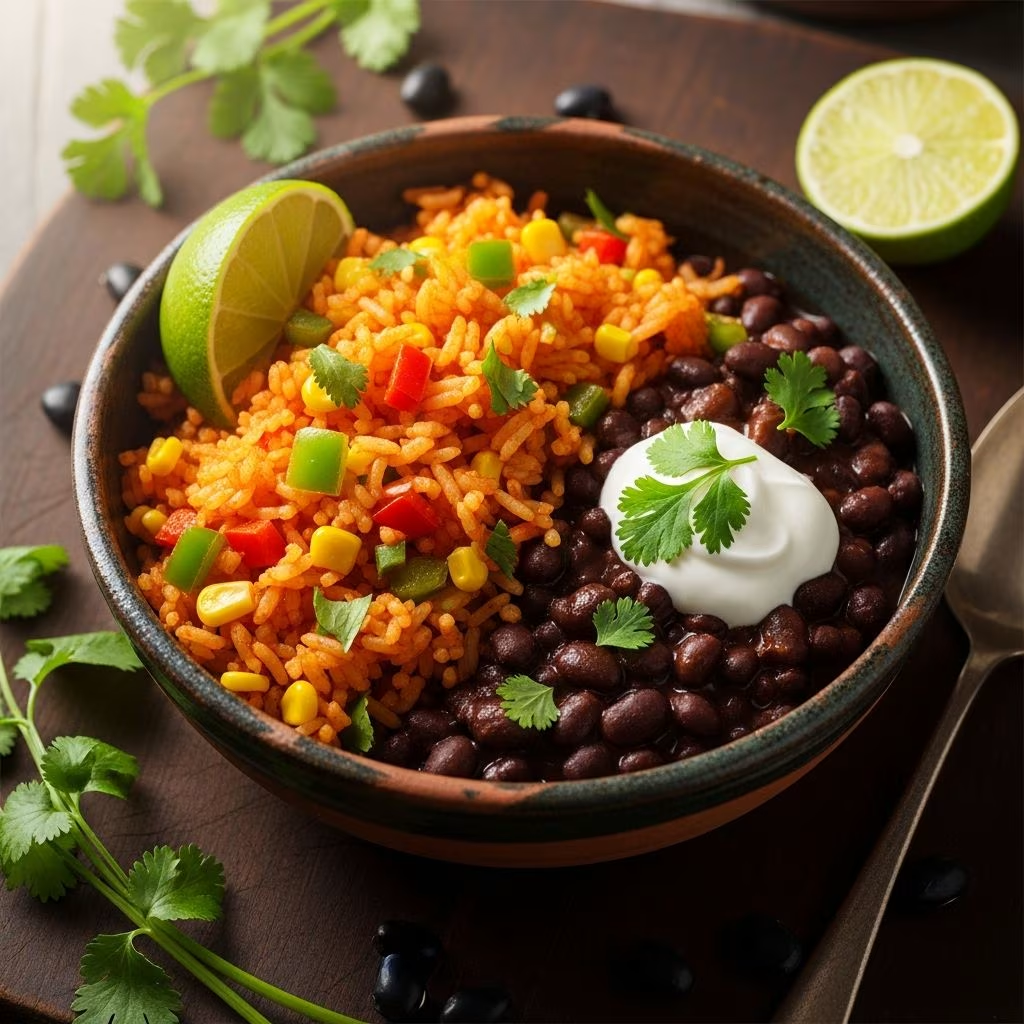
Mexican rice and beans represent one of the most fundamental and cherished dishes in Latin American cuisine. This humble combination transcends simple sustenance, embodying centuries of culinary tradition and cultural significance. The beauty of this dish lies in its versatility and accessibility—it can serve as a satisfying main course, a complementary side dish, or even the foundation for additional creations like burrito bowls or tacos. Whether you’re cooking for a family dinner or preparing meals for the week ahead, understanding the fundamentals of preparing this dish well will transform your kitchen capabilities.
Understanding the Core Components
The foundation of any successful Mexican rice and beans preparation begins with understanding each ingredient’s role. Long-grain rice provides the textural base that absorbs surrounding flavors while maintaining individual grain separation. Beans—whether black, pinto, or kidney varieties—contribute protein, fiber, and earthy depth to the overall composition. The aromatic vegetables, primarily onions and garlic, build the foundational flavor layers that give this dish its characteristic warmth. Spices like cumin and paprika infuse the entire preparation with complexity, while tomato-based components add acidity and richness.
The broth you select significantly influences the final outcome. Vegetable, chicken, or beef broth each impart distinct flavor profiles. For those seeking deeper umami characteristics, toasting the rice before introducing the liquid creates a more complex foundation that elevates the entire dish.
Essential Ingredients and Their Substitutions
| Ingredient | Primary Option | Substitution Alternatives |
|---|---|---|
| Rice | Long-grain white rice | Brown rice (increases cooking time), jasmine rice, basmati rice |
| Beans | Black beans or pinto beans | Kidney beans, chickpeas, or a combination of varieties |
| Broth | Vegetable or chicken broth | Beef broth, homemade stock, or water with additional seasoning |
| Tomato Component | Tomato paste or salsa | Canned diced tomatoes, fire-roasted tomatoes, or tomato sauce |
| Oil | Olive oil | Canola oil, vegetable oil, or butter |
The Step-by-Step Cooking Process
Preparation Phase
Begin by rinsing your rice thoroughly under cool running water. This preparatory step removes excess starch that would otherwise cause the grains to clump together during cooking, resulting in a texture that’s dense rather than fluffy. Continue rinsing until the water runs clear, indicating that most surface starch has been removed. Simultaneously, prepare your aromatics by finely dicing onions and mincing garlic cloves. This advance preparation ensures you won’t be rushed during the cooking process when timing becomes critical.
Building Flavor Layers
Heat oil in a large pot over medium heat for approximately one minute, allowing it to reach the proper temperature. Add diced onions and cook for three to four minutes, stirring occasionally, until they transition from opaque to translucent and develop a soft texture. At this stage, introduce minced garlic and sauté for approximately thirty seconds until fragrant. The brief cooking time for garlic prevents it from burning, which would introduce bitterness to the entire preparation.
Add your dry spices—cumin, paprika, ancho chile powder, and oregano—and stir continuously for about one minute. This technique, known as blooming spices, releases their essential oils and intensifies their flavor contributions. The kitchen should now fill with an aromatic fragrance that signals proper execution.
Rice Toasting and Liquid Integration
Introduce the rinsed rice to the seasoned aromatics and stir thoroughly to coat each grain with oil and spices. Continue stirring for two to three minutes, allowing the rice grains to become lightly golden. This toasting process develops a subtle nutty flavor that distinguishes well-prepared rice dishes from ordinary versions. Add tomato paste at this point and cook for one to two minutes, stirring constantly to prevent sticking.
Carefully pour the broth into the pot, stirring well to distribute seasonings evenly and dissolve the tomato paste completely. Add your beans at this stage and give everything a final thorough stir. Increase heat to high and bring the mixture to a rolling boil, which should occur within five to seven minutes.
Cooking and Resting
Once boiling, reduce heat to the lowest setting, cover the pot with a tight-fitting lid, and allow the mixture to simmer undisturbed for approximately sixteen to twenty minutes. This timeframe allows the rice to absorb the liquid while the beans heat through thoroughly. Resist the temptation to remove the lid or stir during this period, as doing so releases steam and disrupts the cooking process.
After the time has elapsed, remove the pot from heat while maintaining the lid position. Let it rest for five minutes, allowing residual steam to finish cooking and further fluffing the grains. Only then should you remove the lid and fluff the rice using a fork, breaking up any clumped portions.
Finishing Touches and Flavor Enhancements
Once the rice has been fluffed, taste the preparation and adjust salt and pepper as needed. Add fresh lime juice, which brightens the overall flavor profile and adds a subtle acidic counterpoint. If using frozen corn, add it now, stirring gently to distribute it evenly throughout. Fresh cilantro, chopped just before serving, provides a vibrant herbaceous note that complements the earthiness of beans and the warmth of spices.
Optional garnishes that enhance presentation and flavor include diced red onions, sliced jalapeños for heat, crumbled queso fresco for richness, or a dollop of Greek yogurt or sour cream for cooling contrast. These additions allow diners to customize their portions according to preference.
Cooking Methods and Time Variations
Stovetop Method
The traditional stovetop approach offers the most control over cooking parameters and requires no special equipment. The process typically requires forty-five minutes from start to finish, including preparation time. This method allows for easy observation and adjustment if needed.
Instant Pot Method
For those with electric pressure cookers, the preparation steps remain identical through the toasting phase. Instead of bringing to a boil on the stovetop, seal the lid and set to high pressure for eight minutes. Allow natural pressure release for ten minutes before manually releasing remaining pressure. This method reduces overall cooking time to approximately thirty minutes, making it ideal for busy schedules.
Rice Cooker Alternative
Some rice cookers accommodate the initial sautéing of aromatics and spices directly in their pots. After toasting the rice and adding liquid, transfer to the rice cooker function and allow to complete automatically. This hands-off approach requires minimal monitoring once the initial flavor-building steps are complete.
Serving Suggestions and Pairings
Mexican rice and beans serves admirably as a standalone vegetarian main course, particularly when topped with cheese, avocado, and a fried egg. When serving as an accompaniment, it pairs exceptionally well with grilled proteins such as chicken, fish, or carne asada. The dish works as the foundation for burrito bowls, taco fillings, or quesadilla accompaniments. For those preferring lighter preparations, serve it chilled as a salad component during warmer months, adding fresh vegetables, lime vinaigrette, and additional cilantro.
Storage and Make-Ahead Considerations
Properly prepared Mexican rice and beans stores well in airtight containers for up to five days in the refrigerator. This makes it an excellent choice for meal preparation, allowing you to portion servings for the week ahead. Reheat portions in the microwave with a splash of water to restore moisture, or warm gently on the stovetop over low heat. The dish also freezes successfully for up to three months, though the texture of beans may become slightly softer upon thawing. Thaw overnight in the refrigerator before reheating for optimal results.
Common Mistakes to Avoid
- Skipping the rice rinsing step, which results in gummy texture rather than separate grains
- Removing the lid during cooking, which disrupts steam accumulation and uneven cooking
- Using insufficient broth, which prevents complete rice hydration and results in crunchy grains
- Overcrowding the pot, which causes uneven heat distribution and inconsistent cooking
- Adding beans at the end rather than during cooking, leaving them cool in the center
- Forgetting to account for cooking time differences when substituting brown rice for white rice
Nutritional Considerations
This dish provides substantial nutritional benefits when prepared thoughtfully. The combination of rice and beans creates a complete protein containing all essential amino acids, making it particularly valuable for vegetarian and vegan diets. Beans contribute fiber, which supports digestive health and promotes satiety. The moderate olive oil content provides monounsaturated fats associated with cardiovascular health. Spices like cumin contain compounds with potential anti-inflammatory properties. A typical serving provides approximately 250-300 calories, depending on portion size and preparation methods used.
Frequently Asked Questions
Can I prepare this dish without oil?
While oil aids in flavor development and prevents sticking, you can reduce or eliminate it by using a well-seasoned or non-stick pot. Broth or water can replace oil in the initial sautéing stage, though the resulting dish may lack some depth.
What ratio of rice to beans works best?
A two-to-one ratio of rice to beans generally produces balanced flavor and texture. However, this ratio can be adjusted according to preference—those favoring beans can increase their proportion, while those preferring more rice can reduce bean amounts.
How do I prevent the bottom from burning?
Ensure the heat is appropriately lowered before covering, and maintain a gentle simmer rather than vigorous boiling. Avoid stirring excessively, and use a heavy-bottomed pot that distributes heat evenly.
Can I use dried beans instead of canned?
Absolutely. Soak dried beans overnight, then cook them separately until tender before adding them to the rice mixture. This requires more advance planning but allows greater control over bean texture.
What type of rice works best for this preparation?
Long-grain white rice remains the most traditional choice, offering excellent texture separation. Medium-grain varieties and brown rice work well but require adjusted cooking times and slightly increased liquid amounts.
References
- Spanish Rice and Beans Recipe — Nora Cooks. Accessed April 2026. https://www.noracooks.com/spanish-rice-and-beans/
- How to Make the Best Mexican Rice and Beans — Feels Like Home Blog. Accessed April 2026. https://feelslikehomeblog.com/mexican-rice-and-beans/
- Easy Vegan Rice and Black Beans — My Plantiful Cooking. Accessed April 2026. https://www.myplantifulcooking.com/easy-vegan-rice-and-black-beans/
- One-Pot Mexican Rice & Black Beans — Connoisseurus Veg. Accessed April 2026. https://www.connoisseurusveg.com/black-beans-mexican-rice/
- Refried Beans and Texas Mexican Rice — Adán Medrano. Published by Texas Tech University Press. Accessed April 2026. https://adanmedrano.com/fundamentals-of-texmex-rice-and-beans/