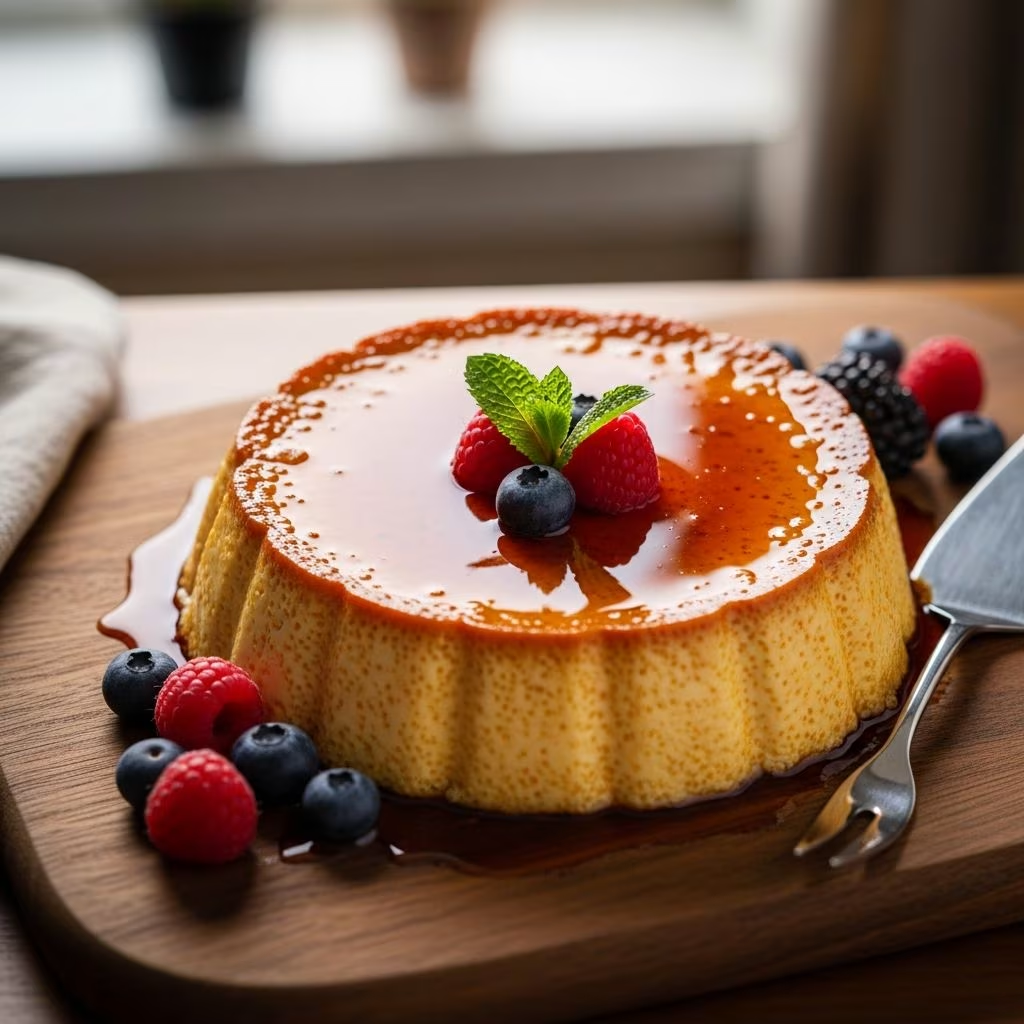
Mexican flan represents one of the most beloved desserts throughout Latin America and beyond, celebrated for its luxurious texture and elegant simplicity. This traditional custard-based dessert combines a silky egg custard with a glossy caramel coating, creating a sophisticated treat that appears complicated but is surprisingly manageable for home cooks of all skill levels. The beauty of flan lies in its minimal ingredient list and straightforward preparation process, making it an ideal make-ahead dessert for special occasions or casual family gatherings.
Understanding the Fundamentals of Flan Preparation
Creating successful flan requires understanding the interplay between several key components and cooking techniques. Unlike many desserts that demand precise measurements and timing, flan offers some flexibility while maintaining strict standards in other areas. The custard mixture must achieve the right consistency to set properly during baking, while the caramel layer provides both structural support and flavor complexity. The water bath cooking method ensures gentle, even heat distribution, preventing the custard from curdling or developing an undesirable texture.
The foundation of any excellent flan begins with quality ingredients selected with care. Whole eggs provide the custard’s structural integrity, while a combination of evaporated and sweetened condensed milk creates the characteristic creamy texture. These shelf-stable dairy products offer convenience and consistency, though some variations incorporate heavy cream or cream cheese for enhanced richness. Vanilla extract adds aromatic depth, and optional spices like cinnamon introduce subtle warmth without overwhelming the delicate custard flavor.
Essential Ingredients and Their Roles
The ingredient list for Mexican flan reads like a pantry staple collection, with five to seven core components depending on desired variations:
- Granulated sugar – Creates the caramel layer and sweetens the custard mixture
- Eggs – Provides the custard’s body and helps it set during baking
- Sweetened condensed milk – Contributes richness and sweetness to the custard
- Evaporated milk – Adds creaminess and helps achieve the proper texture
- Vanilla extract – Enhances flavor with aromatic complexity
- Optional additions – Cinnamon, cream cheese, or coconut milk for variations
The ratios of these ingredients remain relatively consistent across traditional recipes, with approximately one cup of sugar for caramel, six eggs, one can each of evaporated and condensed milk, and one to two teaspoons of vanilla extract forming the standard formula. Understanding how each component contributes to the final product helps cooks make informed substitutions or adjustments based on available ingredients or personal preferences.
Mastering the Caramel Foundation
The caramel layer distinguishes flan from other custards, adding visual appeal and complex flavor. Creating perfect caramel requires attention and practice but follows a logical progression. Begin by combining sugar and water in a medium saucepan, heating the mixture over medium-high heat until the sugar fully dissolves. The transition from dissolved sugar to caramel happens relatively quickly, typically within five to ten minutes depending on heat intensity and pan size.
Monitoring color progression proves essential for achieving ideal caramel without burning. The sugar transforms from clear liquid through pale amber to golden brown stages, with each color representing a different flavor intensity. Light golden caramel provides subtle sweetness, while deeper amber develops more complex, slightly bitter undertones that balance the custard’s sweetness. Many cooks prefer stopping at the light golden stage to maintain sweetness, though personal preference guides this decision.
Once the caramel reaches the desired color, immediate action prevents crystallization or overcooking. Pour the hot caramel into your prepared baking vessel—whether a flanera mold, round cake pan, or individual ramekins—and work quickly to coat the bottom and slightly up the sides. The caramel hardens as it cools, creating a protective layer that releases easily during unmolding. Some recipes suggest using dry caramel (sugar alone without water), which reaches the desired color more quickly and reliably, though both methods produce successful results.
Preparing the Custard Mixture
The custard component forms the body of the flan, determining its final texture and creaminess. All remaining ingredients combine to create this smooth base, which is then poured over the cooled caramel. The traditional method involves whisking eggs in a bowl, then adding the milk products and vanilla before combining thoroughly. This approach gives cooks control over blending speed and consistency.
Many modern recipes employ blenders or food processors to streamline preparation, which offers efficiency and ensures uniform mixing. When using mechanical blending, add ingredients in the order specified by your recipe to prevent foam formation. Begin with milk products, add eggs carefully, and finish with vanilla. Pulse or blend on low speed for approximately ten seconds—just enough to combine ingredients thoroughly without incorporating excess air. Excessive blending introduces bubbles into the custard, which can create small holes or an undesirable texture in the finished flan.
After mixing, some recipes recommend passing the custard through a fine sieve before pouring it into the caramel-lined pan. This step removes any remaining air bubbles and ensures a silky-smooth texture in the finished dessert. While not absolutely essential, this extra effort produces noticeably superior results, particularly in the visual presentation of sliced flan.
The Water Bath Baking Technique
Baking flan in a water bath (also called a bain-marie) represents a crucial technique that distinguishes successful flan from disappointing attempts. This method involves placing the flan dish inside a larger baking pan and surrounding it with hot water that reaches approximately three-quarters of the way up the sides of the flan pan. The water acts as a heat moderator, ensuring gentle, even cooking that prevents the outer portions of the custard from overcooking while the center remains underdone.
Preparation begins with preheating your oven to 325 degrees Fahrenheit, a temperature low enough to cook the custard gently without curdling the eggs. Cover the flan pan with aluminum foil or a lid designed for flanera molds to prevent moisture loss during the extended baking period. Carefully transfer the prepared pan to the larger pan sitting in the oven before adding hot water—this prevents accidental spills that could compromise either dish.
Baking time ranges from fifty to eighty minutes depending on pan size, depth, and oven characteristics. Smaller, shallower flan preparations bake more quickly, while larger or deeper versions require extended time. The flan is properly cooked when the edges set firmly but the center retains slight jiggle when gently shaken. This subtle movement indicates carryover cooking will continue as the flan cools, resulting in perfect consistency. Overbaked flan develops a grainy, separated texture, while underbaked versions remain too soft to unmold cleanly.
Cooling and Storage Guidelines
After removing the flan from the oven, allow it to cool completely at room temperature before refrigerating. This gradual cooling prevents thermal shock that can cause cracking or separation. Once cooled to room temperature, cover the flan and refrigerate for at least two hours, though overnight refrigeration is preferred. The chilling time allows the flan to set completely and develops flavors that continue maturing in the cold environment.
Mexican flan maintains quality in the refrigerator for three to four days when properly stored in a covered container. Some preparations actually taste better after sitting for a day, as flavors meld and the texture becomes even more custard-like. Flan does not freeze well due to its custard base, which separates and becomes grainy upon thawing, so enjoy your flan within several days of preparation.
Unmolding and Serving Your Flan
Presenting your flan elegantly requires careful unmolding technique. Run a thin, sharp knife around the edge of the pan to loosen the flan, breaking the seal between custard and pan. Place your serving plate upside down over the flan, then, with a confident movement, flip both together so the plate is now on top. The flan should release from its mold and settle onto the plate, with the caramel dripping down the sides in a dramatic presentation.
If the flan resists releasing, dip the mold’s bottom into hot water for several seconds, which helps loosen the caramel layer. Never force the flan or attempt to pry it from the pan, as this risks breakage. Serve at room temperature or chilled, depending on preference, with the silky custard and glossy caramel creating an elegant dessert suitable for formal dinners or casual family meals.
Ingredient Variations and Creative Adaptations
While traditional Mexican flan maintains consistent core ingredients, numerous variations allow for personalization and creative expression. Incorporating cream cheese into the custard mixture produces a tangier, richer version with enhanced creaminess. Coconut milk substitutes for some or all of the evaporated milk, creating a tropical variation that transports diners to beachside resorts. Espresso powder stirred into the custard creates a sophisticated coffee-forward flavor profile.
Citrus additions provide brightness and complexity; orange zest or lemon juice introduces acidity that contrasts beautifully with caramel sweetness. Cinnamon, a traditional Mexican spice, adds warmth and depth, while nutmeg or cloves create more elaborate spiced versions. Some cooks prepare flan in individual ramekins for elegant single-serving presentations, allowing guests to enjoy their own perfectly portioned dessert. These variations maintain the essential flan technique while allowing cooks to express creativity and accommodate diverse taste preferences.
Troubleshooting Common Flan Challenges
Understanding potential issues helps prevent disappointment. If your flan fails to set properly, the likely cause is insufficient baking time, water bath temperature that was too high, or oven temperature inaccuracy. Invest in an oven thermometer to verify your oven maintains consistent temperature, as many household ovens drift significantly from their displayed settings.
Cracks appearing in the flan surface typically result from overbaking or excessive oven temperature. Ensure you’re baking at 325 degrees and checking for doneness around the fifty-minute mark. Separation between custard and caramel suggests either the water bath wasn’t hot enough during baking or the flan experienced thermal shock during cooling.
If your caramel burns or remains too light, review your sugar-cooking technique. Darker caramel needs extended cooking time; lighter caramel might be removed from heat too early. Keeping a close eye during the amber color transformation prevents overcooked, bitter caramel that would compromise your otherwise perfect flan.
Frequently Asked Questions About Making Flan
- Can I use evaporated milk alternatives?
- Yes, heavy cream or half-and-half can replace evaporated milk, though this changes the texture slightly. The flan may become richer but potentially less silky. Experiment to find your preferred consistency.
- Is it necessary to use a water bath?
- The water bath is highly recommended rather than optional. It provides gentle heat distribution essential for achieving flan’s characteristic texture. Baking without a water bath risks an overcooked exterior and underdone center.
- How far in advance can I prepare flan?
- Prepare flan up to three days ahead, making it an excellent choice for entertaining. The flavors actually improve slightly with a day of refrigeration, allowing components to meld together.
- Can I use whole milk instead of condensed and evaporated milk?
- Whole milk lacks the concentration and richness of condensed and evaporated milk products, resulting in a less custardy texture. These specific ingredients provide essential richness and body.
- Why is my flan grainy?
- Graininess indicates the eggs have curdled from excessive heat. Ensure your oven maintains 325 degrees, the water bath is adequate, and you’re not overbaking beyond the recommended time.
Why Flan Deserves a Place in Your Dessert Repertoire
Mexican flan transcends simple dessert status, representing a versatile, elegant preparation that impresses guests and satisfies cravings for sophisticated sweetness. Its minimal ingredient list appeals to budget-conscious cooks while its elegant presentation suits formal occasions. The make-ahead convenience means stressed dinner hosts can focus on main courses while the flan rests in the refrigerator, emerging as a show-stopping finale.
Whether you prepare traditional versions or explore creative variations, mastering flan opens doors to understanding custard-based desserts more broadly. The techniques learned through flan preparation apply to crème brûlée, panna cotta, and other elegant custards. Your first homemade flan might be imperfect, but each preparation builds confidence and refines technique, leading ultimately to desserts that rival professional patisserie offerings.
References
- Mexican Flan Recipe — Kevin Is Cooking. Accessed April 2026. https://keviniscooking.com/mexican-flan-recipe/
- Easy Mexican Flan Recipe (Receta de Flan Mexicano) — Mexico In My Kitchen. Accessed April 2026. https://www.mexicoinmykitchen.com/easy-flan-recipe/
- Classic Mexican Flan Recipe: Creamy, Sweet, and Irresistibly Caramel — Latino Foodie. Accessed April 2026. https://www.latinofoodie.com/featured-blog-posts/classic-mexican-flan-recipe-creamy-sweet-and-irresistibly-caramel/
- Homemade Mexican Flan — Muy Delish. Accessed April 2026. https://www.muydelish.com/vanilla-bean-flan/
- Mexican Flan Recipe + Video — Mama Maggie’s Kitchen. Accessed April 2026. https://inmamamaggieskitchen.com/flan/