Mexican buñuelos represent a cherished culinary tradition that has been passed down through generations, particularly celebrated during festive occasions and holiday gatherings. These delightful fried pastries showcase the simplicity and elegance of traditional Mexican cuisine, combining basic pantry staples into a treat that is both crispy and satisfying. The preparation of buñuelos extends beyond mere cooking; it embodies cultural heritage and family tradition, with many households maintaining their own unique variations and techniques developed over years of practice.
The appeal of buñuelos lies in their versatility and accessibility. Unlike many elaborate desserts that demand specialized equipment or rare ingredients, buñuelos can be prepared in any home kitchen with standard tools and everyday pantry items. This accessibility has contributed to their enduring popularity across Mexico and among Mexican communities worldwide, making them a staple during celebrations, particularly around Christmas and New Year’s festivities.
Understanding the Fundamentals of Buñuelo Preparation
The foundation of exceptional buñuelos begins with understanding the dough composition and its unique properties. The dough for buñuelos differs substantially from other fried pastries due to its specific ratio of dry and wet ingredients, which creates the characteristic texture that distinguishes these treats from similar desserts. The dough must achieve a delicate balance—firm enough to hold its shape during rolling and frying, yet tender enough to become crispy without becoming hard or difficult to bite through.
The transformation of simple dough into golden-brown buñuelos requires careful attention to several critical factors:
- Proper hydration of the dough through accurate liquid measurement
- Adequate kneading time to develop appropriate gluten structure
- Sufficient resting periods to allow dough relaxation
- Correct oil temperature during the frying process
- Precise timing to achieve desired color and texture
Essential Ingredients for Authentic Buñuelos
Creating authentic buñuelos requires surprisingly modest ingredients, reflecting the humble origins of this beloved dessert. The fundamental components work together harmoniously to create the desired taste and texture profile.
| Ingredient | Typical Measurement | Purpose |
|---|---|---|
| All-purpose flour | 2-3 cups | Base structure and texture |
| Baking powder | 1-1.5 teaspoons | Leavening agent for lightness |
| Salt | 1/2-1 teaspoon | Flavor enhancement |
| Sugar | 1-2 tablespoons | Sweetness in dough |
| Butter or shortening | 3-4 tablespoons | Richness and texture |
| Eggs | 0-2 units | Binding and structure |
| Liquid (water/juice) | 3/4-1 cup | Dough hydration |
| Oil for frying | 2+ cups | Cooking medium |
The choice between using eggs in the dough represents one of the primary variations among different regional recipes. Some traditional preparations omit eggs entirely, while others incorporate them for enhanced richness and binding properties. Similarly, the type of liquid used—whether plain water, orange juice, or a combination—influences the final flavor profile, with citrus juices adding subtle brightness to the pastry.
The Complete Dough-Making Process
Creating the perfect buñuelo dough demands methodical attention to sequence and technique. The process begins with combining all dry components, ensuring even distribution before introducing any wet ingredients.
Initial Mixing Phase: Combine flour, baking powder, salt, and sugar in a large mixing bowl. Mix thoroughly to integrate all dry components evenly. This step prevents pockets of unmixed baking powder or salt that could compromise the final texture. Some recipes include ground cinnamon at this stage, incorporating warm spice notes directly into the dough base.
Incorporating Fat: Cut cold or room-temperature butter or shortening into the flour mixture until the combination resembles coarse breadcrumbs or wet sand. This step distributes fat throughout the dough, creating pockets that contribute to the desired tender crumb structure. Proper incorporation of fat is essential; insufficient mixing leaves large lumps, while over-mixing develops excessive gluten.
Adding Liquids and Binding Agents: Gradually incorporate the wet ingredients—water, juice, eggs, or a combination thereof. Add liquids slowly, mixing gently until the dough begins to come together. This gradual approach prevents excessive hydration that would make the dough sticky and difficult to handle. The dough should form a soft, cohesive mass that holds together when pressed but remains manageable.
Kneading and Development: Turn the dough onto a lightly floured surface and knead for 5-10 minutes until it becomes smooth and elastic. This kneading develops gluten structure, which provides strength for rolling and frying while maintaining tenderness. The dough should transform from a rough mass into a smooth, uniform texture that springs back slightly when pressed.
Resting Period: Place the kneaded dough in a bowl, cover it with plastic wrap or a clean kitchen towel, and allow it to rest for 15 minutes to 1 hour, depending on the recipe. This crucial rest period allows gluten to relax, making the dough easier to roll, and permits the baking powder to become activated, which will contribute to the buñuelos’ characteristic crispiness.
Shaping and Rolling Techniques
The shaping of buñuelos significantly impacts their final appearance and texture. After the dough has rested adequately, divide it into manageable portions, typically golf ball-sized pieces. Roll each portion on a lightly floured surface into thin, uniform disks approximately 1/8-inch thick. The thickness must be consistent across each disk to ensure even cooking; thinner areas will brown too quickly while thicker sections remain underdone.
Traditional technique calls for stretching the dough gently with hands and a rolling pin, working from the center outward. The goal is to achieve thin, almost translucent dough that will puff and crisp dramatically during frying. Some experienced cooks employ the time-honored method of stretching dough over their knee or a smooth surface to achieve optimal thinness, though this technique requires practice and confidence.
The Frying Process and Oil Management
Successful frying represents perhaps the most critical phase of buñuelo preparation, as it transforms the raw dough into the characteristic crispy, golden pastry. The frying process demands careful temperature management and attentive monitoring.
Oil Selection and Temperature: Use neutral-flavored oils with high smoke points, such as vegetable, canola, or safflower oil. Heat the oil to 375°F (190°C), a temperature that achieves the ideal balance between cooking speed and color development. Oil that is too cool produces greasy, soggy buñuelos, while excessively hot oil creates exteriors that brown too quickly before the interior cooks through.
Frying Technique: Carefully place rolled dough disks into the hot oil, one or two at a time depending on pan size. The buñuelos will initially sink, then float to the surface. Fry for approximately 30-45 seconds per side until they achieve a light golden-brown color. Some buñuelos puff dramatically, creating air pockets inside, while others remain relatively flat; both outcomes are acceptable variations.
Drainage and Cooling: Remove fried buñuelos using a slotted spoon and place them on paper towels to drain excess oil. This draining step is essential for removing absorbed oil while the pastries remain hot, reducing greasiness and maintaining crispiness.
Coating and Flavor Finishing
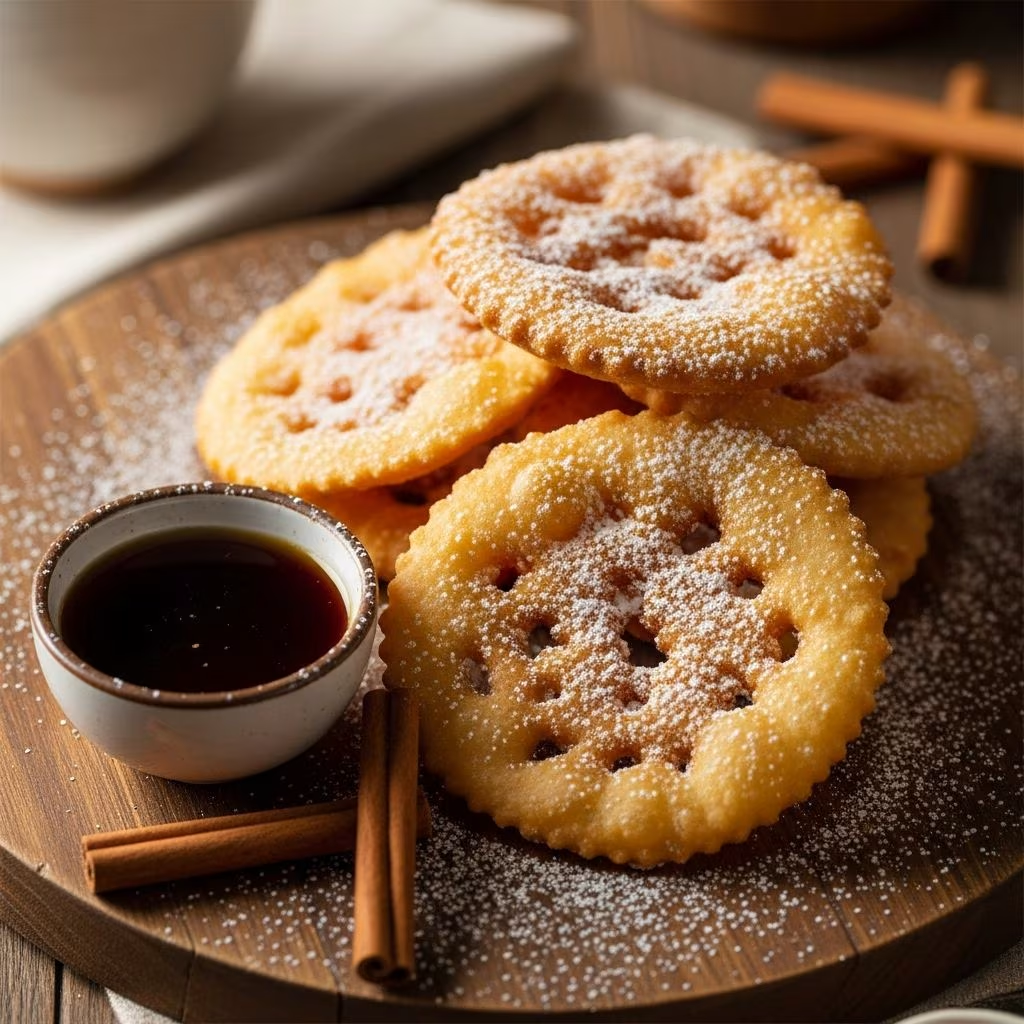
The final step transforms fried buñuelos into the sweet treats anticipated by family members and guests. While the buñuelos remain warm, coat them generously with a cinnamon-sugar mixture prepared by combining granulated sugar with ground cinnamon in a small bowl. The traditional ratio typically calls for one part cinnamon to three or four parts sugar, though personal preference may dictate adjustments.
Roll or brush the warm buñuelos in the cinnamon-sugar coating until thoroughly covered. The warmth of the freshly fried pastries helps the coating adhere and slightly dissolve into the surface, creating a sweet, spiced crust. Alternative coating options include honey drizzle, piloncillo syrup, or chocolate sauce, though cinnamon sugar remains the most traditional and popular choice.
Troubleshooting Common Preparation Issues
Even experienced cooks encounter occasional challenges when preparing buñuelos. Understanding common problems and their solutions enables successful troubleshooting:
- Dough remains sticky after kneading: Add flour gradually, one tablespoon at a time, until the dough reaches the correct consistency. Excessive water can sometimes be absorbed by flour gradually rather than immediately.
- Rolled disks tear or break easily: The dough may need additional resting time. Allow 15-30 more minutes before attempting to roll again, as this permits better gluten relaxation.
- Fried buñuelos appear greasy and soggy: Oil temperature was likely too low, causing excessive oil absorption. Monitor temperature carefully using a cooking thermometer and maintain consistent heat throughout frying.
- Buñuelos brown too quickly without puffing: The oil may be too hot, or the dough may be too thick. Verify temperature accuracy and ensure dough is rolled to appropriate thinness.
- Cinnamon sugar coating falls off: Apply coating while buñuelos are still warm, ensuring better adhesion. If buñuelos have cooled significantly, brush lightly with simple syrup or melted butter before coating.
Serving Suggestions and Occasions
Buñuelos shine as a versatile dessert suitable for numerous occasions and serving contexts. Traditionally served during Christmas and New Year’s celebrations, they have expanded into year-round desserts for family gatherings, festivals, and casual entertaining. Serve them warm for optimal texture and flavor, ideally within an hour of frying. Buñuelos pair beautifully with hot chocolate, coffee, or Mexican horchata, creating a comforting, culturally authentic dessert experience.
For special occasions, arrange buñuelos on serving platters garnished with fresh mint or cinnamon sticks for visual appeal. Their crispy texture and sweet coating make them perfect finger foods for casual entertaining, requiring no utensils or plates beyond a napkin.
Storage and Make-Ahead Considerations
While buñuelos are best enjoyed fresh and warm, they can be stored for short periods. Place cooled buñuelos in an airtight container at room temperature for up to two days, though they gradually soften over time as moisture migrates into the pastry. Refresh them by briefly warming in a 300°F oven for 3-5 minutes to restore crispiness. The dough can be prepared in advance and refrigerated for up to 24 hours, or frozen for several weeks, making buñuelo preparation more convenient for busy schedules.
Frequently Asked Questions About Buñuelos
Can buñuelos be made without eggs?
Yes, many traditional recipes omit eggs entirely. The dough relies on the combination of flour, liquid, fat, and baking powder to create the desired structure and texture. Egg-free versions work equally well and produce authentic buñuelos.
What is the difference between buñuelos and churros?
While both are fried pastries, buñuelos are typically made from rolled dough and are round or irregular in shape, while churros are piped through a star-shaped nozzle into long, ridged strands. Buñuelos are often more delicate and lacy in texture.
Can the oil be reused for frying buñuelos?
Oil can be reused for frying if strained through fine mesh to remove debris. However, oil used for frying buñuelos may impart slight flavor to subsequent batches. Dedicated frying oil produces the cleanest flavor.
How can I make buñuelos less greasy?
Ensure oil temperature remains consistent at 375°F. Properly heated oil seals the dough surface quickly, preventing excessive oil absorption. Additionally, drain fried buñuelos thoroughly on paper towels immediately after frying.
Are there savory versions of buñuelos?
While less common, savory buñuelos exist in some regional variations, incorporating cheese, herbs, or other savory seasonings into the dough. However, the traditional Mexican buñuelos featured in holiday celebrations are invariably sweet.
References
- Mexican Buñuelos Recipe (Buñuelos Dessert) — Muy Delish. Retrieved April 2026. https://www.muydelish.com/bunuelos/
- How to make Buñuelos de Viento Recipe (Authentic Mexican Recipes) — Mexico in My Kitchen. Retrieved April 2026. https://www.mexicoinmykitchen.com/bunuelos-de-viento-mexican-fritters/
- Buñuelos, South Texas style — Homesick Texan. Retrieved April 2026. https://www.homesicktexan.com/bunuelos-south-texas-style/
- Mexican Bunuelos — Isabel Eats. Retrieved April 2026. https://www.isabeleats.com/mexican-bunuelos/
- Buñuelos: High Maintenance, But So Worth It! — Pati Jinich. Retrieved April 2026. https://patijinich.com/bunelos_worth_it_all_the_way/