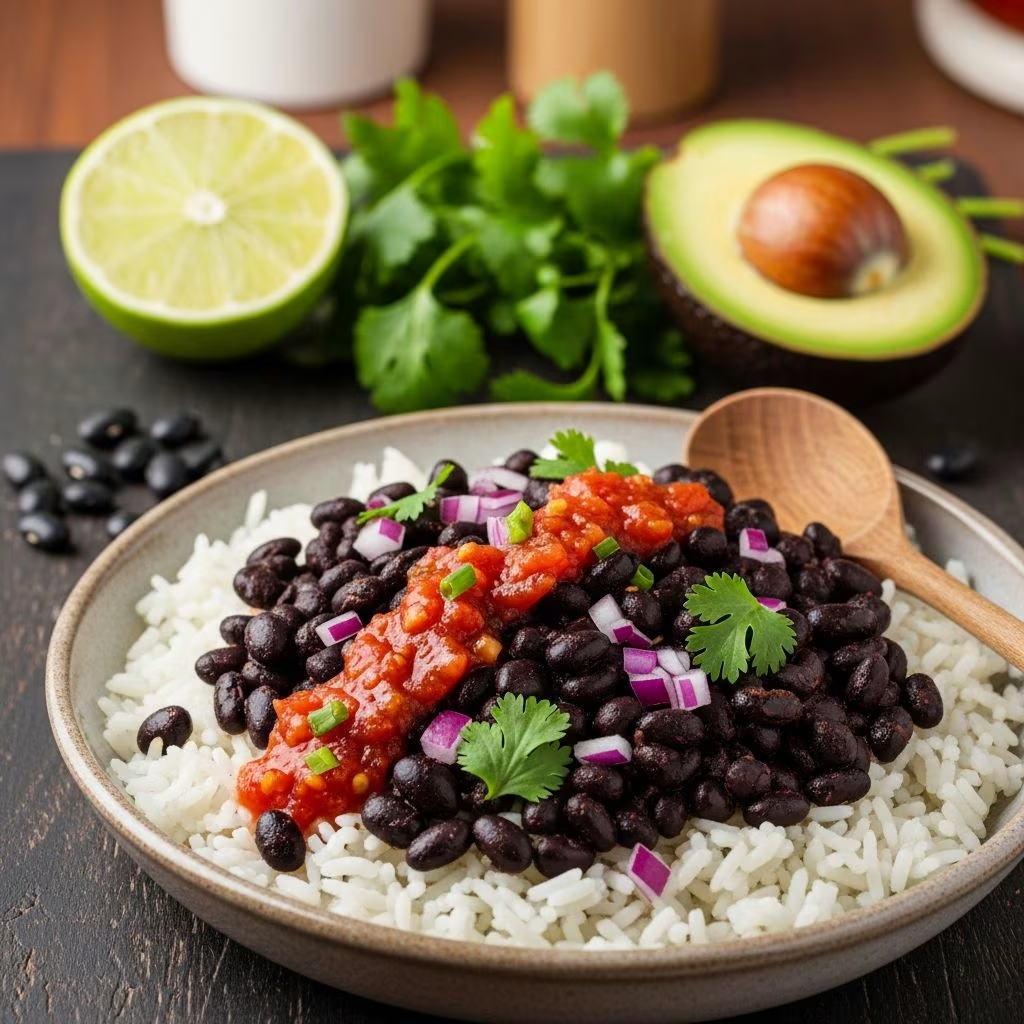
Mexican black beans and rice represent one of the most beloved and adaptable dishes in Latin American cuisine. This humble combination transforms simple pantry staples into a deeply satisfying meal that works equally well as a standalone dinner or as a complementary side to grilled proteins and fresh vegetables. The beauty of this dish lies in its straightforward preparation method and the way individual ingredients work together to create layers of complementary flavors.
Understanding the Foundation of This Classic Dish
At its core, this recipe brings together long-grain rice, nutrient-dense black beans, and a carefully selected array of Mexican spices that define the dish’s character. The cooking method emphasizes building flavor through proper preparation techniques, starting with toasting the rice and developing an aromatic base with onions and garlic. The one-pot approach makes cleanup minimal while allowing flavors to meld together as the rice absorbs the seasoned broth.
The versatility of this dish makes it particularly valuable for meal planning. Families can serve it as the main protein source when combined with vegetables and legumes, or scale back portions when offering it alongside grilled chicken, fish, or plant-based proteins. The recipe accommodates various dietary preferences and pantry variations, making it accessible to cooks at different skill levels.
Essential Ingredients for Optimal Flavor Development
The Core Components
- Long-grain white rice: Provides a neutral canvas that absorbs the surrounding broth and seasonings without becoming mushy when cooked properly
- Black beans: Contribute earthiness, protein, and fiber while taking on the aromatic qualities of the surrounding ingredients
- Vegetable or chicken broth: Serves as the cooking liquid, infusing the rice with savory depth beyond what water alone would provide
- Onion: When sautéed at the beginning, creates a sweet and pungent flavor base that forms the foundation for all subsequent seasonings
- Garlic: Adds sharp, complex notes that round out and deepen the overall flavor profile of the dish
- Ground cumin: Delivers warm, earthy tones distinctively associated with Mexican cuisine
- Chili powder: Contributes mild heat and a slightly smoky character that gives the dish its signature Mexican identity
- Paprika: Enhances color while adding subtle sweetness and depth
- Fresh cilantro: Brightens the finished dish with herbaceous, citrusy notes
- Lime juice: Provides acidity that lifts and balances all the spice and savory elements
- Olive oil: Acts as the cooking medium and helps distribute fat-soluble flavor compounds throughout the dish
Step-by-Step Preparation Techniques
Initiating the Cooking Process
Begin by selecting a large pot or Dutch oven that provides adequate surface area for the initial sautéing steps. Pour approximately two tablespoons of olive oil into the pot and place it over medium heat. Allow the oil to shimmer briefly before introducing the diced onion. The goal during this stage is to soften the onion gradually until it becomes translucent, typically requiring three to four minutes of occasional stirring to ensure even cooking and prevent any browning.
Once the onion reaches the desired consistency, introduce the minced garlic and continue cooking for an additional minute or until the kitchen fills with the distinctive aroma of cooked garlic. At this point, resist the temptation to add other ingredients immediately, as this brief window allows the garlic to release its essential oils and mellow into the developing flavor base.
Toasting the Rice for Enhanced Texture
Adding the rinsed rice to the aromatic foundation and toasting it represents a crucial step that many home cooks overlook. Introduce the rice to the pot and stir constantly for approximately six to eight minutes, allowing the individual grains to become lightly golden and develop a subtle nutty aroma. This toasting process serves multiple purposes: it dries out the rice slightly, allowing it to absorb the surrounding broth more efficiently rather than becoming overly saturated, and it creates microscopic fissures in the grain structure that contribute to superior final texture.
Introducing Seasonings and Broth
While the rice is still in the toasting stage, sprinkle the ground cumin, chili powder, paprika, and other dry seasonings over the grains. Stir thoroughly to ensure the spices coat each rice grain evenly. This technique, called “blooming” the spices, helps activate their essential oils and distribute their flavors more thoroughly throughout the final dish compared to adding them later with the liquid.
Pour the vegetable or chicken broth into the pot, using approximately three cups of liquid for every two cups of uncooked rice. Add the drained and rinsed black beans directly to the pot at this time. Give everything a thorough stir, then increase the heat to bring the mixture to a rolling boil. Once the surface shows active boiling, reduce the heat to the lowest setting, cover the pot with a tight-fitting lid, and allow the mixture to simmer undisturbed for approximately eighteen to twenty minutes.
Monitoring Cook Time and Doneness Indicators
Resist the urge to lift the lid and check on the rice frequently, as this releases steam and extends the cooking time. Instead, listen for subtle changes: initially you may hear active bubbling, but this should quiet considerably as the rice absorbs the liquid. Most stovetop cooking completes within the eighteen to twenty minute window, though times may vary slightly depending on individual burner characteristics and the specific rice variety used.
The rice reaches perfect doneness when all visible liquid has been absorbed by the grains and a tender bite confirms complete cooking without any hard center remaining. If liquid remains after the expected cooking time, extend the simmering period in five-minute increments until the rice absorbs it completely.
Finishing Techniques and Flavor Enhancement
Once the rice has absorbed all the cooking liquid, remove the pot from heat and let it sit, covered, for approximately five minutes. This resting period allows residual steam to finish cooking the outer layer of rice grains while they settle into their final fluffed state.
Uncover the pot and use a fork—never a spoon, which can crush delicate grains—to gently fluff the rice by lifting and separating the grains. This action breaks up any potential clumping and creates a lighter, more appealing texture. At this moment, add freshly squeezed lime juice and freshly chopped cilantro, stirring gently to distribute these bright flavors throughout. Taste the finished dish and adjust salt and additional seasonings as desired based on personal preferences.
Cooking Method Variations and Adaptations
Instant Pot Preparation
For those with pressure cookers or multi-use electric cooking vessels, this recipe adapts beautifully to faster cooking times. Set your device to sauté mode and proceed through the initial steps of cooking onion, garlic, and toasting rice in oil exactly as described in the stovetop method. Add the broth, beans, and seasonings, then secure the lid and set to high pressure for eight to ten minutes of cook time. Allow natural pressure release for five minutes before carefully releasing any remaining pressure manually. The result provides similar flavor and texture with total hands-on time reduced considerably.
Vegetable and Protein Additions
While the classic preparation stands on its own merits, the basic framework readily incorporates additional ingredients. Diced bell peppers, jalapeños, corn kernels, or diced tomatoes can be added either during the initial sautéing steps or stirred in after the rice finishes cooking, depending on the desired texture. Some cooks prefer folding in cooked vegetables after the rice is done to preserve their structural integrity and color.
Nutritional Considerations and Health Benefits
This dish provides substantial nutritional value through its combination of complex carbohydrates from rice and beans, fiber from legumes, and plant-based protein from the black beans. Black beans contain approximately fifteen grams of protein per cooked cup and deliver significant dietary fiber that supports digestive health. The spices used, particularly cumin and chili powder, provide bioactive compounds and may offer anti-inflammatory properties. Lime juice contributes vitamin C, which enhances iron absorption from the beans.
Storage and Make-Ahead Strategies
This recipe stores exceptionally well for meal planning purposes. Portions refrigerate successfully for three to four days when transferred to airtight containers, making it ideal for preparing once and eating multiple times throughout the week. The flavors actually deepen as the components meld during storage. To reheat, add a splash of water or broth to a microwave-safe container and heat in thirty-second intervals, stirring between each interval until warmed through. The dish also freezes well for up to three months when stored in freezer-safe containers, though the rice texture becomes slightly firmer upon thawing.
Serving Suggestions and Complementary Dishes
Serve this versatile preparation as the foundation for numerous meal variations. Top individual portions with fresh avocado slices, diced tomatoes, sour cream, or cotija cheese for a complete dinner. Layer it into burritos or burrito bowls alongside grilled vegetables and your protein choice. Offer it alongside grilled chicken, fish, or plant-based proteins for a more substantial meal. For lighter preparations, portion smaller amounts and serve with fresh salads featuring lime vinaigrette.
Troubleshooting Common Issues
| Problem | Likely Cause | Solution |
|---|---|---|
| Rice remains crunchy after cooking | Insufficient liquid or heat too high during cooking | Add additional broth and continue cooking covered until grains soften completely |
| Rice becomes mushy or overcooked | Excess liquid or extended cooking time | Reduce broth ratio in future batches and monitor timing more carefully |
| Beans appear undercooked or hard | Using canned beans that weren’t properly drained or old dried beans | Always drain and rinse canned beans thoroughly; ensure dried beans are relatively fresh |
| Insufficient seasoning flavor | Spices added after broth rather than toasted with rice | Toast spices with rice before adding liquid for better flavor distribution |
Frequently Asked Questions
Can I use brown rice instead of white rice?
Yes, brown rice works well in this recipe, though it requires additional cooking time and typically needs forty to forty-five minutes of simmering rather than eighteen to twenty minutes. Increase the broth ratio slightly to compensate for brown rice’s higher absorption rate. Brown rice provides additional fiber and nutrients compared to white rice varieties.
Is this dish vegetarian and vegan friendly?
The recipe is naturally vegetarian when prepared with vegetable broth. For vegan preparation, simply ensure all ingredients, particularly seasonings and broth, contain no animal products. The lime juice and cilantro finishing touches actually make the vegan version particularly flavorful.
How long does this recipe take from start to finish?
Total preparation and cooking time ranges from approximately thirty-five to forty minutes, with most time spent on passive cooking rather than active hands-on work. Prep work typically takes five to ten minutes, while the rice simmers unattended for eighteen to twenty minutes.
Can I make this ahead for meal preparation?
Absolutely. Prepare the full recipe and portion it into individual containers for convenient grab-and-go meals throughout the week. Reheat portions as needed with a splash of additional broth to restore desired consistency.
References
- USDA FoodData Central – Black Beans, Mature Seeds, Cooked, Boiled, With Salt — United States Department of Agriculture. 2024. https://fdc.nal.usda.gov/
- Medicinal Spices: A Comprehensive Review of Phytochemicals, Traditional Applications, and Health Benefits — National Institutes of Health, National Center for Biotechnology Information. 2023. https://pubmed.ncbi.nlm.nih.gov/