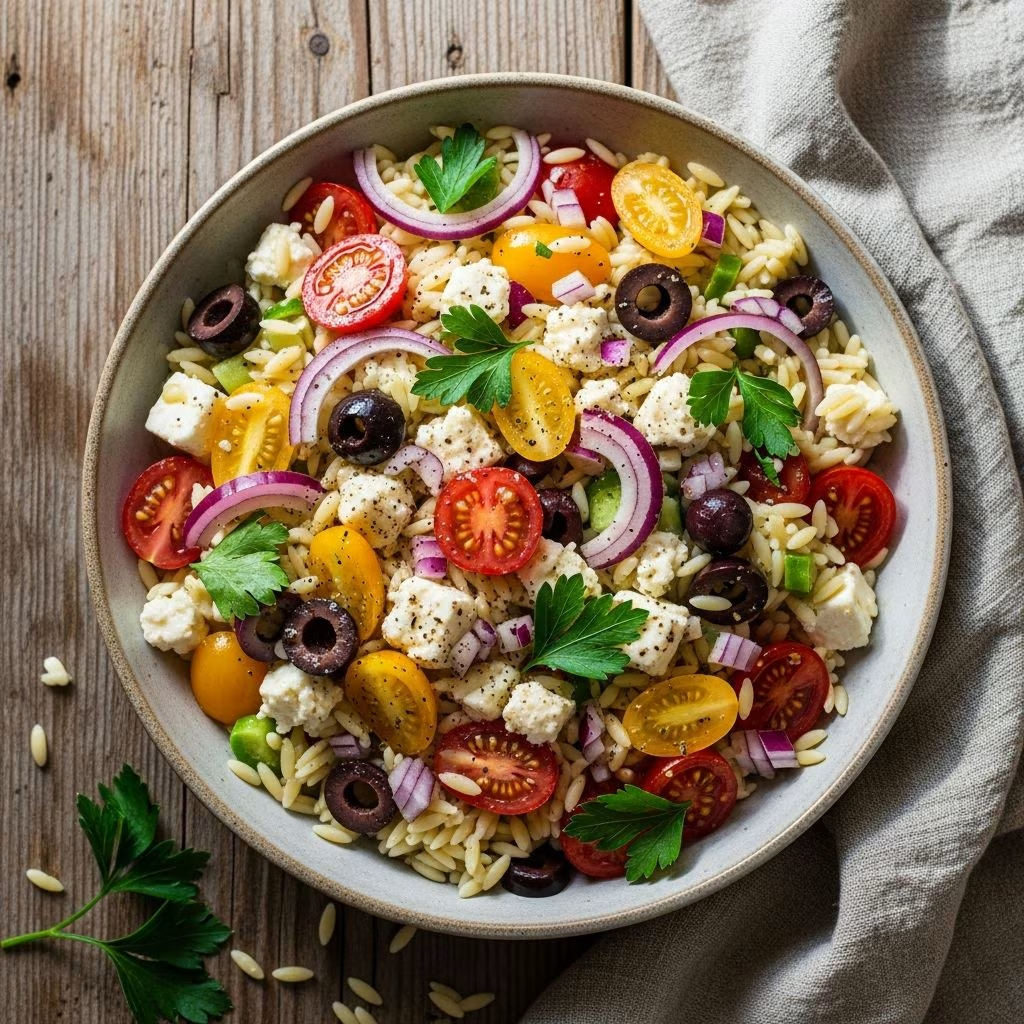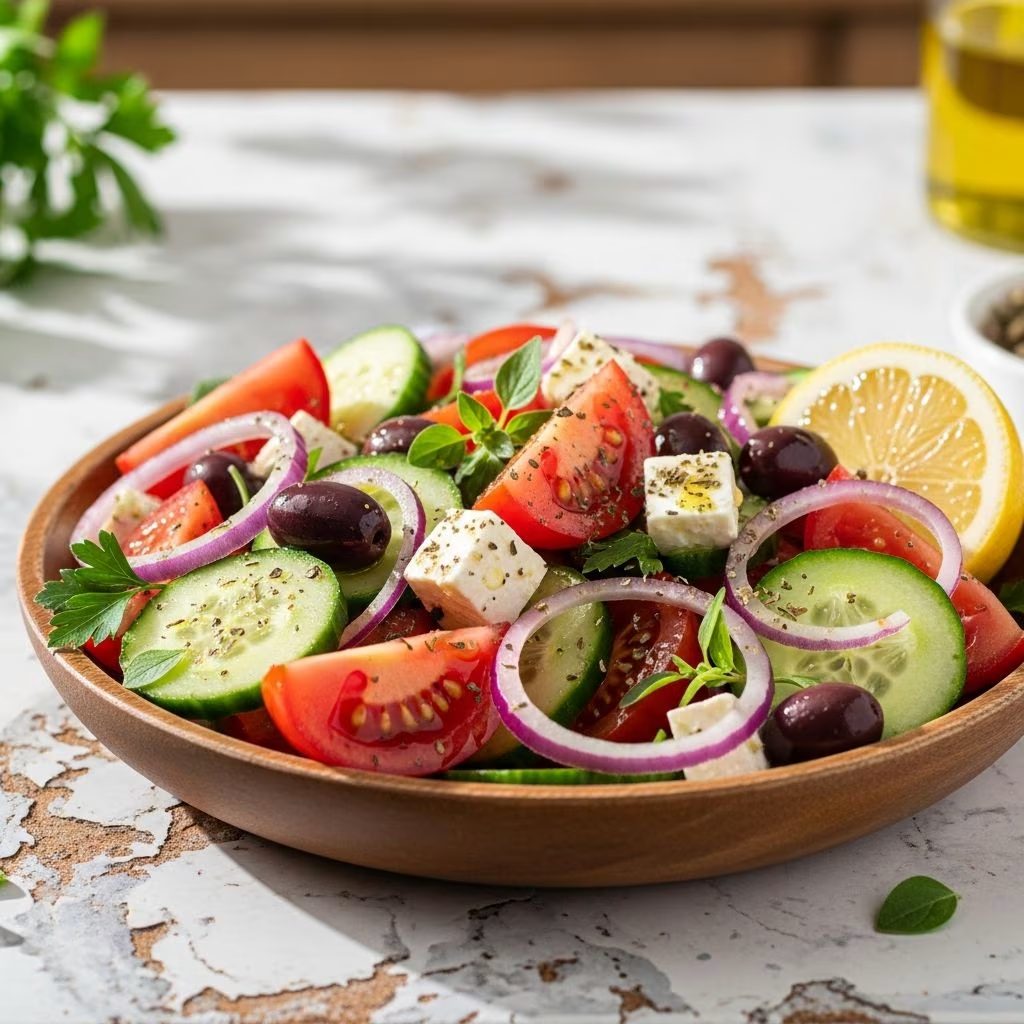
The Mediterranean region has long been celebrated for its approach to cuisine that emphasizes simplicity, freshness, and the quality of ingredients. One of the most iconic dishes that represents this philosophy is the Mediterranean vegetable salad, a dish that has been enjoyed for generations across coastal communities. This dish stands out because it requires no complicated techniques or extensive cooking—instead, it relies on the natural flavors of ripe vegetables and complementary ingredients to create a satisfying and nutritious meal.
The beauty of this salad lies in its versatility and accessibility. Whether you are preparing a light lunch, a side dish for dinner, or a component of a larger Mediterranean spread, this salad adapts to your needs. The fundamental principle behind this dish is that each ingredient should be of the highest quality, as there are no sauces or complicated preparations to mask inferior ingredients. Understanding the proper selection and preparation of components will elevate your salad from ordinary to exceptional.
Understanding the Core Components
A Mediterranean vegetable salad brings together a carefully chosen selection of ingredients that work in harmony. Fresh, ripe tomatoes form the foundation of this dish, providing natural sweetness and acidity. The tomatoes should be at peak ripeness for maximum flavor—this is not the time for pale, mealy specimens. Medium-sized tomatoes work well, cut into bite-sized pieces or wedges to allow the natural juices to release into the salad.
Cucumbers provide a refreshing crunch and cooling element that balances the other ingredients. English cucumbers are preferred as they have fewer seeds and thinner skins. Some traditional preparations include a decorative touch by partially peeling the cucumber to create a striped pattern before slicing into half-moon shapes. This technique not only looks appealing but also maintains the structural integrity of the vegetable during the assembly process.
Bell peppers, particularly green varieties, contribute a subtle sweetness and satisfying crunch. These should be cored and cut into rings or pieces that are substantial enough to maintain their texture when dressed. Red onions add a sharp, pungent note that cuts through the other flavors. Thinly sliced into half-moons, they should be used sparingly unless you particularly enjoy their intense character.
Kalamata olives are essential to achieving authentic flavor. These dark, briny olives provide a salty, complex taste that cannot be replicated by other varieties. Make sure they are properly pitted to avoid unpleasant surprises during eating. Feta cheese, preserved in brine, should be torn into slabs rather than crumbled, creating substantial pieces that provide textural contrast.
Selecting and Preparing Your Vegetables
The success of this salad depends heavily on ingredient selection. Visit your market with intention, looking for vegetables that are in season. Tomatoes should feel heavy for their size, with a fragrant aroma at the stem end. Avoid any with soft spots or cracks. Cucumbers should be firm with taut skin, free from any wrinkled or soft areas. Bell peppers should have glossy skin and feel crisp when gently squeezed.
Preparation is straightforward but requires attention to detail. Wash all vegetables thoroughly under running water, and pat them dry with clean towels—excess moisture can dilute your dressing. The size of your cuts matters; aim for uniformity so that each bite contains a balanced combination of ingredients. Uneven cutting results in some bites being predominantly one ingredient, which disrupts the harmony of flavors and textures.
The order of preparation matters as well. Cut and prepare all vegetables before assembling the salad. If you need to prepare this dish in advance, store the cut vegetables separately in the refrigerator and combine them only shortly before serving. This prevents the vegetables from releasing their water content and creating a watery dressing.
Crafting the Perfect Dressing
The dressing for a Mediterranean vegetable salad should be simple yet flavorful, allowing the natural tastes of the vegetables to remain the focal point. The classic approach combines extra virgin olive oil with red wine vinegar, the ratio typically favoring oil slightly to provide richness and body. A basic formula calls for approximately three parts oil to one part vinegar, though individual preferences may vary.
To this base, add dried oregano—a hallmark of Mediterranean cooking—along with kosher salt and freshly ground black pepper. Some variations include a small amount of Dijon mustard, which adds subtle depth without overwhelming the palette. Minced fresh garlic can be incorporated for additional complexity, though it should be used judiciously to avoid overpowering the other flavors.
The dressing should be whisked together in a small bowl before combining with the salad. This ensures even distribution and allows the oil and vinegar to emulsify slightly. The timing of dressing application is important—add the dressing just before serving to maintain the crispness of the vegetables. If the salad sits too long after dressing, the vegetables will begin to wilt and release excess moisture.
Dressing Variations and Alternatives
- Traditional vinaigrette with oregano and garlic
- Lemon juice-based dressing for a brighter, more citrusy profile
- Honey-infused dressing for subtle sweetness that complements fresh produce
- Pesto-based dressing for herbaceous complexity
- Minimal dressing approach using only oil, vinegar, and salt for maximum vegetable flavor
Assembly and Presentation
While the components of this salad can be assembled in a bowl or on a platter, the presentation method affects both the dining experience and practical considerations. A large platter presentation allows for dramatic visual appeal and works well for serving multiple people. Arrange the components in sections, creating distinct areas of color and texture. This approach also gives diners control over the proportions they choose for their individual servings.
Alternatively, combining ingredients in a large serving bowl creates a more casual presentation and makes it easier to toss and redistribute components. This method ensures that each serving receives an equitable distribution of all ingredients. For individual servings, a medium-sized bowl or plate works well, allowing the salad to be arranged thoughtfully without appearing cramped.
Regardless of the presentation method, the final touches matter. A light sprinkle of additional oregano across the top adds visual appeal and provides an herbal aroma that enhances the dining experience. Fresh mint leaves, when added as a finishing touch, introduce a cool, refreshing note that complements the other flavors. The combination of these elements transforms what could be merely a collection of chopped vegetables into a thoughtfully composed dish.
Nutritional Value and Health Considerations
This Mediterranean vegetable salad represents a nutrient-dense meal that aligns with principles of healthy eating. The vegetables provide vitamins, minerals, and dietary fiber without significant caloric content. Tomatoes contribute lycopene, an antioxidant associated with various health benefits. Cucumbers are primarily water, making them hydrating while providing modest amounts of vitamins and minerals. Bell peppers offer vitamin C and other phytonutrients.
Feta cheese provides calcium and protein, contributing to satiety and bone health, though it should be consumed mindfully due to its sodium content. Olives contribute heart-healthy monounsaturated fats. Extra virgin olive oil, increasingly recognized for its health-promoting properties, provides polyphenols and additional monounsaturated fats. The Mediterranean approach to eating, which features dishes like this salad prominently, has been associated with improved cardiovascular health and longevity in research studies.
Storage and Make-Ahead Strategies
One of the advantages of this salad is its flexibility regarding timing and preparation. The components can be prepped several hours in advance and stored separately in the refrigerator. Keep cut vegetables in airtight containers or covered bowls to maintain freshness and prevent them from absorbing odors from other foods. The dressing can be made the morning before serving and stored in a jar with a tight-fitting lid.
If you have assembled the salad but have leftovers, store them in a covered container in the refrigerator. The salad will keep for one to two days, though the vegetables will gradually release moisture and become softer. The dressing may also separate slightly, so a gentle stirring before serving will recombine the components. For best results, consume the salad within a day of assembly for optimal texture and flavor.
Serving Suggestions and Complementary Dishes
This Mediterranean vegetable salad works well as a standalone light meal, particularly during warm weather when appetites may lean toward something refreshing and lighter. It also serves as an excellent accompaniment to grilled meats or fish, providing a cooling contrast to warm entrees. The acidity in the vinaigrette helps cleanse the palate between bites of richer main courses.
For a Mediterranean-themed meal, pair the salad with crusty bread, grilled fish, and perhaps a simple pasta dish. In a vegetarian context, it complements legume-based dishes and grains like farro or bulgur. The salad also works well as part of a mezze spread, where it shares the table with hummus, olives, cheeses, and other Mediterranean staples.
Seasonal Considerations and Ingredient Substitutions
While the core components of this salad remain relatively consistent, seasonal availability may suggest variations. In summer, peak tomato season yields the most flavorful specimens, making this the ideal time to prepare the salad. As seasons change, you might incorporate other vegetables that are fresh and appealing—roasted red peppers in fall or winter squash in cooler months, though this ventures slightly from the traditional preparation.
Different regions produce varying olives and cheeses, which provides opportunity for exploration and customization. While Kalamata olives are traditional, Castelvetrano olives offer a milder, buttery character if you prefer less brine-forward flavors. Similarly, while feta is classic, other Mediterranean cheeses like ricotta salata can be substituted for variation.
Common Mistakes to Avoid
- Using underripe or poor-quality tomatoes that lack natural sweetness and acidity
- Dressing the salad too far in advance, resulting in soggy vegetables
- Using dried oregano that has lost its potency due to age or improper storage
- Over-salting the salad before tasting, as olives and feta already contribute significant sodium
- Cutting vegetables unevenly, creating inconsistent bites
- Skimping on quality olive oil, which should be extra virgin for optimal flavor
- Using red onion too generously, overwhelming more delicate vegetable flavors
Frequently Asked Questions
Can I prepare this salad ahead of time? Yes, you can prepare individual components in advance and store them separately. Assemble the salad and add dressing shortly before serving to maintain optimal texture and prevent vegetables from becoming waterlogged.
What type of feta cheese should I use? Traditional feta preserved in brine provides the most authentic flavor and texture. Avoid pre-crumbled varieties, which often contain additives and may have inferior flavor. Look for feta packed in its own brine rather than oil.
Can I use different types of olives? While Kalamata olives are traditional, other varieties can be used. Green olives offer a different flavor profile, as do other Mediterranean varieties. Experiment to find your preference, keeping in mind that different olives will alter the overall taste of the salad.
Is lettuce typically included in this salad? Traditional Mediterranean vegetable salad does not include leafy greens. The salad celebrates the vegetables themselves without the addition of lettuce, which would dilute the focused flavors of the core ingredients.
How long does this salad keep in the refrigerator? Properly stored components will keep for three to five days. Once assembled, the salad is best consumed within one to two days. The vegetables will gradually soften and release moisture over time.
Conclusion: Embracing Mediterranean Simplicity
The Mediterranean vegetable salad represents a philosophy of cooking that values quality ingredients, simple preparation, and authentic flavors. By understanding the proper selection and preparation of components, mastering the balance of the dressing, and respecting the timing of assembly, you can create a salad that captures the essence of Mediterranean cuisine. This dish reminds us that exceptional meals need not be complicated—they simply need to be made with care, attention, and respect for the ingredients themselves.
References
- Greek Salad (Traditional Horiatiki Recipe) — The Mediterranean Dish. https://www.themediterraneandish.com/traditional-greek-salad-recipe/
- Greek Salad Recipe — Love and Lemons. https://www.loveandlemons.com/greek-salad/
- Best Greek Salad — Downshiftology. https://downshiftology.com/recipes/greek-salad/
- Greek Salad Recipe — The Chunky Chef. https://www.thechunkychef.com/greek-salad-recipe/
- Best Traditional Greek Salads — Mia Kouppa. https://miakouppa.com/best-traditional-greek-salads/