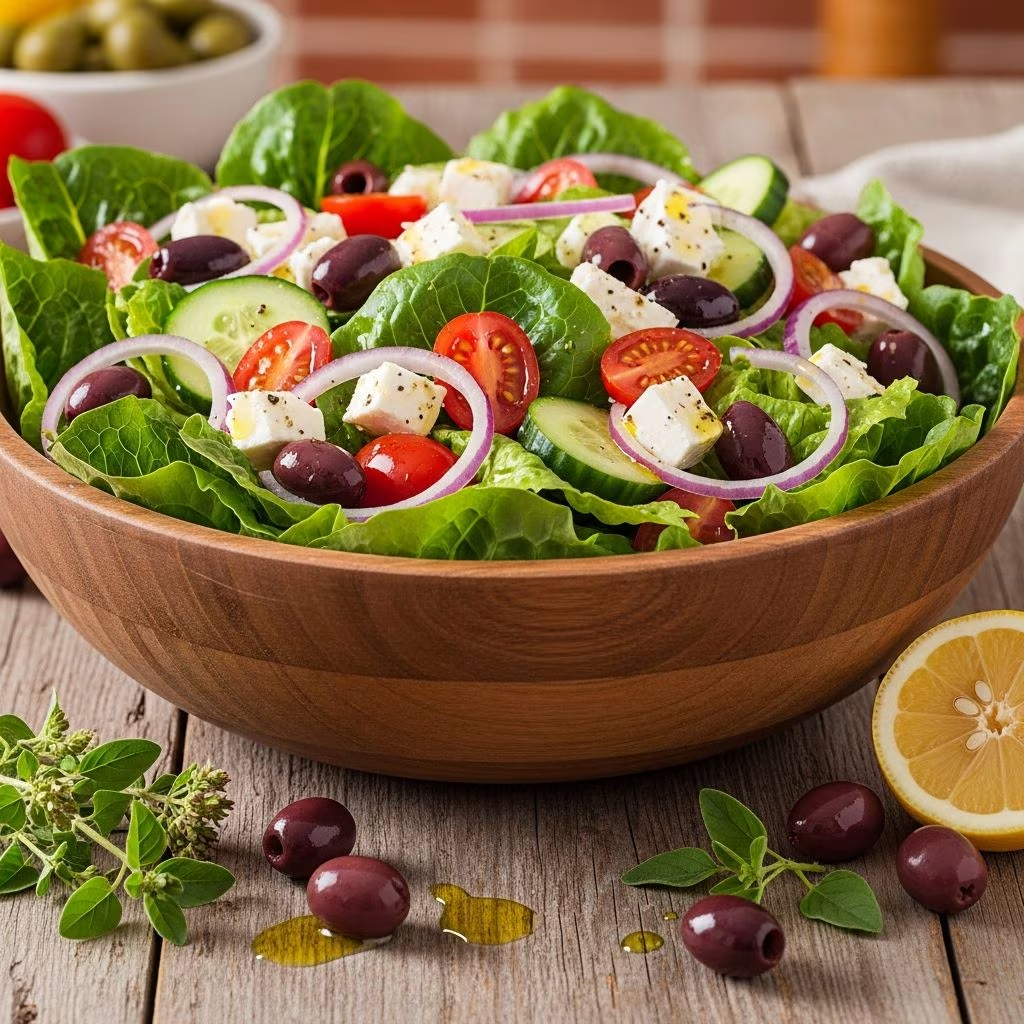
The Mediterranean region has long been celebrated for its approach to wholesome eating, and one dish that exemplifies this culinary philosophy is the Mediterranean salad. This vibrant composition brings together the finest seasonal produce with simple, quality ingredients to create a dish that is both satisfying and nourishing. Whether you’re preparing a light lunch, a side dish for dinner, or an impressive contribution to a gathering, this salad offers versatility and exceptional flavor in every bite.
Understanding the Core Components
A Mediterranean salad derives its character from a careful selection of fresh produce that celebrates the natural tastes of the region. The foundation consists of vegetables that provide both nutritional value and textural variety. Cucumbers contribute a crisp, refreshing quality, while tomatoes add sweetness and acidity. Bell peppers bring a subtle crunch and vibrant color, and red onions introduce a sharp, slightly peppery note when sliced thinly.
The salad’s character truly emerges through its supporting ingredients. Kalamata olives provide a briny, sophisticated depth, while feta cheese contributes a creamy, tangy element that ties everything together. These components work in concert to create a balanced, multi-dimensional dish that appeals to various palates.
The Role of Quality Produce
The success of this salad depends significantly on ingredient selection. Choosing ripe, in-season tomatoes makes a substantial difference in the final result. Look for tomatoes that yield slightly to gentle pressure and display a fragrant aroma at the stem end. Cucumbers should feel firm and have unblemished skin. Bell peppers—whether green, red, or yellow—should be glossy and hold their shape.
Red onions merit special attention in preparation. Slicing them thinly ensures their pungent flavor distributes evenly without overwhelming individual bites. Some cooks prefer to briefly soak sliced red onions in cool water to soften their bite, though others embrace their raw intensity.
Preparing the Essential Dressing
A Mediterranean salad distinguishes itself through its dressing, which should be straightforward yet flavorful. The traditional approach employs extra virgin olive oil as the foundation, combined with lemon juice or red wine vinegar to provide acidity. This fundamental pairing requires no complicated techniques—simple whisking creates an emulsion that coats vegetables beautifully.
Dressing Components and Their Functions
| Ingredient | Quantity | Function |
|---|---|---|
| Extra Virgin Olive Oil | ¼ cup | Base that carries fat-soluble flavors and creates richness |
| Lemon Juice or Red Wine Vinegar | 3 tablespoons | Provides acidity to brighten flavors and balance richness |
| Dried Oregano | 1 teaspoon | Contributes Mediterranean herbaceous notes |
| Garlic | 1-2 cloves | Adds savory depth and pungency |
| Sea Salt and Black Pepper | To taste | Enhance and balance all other flavors |
The dressing preparation requires minimal effort. Combine the olive oil and acidic component in a small bowl, then whisk in minced garlic, dried oregano, salt, and pepper. Allow the dressing to rest for several minutes before using, permitting the flavors to meld and develop deeper complexity. Some preparations benefit from the addition of Dijon mustard, which acts as an emulsifier and adds subtle tanginess.
Step-by-Step Assembly Instructions
Preparation Phase
Begin by thoroughly washing all vegetables under cool running water, then pat them dry with clean kitchen towels or paper towels. Excess moisture can dilute the dressing and create a watery final dish. Prepare each vegetable according to its characteristics:
- Slice cucumbers lengthwise, remove seeds if desired, then cut into ¼-inch thick pieces
- Halve cherry tomatoes or cut larger tomatoes into bite-sized chunks
- Chop bell peppers into 1-inch pieces, removing seeds and white membranes
- Slice red onions paper-thin for even distribution throughout the salad
- Pit kalamata olives if necessary, or purchase pre-pitted varieties for convenience
- Cut feta cheese into ½-inch cubes or crumble it directly into the salad
Combining and Dressing
Place all prepared vegetables in a large mixing bowl or serving platter. The choice between mixing in a bowl or arranging on a platter depends on your preference and intended use. A platter creates an attractive presentation for entertaining, while a bowl facilitates thorough combining before serving.
Drizzle the prepared dressing over the vegetables, then use a large spoon or salad tongs to gently toss everything together. This gentle approach prevents bruising the vegetables and maintains the salad’s appealing texture. Add additional dressing if desired, but remember that it’s easier to add more than to remove excess.
Final Touches
Finish the salad by sprinkling additional dried oregano over the top, then season with extra salt and black pepper to taste. Fresh mint leaves provide an unexpected brightening element if available. Allow the salad to rest for several minutes before serving, permitting the vegetables to absorb the dressing’s flavors.
Nutritional Advantages of Mediterranean Salad
This salad delivers substantial nutritional benefits alongside its delicious taste. Tomatoes contain lycopene, an antioxidant compound associated with various health benefits. Cucumbers provide hydration and contain silica, which supports connective tissue health. Bell peppers are rich in vitamin C and various antioxidants. Olives provide healthy monounsaturated fats, while extra virgin olive oil offers polyphenols and additional beneficial fats.
Feta cheese, while higher in sodium than some alternatives, provides protein and calcium. The combination of vegetables with olive oil creates a meal that promotes satiety while remaining relatively modest in calories, making it suitable for various dietary approaches.
Variations and Customization Options
Ingredient Modifications
The Mediterranean salad’s basic structure welcomes various additions and substitutions based on personal preference, ingredient availability, or dietary requirements. Romaine lettuce or mixed greens can form a bed for the traditional vegetables. Marinated artichoke hearts add Mediterranean character and interesting texture. Chickpeas contribute protein and heartiness, transforming the salad into a more substantial main course.
Those seeking heat might incorporate sliced pepperoncini or a pinch of red pepper flakes. Nuts such as pine nuts or walnuts add textural contrast and nutritional value. Different cheese varieties, including Greek yogurt-based alternatives or crumbled goat cheese, offer new flavor dimensions while maintaining the salad’s spirit.
Dressing Variations
While the classic olive oil and lemon combination remains optimal, numerous variations accommodate different tastes. Balsamic vinegar creates a slightly sweeter profile, while red wine vinegar maintains traditional tartness with subtle wine undertones. Some preparations include minimal dressing—simply high-quality extra virgin olive oil with salt and pepper—allowing the vegetables’ natural flavors to shine.
Herb-infused dressings featuring fresh basil, parsley, or dill introduce new dimensions. Those preferring creamier preparations might whisk in a small amount of Greek yogurt, creating a tangy dressing that maintains the salad’s Mediterranean character.
Storage and Make-Ahead Considerations
This salad presents challenges for advance preparation, as vegetables release moisture over time and the dressing can become diluted. For optimal texture and flavor, prepare components separately and combine shortly before serving. Store prepared vegetables in sealed containers for up to two days. Keep the dressing in a separate container and combine just before serving.
If the salad must sit assembled, consider draining excess liquid before serving and adjusting seasoning accordingly. The feta cheese and olives maintain their qualities well, so prioritizing freshness in the vegetable components is most important.
Serving Suggestions and Occasions
This Mediterranean salad adapts to numerous serving contexts. As a light lunch, it provides satisfying nutrition in a simple package. Alongside grilled proteins such as chicken, fish, or lamb, it contributes fresh, balancing flavors. At picnics or outdoor gatherings, it travels well when packed in sealed containers, with dressing added immediately before consumption.
The salad works beautifully as part of a mezze-style spread, accompanied by hummus, pita bread, and other Mediterranean items. For entertaining, it can be arranged on a large platter and set at room temperature, allowing guests to serve themselves throughout an event.
Frequently Asked Questions
Can I make this salad ahead of time?
Prepare vegetables and dressing separately, then combine shortly before serving. This approach preserves the vegetables’ texture and prevents excessive moisture accumulation.
What type of feta cheese works best?
Traditional Greek feta in brine offers authentic flavor and texture. Avoid pre-crumbled varieties, which dry out quickly. Cube or crumble feta just before adding to the salad.
Are there gluten-free considerations?
This salad is naturally gluten-free. Verify that any processed ingredients, such as certain dressings or seasonings, meet gluten-free standards if needed.
How can I reduce the sodium content?
Reduce olives quantity, rinse canned olives thoroughly, or choose lower-sodium cheese alternatives. Taste before adding additional salt.
What vegetable substitutions work well?
Cherry or sun-dried tomatoes, radishes, celery, and green onions adapt easily to this salad’s framework while maintaining its Mediterranean character.
Conclusion: The Enduring Appeal of Mediterranean Salad
This Mediterranean salad represents far more than a collection of ingredients—it embodies a philosophy of eating that celebrates simplicity, quality, and the natural flavors of fresh produce. Whether prepared for a casual weekday meal or a special gathering, it delivers consistent satisfaction while adapting gracefully to personal preferences and available ingredients. By understanding its core components and following straightforward preparation techniques, anyone can create this timeless dish that brings the essence of Mediterranean cuisine to the table.
References
- Greek Salad Recipe — Love and Lemons. 2024. https://www.loveandlemons.com/greek-salad/
- Nutritional Content of Common Vegetables — United States Department of Agriculture Food Data Central. 2023. https://fdc.nal.usda.gov/
- Mediterranean Diet and Health Benefits — Harvard School of Public Health. 2023. https://www.hsph.harvard.edu/nutritionsource/healthy-eating-plates/
- Greek Salad (Fresh, Easy Recipe) — Wholesome Yum. 2024. https://www.wholesomeyum.com/greek-salad-recipe/
- Olive Oil and Cardiovascular Health — American Journal of Clinical Nutrition. Published by Oxford Academic. 2022. https://academic.oup.com/ajcn/