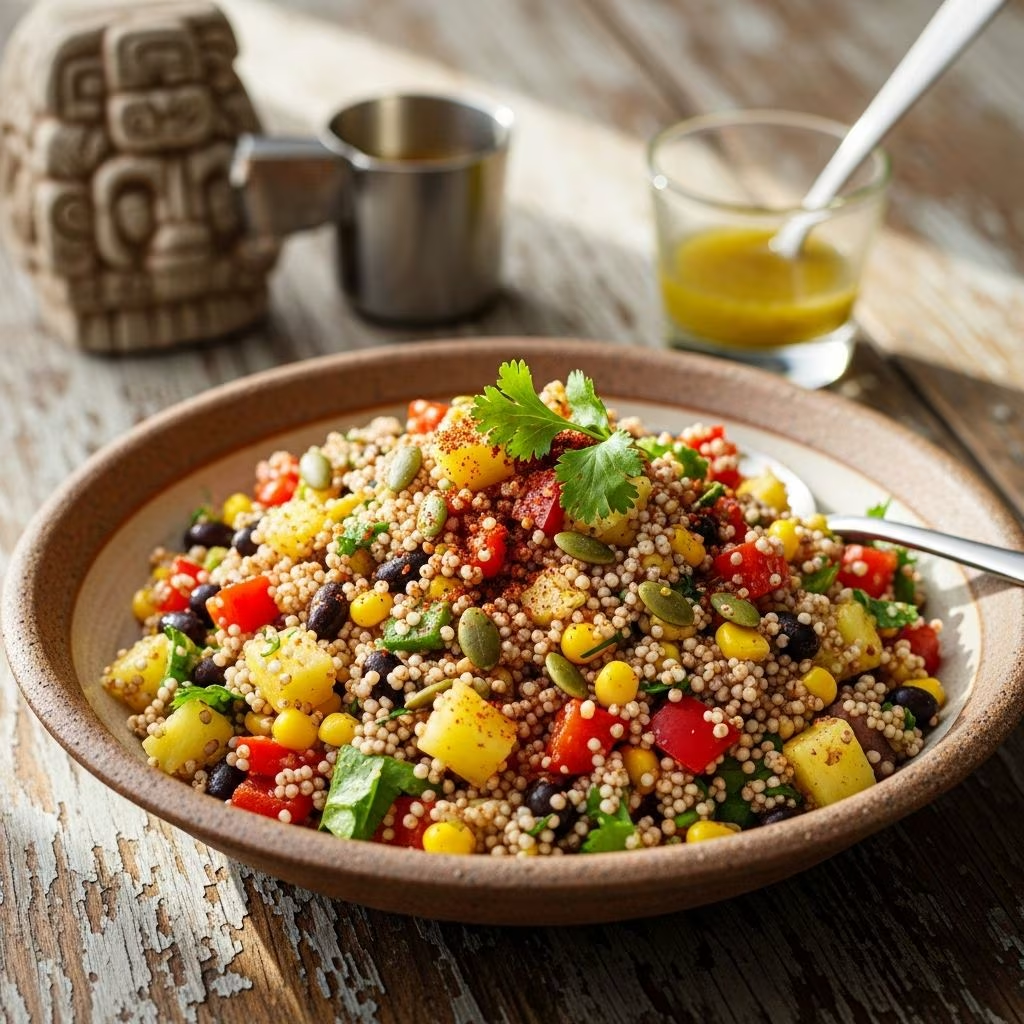
In today’s fast-paced culinary landscape, home cooks increasingly seek dishes that balance nutritional value with preparation speed and authentic flavor profiles. Mayan couscous represents an elegant intersection of these demands—a modern interpretation of ingredients and preparation techniques that draws inspiration from Mesoamerican food traditions. This versatile grain-based composition requires minimal cooking expertise and delivers impressive results in under thirty minutes, making it an ideal solution for weeknight meal preparation or entertaining guests with minimal fuss.
Understanding the Foundation: Why Couscous Works
Couscous serves as an exceptional base grain for this particular dish due to its inherent qualities and cooking characteristics. Unlike rice or quinoa, which demand extended cooking times and precise water ratios, couscous rehydrates efficiently through simple heat absorption. The grain’s delicate texture contrasts beautifully with hearty legumes and crisp vegetables, creating dimensional eating experiences within each spoonful. Additionally, couscous absorbs and carries flavor profiles remarkably well, allowing the cumin-infused cooking liquid to permeate each grain while remaining light enough not to overpower complementary ingredients.
The preparation methodology employed in this dish takes advantage of couscous’s rapid cooking mechanism. By combining dry grains with boiling liquid in a sealed container, the starches hydrate completely within minutes, eliminating the need for stovetop monitoring. This passive cooking approach distinguishes couscous from more labor-intensive grain preparations, positioning it as a practical choice for time-conscious cooks.
Essential Ingredients and Their Culinary Contributions
The Aromatic Base
Ground cumin serves as the primary spice component, infusing the entire dish with warmth and subtle earthiness. Rather than applying cumin as a finishing touch, incorporating it into the cooking liquid ensures even distribution throughout the grain matrix. This technique allows each piece of couscous to absorb the spice’s aromatic compounds, creating cohesive flavor integration rather than isolated spice pockets.
Roasted garlic contributes savory depth through its concentrated umami qualities. The toasting process transforms raw garlic’s sharp, pungent characteristics into mellow, complex notes that enhance rather than dominate the overall composition. The technique involves heating an unpeeled garlic clove in a dry skillet until the exterior browns, then peeling and mincing the softened interior. This approach yields garlic with substantially different flavor characteristics compared to raw minced versions.
Protein and Texture Components
Black beans provide substantial protein content, dietary fiber, and earthy undertones that anchor the dish. Unlike fresh or frozen beans, canned varieties offer convenience without compromising nutritional value—thorough rinsing removes excess sodium and starch while maintaining the beans’ structural integrity. The beans’ creamy interior contrasts effectively with firmer ingredients, contributing to textural complexity.
Corn kernels introduce natural sweetness and bright visual appeal. Whether sourced from canned, frozen, or fresh supplies, corn adds pops of color while providing carbohydrates and essential nutrients. The kernel’s slightly crispy exterior (when properly drained to remove excess moisture) creates pleasant textural variation against softer components.
Fresh Elements and Acidic Balance
Fresh cilantro functions beyond mere garnish—its distinctive flavor compounds interact with lime juice and spices to create bright, cohesive taste profiles. Cilantro contains aldehydes and other volatile compounds that provide herbaceous notes impossible to replicate with dried alternatives. The herb’s peppery undertones complement warm spices while its slight citrus qualities bridge the gap between cooked and fresh components.
Red onion offers pungent sharpness that contrasts with the grain’s softness and the beans’ creaminess. Fine chopping distributes onion throughout the mixture rather than creating distinct bites, ensuring the vegetable contributes flavor without overwhelming other components. The raw preparation preserves onion’s crisp texture and assertive bite.
Fresh lime juice provides essential acidity that heightens and brightens other flavors. The citric acid component enhances perception of spice warmth while preventing the overall dish from tasting heavy or one-dimensional. Lime’s characteristic flavor profile aligns naturally with cumin and cilantro, creating harmonious complementarity.
Jalapeño pepper contributes heat along with fruity, slightly green undertones. The intensity can be modulated by removing seeds before mincing—a technique that reduces capsaicinoid concentration while preserving the pepper’s fresh flavor contribution.
Step-by-Step Preparation Methodology
Grain Preparation
Begin by combining one cup of dry couscous with half a teaspoon of ground cumin and one teaspoon of salt in a large mixing bowl. The grain’s expanded surface area creates optimal contact with spice particles, promoting even distribution. Stir these components thoroughly to ensure uniform coating.
Pour one and one-quarter cups of boiling water directly over the couscous mixture. The high temperature immediately initiates hydration while activating the cumin’s aromatic compounds. Cover the bowl tightly with plastic wrap, creating a seal that traps steam and maintains consistent temperature throughout the absorption process. Allow the mixture to rest undisturbed for ten minutes—this duration permits complete moisture absorption while the grains remain distinct and separate rather than compacting into dense clumps.
Garlic Treatment
While the couscous hydrates, prepare the aromatic base. Place one unpeeled garlic clove into a small skillet over medium-high heat. Allow it to cook undisturbed for several minutes until the outer skin transforms from pale white to golden brown, developing deeper color and concentrated flavor. The high heat caramelizes sugars within the garlic while rendering the interior soft and malleable. Once the exterior achieves desirable color, remove the clove from heat and allow it to cool sufficiently for handling. Peel away the charred skin, then mince the softened interior into fine pieces.
Component Assembly
After the ten-minute resting period, remove the plastic wrap and fluff the couscous using a fork. This action separates grains that may have adhered during hydration, promoting light texture. Add the minced roasted garlic, one can of drained and rinsed black beans, one cup of drained canned corn, half a cup of finely chopped red onion, one-quarter cup of fresh cilantro, and one minced jalapeño pepper to the grain mixture.
Dress the combination with three tablespoons of high-quality olive oil and three tablespoons of fresh lime juice. The oil coats grains and vegetables while enhancing mouthfeel, while lime juice provides acidic counterpoint and flavor intensification. Mix thoroughly but gently to avoid crushing beans or compacting grains.
Taste the completed dish and adjust seasoning as needed, adding additional salt to balance flavors or more lime juice for increased brightness.
Variations and Adaptations for Dietary Preferences
Temperature and Serving Options
This dish maintains excellent qualities across temperature spectrums. Serve immediately while grains retain warmth and components retain individual textural characteristics. Alternatively, prepare the recipe hours in advance and serve cold as a refreshing salad during warm months. Room temperature presentations offer middle-ground options suitable for buffet-style entertaining. Cool couscous allows flavors to meld more deeply while maintaining textural distinction between components.
Ingredient Substitutions
Vegetable or chicken broth may replace plain boiling water during the grain hydration phase, contributing additional depth and reducing the need for supplemental seasoning. Red kidney beans or pinto beans substitute effectively for black beans while maintaining protein content and similar flavor profiles. Israeli couscous, a larger-grain alternative, provides more substantial texture though requires extended cooking times and slightly increased liquid ratios.
Additional vegetables such as diced bell peppers, seeded and finely chopped tomatoes, or thinly sliced scallions enhance freshness and visual appeal. These additions work best when incorporated post-cooking to preserve their crisp textures and bright flavors.
Nutritional Considerations and Health Benefits
The combination of couscous and legumes creates a complete protein profile containing all essential amino acids, making this dish suitable for vegetarian and vegan dietary frameworks. Black beans contribute significant quantities of dietary fiber, supporting digestive health and prolonged satiety. The grain provides complex carbohydrates that fuel sustained energy without blood sugar spikes characteristic of refined carbohydrate sources.
Olive oil supplies monounsaturated fats associated with cardiovascular health benefits, particularly when sourced from high-quality extra virgin varieties. Fresh herbs and lime juice provide vitamin C and phytonutrients without adding calories or sodium.
Practical Storage and Make-Ahead Strategies
Prepared couscous maintains quality in sealed containers within refrigeration for up to four days. Store components separately if preparing significantly in advance—combine grains with acid-based dressing immediately before serving to maintain optimal texture. Freezing is not recommended as the grain’s delicate structure degrades upon thawing, resulting in mushy consistency.
For efficient meal planning, prepare the couscous base on weekends and portion into individual containers. Add fresh components such as cilantro and lime juice immediately before consumption to preserve brightness and textural distinction.
Flavor Enhancement Techniques
Spice Layering
Beyond the foundational cumin, additional spice components can be incorporated to create dimensional complexity. Ground coriander provides floral notes that complement cilantro’s herbaceous qualities. Chili powder introduces mild heat along with concentrated tomato undertones. Red wine vinegar or additional lime juice can be adjusted to personal taste preferences without overwhelming the delicate grain structure.
Finishing Touches
Lime zest sprinkled over the completed dish provides aromatic intensity and visual interest without adding moisture that might compromise texture. Toasted cumin seeds offer concentrated spice flavor and subtle crunch. Additional fresh cilantro stirred in at the final moment preserves the herb’s bright flavor qualities that heat tends to diminish.
Common Preparation Questions
Can I use regular couscous if I don’t have pearl couscous?
Yes, standard couscous works effectively with identical cooking times and techniques. The distinction between couscous varieties is primarily textural—pearl or Israeli couscous produces heartier, chewier results while traditional couscous yields lighter, more delicate grain structures.
What happens if I don’t have fresh cilantro available?
Fresh parsley provides similar herbaceous qualities though with slightly different flavor profiles. Dried cilantro is generally considered inferior due to flavor diminishment during the drying process. If cilantro proves unavailable, simply omit it rather than substituting with dried alternatives.
Is this dish appropriate for meal preparation?
Absolutely—the recipe yields four generous portions that maintain quality throughout the week when stored in sealed containers. For optimal results, store the lime-dressed couscous separately from garnish components, then combine immediately before serving.
Can I serve this warm as a side dish?
Yes, this recipe functions effectively as an accompanying grain course alongside grilled proteins or roasted vegetables. Simply prepare following standard instructions and serve before the grain cools to room temperature.
References
- Couscous Nutritional Composition and Preparation Methods — USDA Food Data Central. Accessed 2026-04-10. https://fdc.nal.usda.gov/
- Legume Proteins and Amino Acid Profiles — Food and Agriculture Organization of the United Nations. 2023-06-15. https://www.fao.org/
- Culinary Applications of Cumin and Its Bioactive Compounds — Journal of Culinary Science & Technology. 2024-03-22. https://www.tandfonline.com/
- Olive Oil Composition and Health Benefits — International Olive Council. 2025-01-30. https://www.internationaloliveoil.org/
- Fresh Herb Phytonutrients and Preservation During Storage — Postharvest Technology Research and Information Center, UC Davis. 2024-11-12. https://postharvest.ucdavis.edu/