Matzo brei stands as a cornerstone of Jewish culinary tradition, particularly during Passover, transforming simple unleavened bread into a delectable dish reminiscent of scrambled eggs or French toast. This guide delves deep into its origins, preparation methods, variations, and serving ideas to help you create restaurant-quality results at home.
Origins and Cultural Importance
Matzo brei, often called fried matzo, emerged from Ashkenazi Jewish communities as a resourceful way to use matzo—the unleavened flatbread central to Passover observances. Symbolizing the haste of the Exodus from Egypt, matzo is eaten throughout the holiday to avoid leavened products. Soaking and frying it with eggs creates a pillowy, custardy texture that’s both nostalgic and satisfying.
Passed down through generations, this dish varies by family: some prefer it soft and scrambled, others crisp and pancake-like. It’s not just Passover fare; many enjoy it year-round for breakfast, brunch, or even dinner—earning the playful nickname ‘brinner.’ Its simplicity highlights resourcefulness, turning pantry staples into comfort food.
Essential Ingredients Breakdown
The beauty of matzo brei lies in its minimalism, but quality matters. Here’s what you need for a classic version serving 1-2:
- Matzo sheets (1-2): Plain, egg, or gluten-free work best. They absorb flavors during soaking.
- Eggs (2-4 large): Provide structure and richness; beat them fluffy for tenderness.
- Butter or oil (1-2 tbsp): Butter adds nutty depth; oil keeps it pareve (neutral) for kosher rules.
- Salt and pepper: Essential for seasoning; add during cooking.
- Liquid (1-2 tbsp milk or water): Thins eggs for better coating.
For enhancements, consider onions for savoriness or sugar for sweetness. Always use fresh eggs to avoid toughness.
Step-by-Step Classic Recipe
Ready in under 10 minutes, this savory version yields fluffy, golden matzo brei.
- Prepare matzo: Break sheets into 1-2 inch pieces. Run under cold water for 10-20 seconds until softened but not mushy. Drain on a plate.
- Mix eggs: Whisk eggs with milk, salt, pepper, and optional mustard or herbs until frothy.
- Combine: Toss matzo in egg mixture; let sit 1 minute to absorb.
- Cook base (optional): Sauté sliced onions and thyme in oil over medium heat for 10-15 minutes until golden.
- Fry: Melt butter in skillet over medium-high. Add mixture, stirring constantly 2-4 minutes until eggs set but remain soft. Avoid browning.
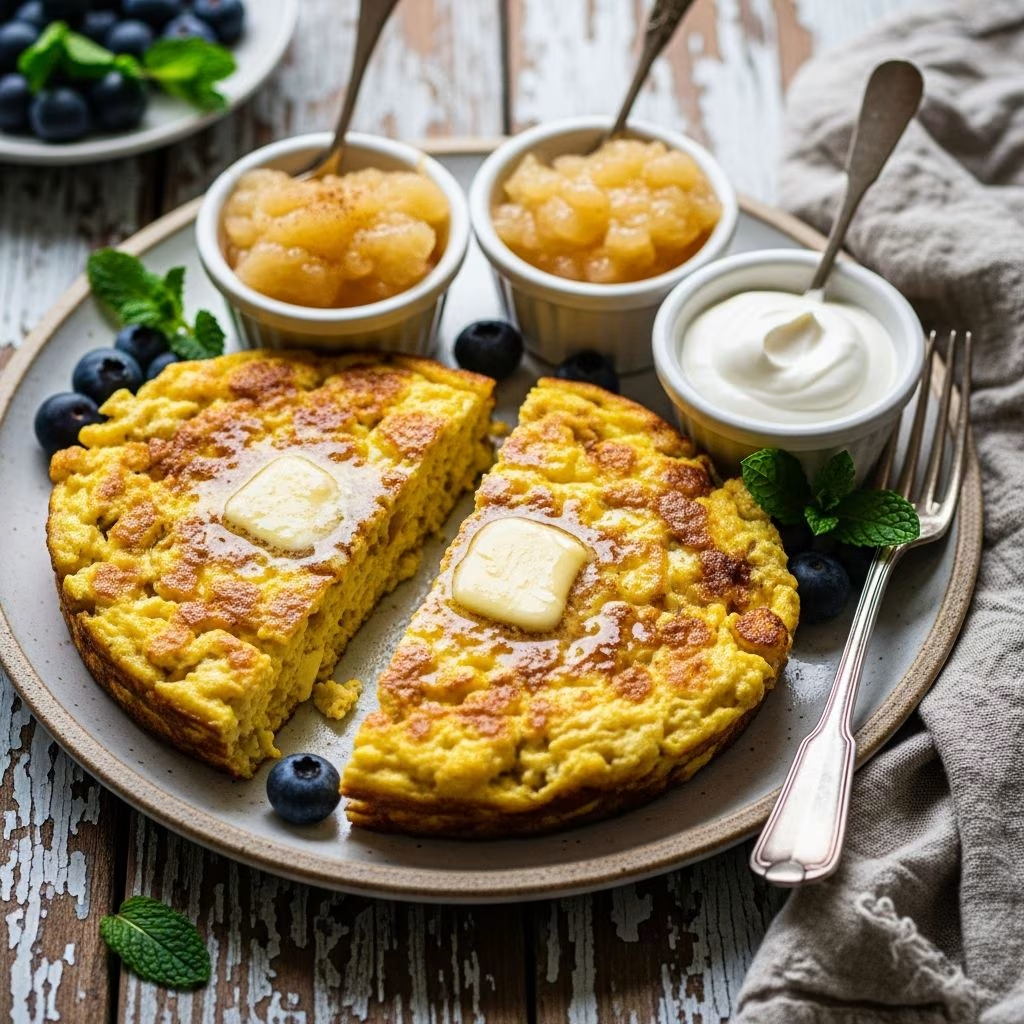
- Serve hot: Top with chives, sour cream, or applesauce.
Pro tip: Stir gently to prevent matzo from breaking too much, preserving texture.
Sweet vs. Savory: Key Differences
Matzo brei shines in both styles. Use this table to choose:
| Aspect | Sweet Version | Savory Version |
|---|---|---|
| Fat | Butter | Butter or oil |
| Add-ins | Sugar, cinnamon, vanilla | Onions, herbs, cheese |
| Texture Goal | Soft, French toast-like | Scrambled, custardy |
| Toppings | Applesauce, powdered sugar | Sour cream, chives |
| Cook Time | Press flat, flip once | Stir continuously |
Sweet suits cinnamon lovers; savory appeals to umami fans.
Creative Variations to Try
Elevate basics with these ideas:
- Onion-Thyme Delight: Caramelize onions first for depth.
- Cheesy Matzo Brei: Stir in grated cheddar post-cooking.
- Veggie-Packed: Add spinach or mushrooms during frying.
- Sweet Cinnamon Swirl: Dust with cinnamon-sugar while cooking.
- Gluten-Free: Use certified GF matzo; sub almond milk.
- Pareve Twist: Oil instead of butter; coconut yogurt topping.
Experiment seasonally—berries in spring, nuts in fall.
Mastering Texture and Technique
Perfect matzo brei balances crisp edges with soft centers. Common pitfalls:
- Too soggy: Soak briefly; shake excess water.
- Overcooked eggs: Medium heat, constant stirring—aim for custardy, not rubbery.
- Flat taste: Season generously; taste before plating.
Skillet size matters: Non-stick or well-seasoned cast iron prevents sticking. High heat crisps; low keeps moist.
Pairing and Serving Suggestions
Matzo brei pairs with:
- Classic: Sour cream and chives for tang.
- Sweet: Maple syrup or fruit compote.
- Brunch Spread: Smoked salmon, salad, fresh juice.
- Passover Meal: Alongside gefilte fish or charoset.
Serves 1-2; scale up for crowds. Reheats well in a skillet.
Nutrition and Dietary Notes
Per serving (2 eggs, 1 matzo): ~300 calories, 20g fat, 15g protein. High in protein from eggs; matzo adds carbs. Dairy-free options available. Consult kosher guidelines for holidays.
Frequently Asked Questions (FAQs)
Can I make matzo brei ahead?
Best fresh, but store in fridge up to 1 day. Reheat gently to avoid drying.
Is matzo brei gluten-free?
Only with GF matzo; check labels.
How do I make it vegan?
Use plant eggs, oil, non-dairy milk, and yogurt.
What’s the best matzo type?
Plain for neutral; egg matzo for richness.
Why is my matzo brei tough?
Over-soaked matzo or overcooked eggs. Soak 10-20 seconds max.
Historical Recipes Evolution
Early versions were plain egg-matzo scrambles. 20th-century additions like onions reflect immigrant adaptations. Modern twists include global flavors like za’atar or kimchi.
This dish embodies Jewish resilience—simple ingredients yielding joy. Families tweak it, creating heirlooms.
References
- Best Matzo Brei Recipe — Delish. 2020-approx. https://www.delish.com/cooking/recipe-ideas/a31915002/matzo-brei-recipe/
- Classic Fried Matzo Brei Recipe — Immigrant’s Table. 2023-approx. https://immigrantstable.com/matzo-brei-passover/
- Matzo Brei Recipe for Passover Breakfast — Tori Avey. 2020-09-12. https://toriavey.com/matzo-brei/
- Alison Roman’s Matzo Brei — Jewish Food Society. 2023-approx. https://www.jewishfoodsociety.org/recipes/alison-romans-matzo-brei-fried-matzo