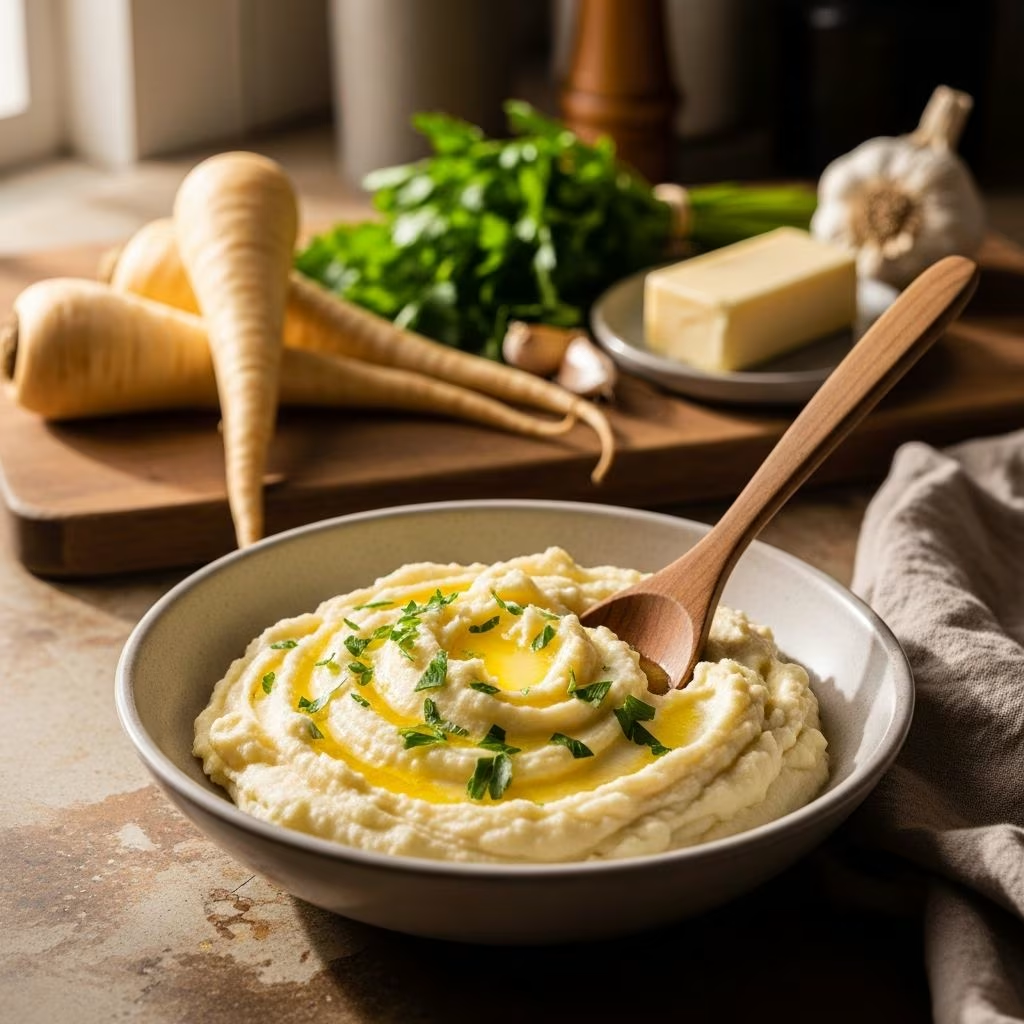
Parsnips are an often-overlooked root vegetable that deserves far more attention in home cooking. When properly prepared, they transform into a luxuriously smooth, naturally sweet side dish that rivals traditional mashed potatoes. Whether you’re seeking a dairy-based version or a plant-based alternative, mashed parsnips offer versatility and sophistication to any meal. This comprehensive guide covers everything you need to know about selecting, preparing, and serving this elegant vegetable side.
Understanding Parsnips and Their Culinary Properties
Parsnips belong to the same family as carrots and celery, boasting a pale, elongated root that develops a subtle sweetness when cooked. Unlike potatoes, parsnips contain more natural sugars and fiber, contributing to their distinctive flavor profile. The vegetable’s texture when mashed differs from potatoes—parsnips tend to have a slightly denser, creamier consistency without requiring as much liquid to achieve smoothness.
The natural starch content in parsnips allows them to mash beautifully while maintaining a refined texture. This characteristic makes them particularly suitable for creating velvety purées that feel luxurious on the palate. The mild, slightly nutty flavor pairs well with both traditional accompaniments like butter and cream as well as more contemporary ingredients such as olive oil and fresh herbs.
Selecting and Preparing Fresh Parsnips
Begin your mashed parsnip preparation by choosing firm, unblemished parsnips free from soft spots or discoloration. Smaller to medium-sized parsnips typically offer better flavor and texture than large, woody specimens. Allow approximately one-half pound of parsnips per person, adjusting based on appetite and whether additional side dishes accompany the meal.
Preparation begins with thorough cleaning under cool running water to remove any soil or debris. Using a vegetable peeler, remove the thin outer layer to expose the pale flesh beneath. The peeling step proves essential, as the outer skin can have an astringent quality that affects the final dish. Cut the peeled parsnips into uniform two-inch chunks to ensure even cooking throughout the batch.
The Cooking Process: Achieving Optimal Tenderness
Place your prepared parsnip chunks into a large pot and cover completely with cold water, maintaining at least an inch of water above the vegetables. Bring the pot to a boil over medium-high heat. Reduce the heat slightly to maintain a steady, rolling boil rather than a vigorous, turbulent one, which can cause the parsnips to break apart prematurely.
Cook time typically ranges from 15 to 20 minutes, depending on chunk size and your desired final texture. The parsnips are adequately cooked when a fork pierces them with minimal resistance. Unlike potatoes, parsnips can tolerate slightly longer cooking times without becoming waterlogged, though you should still avoid excessive cooking that causes disintegration.
Drain the cooked parsnips thoroughly using a colander or fine-mesh sieve. Proper drainage prevents a watery final product that lacks intensity and creaminess. Allow the parsnips to steam dry for a minute or two in the pot after draining to remove excess surface moisture.
Mashing Techniques and Texture Options
Three primary methods exist for transforming cooked parsnips into mash, each producing subtly different results:
- Traditional Potato Masher: Using a sturdy potato masher yields a rustic texture with small visible pieces remaining throughout. This method requires moderate physical effort but offers good control over final consistency.
- Electric Beaters: Handheld or stand mixers with low-speed settings produce remarkably smooth results in approximately two minutes. Increasing speed progressively creates even creamier texture while minimizing over-working the starch.
- Food Processor or Blender: For completely smooth, almost silky purées, a food processor offers superior results. Cool the cooked parsnips slightly before processing to prevent heat-related complications. Blend in short pulses rather than continuous processing to avoid developing an undesirably heavy, dense texture.
The choice of mashing method ultimately depends on your preferred texture and available equipment. Those seeking rustic, chunky mash prefer the potato masher approach, while those desiring restaurant-quality smoothness gravitate toward food processors or high-speed blenders.
Essential Flavor Components and Enrichments
While parsnips possess natural sweetness and flavor, enriching ingredients transform them into an unforgettable side dish. The foundation typically includes fat for creaminess and salt for flavor enhancement.
Traditional Dairy-Based Enrichments
Butter forms the cornerstone of classic mashed parsnip recipes, contributing both richness and subtle flavor complexity. Use high-quality butter in quantities ranging from two to four tablespoons per pound of parsnips. Adding the butter while the parsnips remain warm ensures proper distribution and integration.
Cream varieties introduce additional richness and silkiness. Heavy cream, whipping cream, or sour cream each impart distinct characteristics. Heavy cream produces the most luxurious texture, while sour cream adds tangy brightness that complements the parsnip’s natural sweetness. Heat cream gently in a separate saucepan before combining with mashed parsnips to prevent temperature loss.
Plant-Based Alternatives
For those avoiding dairy products, extra-virgin olive oil serves as an excellent substitute. Use approximately one-quarter cup of quality olive oil per pound of parsnips, which produces a remarkably creamy result comparable to dairy-enriched versions. The oil’s flavor profile contributes a sophisticated dimension that highlights rather than masks the parsnip’s inherent sweetness.
Vegetable broth or cooking water reserved from the parsnip-boiling process can be incorporated to adjust consistency without adding dairy. Reserve approximately one-quarter cup of cooking liquid to blend into purées requiring additional creaminess.
Seasoning Strategies for Complex Flavor
Beyond salt and pepper, numerous seasonings enhance mashed parsnips in sophisticated ways:
- Fresh Herbs: Minced fresh chives, thyme, or parsley add bright, herbaceous notes that balance sweetness.
- Warm Spices: Ground nutmeg, ginger, and cinnamon echo the parsnip’s natural warmth, creating harmonious flavor combinations.
- Savory Additions: Minced roasted garlic, Parmesan cheese, or truffle oil elevate the dish into elegant territory suitable for formal dining.
- Heat Elements: Cracked black pepper, cayenne, or freshly grated horseradish add subtle warmth without overwhelming delicate vegetable flavors.
Season gradually and taste frequently, remembering that flavors intensify as the mash cools. Begin conservatively, adding more seasoning as needed rather than attempting to mask over-seasoning.
Advanced Textural Elements and Garnishes
Transform basic mashed parsnips into visually striking and texturally complex dishes through thoughtful garnishing and topping techniques.
Crispy elements provide contrasting texture and visual interest. Finely slice reserved parsnip pieces into thin rounds and pan-fry in olive oil until golden and crispy, then scatter across the creamy base. Alternatively, top with toasted chopped nuts such as pistachios or walnuts for subtle crunch and visual appeal.
Herb oils made by blending fresh herbs with quality olive oil create restaurant-quality presentation while contributing additional flavor complexity. Drizzle herb oils across mashed parsnips just before serving for maximum visual impact and aromatic benefit.
Practical Preparation and Serving Suggestions
The entire preparation process, from peeling through final plating, typically requires no more than 30 to 35 minutes. This timeframe makes mashed parsnips practical for weeknight dinners while remaining elegant enough for special occasions.
Mashed parsnips pair beautifully with roasted poultry, grilled pork chops, or braised beef dishes. The vegetable’s natural sweetness complements savory proteins particularly well. Additionally, mashed parsnips work wonderfully alongside roasted apples, allowing complementary sweetness to enhance both components.
For vegetarian and vegan diets, mashed parsnips anchor substantial main courses when served alongside roasted vegetables, legume-based dishes, or grain preparations. The rich, satisfying texture and subtle flavor make them far more interesting than standard side dishes.
Storage and Make-Ahead Considerations
Mashed parsnips maintain quality for approximately three to four days when stored in airtight containers within the refrigerator. Reheat gently over low heat with additional cream or broth as needed to restore original consistency, as mash tends to stiffen slightly during refrigeration.
The dish freezes remarkably well for up to three months. Portion into individual servings before freezing for convenient future use. Thaw overnight in the refrigerator and reheat gently to restore texture and consistency.
Frequently Asked Questions About Mashed Parsnips
Why do my mashed parsnips turn out lumpy?
Lumpy texture typically results from insufficient cooking or excess starch development from over-processing. Ensure parsnips cook until very tender and fall apart easily when pierced. If using a food processor, blend in short pulses rather than continuously. For more control, use a traditional potato masher or immersion blender instead.
Can I prepare mashed parsnips in advance?
Yes, mashed parsnips can be prepared up to two days ahead and refrigerated in an airtight container. Reheat gently over low heat, adding cream or broth to restore creaminess lost during storage. Alternatively, freeze for up to three months and thaw before reheating.
What’s the best way to store leftover mashed parsnips?
Store in airtight containers within the refrigerator for three to four days, or freeze in portion-sized containers for extended storage. For freezing, consider layering mash with parchment paper to prevent sticking. Thaw completely in the refrigerator before reheating.
How do I make mashed parsnips less sweet?
Balance natural sweetness through savory seasoning elements such as garlic, herbs, or Parmesan cheese. Adding a pinch of sea salt or black pepper can also enhance savory notes. Incorporating a small amount of balsamic vinegar or lemon juice introduces subtle acidity that counteracts sweetness.
Are mashed parsnips nutritionally beneficial?
Parsnips provide substantial dietary fiber, vitamins C and K, and potassium. The vegetable also contains beneficial plant compounds with antioxidant properties. When prepared with minimal added fat, mashed parsnips remain relatively low in calories while delivering satisfying nutrition.
Can I substitute parsnips with other root vegetables?
While parsnips offer unique flavor and texture, root vegetables like celery root, rutabaga, or turnips can be substituted using identical cooking and mashing methods. Celery root produces the most similar result, offering comparable creaminess and subtle sweetness.
Conclusion
Mashed parsnips represent an underappreciated culinary treasure deserving far greater prominence in home cooking. Their naturally sweet flavor, luxurious texture when properly prepared, and remarkable versatility make them suitable for countless dining occasions. By understanding proper selection techniques, cooking methods, flavor enhancement strategies, and creative presentation options, home cooks can create restaurant-quality mashed parsnips that impress family and guests alike.
Whether preparing simple versions with butter and cream or crafting sophisticated variations incorporating herbs, spices, and specialty ingredients, mashed parsnips deliver satisfying elegance that elevates any meal. The straightforward preparation process, limited ingredient requirements, and forgiving cooking method make this dish accessible to cooks of all skill levels while remaining sophisticated enough for special occasions.
References
- Mashed Parsnips Recipe — Girl Heart Food. 2024. https://girlheartfood.com/mashed-parsnip/
- Parmesan Mashed Parsnips — Slow The Cook Down. 2023. https://slowthecookdown.com/roasted-parsnips-with-parmesan-and-truffle-oil/
- Vegan Creamy Mashed Parsnips — Power Hungry. 2008. https://www.powerhungry.com/2008/03/01/creamy-mashed-parsnips-vegan/
- Mashed Parsnips with Crispy Parsnips on Top — Eat Beautiful. 2023. https://eatbeautiful.net/mashed-parsnips-crispy-parsnips-on-top/
- Parsnip Mash Recipe — Fed & Fit. 2024. https://fedandfit.com/parsnip-puree/
- Mashed Parsnips — SDSU Extension. 2024. https://www.youtube.com/watch?v=1Zawi7RZSg8