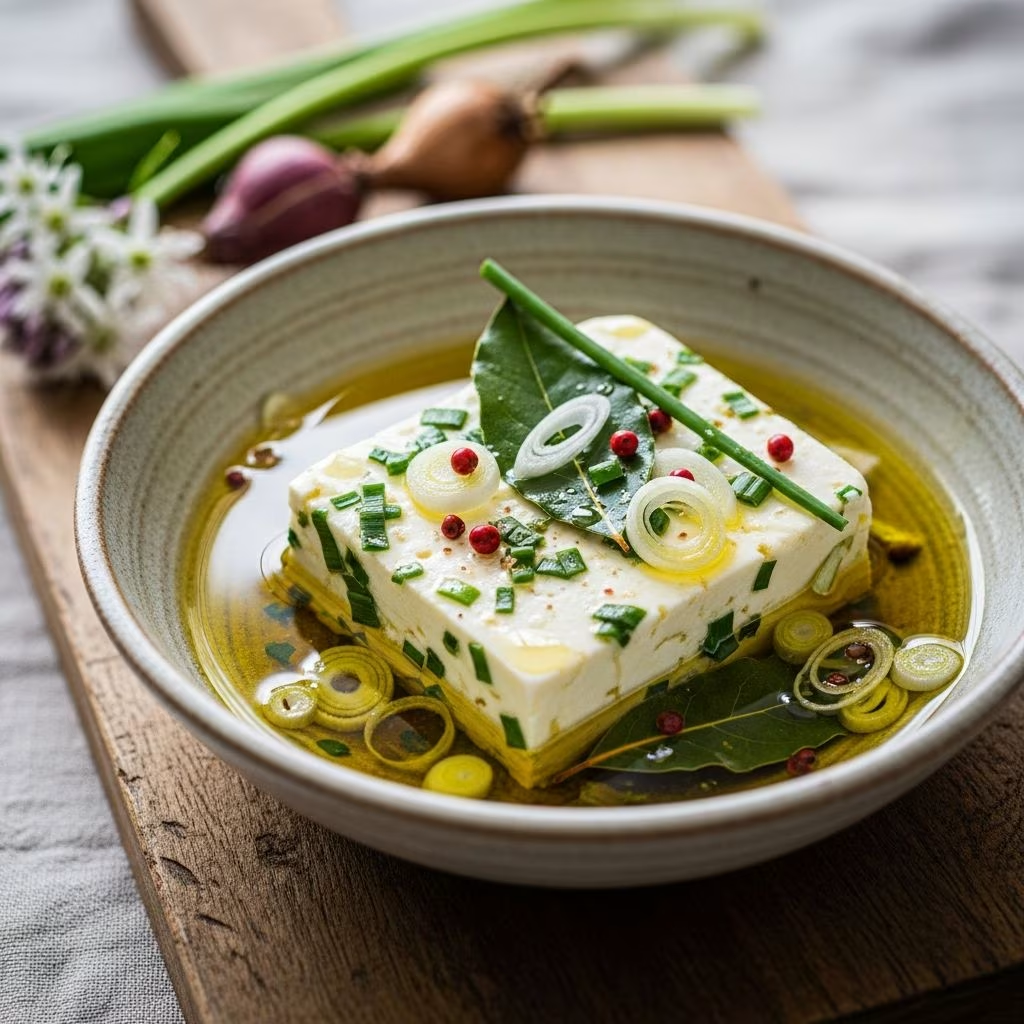
When spring arrives, home cooks and chefs alike seek ways to incorporate the season’s most distinctive ingredients into their menus. Among the most prized seasonal treasures are wild alliums—particularly ramps—which offer a complex flavor profile that bridges the gap between garlic, onion, and something uniquely herbaceous. Combining these vibrant spring vegetables with creamy feta cheese creates an appetizer that captures the essence of the season while remaining surprisingly simple to prepare.
Marinated cheese has long held a place in Mediterranean and contemporary cuisine as an elegant yet accessible starter. The traditional approach involves submerging blocks or cubes of feta in quality olive oil infused with herbs, garlic, and complementary flavors. However, using spring’s most celebrated ingredient—ramps—elevates this classic preparation into something distinctly seasonal and memorable.
Understanding Feta’s Role in Marinated Cheese Preparations
Feta cheese serves as an ideal canvas for flavor infusion due to its particular characteristics. The cheese’s naturally tangy, slightly salty profile provides a strong foundation that neither overwhelms nor disappears when combined with aromatic ingredients. Its crumbly yet creamy texture allows it to absorb flavors efficiently while maintaining structural integrity throughout the marinating process.
The choice of feta quality significantly impacts the final result. Premium feta sourced from reputable producers typically offers richer, more complex flavors than mass-produced alternatives. When selecting feta for marinating, choose blocks packed in brine rather than pre-crumbled varieties, as brined feta retains superior moisture and develops better flavor when marinated.
The Significance of Ramps in Spring Cooking
Ramps, scientifically known as Allium tricoccum, represent one of spring’s most eagerly anticipated ingredients. These wild leeks possess a distinctive flavor that combines the pungency of garlic with the subtle sweetness of onion, punctuated by grassy, mineral undertones. Unlike cultivated garlic or onions, ramps deliver this complex profile without the sharpness or bite typically associated with alliums.
Both the white bulb and green leaves of ramps are culinary assets. The bulbs offer more concentrated allium characteristics, while the leaves provide a lighter, more delicate herbaceous quality. Using both components in a feta marinade creates layered flavor complexity that elevates the preparation beyond standard herb-based versions.
Ramps possess a relatively brief season, typically spanning late winter through early spring depending on geographic location. This seasonal limitation makes ramp-based preparations particularly special and encourages creative preservation techniques, such as marinating, that extend their usefulness throughout the year.
Essential Components of an Elevated Marinated Feta
Creating exceptional marinated feta requires thoughtful consideration of several key elements that work in concert:
- Quality olive oil: Extra virgin olive oil forms the foundation of the marinade, serving both as a preservative and flavor vehicle. Select oils with flavor profiles that complement rather than compete with ramps’ delicate characteristics.
- Aromatic vegetables: Beyond ramps, consider incorporating complementary alliums such as shallots or spring garlic, as well as citrus elements like lemon or lime that brighten the overall composition.
- Fresh and dried herbs: Thyme, oregano, marjoram, or dill enhance the marinade with additional complexity. Fresh herbs contribute brightness, while dried varieties develop deeper, more concentrated flavors over time.
- Heat elements: Red chili flakes or fresh peppers introduce gentle warmth that prevents the preparation from becoming monotonous while stimulating appetite.
- Textural components: Elements like bay leaves, peppercorns, or dried chiles add visual interest and subtle flavor notes that evolve as guests consume the preparation.
Preparation Methods: Cold and Warm Approaches
Two primary techniques exist for creating marinated feta, each producing distinct results:
No-Cook Method
The simplest approach involves combining raw ingredients directly with feta and allowing flavors to develop naturally over time. This method preserves the brightest, most herbaceous qualities of fresh ramps and other ingredients. Simply layer feta cubes with sliced ramps, herbs, and seasonings in a glass container, then cover completely with olive oil. This approach requires longer marinating times—typically overnight or several days—as flavors infuse gradually without heat acceleration.
Warm Infusion Method
Heating olive oil gently before adding herbs and aromatics accelerates flavor development and creates a more cohesive marinade. Warm the oil to approximately 200°F (93°C), being careful not to boil or scorch it. Add ramps, herbs, and seasonings, allowing them to infuse as the oil cools naturally. Once cooled to room temperature, pour the mixture over feta and refrigerate. This approach typically requires only 6-8 hours of marinating before the preparation reaches optimal flavor intensity.
Step-by-Step Preparation Process
Ingredient Selection and Preparation
Begin by selecting a premium block of feta cheese stored in brine. Remove it from the brine and gently pat dry with paper towels, removing excess moisture that might dilute your carefully prepared marinade. Cut the feta into uniform cubes approximately ½ to ¾ inch on each side, ensuring pieces are large enough to maintain structural integrity while providing adequate surface area for flavor absorption.
Prepare ramps by rinsing thoroughly under cool water and patting dry. Separate the white bulbs from the green tops. Slice bulbs into thin rounds or quarter-length pieces, depending on preference. Chop green portions into ½-inch segments, reserving some whole leaves for visual presentation if desired.
Measure out your olive oil—typically ½ to ¾ cup depending on the quantity of feta—and gather any additional ingredients such as fresh herbs, citrus zest, dried chiles, and peppercorns.
Creating the Marinade Base
If using the warm infusion method, pour olive oil into a small saucepan and heat gently over medium-low heat. Once small bubbles begin forming around the pan’s edges but before oil reaches a simmer, add ramp bulbs, whole garlic cloves if using, bay leaves, and any dried herbs. Allow these elements to infuse for 5-7 minutes while the oil temperature gradually decreases.
Remove the pan from heat and add lemon or lime zest, fresh herb components, and heat elements like chili flakes. Stir gently to combine and allow the mixture to cool to room temperature, approximately 15-20 minutes.
Layering and Storage
Transfer feta cubes to a glass jar or shallow ceramic dish. Distribute ramp green portions evenly among the cheese pieces. Carefully pour the cooled oil mixture over the feta, ensuring every piece is completely submerged. If using the no-cook method, add olive oil directly without heating first, then cover completely with additional oil as needed.
Cover the container and refrigerate. The preparation will be good to serve after 6-8 hours using the warm method, or overnight using the no-cook approach. Flavors continue developing over several days and remain excellent for up to two weeks when stored properly in the refrigerator.
Complementary Serving Suggestions
The versatility of marinated feta extends far beyond simple appetizer presentations. Consider these serving options:
- Accompany with artisanal crackers, toasted bread crostini, or grilled bread slices for a straightforward appetizer presentation
- Compose a Mediterranean-inspired charcuterie board featuring cured meats, olives, nuts, and seasonal vegetables
- Crumble over warm salads to introduce creamy, aromatic elements that balance fresh greens
- Incorporate into composed vegetable platters featuring spring produce like asparagus, peas, or radishes
- Serve alongside roasted vegetables such as beets, carrots, or spring onions for a more substantial starter
- Use as a component in mezze spreads alongside hummus, baba ganoush, and other traditional Mediterranean dips
Flavor Variation Possibilities
While ramps represent an excellent primary aromatic element, numerous variations merit exploration:
| Variation Theme | Key Ingredients | Best Serving Method |
|---|---|---|
| Mediterranean Herb-Forward | Fresh oregano, thyme, marjoram, lemon zest | Crackers or bread |
| Sun-Kissed Spring | Fresh dill, tarragon, sun-dried tomatoes, capers | Toast or crostini |
| Spiced Warmth | Cumin, coriander, paprika, red chili flakes | Pita bread or flatbread |
| Citrus Brightness | Lemon and lime zest, fresh mint, coriander leaves | Crackers or vegetable crudités |
Storage and Longevity Considerations
Properly stored marinated feta develops increasingly complex flavors over time, making it an excellent make-ahead preparation. Store in airtight glass containers, ensuring the cheese remains completely submerged in oil at all times. This oil layer prevents bacterial contamination and preserves both flavor and texture.
The preparation remains fresh and delicious for two to three weeks when refrigerated consistently. The oil itself, infused with ramp and herb flavors, becomes a valuable byproduct suitable for drizzling over salads, vegetables, or bread.
Frequently Asked Questions About Marinated Feta
Can I use store-bought garlic instead of ramps?
While store-bought garlic will produce a functional marinade, it lacks the subtle complexity and seasonal character that makes ramp-based preparations special. Ramps offer a more delicate flavor profile less likely to overwhelm the cheese’s natural qualities.
How long should feta marinate before serving?
Using the warm infusion method, 6-8 hours typically suffices for adequate flavor development. The no-cook method requires overnight marinating, typically 12-24 hours. Flavor continues intensifying for several days.
Can I prepare this without fresh ramps?
Yes, substitute with fresh spring garlic, young scallions, or even preserved ramp preparations if fresh ramps are unavailable. The result will differ slightly but remain delicious.
Is it necessary to use extra virgin olive oil?
Extra virgin oil is highly recommended, as it contributes its own flavorful elements to the marinade. Lower-quality oils may introduce off-flavors that compromise the preparation’s quality.
What happens if feta freezes in the marinade?
Freezing alters feta’s texture, making it crumbly rather than creamy upon thawing. Store marinated feta in the coldest section of your refrigerator rather than freezing.
References
- The Mediterranean Dish: 5-Minute Marinated Feta Recipe — The Mediterranean Dish. https://www.themediterraneandish.com/5-minute-marinated-feta/
- Good Life Eats: Marinated Feta Appetizer — Good Life Eats. https://www.goodlifeeats.com/marinated-feta-appetizer/
- Well Seasoned Studio: 5-Minute No-Cook Marinated Feta Appetizer — Well Seasoned Studio. https://www.wellseasonedstudio.com/marinated-feta/
- Craving California: Marinated Feta with Lemon and Olive Oil — Craving California. https://cravingcalifornia.com/marinated-feta-with-lemon-olive-oil/
- Spicy Gelato Kitchen: Marinated Feta — Spicy Gelato Kitchen. https://spicygelato.kitchen/marinated-feta/