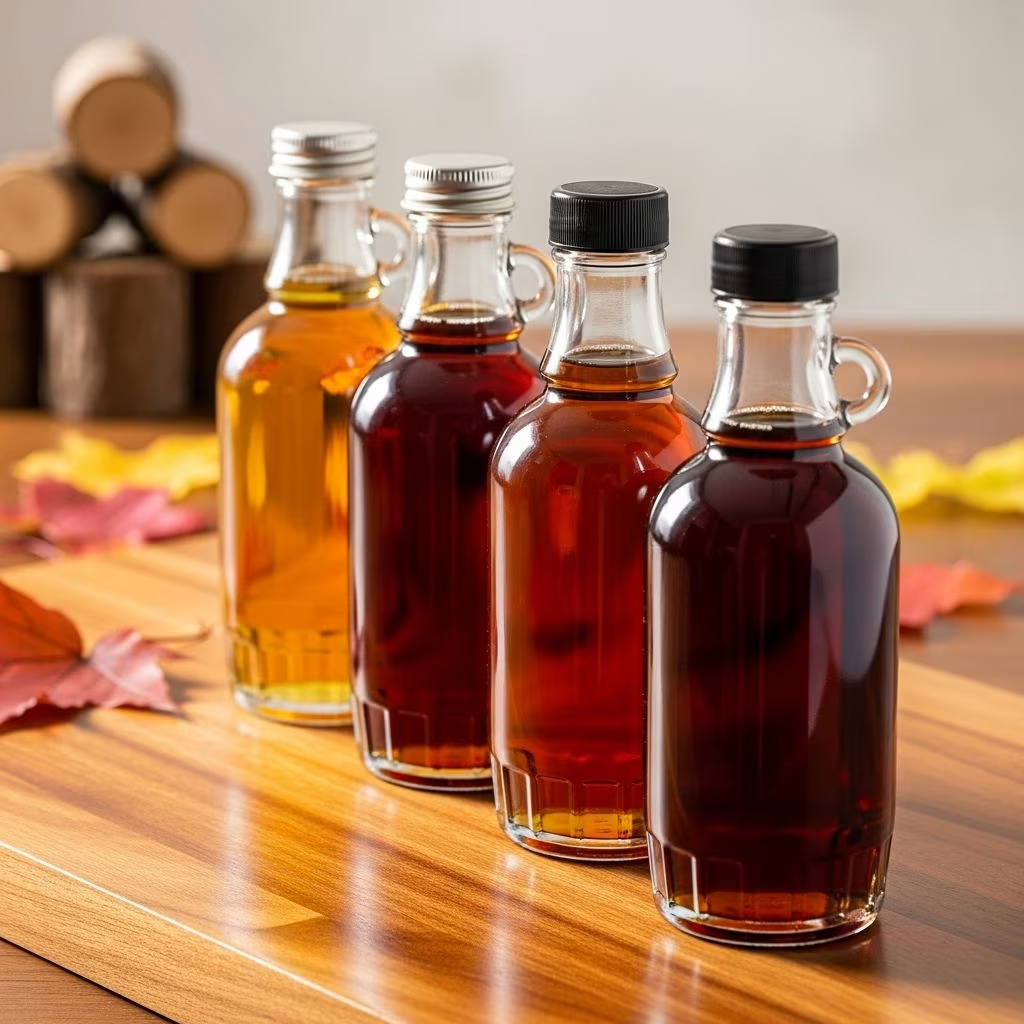
Pure maple syrup, derived from the sap of maple trees, offers a spectrum of flavors determined by production timing and color. Since 2015, all commercial maple syrup is classified as **Grade A**, distinguished by color and taste descriptors rather than quality tiers.
The Evolution of Maple Syrup Classification
Historically, maple syrup was divided into grades like A and B, where Grade B referred to darker, more intense syrups produced later in the season. This system confused consumers, who often viewed Grade B as lower quality despite its robust flavor profile. In 2015, the North American Maple Syrup Producers Manual standardized grading across the US and Canada, eliminating Grade B and labeling all syrup meeting quality standards as Grade A with specific color categories.
The change addressed misconceptions: all Grade A syrup must be 100% pure, free from additives, with a sugar content between 66-68.9° Brix for optimal shelf stability and texture. Syrup below 66° Brix spoils quickly, while above 67% may crystallize, though this doesn’t affect taste.
Understanding Current Grade A Categories
Modern grading focuses on transmittance percentages, which measure light passing through the syrup, correlating to color depth and flavor strength. Here’s a breakdown:
| Grade | Transmittance | Flavor Profile | Production Timing |
|---|---|---|---|
| Grade A Golden / Delicate Taste | 75% or higher | Mild, subtle maple notes | Early season |
| Grade A Amber / Rich Taste | 50-74.9% | Classic, balanced maple flavor | Mid-season |
| Grade A Dark / Robust Taste | 25-49.9% | Bold, caramel-like intensity | Late season |
| Grade A Very Dark / Strong Taste | Less than 25% | Intense, gritty, mineral-rich | End of season |
Data compiled from USDA-aligned standards. These categories reflect natural variations due to longer boiling times and warmer weather concentrating sugars and minerals in later sap flows.
Flavor Profiles and Sensory Differences
Each grade offers distinct tasting notes. **Golden** syrup is translucent with a delicate sweetness, ideal for those preferring subtlety. **Amber** provides the familiar “maple” taste most associate with breakfast tables, rich yet not overpowering.
**Dark** builds complexity with caramel and toffee undertones, while **Very Dark** (old Grade B equivalent) delivers a strong, earthy punch with higher mineral content. To compare, hold jars to light: lighter grades are clearer, darker ones opaque.
- Golden: Subtle, floral hints; best plain on pancakes.
- Amber: Balanced sweetness; versatile for drizzling.
- Dark: Nutty depth; enhances baking.
- Very Dark: Robust; perfect for marinades.
Best Culinary Applications for Each Grade
Choosing the right grade elevates dishes. Lighter syrups shine where nuance matters:
- Use **Golden** for yogurt parfaits, fresh fruit, or delicate pastries to avoid overpowering ingredients.
- **Amber** excels on waffles, French toast, or in coffee for everyday indulgence.
- **Dark** suits glazes, barbecue sauces, or roasted vegetables, where bold flavor integrates seamlessly.
- **Very Dark** thrives in savory recipes like baked beans, glazes for meats, or as a beer reduction base, leveraging its intensity.
In baking, darker grades add moisture and depth without extra sugar. For cocktails, Very Dark pairs with bourbon for old-fashioneds.
How to Select and Purchase Quality Maple Syrup
Look for labels specifying “Grade A” with color descriptors. Authentic syrup lists only “maple syrup” in ingredients—no corn syrup or additives. Check for USDA or state certifications; density should be 66-68.9° Brix.
Buy from reputable producers or stores; avoid imitation products. Price reflects purity: real maple costs more due to labor-intensive tapping (40 gallons sap yield 1 gallon syrup). Store in glass for purity, refrigerate after opening.
Production Process and What Influences Grades
Maple syrup starts with sap collection from sugar maples in late winter. Sap (mostly water) is boiled to 66-68.9% sugar, evaporating water and concentrating flavors. Early cold snaps yield light sap; warming thaws produce darker, mineral-heavy flows.
Modern reverse-osmosis pre-concentrates sap, but boiling defines grade. All meet strict clarity and off-flavor-free standards.
Health Benefits and Nutritional Insights
Pure maple syrup contains antioxidants, zinc, manganese, and riboflavin—more than some honey varieties. Darker grades have higher mineral levels from late-season sap. Use sparingly as a natural sweetener (lower glycemic index than refined sugar).
Storage, Shelf Life, and Troubleshooting
Unopened, it lasts indefinitely at room temperature. Refrigerate post-opening for 1 year; freezer extends to years. Crystallization? Warm gently in water bath. Cloudy syrup? Usually sediment—filter if needed, but it’s still safe.
FAQs
Is Grade B maple syrup still available?
No, it was reclassified as Grade A Very Dark in 2015 for clarity.
Which grade is best for pancakes?
Amber for classic taste; Golden for subtlety.
Why is my maple syrup crystallizing?
High sugar density (>67° Brix); liquify by gentle heating.
How do I know if it’s real maple syrup?
Ingredients say only “maple syrup”; no high-fructose corn syrup.
Does darker syrup taste better?
Subjective—darker is stronger, not superior.
Comparing Grades: Quick Reference
| Use Case | Recommended Grade |
|---|---|
| Breakfast Drizzling | Golden or Amber |
| Baking & Desserts | Dark |
| Savory Cooking | Very Dark |
| Cocktails | Dark or Very Dark |
References
- Maple Syrup Grades: Everything You Need to Know — Tree Juice Maple Syrup. 2023. https://www.treejuicemaplesyrup.com/blogs/news/maple-syrup-grades
- Guide to Maple Syrup Grades — Bissell Maple Farm. 2024. https://bissellmaplefarm.com/resources/guide-to-maple-syrup-grades
- Maple Syrup Grades Explained — Cold Hollow Cider Mill. 2023. https://coldhollow.com/blogs/news/maple-syrup-grades-explained-how-to-choose-the-best-syrup-for-you
- Grading — Anderson’s Maple Syrup. 2022. https://andersonsmaplesyrup.com/grading/
- Grades of Maple Syrup — Hall Farms. 2023. https://www.hallfarms.com/grades-of-maple-syrup
- Maple Syrup Grades Explained. The Light and the Dark — The Art of Doing Stuff. 2021. https://www.theartofdoingstuff.com/maple-syrup-grades-explained-and-how-many-bottles-i-produced-this-year/
- A Consumer’s Guide to Pure Maple Syrup — Ohio State University Extension (Ohioline). 2022. https://ohioline.osu.edu/factsheet/anr-101