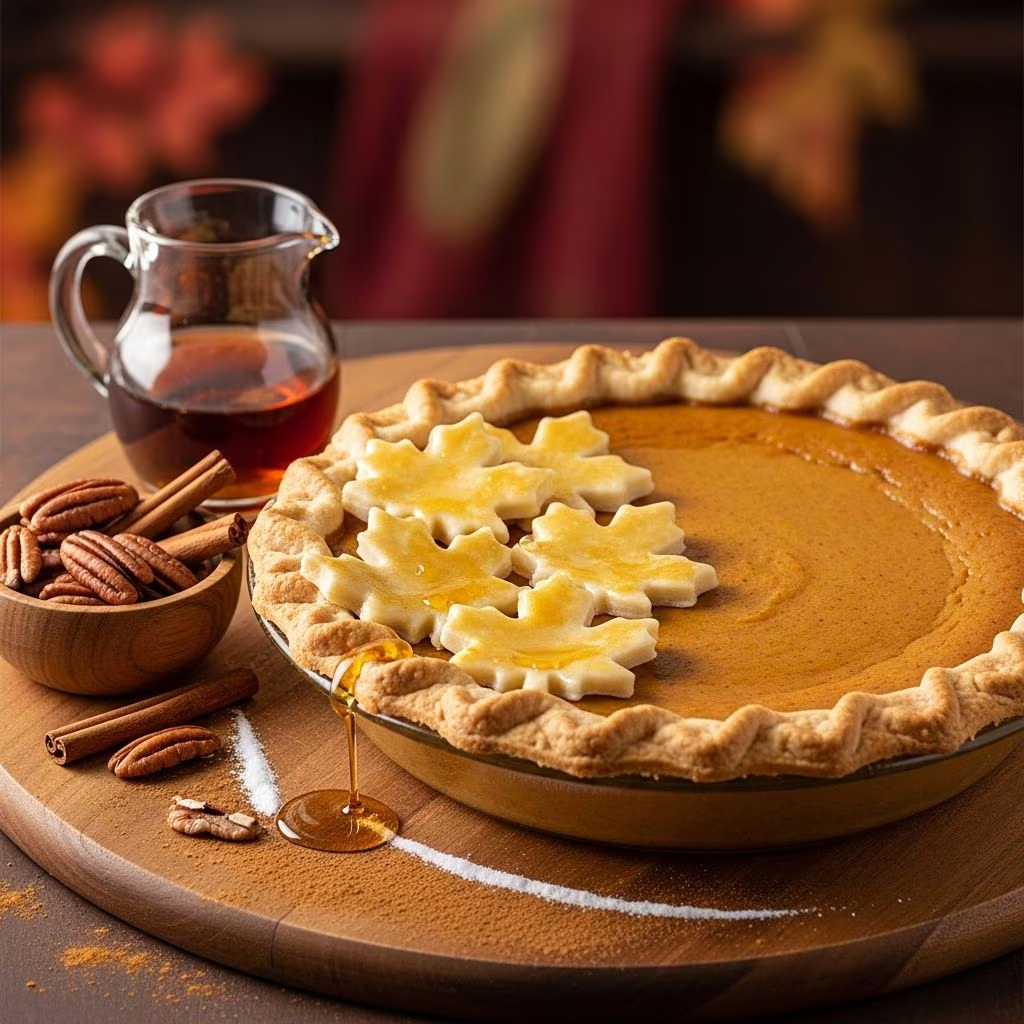
The combination of maple and pumpkin represents one of autumn’s most celebrated flavor pairings. This classic dessert merges the natural sweetness of maple syrup with the earthy richness of pumpkin puree, creating a sophisticated alternative to traditional pumpkin pie. Whether you’re preparing for a holiday gathering or simply craving a seasonal treat, mastering this recipe opens the door to a dessert that appeals to both traditional tastes and those seeking refined flavors.
Understanding the Maple-Pumpkin Foundation
The heart of any exceptional maple pumpkin pie lies in understanding how these two primary ingredients interact. Pumpkin puree serves as the structural base, providing moisture, fiber, and a subtle vegetable foundation that balances richness. Maple syrup, on the other hand, introduces complex sweetness with subtle notes of caramel and woodsy undertones. The interplay between these components creates depth that standard sugar-sweetened versions cannot achieve.
When selecting pumpkin puree, genuine pumpkin offers superior flavor compared to pumpkin pie filling, which often contains added sugars and spices that can overpower the maple element. Pure maple syrup—never pancake syrup—is essential, as pure varieties contain the authentic mineral qualities and complexity that make this pie distinctive. Grade B or dark amber maple syrup provides particularly robust flavor for baking applications.
Essential Ingredients and Their Roles
Creating the perfect maple pumpkin pie requires understanding what each component contributes to the final product:
- Pumpkin Puree: Forms the creamy base while providing natural moisture and structure to the custard filling
- Pure Maple Syrup: Delivers the signature flavor profile and serves as the primary sweetening agent
- Eggs: Act as a binder while creating the custard-like consistency that defines proper texture
- Heavy Cream or Evaporated Milk: Adds richness and contributes to silky mouthfeel
- Warm Spices: Cinnamon, ginger, nutmeg, cloves, and allspice enhance depth without overwhelming the maple flavor
- Salt: Heightens all flavors and balances sweetness
- Vanilla Extract: Rounds out flavors and adds aromatic complexity
- Pie Crust: Provides textural contrast and structural support
Spice Selection and Proportioning
The spice blend transforms a simple pumpkin custard into something memorable. While traditional pumpkin pie spice blends work adequately, customizing individual spice ratios allows you to emphasize certain flavor notes. Ground cinnamon should typically comprise the largest spice proportion, contributing warmth and familiarity. Ground ginger adds subtle heat and brightness, preventing the dessert from becoming monotonously sweet.
Nutmeg, cloves, and allspice require careful measurement. These powerful spices can easily dominate if overused, masking the delicate maple undertones. A balanced approach uses approximately one teaspoon of cinnamon, half-teaspoon each of ginger and nutmeg, and quarter-teaspoon measures of cloves and allspice. This creates complexity without overwhelming the palate.
Preparation Techniques for Superior Results
Successful maple pumpkin pie begins with proper crust preparation. Whether using store-bought refrigerated crusts or homemade versions, pre-baking—known as blind baking—prevents a soggy bottom crust. This involves rolling the crust into your pie plate, pricking it with a fork to prevent puffing, and baking it at 375 degrees Fahrenheit for approximately 10 minutes until the crust becomes set but not fully browned.
The filling preparation benefits from a methodical approach. Begin by combining pumpkin puree, maple syrup, and brown sugar in a large mixing bowl, whisking until completely smooth. Any remaining lumps will prevent even baking and create textural inconsistencies. Next, add eggs and egg yolks at room temperature, as cold eggs can create lumps when incorporated into the pumpkin base.
After incorporating eggs, add heavy cream and vanilla extract, whisking thoroughly. Finally, add all dry ingredients—spices and salt—combining until the mixture reaches perfectly uniform consistency. This incremental approach prevents overmixing, which can introduce excess air and create an undesirable texture.
Baking Process and Temperature Management
The two-stage baking method produces superior results. Begin by preheating your oven to 425 degrees Fahrenheit. Pour the filling into your prepared crust and bake at this higher temperature for 15 minutes. This initial blast of heat sets the outer edges while the center remains slightly loose, creating more even cooking throughout.
After 15 minutes, reduce the oven temperature to 350 degrees Fahrenheit and continue baking for an additional 40 to 50 minutes. The pie is finished when the filling puffs slightly and no longer appears sloshy in the center. A toothpick inserted into the middle should emerge clean with no wet custard clinging to it. The internal temperature should reach approximately 160 degrees Fahrenheit.
Place the pie on a baking sheet before sliding into the oven. This simple practice catches any filling that may escape during baking and makes transferring the hot pie to cooling racks significantly safer and easier.
Cooling and Storage Considerations
Allowing the pie to cool completely on a wire rack is crucial. Premature slicing results in a runny filling, as the custard requires time to set properly. Ideally, let the pie rest for at least two to three hours after removal from the oven before serving.
Refrigeration extends shelf life while actually improving flavor development. The spices and maple notes intensify as the pie sits, making it an excellent make-ahead dessert. Store the cooled pie in an airtight container in the refrigerator for up to five days. The pie can also be frozen for up to two months when wrapped securely.
Creative Serving Suggestions and Pairings
While maple pumpkin pie satisfies on its own, thoughtful accompaniments elevate the experience. Spiced maple whipped cream—made by whipping heavy cream with pure maple syrup and a pinch of cinnamon—provides cool, sweet contrast to warm pie. Vanilla ice cream offers classic simplicity, while Greek yogurt provides a tangy counterpoint to maple’s sweetness.
For those seeking sophisticated presentations, consider serving alongside maple-glazed nuts or candied ginger. A drizzle of salted caramel sauce adds indulgent depth, while a light dusting of freshly grated nutmeg enhances visual appeal and aromatics.
Variations and Dietary Adaptations
The basic formula supports numerous creative adaptations. For a crustless version, the filling can be poured into a lightly greased baking dish or individual ramekins and baked following the same temperature schedule. This approach appeals to those avoiding pie crust or seeking a more pudding-like consistency.
Coconut milk can substitute for heavy cream or evaporated milk, adding subtle tropical notes that surprisingly complement maple and pumpkin. For those prioritizing whole-food ingredients, homemade pumpkin puree made from fresh sugar pumpkins offers superior flavor complexity compared to canned alternatives, though it requires more preparation time.
Gluten-free pie crusts work identically to traditional versions, and almond flour or pecan meal can replace up to 25 percent of standard flour if baking your crust from scratch. These adaptations maintain structural integrity while introducing complementary nutty flavors.
Troubleshooting Common Challenges
A soggy crust typically results from skipping the blind-baking step or filling an unbaked crust with liquid filling at room temperature. Always pre-bake the crust even if using store-bought varieties. If cracks appear on the surface during baking, the oven temperature may be too high or baking time excessive. Ensure you’re monitoring the pie beginning at 40 minutes and removing it as soon as the center tests done.
Overly runny filling indicates either insufficient baking time or too much liquid in the mixture. Verify that eggs are at room temperature before incorporating them, as cold eggs can disrupt the custard’s ability to set. If the top browns too quickly while the center remains underbaked, cover the pie loosely with aluminum foil for the final 15 to 20 minutes of baking.
Ingredient Quality and Selection Guide
| Ingredient | Quality Indicator | Storage Notes |
|---|---|---|
| Maple Syrup | 100% pure, not pancake syrup; grade B offers robust baking flavor | Unopened lasts indefinitely; refrigerate after opening |
| Pumpkin Puree | Pure pumpkin without added spices or sugar | Canned keeps 2 years unopened; homemade lasts 5 days refrigerated |
| Eggs | Farm-fresh when possible; bring to room temperature before use | Refrigerate promptly after purchase |
| Heavy Cream | Pasteurized, not ultra-pasteurized for superior whipping | Use within 7 days of opening |
| Pie Crust | Homemade or all-butter commercial crusts exceed quality of vegetable shortening versions | Frozen crusts last 3 months; refrigerate thawed versions 24 hours before use |
Frequently Asked Questions
Can I use pancake syrup instead of pure maple syrup?
Pancake syrup contains corn syrup and artificial flavoring, lacking the complex flavor profile that makes maple pumpkin pie distinctive. Pure maple syrup is essential for authentic results.
What causes a sunken center after cooling?
This typically indicates overbaking. The custard sets through the moisture loss rather than through proper protein coagulation. Remove the pie when the center is just barely set and still jiggles very slightly when shaken gently.
Can I prepare the filling ahead and refrigerate before baking?
Yes, the filling can be made up to 24 hours in advance and stored in a covered container. However, allow it to reach room temperature before pouring into the crust to ensure even baking.
Is it necessary to use a pie crust?
No. The filling adapts well to crustless baking in ramekins or a shallow baking dish, creating a more pudding-like consistency suitable for layering in parfaits or serving as a standalone custard.
How do I know when the pie is properly done?
The pie is finished when it puffs slightly around the edges, the center barely jiggles when gently shaken, and a toothpick inserted in the middle emerges clean. The internal temperature should reach 160 degrees Fahrenheit.
Seasonal Integration and Menu Planning
Maple pumpkin pie fits seamlessly into autumn and winter menus beyond traditional holiday gatherings. Serve it at casual dinner parties, bake sales, or family brunches from September through February. The flavor profile appeals year-round to those seeking sophisticated desserts, though it particularly resonates during cooler months when warm spices feel most comforting.
The make-ahead nature of this pie makes it ideal for busy entertaining schedules. Bake it two to three days before serving, allowing flavors to develop while eliminating last-minute kitchen stress. This approach also ensures the pie reaches optimal serving temperature when removed from refrigeration.
References
- Maple Pumpkin Pie with Warm Fall Spices — Grumpy’s Honeybunch. Retrieved April 10, 2026. https://grumpyshoneybunch.com/maple-pumpkin-pie/
- Maple Pumpkin Pie with Maple Whipped Cream — Eat 2 Gather. Retrieved April 10, 2026. https://www.eat2gather.net/maple-pumpkin-pie-with-maple-whipped-cream/
- Maple Pumpkin Pie Recipe — Fountain Avenue Kitchen. Retrieved April 10, 2026. https://fountainavenuekitchen.com/maple-pumpkin-pie/