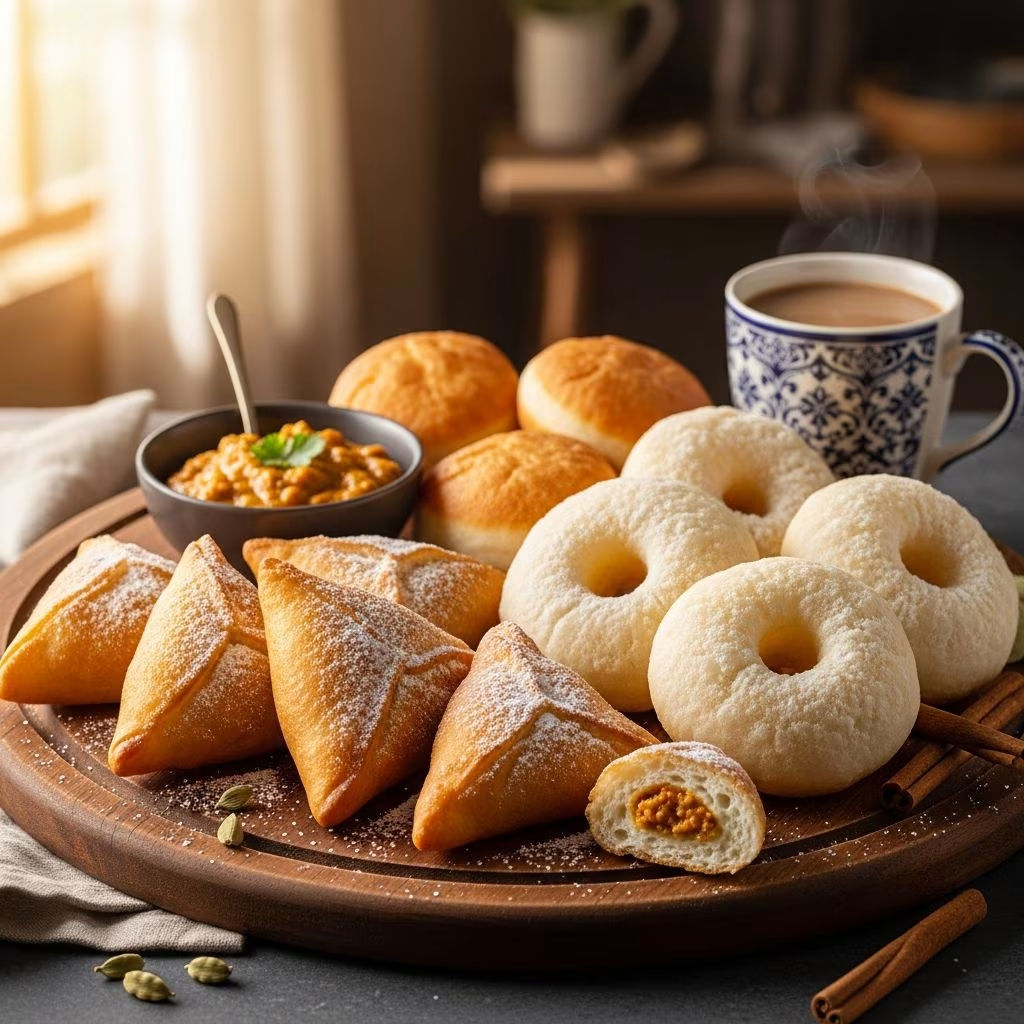
These golden, pillow-like fried breads hold a special place in East African culinary traditions, particularly along the Swahili coast of Kenya and Tanzania. Mandazi and Mahamri offer a perfect blend of subtle sweetness, aromatic spices, and tender texture, making them ideal for breakfast, snacks, or hearty meals.
The Cultural Roots of These Fried Treasures
Mandazi and Mahamri trace their origins to the Swahili people, whose cuisine reflects influences from Arab traders, Indian merchants, and indigenous African ingredients. These breads emerged as versatile staples in coastal communities, where coconut palms abound and spices like cardamom add exotic flair. Unlike Western doughnuts, they emphasize lightness and subtle flavors, often paired with savory accompaniments.
In Kenyan coastal regions, Mahamri stands out as a breakfast favorite, evoking mornings filled with the scent of frying dough and brewing tea. Families gather to enjoy them fresh, dunked in milky chai or alongside pigeon pea stew simmered in coconut milk. Inland versions of Mandazi adapt to simpler ingredients, showcasing the dish’s adaptability across diverse landscapes.
Key Differences Between Mandazi and Mahamri
While often used interchangeably today, traditional distinctions highlight unique regional identities. Mahamri, from the coast, incorporates thick coconut milk and cardamom for a richer, more fragrant profile. Mandazi, prevalent upcountry, relies on plain milk or water, resulting in a milder taste.
| Feature | Mandazi | Mahamri |
|---|---|---|
| Liquid Base | Milk or water | Coconut milk |
| Spices | Optional cardamom/cinnamon | Prominent cardamom |
| Shape | Round or puffed balls | Triangular often |
| Typical Pairing | Tea, stews | Pigeon peas, eggs |
These variations allow home cooks to experiment, blending elements for hybrid versions that capture the best of both worlds.
Essential Ingredients for Authentic Results
Building a successful batch starts with quality staples. All-purpose flour forms the backbone, providing structure without heaviness. Yeast ensures a soft, airy crumb, while sugar lends gentle sweetness.
- Flour: 3-4 cups all-purpose, sifted for lightness.
- Sweetener: ½ to 1 cup sugar, adjustable for preference.
- Leavening: 1 tsp instant or active dry yeast; some add baking powder for extra lift.
- Fats: Ghee, butter, or margarine (1-2 tbsp) for richness; oil for frying.
- Liquids: Warm milk or thick coconut milk (1-2 cups total).
- Flavorings: 1 tsp cardamom powder, optional cinnamon or nutmeg.
Fresh coconut milk elevates Mahamri—grate a mature coconut, blend with minimal water, and strain for creaminess. Eggs appear in some recipes for tenderness, though traditionalists skip them.
Step-by-Step Guide to Making Classic Mahamri
Patience yields fluffy results. Allow 2-3 hours total, including rising time.
Prepare the Dough
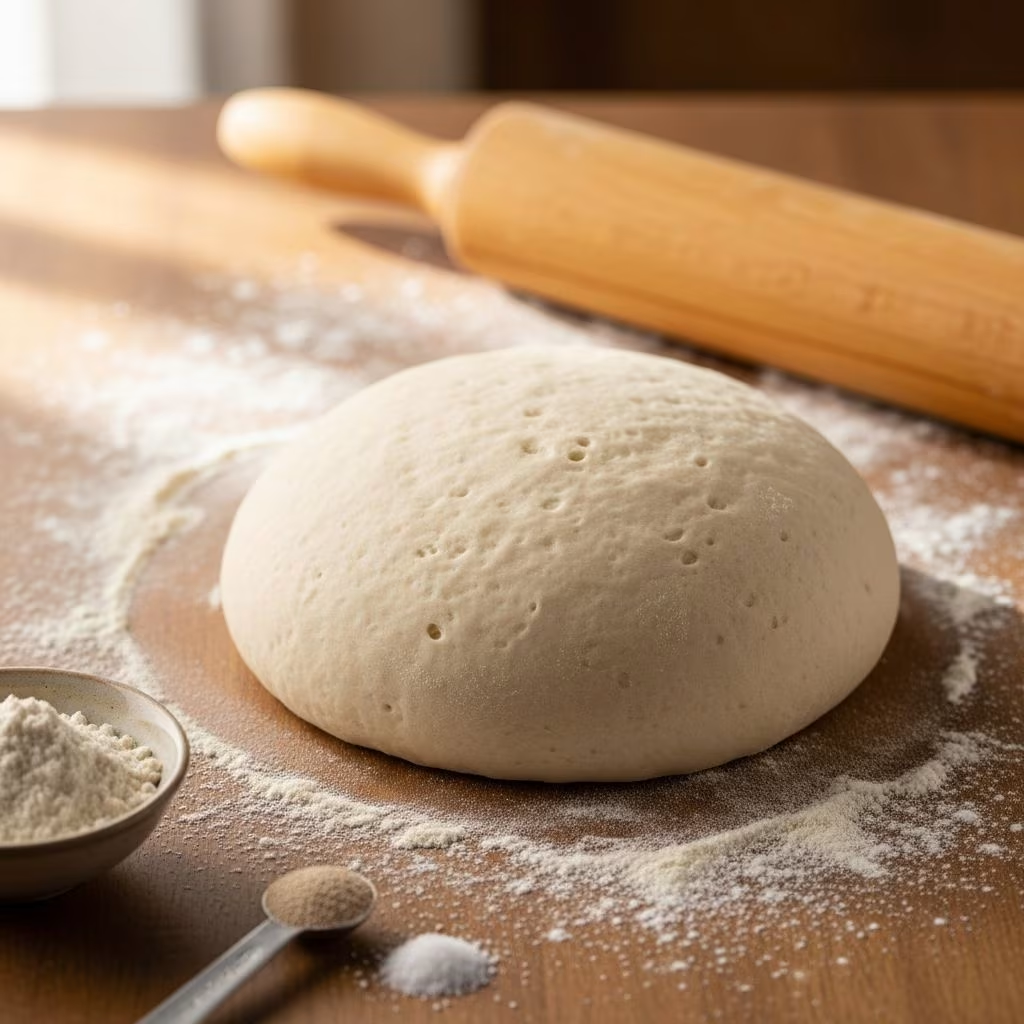
Sift 3 cups flour into a large bowl with 1 tsp cardamom, ½ cup sugar, and 1 tsp yeast. Rub in 2 tbsp ghee until crumbly. Warm ¼ cup milk slightly, mix with 1 cup thick coconut milk, and gradually incorporate into the flour. Knead 5-10 minutes until smooth and elastic. Grease a bowl, cover the dough, and let rise in a warm spot until doubled (1.5-2 hours).
Shape the Pieces
Gently deflate the dough on a floured surface. Divide into 6-8 balls. Roll each into a 6-inch circle, then cut into quarters or triangles for classic Mahamri shape. Cover loosely and rest 20-30 minutes for a final puff.
Fry to Golden Perfection
Heat neutral oil (like vegetable or canola) to 350°F (175°C)—test with a dough scrap; it should sizzle and rise immediately. Fry 3-4 pieces per batch over medium heat, turning once, until deep golden (2-3 minutes per side). Drain on paper towels. Avoid high heat to prevent raw centers.
Variations for Every Palate
Adapt these breads endlessly. For mini Mandazi-Mahamri hybrids, add ½ tsp baking powder and cinnamon alongside cardamom. Use beaten egg and less milk for denser, softer bites. Sourdough enthusiasts can substitute yeast with a mature starter for tangy depth.
Incorporate coconut powder (desiccated, rehydrated) for intensified flavor without fresh milk. Sweeten further for dessert versions, dusting with powdered sugar, or go savory by serving with spiced lentils.
Perfect Pairings and Serving Ideas
These breads shine in combination. Coastal style: Mahamri with mbaazi (pigeon peas in coconut milk). Upcountry: Mandazi split and filled with scrambled eggs or beans.
- Breakfast: Dunk in spiced tea or coffee.
- Main meal: Alongside chicken, fish, or vegetable curries in coconut sauce.
- Snack: Plain or with fruit preserves.
- Festive: Larger batches for weddings or holidays, sometimes stuffed with meat.
Store leftovers airtight for 2 days; reheat in a toaster oven to revive crispness. Freeze unbaked shapes for quick future batches.
Tips for Troubleshooting Common Issues
Achieve pro-level results with these fixes:
- Dense texture: Ensure yeast is fresh; proof in warm (not hot) liquid.
- Oil absorption: Maintain medium heat; drier dough reduces greasiness.
- Raw inside: Roll thinner (¼-inch) and fry longer at lower temp.
- Flat shape: Allow full rise; don’t over-knead post-proofing.
Humidity affects rising—adjust flour as needed for non-sticky dough.
Healthier Twists on Tradition
Modern adaptations include whole wheat flour (50% substitution) for fiber, or air-frying with minimal oil spray. Reduce sugar by half and pair with yogurt for balance. These maintain cultural essence while fitting wellness goals.
FAQs
Can I make Mandazi without yeast?
Yes, use baking powder (1 tsp per 3 cups flour) for quick versions, though texture will be denser.
What’s the best oil for frying?
Vegetable, canola, or sunflower—high smoke points prevent burning.
How long do they keep?
Fresh best day-of; refrigerate up to 3 days or freeze 1 month.
Gluten-free option?
Try a 1:1 gluten-free blend with xanthan gum, adding extra liquid.
Vegan version?
Swap ghee for coconut oil, use plant milk, omit egg.
References
- Mahamri Recipe and Coastal Kenyan Breakfast — Mayuris-Jikoni. 2021-06-22. https://mayuris-jikoni.com/2021/06/22/mahamri/
- How to Make Really Soft Mini Mandazi | Half Mandazi – Half Mahamri Recipe — Recipes and Hospitality with Clara (YouTube). Accessed 2026. https://www.youtube.com/watch?v=4B-Cwu-zoVY
- Famous Swahili Mandazi/Mahamri Recipe – The Ultimate East African — YummyWithMummy (YouTube). Accessed 2026. https://www.youtube.com/watch?v=7c0VHHnitxM