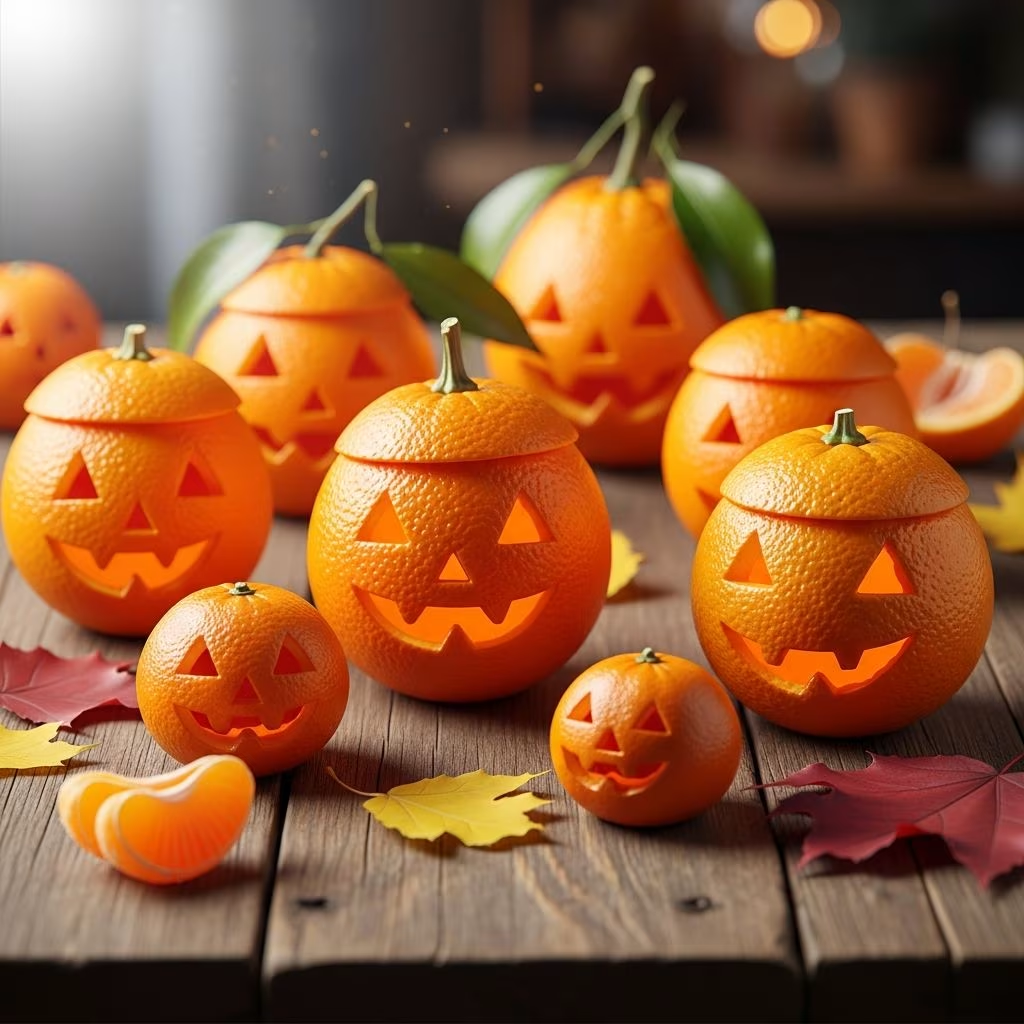
When autumn arrives and Halloween decorations begin appearing in stores, families often seek creative ways to celebrate without relying solely on traditional candy-filled festivities. One delightful solution has emerged as a favorite among parents and educators: transforming simple mandarin oranges into charming pumpkin-shaped creations. This approach combines nutritional value, creative play, and festive appeal into a single, easy-to-prepare snack that appeals to both children and adults.
Why Mandarin Oranges Make Perfect Festive Creations
Mandarin oranges possess several characteristics that make them ideal candidates for this creative transformation. Their natural bright orange color immediately evokes autumn imagery and pumpkin associations, requiring no artificial coloring or enhancement. The fruit’s compact, rounded shape mimics a miniature pumpkin when viewed from certain angles, and their generally consistent sizing allows for uniformity when preparing multiple pieces.
Beyond their aesthetic qualities, mandarin oranges offer significant nutritional advantages. These citrus fruits contain vitamin C, which supports immune function, and provide natural dietary fiber when consumed whole or in segments. Unlike traditional Halloween candy, which consists primarily of refined sugars and artificial additives, mandarins deliver genuine nutritional value alongside their visual appeal. The ease of peeling—a characteristic that makes these fruits popular with younger children—adds another layer of convenience for both preparation and consumption.
The Fundamental Two-Ingredient Version
The most straightforward adaptation requires only two components: mandarin oranges and a stem element. This minimalist approach appeals to busy families, those managing multiple dietary restrictions, and anyone seeking quick preparation methods. The beauty of this version lies in its simplicity and accessibility—nearly all households have access to these basic elements, and preparation takes mere minutes.
Essential Components:
- Fresh mandarin oranges, clementines, tangerines, or small navel oranges (approximately 12 pieces for a standard batch)
- Vegetable stem material for the pumpkin “stem”—either cucumber slices or celery stalks
The vegetable stem selection offers flexibility based on available ingredients and personal preferences. English cucumber, sometimes labeled burpless cucumber, provides a milder flavor and more subtle appearance, while regular cucumber offers broader availability. Celery stalks, conversely, impart a slightly more pronounced flavor and create a firmer stem structure.
Step-by-Step Assembly Instructions
Preparation Phase:
- Begin by washing all mandarin oranges thoroughly under running water and patting them dry with a clean towel. This removes any residual dirt or surface contaminants.
- Gently peel each mandarin using your thumbnail to create an initial break in the skin at the top, then carefully separate the peel from the fruit flesh. The stem area should remain intact and smooth.
- Select your vegetable stem material and prepare it according to your chosen option.
Creating the Stem:
For cucumber preparation, cut a thin slice (approximately ½ inch thick) from the vegetable and place it flat on a cutting surface. Using a sharp knife, slice this section into narrow wedges, roughly ¼ inch wide. Carefully trim away the center portion of each wedge, leaving a stem-like shape that resembles a pumpkin handle or crown.
For celery, cut a similar-thickness slice and then vertically cut through it to create individual stem pieces. This method produces naturally longer, thinner stems that work particularly well for larger mandarin oranges.
Final Assembly:
Once your vegetable stems are prepared, simply push one stem firmly into the top center of each mandarin orange. The stem should fit snugly enough to remain in place but not so forcefully that it splits the fruit. Your mandarin pumpkins are now ready for serving, storing, or transporting.
Enhanced Variations for Creative Expression
While the basic two-ingredient version satisfies many occasions, creative cooks often explore embellishments that add visual interest and flavor complexity without substantially increasing preparation time.
Chocolate Accent Method:
A popular enhancement involves drizzling melted chocolate across the mandarin’s surface, creating vertical lines that resemble carved pumpkin ridges. This variation requires only ¼ cup of chocolate chips melted and a basic drizzling technique. For additional visual detail, some preparations include using a small implement to add chocolate “eyes” or other facial features to the fruit.
Another chocolate-based approach involves dipping pretzel stick halves into melted chocolate and allowing them to cool before inserting them as stems. This creates a sweet-salty combination and adds textural variety.
Textural Combinations:
Some creative adaptations incorporate pretzel sticks directly into the mandarin without chocolate coating, offering a crunchy element that contrasts with the soft fruit. This variation appeals particularly to children who enjoy varied textures in their foods.
Nutritional Profile and Health Considerations
Understanding the nutritional composition of these treats helps parents make informed dietary choices. A single peeled mandarin typically contains approximately 37 calories, making it an exceptionally low-calorie snack option compared to traditional Halloween candies. The fruit provides natural sugars that satisfy sweet cravings without the concentrated caloric density of processed sweets.
Mandarin oranges contain vitamin C, supporting collagen production and immune system function. They also provide dietary fiber, which aids digestive health and promotes satiety. The natural pectin present in citrus fruits contributes to overall digestive wellness. For individuals managing blood sugar levels, the natural sugars in mandarins arrive packaged with fiber, which moderates glucose absorption compared to isolated refined sugars.
When chocolate enhancements are added, the overall nutritional profile shifts slightly. Dark chocolate, particularly varieties containing 70% cacao or higher, provides antioxidants called flavonoids, though this benefit must be weighed against increased calories and sugar content. Portion control becomes relevant when chocolate is incorporated.
Practical Implementation for Various Settings
School and Classroom Environments:
These creations work exceptionally well as classroom treats because they address common school-based dietary considerations. Most schools accommodate fruit snacks without issue, unlike candy-based treats which face restrictions in increasingly health-conscious educational settings. Their individual, contained nature makes distribution and consumption straightforward without creating mess or disruption.
Lunchbox Integration:
Parents appreciate these treats for inclusion in daily lunch preparations because they transport easily without refrigeration requirements (though they keep better if kept cool) and don’t create sticky residue on other food items. The peeled orange nature means children can consume them without additional preparation during lunch periods.
Party and Social Gatherings:
For Halloween parties hosting multiple attendees, these creations provide an attractive, conversation-starting addition to refreshment tables. Their small individual size makes them ideal for self-service settings, and their festive appearance photographs well for social media sharing.
Storage and Advance Preparation Strategies
Unlike many food craft projects requiring last-minute assembly, mandarin pumpkins accommodate advance preparation to varying degrees. Peeled oranges can be refrigerated in airtight containers for 1-2 days, though their texture begins deteriorating if stored longer. Vegetable stems can be prepared 1-2 days in advance and refrigerated separately. Final assembly, however, should occur closer to serving time to ensure stem freshness and optimal appearance.
For those planning extended advance preparation, stems can be prepared several days ahead, but optimal results occur when stems are inserted within a few hours of serving. If chocolate enhancements are included, the chocolate coating can be applied 1-2 days prior, though the treats store best in cool conditions.
Addressing Common Preparation Questions
What mandarin varieties work best?
Clementines, tangerines, and branded varieties like “Cuties,” “Halos,” or “Sweeties” all perform excellently. Small navel oranges work, though their slightly larger size may require longer stem pieces. Consistency in fruit sizing produces more visually uniform results when preparing multiple pieces.
Can this concept work for dietary restrictions?
Absolutely. The basic fruit-and-vegetable version accommodates virtually all dietary frameworks—vegan, vegetarian, gluten-free, and numerous allergy profiles. Even chocolate-enhanced versions can be adapted using dairy-free chocolate alternatives when necessary.
What if stem material isn’t perfectly fresh?
Slightly aged vegetables still function structurally but may offer less crispness. For best results, use vegetables prepared within a day of assembly. Fresher stems maintain their visual appeal longer.
How do these compare to other seasonal treat options?
Compared to traditional candy-based Halloween treats, mandarin pumpkins provide substantially more nutritional value and fewer calories. They also encourage creative participation, particularly when children assist with preparation, adding educational and entertainment value beyond simple consumption.
Engaging Children Through Creative Participation
One often-overlooked benefit involves the preparation process itself. Creating these treats offers opportunities for children to engage with food preparation, develop fine motor skills through peeling and cutting activities, and participate in creative decoration processes. This hands-on involvement can increase children’s enthusiasm for consuming the finished product and foster positive associations with fruit consumption.
Older children can handle most preparation tasks independently or with minimal supervision, while younger children can assist with stem insertion or chocolate drizzling under adult guidance. This scalability makes the activity adaptable across various age groups and skill levels.
Seasonal Adaptability and Extended Use
While these creations specifically address Halloween celebrations, their fundamental concept adapts to other seasonal occasions. Autumn-themed gatherings, fall harvest celebrations, and even Thanksgiving preparations can incorporate mandarin fruit arrangements using similar techniques. The flexible nature of the decorative elements allows customization based on specific occasions—different stem styles, varied chocolate patterns, or alternative embellishments create visual variety while maintaining the core concept’s simplicity.
References
- Healthy Halloween Treats With Dracula Citrus — Dracula Citrus. Accessed April 2026. https://draculacitrus.com/healthy-halloween-treats-with-dracula-citrus/
- Mandarin Orange “Pumpkin” Treats (Healthy Halloween Snack) — Grits and Gouda. Accessed April 2026. https://gritsandgouda.com/mandarin-orange-pumpkin-treats-healthy-halloween/
- Halloween Snacks: Mandarin Pumpkins — Delightful Mom Food. Accessed April 2026. https://delightfulmomfood.com/halloween-snacks-mandarin-pumpkins/