The Strategic Advantage of Advance Potato Preparation
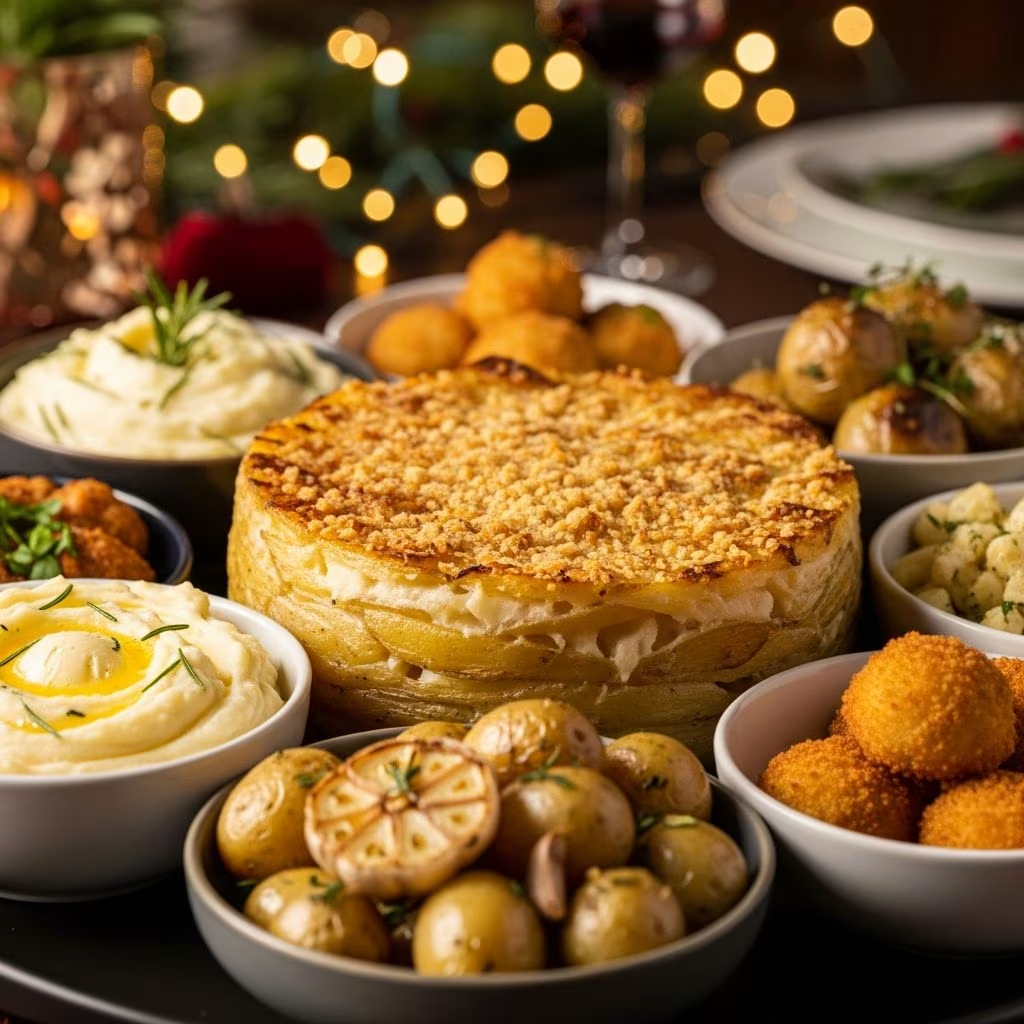
When hosting gatherings or preparing holiday meals, managing oven space and cooking timelines becomes increasingly complex. One solution that simplifies kitchen operations significantly involves preparing your starch component in advance. Creamy mashed potatoes represent an ideal candidate for this approach, as they retain their quality remarkably well when properly stored and reheated. This advance preparation strategy eliminates last-minute stress while maintaining the luxurious texture and rich flavor that makes this dish a beloved centerpiece on any dining table.
The beauty of preparing mashed potatoes ahead of time lies in their remarkable stability. Unlike delicate dishes that deteriorate when refrigerated, properly prepared potatoes actually benefit from time in cold storage, as their flavors meld together harmoniously. Whether you’re hosting Thanksgiving dinner, planning a wedding reception menu, or simply organizing a busy weeknight meal, understanding the mechanics of advance potato preparation transforms your approach to entertaining.
Understanding Ingredient Ratios for Optimal Consistency
The foundation of successful advance preparation begins with understanding how different components contribute to the final texture and flavor. The ratio of potatoes to dairy products determines whether your finished dish achieves that coveted silky consistency or becomes dense and heavy.
The Core Ingredient Foundation
Begin with russet potatoes, which contain higher starch content compared to waxy varieties. For a standard serving of eight to twelve portions, five pounds of russet potatoes provides an excellent starting point. These potatoes, when peeled and cut into uniform two-inch chunks, cook evenly and mash to a smooth consistency.
The dairy component deserves careful consideration. A combination of butter, cream cheese, and either heavy cream or half-and-half creates a luxurious mouthfeel that distinguishes exceptional mashed potatoes from ordinary versions. The interplay between these ingredients matters significantly:
- Butter contributes essential fat and flavor complexity, with twelve tablespoons (one and one-half sticks) providing richness without overwhelming the palate
- Cream cheese adds tangy depth and creaminess, with eight ounces creating a subtle flavor dimension that sets these potatoes apart
- Half-and-half (one cup heated) provides the liquid component necessary for achieving smooth texture without creating a soupy consistency
Some preparations substitute or augment these components with sour cream or whole milk, each modification producing distinct textural and flavor outcomes. The specific dairy choices should reflect your audience’s preferences and dietary considerations.
Preparation Methods: Two Distinct Approaches
Two primary cooking techniques yield exceptional results, and each offers particular advantages for advance preparation.
The Boiling Methodology
Traditional boiling remains the most common approach. Place peeled and quartered potatoes in a large pot, cover with water, add salt to the water, and bring to a vigorous boil. Reduce heat and simmer for fifteen to twenty minutes until potatoes become fork-tender. This method requires careful attention to avoid overcooked potatoes that absorb excess water and become watery when mashed.
After draining thoroughly in a colander, return the hot potatoes to the dry pot. Mash over low heat briefly to allow residual steam to escape, which prevents excess moisture from diluting your finished dish. This step proves crucial for achieving the correct consistency when preparing potatoes ahead of time.
The Oven-Roasting Methodology
A superior but less commonly employed technique involves baking whole potatoes directly on the oven rack. Preheat your oven to four hundred fifty degrees, prick each potato several times with a fork to allow steam escape, and bake for fifty to sixty minutes until the potatoes yield completely to pressure. This method concentrates flavors and eliminates excess moisture, yielding naturally drier potatoes that respond beautifully to the addition of cream and butter.
Once baked, cut each potato in half lengthwise and scoop the flesh into a mixer bowl, being careful to exclude the tougher flesh near the skin. Break the hot potato flesh into small pieces using a fork or potato masher before beating on low speed until completely smooth. This baked method produces noticeably superior texture compared to boiled potatoes, justifying the additional cooking time.
The Mixing and Combining Process
Regardless of which cooking method you select, the subsequent mixing process determines whether your potatoes achieve that prized silky consistency or become gluey and dense.
Critical Timing Considerations
Temperature matters profoundly during this stage. Always mash potatoes while they remain hot from cooking. Cold potatoes resist smooth mashing and produce grainy, lumpy results that no amount of effort can correct. The heat from freshly cooked potatoes softens their cell structure, making them receptive to the mashing and mixing process.
The Folding Technique
Rather than stirring or beating the liquid components into mashed potatoes, use a folding motion with a large rubber spatula. This gentle technique prevents the gluten development that transforms smooth potatoes into an undesirable gluey texture. Simultaneously warm your butter and cream in a small saucepan over medium heat, bringing the mixture to a simmer. Gradually fold this hot mixture into the mashed potatoes, taking several minutes to fully incorporate all liquid.
Add your softened cream cheese by mashing it thoroughly into the potatoes, then fold in the warm half-and-half or cream mixture. Season with salt, white pepper, and any optional ingredients such as dried minced onion. Taste the mixture and adjust seasonings to your preference before transferring to your storage container.
Storage and Timeline Planning
The advance preparation advantage only materializes if your storage approach preserves quality throughout the refrigeration period.
Container Selection and Coverage
Transfer your finished mashed potatoes to a nine-by-thirteen-inch casserole dish or similar microwave-safe container. Cover this container tightly with plastic wrap, ensuring the wrap makes complete contact with the potato surface. This direct contact prevents moisture loss and oxidation that dulls flavor and changes texture. Some preparations prefer aluminum foil, which equally effectively seals the container.
Duration and Temperature Control
Properly prepared and stored mashed potatoes maintain excellent quality for up to three days in standard refrigeration temperatures (around forty degrees Fahrenheit). This three-day window provides substantial flexibility for meal planning. You might prepare potatoes on Tuesday to serve on Thursday, or prepare them days before a weekend gathering.
Do not freeze prepared mashed potatoes, as freezing fundamentally alters their texture upon thawing, creating a grainy, separated consistency that cannot be restored to its original quality.
Reheating Strategies for Optimal Results
The reheating method you select significantly impacts whether your potatoes emerge perfect or disappointing.
Microwave Reheating Technique
This method suits smaller quantities and individual servings. Using a knife tip, poke approximately ten holes in the plastic wrap covering your cold potatoes. Microwave at medium-high power (approximately seventy-five percent) until the potatoes reach serving temperature, which typically requires about fourteen minutes. Stir halfway through the reheating time to ensure even heat distribution.
Oven Reheating Approach
For larger quantities, particularly when serving eight or more people, oven reheating produces superior results. Remove the potatoes from refrigeration and allow them to reach room temperature for approximately thirty minutes before beginning the heating process. Preheat your oven to three hundred fifty degrees.
Cover the casserole dish tightly with aluminum foil and bake for thirty-five to forty-five minutes until the potatoes heat through completely. For a golden brown top, remove the foil during the final minutes of baking. Some preparations suggest adding extra butter and cream to the top surface before reheating, which creates richness and helps prevent the top layer from drying during the heating process.
Flavor Enhancement and Customization Options
While the classic combination of butter, cream cheese, and cream provides excellent results, numerous variations accommodate different preferences and dietary needs.
Ingredient Substitution Guidelines
| Base Component | Standard Ingredient | Alternative Options |
|---|---|---|
| Dairy Liquid | Half-and-half (1.5 cups) | Whole milk + heavy cream blend or pure heavy cream (use less as it’s thicker) |
| Cheese Component | Cream cheese (8 oz) | Omit entirely for lighter version |
| Butter | 12 tablespoons unsalted | Reduce to 8 tablespoons for lighter version |
| Additional Protein | None standard | Sour cream (1 cup) for tanginess |
Flavor Profile Modifications
Dried minced onion provides subtle savory depth without creating texture irregularities. Approximately two tablespoons of this ingredient integrates seamlessly into your base recipe. Fresh herbs such as chives, parsley, or rosemary complement mashed potatoes beautifully when added just before serving, as cooking diminishes their delicate flavors. Paprika sprinkled across the top adds visual appeal and subtle warmth.
Frequently Asked Questions
Can I double this recipe for larger gatherings?
Absolutely. The ingredient ratios remain consistent when scaling upward. Double all components to serve twenty to twenty-four people. Extend the baking time slightly when reheating larger quantities, checking for complete heat distribution throughout the casserole.
What if my potatoes become too thick after refrigeration?
Cold potatoes naturally become firmer as the starches set. During reheating, add small amounts of warm cream or butter to restore the desired consistency. Stir well to distribute additional liquid evenly throughout the mixture.
Can I use different potato varieties?
Russet potatoes offer the ideal starch-to-water ratio for this preparation. Waxy varieties like red potatoes contain less starch and produce grainier results. Yellow potatoes provide acceptable alternatives if russets are unavailable.
How do I prevent a crust from forming on the surface during storage?
Ensure your plastic wrap makes direct contact with the potato surface, eliminating all air pockets. The plastic creates a seal that prevents oxidation and moisture loss that create crusty layers.
Can I prepare these potatoes partially in advance?
Yes, you can cook and peel potatoes up to one day ahead, then mash and combine with other ingredients on the day before serving. However, mixing the potatoes while they are hot produces superior texture, so this partial approach requires compromise in final quality.
Hosting Benefits and Practical Applications
The primary advantage of advance potato preparation manifests most dramatically during complex entertaining situations. Holiday meals involving multiple dishes requiring oven access become significantly more manageable when your starch component is complete and merely requires reheating. This approach eliminates the competition for burner space on your stovetop and provides psychological comfort knowing one significant component is complete and stored safely.
Professional caterers and restaurant kitchens employ this exact technique because it allows flexibility in kitchen operations while maintaining consistent quality. Home entertainers discover the same benefits: reduced stress, more time for social interaction with guests, and confidence that this essential component will emerge perfect from your preparation efforts.
The ability to prepare these potatoes three days in advance transforms your planning capacity for seasonal entertaining, weekend gatherings, and ordinary weeknight dinners when advance preparation saves precious time. Once you master this technique, you’ll discover that properly prepared mashed potatoes actually taste superior to those made on the day of serving, as the flavors deepen and integrate during refrigeration.
References
- Make-Ahead Mashed Potatoes — No. 2 Pencil. Accessed April 2026. https://www.number-2-pencil.com/make-ahead-mashed-potatoes-5/
- Creamy Make-Ahead Mashed Potatoes — Once Upon a Chef. Accessed April 2026. https://www.onceuponachef.com/recipes/creamy-make-ahead-mashed-potatoes.html
- Creamy Make-Ahead Mashed Potatoes: Classic Southern Recipe — The Tipsy Housewife. December 2024. https://thetipsyhousewife.org/2024/12/03/make-ahead-mashed-potatoes/
- Creamy Make Ahead Mashed Potatoes — Averie Cooks. Accessed April 2026. https://www.averiecooks.com/creamy-make-ahead-mashed-potatoes/