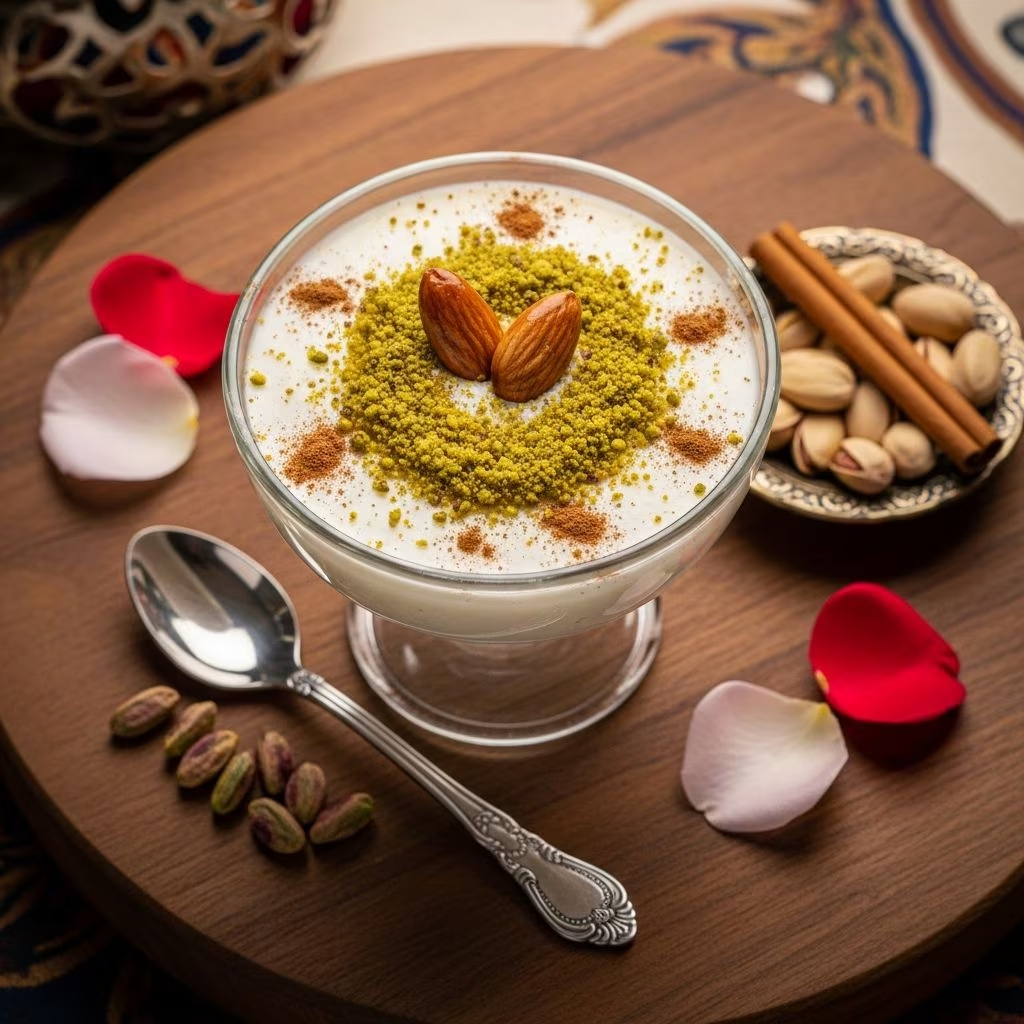
Among the treasured desserts of Middle Eastern cuisine, few dishes offer the combination of simplicity and elegance that mahalabia provides. This creamy milk pudding has graced tables throughout the Arab world for generations, appearing at festive celebrations, family gatherings, and intimate dinners alike. What makes mahalabia particularly special is its remarkable ability to transform basic pantry staples into a sophisticated dessert that tastes far more complex than its humble ingredient list suggests.
Understanding Mahalabia’s Origins and Cultural Significance
Mahalabia, also spelled muhallebi or mahallabia, represents one of the classical desserts that bridges the culinary traditions of various Middle Eastern and Mediterranean cultures. The dessert’s presence across multiple cuisines speaks to its enduring appeal and the widespread appreciation for its delicate texture and subtle flavors. From the Levantine region to Egypt and beyond, mahalabia has maintained its position as a beloved dessert that transcends geographic and generational boundaries.
The dish’s popularity intensifies during significant cultural and religious occasions. During Ramadan, when families gather to break their fast, mahalabia appears on tables as a refreshing conclusion to evening meals. Its cool, creamy nature provides comfort after a long day of fasting, while its light composition prevents the heaviness that can follow more substantial desserts. Similarly, during Eid celebrations and Nowruz festivities, mahalabia features prominently, making it not merely a dessert but a culinary expression of cultural identity and tradition.
The Science Behind the Simplicity: Core Ingredients Explained
What distinguishes mahalabia from other custard-based desserts is the deliberate minimalism of its ingredient profile combined with the precision required in their combination. The foundation of every mahalabia consists of four essential components, though variations expand this base depending on personal preference and regional tradition.
Milk forms the primary ingredient, typically whole milk with its full fat content preserved to ensure richness and body. The fat content directly influences the final texture and mouthfeel of the finished dessert, making premium whole milk a worthwhile investment for superior results. Some preparations incorporate evaporated milk or condensed milk alongside fresh milk, creating additional depth and creaminess that fresh milk alone cannot achieve.
Cornstarch serves as the thickening agent, transforming the liquid milk into a pudding with a distinctive velvety consistency. Rice flour offers an alternative for those seeking a slightly different texture profile. The starch granules swell when heated, absorbing the liquid and creating the characteristic smooth, custard-like body that defines properly made mahalabia. The amount of starch determines the final consistency, allowing cooks to adjust between a pourable sauce and a firm pudding depending on personal preference.
Sugar provides sweetness, though the amount varies based on whether other sweetened components appear in the recipe. When using condensed milk’s inherent sweetness, cooks reduce or eliminate additional sugar to prevent overwhelming the palate. This flexibility makes mahalabia adaptable to different dietary preferences and taste sensibilities.
Flavoring elements elevate mahalabia from simple to sublime. Ground cardamom introduces warmth and complexity, while rose water and orange blossom water add floral delicacy that makes mahalabia instantly recognizable as a Middle Eastern creation. These flavoring choices reflect centuries of spice trade influences and the sophisticated palate development that characterizes Arab culinary traditions.
Step-by-Step Preparation: From Ingredients to Dessert
Creating mahalabia requires attention to technique despite the ingredient simplicity. Understanding each step ensures consistent, professional results every time.
Initial Preparation and Mixing
The process begins by creating a smooth paste with cornstarch and a small portion of cold milk. This crucial step prevents lumps from forming when the starch eventually encounters heat. Using cold milk maintains the starch granules in their raw state, allowing them to integrate evenly throughout the mixture. Once the paste achieves smoothness, it combines with the remaining milk, any cream or additional dairy, and the sugar.
Heating and Thickening
The combined mixture transfers to a heavy-bottomed pot, crucial for even heat distribution and burn prevention. Medium heat initiates the cooking process, with continuous stirring breaking any lumps that begin forming. After approximately five minutes, visible thickening occurs as starch granules swell and absorb liquid. The transformation from thin liquid to pudding happens gradually but noticeably, requiring careful attention to prevent overcooking or burning.
Heat reduction to medium-low continues the cooking process for an additional five minutes, during which the mixture reaches its target consistency. Gentle stirring without whisking prevents bubble incorporation that would compromise the smooth, refined appearance essential to mahalabia’s appeal. The moment when the pudding resembles thick custard signals completion of the cooking phase.
Flavor Integration and Cooling
Once removed from heat, flavoring components integrate quickly into the warm pudding, distributing evenly throughout. The warm mixture then cools to room temperature before transfer to serving vessels or a large dish. Covering with plastic film prevents a skin from forming on the surface—a consideration important to texture purists who prefer uninterrupted smoothness throughout.
Flavor Variations and Customization Options
While traditional mahalabia relies on specific flavor profiles, creative cooks have developed numerous variations that honor the dessert’s essential character while introducing personal touches.
| Flavor Profile | Primary Ingredient | Complementary Elements | Best Served With |
|---|---|---|---|
| Classic Cardamom | Ground cardamom (1-2 teaspoons) | None required | Chopped pistachios, almonds |
| Rose Water Elegance | Rose water (1 tablespoon) | Edible rose petals | Ground nuts, rose petals |
| Orange Blossom | Orange blossom water (1 tablespoon) | Optional citrus zest | Pistachios, dried fruit |
| Condensed Sweetness | Condensed milk (1 cup) | Omit added sugar | Fresh berries, nuts |
Making Mahalabia Your Own: Recipe Adjustments
Beyond basic flavor variations, several modifications adapt mahalabia to specific dietary needs or taste preferences. Those preferring less sweetness naturally reduce the sugar quantity or rely entirely on condensed milk’s inherent sweetness, which provides adequate sweetness without additional granulated sugar.
The cream component, while enriching the dessert with luxury and depth, remains optional. Substituting milk for cream maintains the pudding’s essential character while reducing fat content for those monitoring dietary intake. This flexibility demonstrates mahalabia’s adaptability to diverse culinary requirements and personal preferences.
Those without cardamom can experiment with other warming spices, though traditional preparations maintain cardamom as the signature flavor. The experimentation process itself becomes part of the cooking journey, allowing home cooks to discover personal flavor preferences that make their version of mahalabia uniquely theirs.
Make-Ahead Advantages and Storage Considerations
One of mahalabia’s greatest practical advantages involves its make-ahead capability. The dessert actually improves with overnight refrigeration, as flavors meld and the texture achieves perfect consistency. This characteristic makes mahalabia ideal for entertaining, allowing hosts to prepare the dessert well in advance of serving time.
Proper storage in covered containers prevents the formation of surface skin and protects the pudding from absorbing refrigerator odors. Mahalabia maintains quality for several days when properly covered, making it suitable for meal prep and advance party preparation. The cold serving temperature means no last-minute reheating or final preparation is necessary—a significant advantage when managing multiple dishes for gatherings.
Garnishing for Visual Impact and Textural Interest
While mahalabia stands complete as a simple pudding, thoughtful garnishing transforms it into an elegant presentation worthy of special occasions. Chopped or sliced pistachios provide both visual appeal and textural contrast, while other nuts including almonds, walnuts, or hazelnuts offer alternatives based on regional preference or availability.
Edible rose petals scattered across the surface evoke sophistication and underscore the dessert’s floral flavor connections. Shredded coconut, dried fruits, or fresh berries introduce additional dimensions when selected to complement the pudding’s primary flavors. The garnish remains separate until serving time, added just before the dessert reaches the table to maintain its integrity and appeal.
Troubleshooting Common Mahalabia Challenges
Understanding potential pitfalls helps prevent them in future preparations. Lumpy texture results from inadequate stirring during the initial heating phase or failure to properly dissolve cornstarch before cooking. Preventing this requires patient, thorough mixing before heat application and attentive stirring throughout cooking.
Burnt milk flavor or burnt particles indicate heat that was too high, inadequate stirring, or an insufficiently thick pot bottom. Using a heavy-bottomed pot and maintaining medium to medium-low heat throughout cooking prevents this common problem. Avoid scraping the pot bottom while stirring, as this can resuspend burnt particles into the mixture.
Overly thin consistency suggests insufficient cooking time or inadequate starch-to-liquid ratio. Extending cooking time allows starch to fully gelatinize and thicken the mixture appropriately. Future batches may require slightly increased starch if thinness persists.
Serving Mahalabia: Occasions and Presentations
Mahalabia’s versatility extends to serving contexts. Individually portioned cups create elegant presentations for formal dinners, while family-style serving in a large dish encourages casual gathering. The cool, refreshing nature makes mahalabia suitable for warm weather entertaining, though its elegant character suits any season.
Following substantial meals, mahalabia’s light composition prevents overwhelming fullness while satisfying dessert cravings. Its subtle sweetness complements coffee or tea service, making it ideal for afternoon gatherings or after-dinner service. During Ramadan and festival celebrations, mahalabia connects diners to cultural traditions while providing comfort and satisfaction.
Nutritional Considerations and Ingredient Quality
Mahalabia’s nutritional profile reflects its simple, wholesome ingredients. Full-fat milk provides calcium, protein, and fat-soluble vitamins essential for nutrition. The modest sugar content keeps the dessert within reasonable parameters for special-occasion indulgence, especially compared to more elaborate desserts.
Selecting quality ingredients directly impacts the final result. Premium milk produces noticeably better pudding than inferior alternatives, while fresh spices deliver superior flavor compared to aged cardamom or stale rose water. These relatively modest investments in quality yield significant improvements in the finished dessert.
Frequently Asked Questions About Mahalabia
Can mahalabia be made without cream? Yes, milk alone produces satisfactory results, though cream adds richness and depth that elevates the experience. One cup of milk substitutes directly for cream when dietary restrictions require cream elimination.
How long can mahalabia be stored? Properly covered mahalabia maintains quality for three to four days in the refrigerator. Beyond this timeframe, quality gradually diminishes.
What’s the difference between cornstarch and rice flour? Both thicken effectively, though rice flour produces slightly different texture that some prefer. Experimentation helps determine personal preference.
Can sugar be eliminated entirely? When using condensed milk, sugar elimination works well. Using fresh milk alone requires some sweetening for adequate flavor balance.
Is mahalabia suitable for special diets? Dairy-free versions are possible using plant-based milk alternatives, though texture and flavor differ from traditional preparations. Gluten-free preparation succeeds using cornstarch or rice flour, both naturally gluten-free.
Conclusion: Appreciating Mahalabia’s Timeless Appeal
Mahalabia endures as a beloved Middle Eastern dessert because it delivers sophisticated results from simple components, requires minimal technical skill, and adapts gracefully to personal preferences and dietary needs. Whether served during celebrations, casual gatherings, or intimate family meals, mahalabia connects people to cultural traditions while providing pure culinary satisfaction. Its make-ahead capability, elegant presentation, and delicate flavor profile make it worthy of becoming a regular addition to any home cook’s dessert repertoire.
References
- The Role of Cornstarch in Culinary Applications — Culinary Institute of America. 2024. Professional cooking techniques document.
- Traditional Middle Eastern Desserts: Cultural Significance and Preparation Methods — Food and Beverage International. 2023. Academic culinary resource on regional cuisines.