The foundation of West African cuisine rests upon a single, unassuming ingredient: the peanut. Transformed through generations of culinary expertise, peanuts become the star of mafé, a rich and complex sauce that has nourished families across Senegal, Mali, Gambia, and beyond. This beloved dish represents far more than a simple meal—it embodies cultural heritage, family gatherings, and the resourcefulness of West African cooking traditions. Whether served over rice or alongside vegetables, mafé remains a testament to how humble ingredients can create extraordinary flavors when prepared with knowledge and care.
Understanding the Essence of Mafé
Mafé, known alternatively as maafe or groundnut soup among West African communities, represents a sophisticated balance of savory, nutty, and slightly sweet flavor profiles. The dish’s complexity emerges not from exotic ingredients but from the thoughtful combination of everyday staples transformed through proper preparation and cooking technique. The peanut sauce foundation creates a velvety medium that carries aromatics and spices throughout tender meat and vegetables, resulting in a one-pot meal that satisfies both hungry appetites and culinary curiosity.
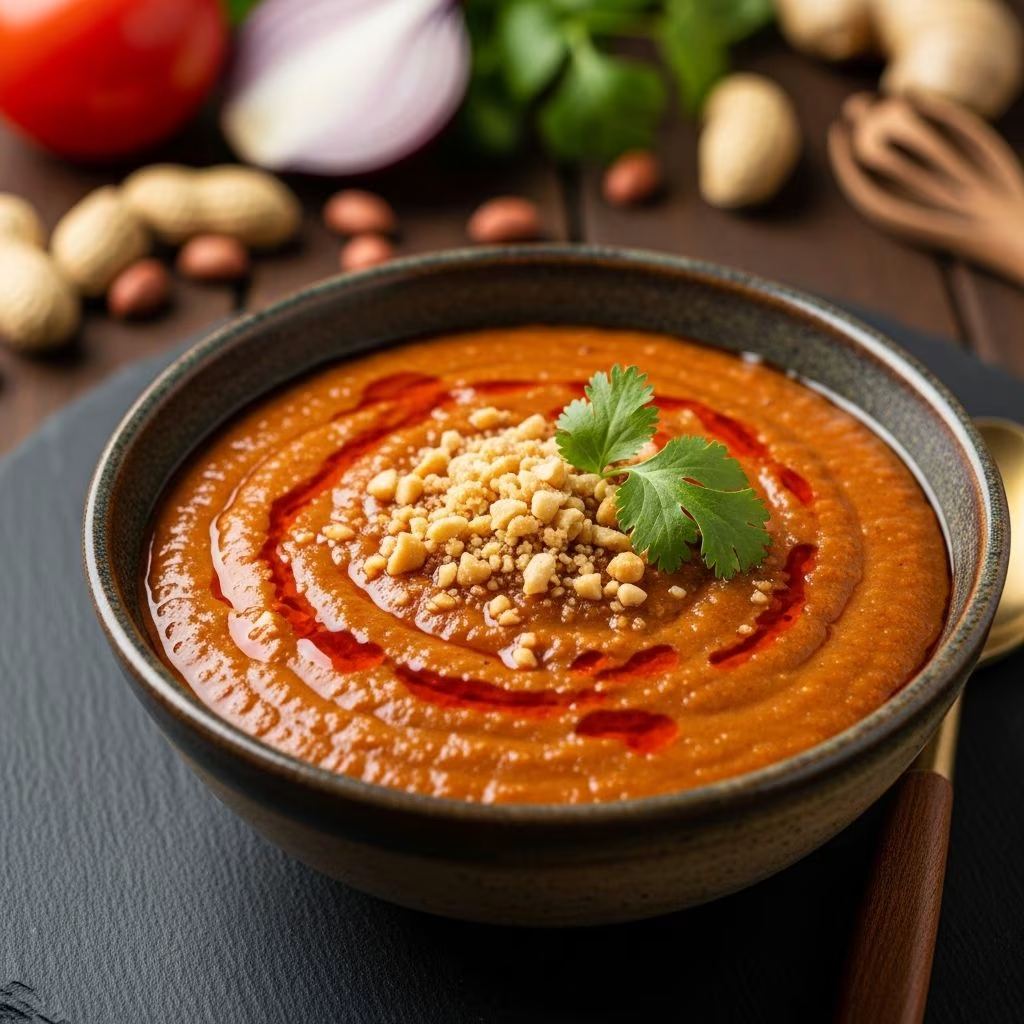
The sauce itself develops character through the marriage of roasted peanut butter or ground peanuts with tomatoes, creating a naturally vibrant orange hue that signals both earthiness and brightness. This color transformation serves as a visual cue to the dish’s layered flavors, where the tomato’s acidity balances the peanut’s richness, and spices contribute warmth and complexity.
Essential Ingredients for Authentic Preparation
Creating authentic mafé requires understanding how each ingredient contributes to the final dish. Rather than viewing ingredients as isolated components, West African cooking traditions emphasize their interplay and how they build upon one another throughout the cooking process.
Protein Foundation
The protein component varies based on regional preference and availability. Beef, lamb, mutton, duck, and chicken all feature prominently in different preparations, with stewing cuts providing the best results due to their ability to become tender during extended cooking while releasing gelatin that enriches the sauce. Chuck roast, oxtail, and duck portions are particularly prized for their flavor contribution and texture development.
The Peanut Element
The quality of peanut product directly impacts the final dish. Natural, unsweetened peanut butter works best for authenticity, though some cooks prefer roasted ground peanuts or peanut paste. The peanut contributes not just protein and fat, but distinct flavor notes that range from subtle to pronounced depending on the roasting level and quality. Approximately 1/2 to 3/4 cup of peanut butter per pound of meat provides the proper sauce consistency and flavor intensity.
Aromatic Building Blocks
The aromatics create the sauce’s foundational flavor profile:
- Onions—typically 1 large onion per recipe—provide sweetness and umami depth when properly caramelized
- Garlic—usually 2-4 cloves—contributes pungent warmth that mellows through cooking
- Fresh ginger—a thumb-sized piece—adds subtle heat and brightness
- Tomato products—either 2 tablespoons tomato paste or 3/4 cup tomato sauce—provide acidity and structure
- Fresh herbs—flat-leaf parsley particularly—contribute herbal notes that freshen the rich sauce
Heat and Spice Components
Traditional recipes employ whole hot peppers—either habanero or scotch bonnet varieties—rather than ground spices for their subtle gradation of heat. These peppers infuse the sauce throughout cooking and can be removed before serving for milder heat or left in for those who embrace spice. Beyond fresh peppers, cayenne powder, smoked paprika, white pepper, and curry powder may be incorporated depending on regional and family variations.
Supporting Ingredients
Root vegetables like sweet potatoes, carrots, yams, cassava, and potatoes add natural sweetness and textural interest. Bell peppers—both red and green—contribute subtle sweetness and color. Bouillon powder or cubes enhance the overall savory foundation, while cooking oil (preferably olive oil or neutral vegetable oil) enables proper browning and flavor development during the initial cooking stages.
Master Cooking Techniques
The preparation method for mafé follows time-honored principles that build flavor systematically rather than combining ingredients haphazardly.
Initial Protein Preparation
Begin by heating oil in a large, heavy-bottomed pot—traditionally a Dutch oven works exceptionally well for its heat distribution and retention properties. Cut the meat into 1-2 inch pieces and season with salt and pepper before searing in the hot oil until a golden-brown crust forms on all surfaces. This step, known as the Maillard reaction, develops complex flavors that deepen the sauce’s savory character. Proper browning requires patience; rushing this stage diminishes the final result’s complexity.
Building the Aromatic Base
Remove the seared meat and add the diced onion to the remaining oil and fond (browned bits) at the pot’s bottom. These flavorful residues dissolve into the onions, creating an enhanced base. Stir occasionally until the onions become translucent and fragrant, typically 3-5 minutes. Add the minced garlic and ginger, cooking for an additional 1-2 minutes until their raw edge disappears.
Introduce the tomato paste, stirring constantly to coat all onion pieces and allowing it to caramelize slightly before adding other liquid components. This concentration step intensifies tomato flavor considerably. The peanut butter enters next, initially appearing to resist combining but gradually incorporating as you stir and introduce warm stock or water gradually.
Layering Spices and Broths
Add spices—whether whole peppers, paprika, cayenne, or curry powder—to the developing sauce, stirring for 1-2 minutes to release their essential oils and distribute their flavors evenly. Return the seared meat to the pot along with any accumulated juices, then add 2-3 cups of broth or water (chicken or vegetable broth provides superior flavor to plain water). Bring the mixture to a simmer, reduce heat to low, and cover partially to allow gradual reduction while maintaining moisture.
Vegetable Integration
After the meat has simmered for approximately 10-15 minutes, add prepared vegetables—cut into similarly-sized pieces for even cooking—in order of their cooking requirements. Dense vegetables like root vegetables and carrots go in earlier, while tender items like bell peppers or leafy herbs enter in the final minutes. This layered vegetable addition ensures proper texture development: vegetables should remain slightly firm rather than dissolving into the sauce.
Final Seasoning and Consistency
As the dish approaches completion, taste and adjust seasoning with salt and additional spices as needed. The sauce should coat the back of a spoon lightly but flow freely—neither too thick nor too thin. If the sauce requires thickening, allow it to simmer uncovered for additional minutes; if too thick, add warm stock or water gradually while stirring. The final dish should simmer gently for 25-35 minutes total, allowing all flavors to meld and intensify.
Regional Variations and Adaptations
While mafé maintains fundamental characteristics across West Africa, regional and family differences create delightful variations reflecting local ingredients and preferences.
| Regional Variation | Distinctive Features | Key Protein |
|---|---|---|
| Senegalese | Often thinner sauce, heavier use of aromatics, emphasis on stock quality | Beef, lamb, or mutton |
| Malian | Thicker, more concentrated sauce, prominent use of fermented ingredients | Beef or goat |
| Gambian | Integration of fresh seafood elements, lighter seasoning approach | Fish or shellfish variations |
| Contemporary | Vegetarian versions, reduced fat options, spice level adjustments | Legumes, tofu, or vegetables |
Some families incorporate additional ingredients like shrimp powder or fish-based seasonings, while others emphasize fresh ginger and specific herb blends passed down through generations. Contemporary adaptations may use duck for richness, include cassava leaves for authentic West African depth, or prepare vegetarian versions featuring substantial legumes and vegetables as protein replacements.
Serving and Accompaniments
Rice serves as the traditional accompaniment, with broken rice being the most authentic choice, though jasmine, basmati, or any preferred variety works beautifully. The rice provides a neutral canvas for the sauce’s complex flavors while offering textural contrast to the tender meat and vegetables. Some regions prefer millet or couscous as alternatives.
Presentation typically involves spooning generous portions of sauce, meat, and vegetables over freshly cooked rice, garnished with fresh parsley or cilantro for brightness. The dish equally serves well as a substantial one-pot meal consumed directly from a communal bowl, a serving method that emphasizes the dish’s role in family gatherings and shared meals.
Frequently Asked Questions
Can I prepare mafé in advance?
Yes, mafé actually improves when made a day ahead, allowing flavors to marry and intensify. Store in an airtight container in the refrigerator for up to 4 days. Reheat gently over low heat, adding a splash of broth if needed to restore the sauce’s proper consistency.
What if I don’t have fresh ginger?
While fresh ginger provides authentic flavor, 1-2 teaspoons of ground ginger can substitute in a pinch, though the warmth will be more muted. Ginger paste from a tube also works adequately for convenience.
How do I adjust the heat level?
Remove whole peppers before serving for milder heat, or use fewer peppers during cooking. White pepper provides gentle warmth compared to cayenne’s intensity. Taste frequently and adjust spice levels gradually rather than attempting to fix overseasoning.
Can vegetarian preparations work well?
Absolutely. Substitute meat with hearty legumes—chickpeas, black-eyed peas, or lentils—or vegetables like mushrooms, eggplant, and cauliflower. Use vegetable broth exclusively and ensure proper browning of vegetables before adding liquid components to develop depth of flavor.
What’s the best pot for making mafé?
A Dutch oven or large heavy-bottomed pot with a fitted lid works best, allowing even heat distribution and proper sauce reduction. The pot’s weight prevents scorching and enables better browning of proteins and aromatics.
Conclusion: Embracing Culinary Tradition
Mafé represents centuries of West African culinary wisdom, where resourcefulness meets sophistication and humble ingredients become extraordinary meals. Preparing this dish authentically honors not just a recipe but an entire cultural tradition of gathering, nourishment, and celebration. Whether you follow traditional methods closely or adapt them to your preferences and available ingredients, the fundamental principle remains: patient cooking, thoughtful layering of flavors, and the understanding that truly great food emerges from knowledge, care, and respect for culinary heritage. Each pot of mafé connects the cook to generations of families who have gathered around this same nourishing, comforting dish.
References
- The tastiest Peanut Butter Stew / sauce – Senegalese, Mali, Gambia inspired Mafé — YouTube. Accessed April 2026. https://www.youtube.com/watch?v=xA2JpUnXoiI
- Mafé: Traditional West African Peanut Sauce & Rice Recipe — Melissa K. Norris. Accessed April 2026. https://melissaknorris.com/mafe-traditional-west-african-peanut-sauce-rice/
- African Peanut Stew (Mafé) — Precious Core. Accessed April 2026. https://www.preciouscore.com/african-peanut-stew-mafe/
- Maafé (West African Peanut Stew) — My Pretty Brown Eats. Accessed April 2026. https://myprettybrowneats.com/maafe-west-african-peanut-stew/
- Maafé (West African Peanut Soup) — African Bites. Accessed April 2026. https://www.africanbites.com/maafe-west-african-peanut-soup/
- Mafé (Maafe) – Senegalese Peanut Stew — Low Carb Africa. Accessed April 2026. https://lowcarbafrica.com/mafe-senegalese-peanut-stew/