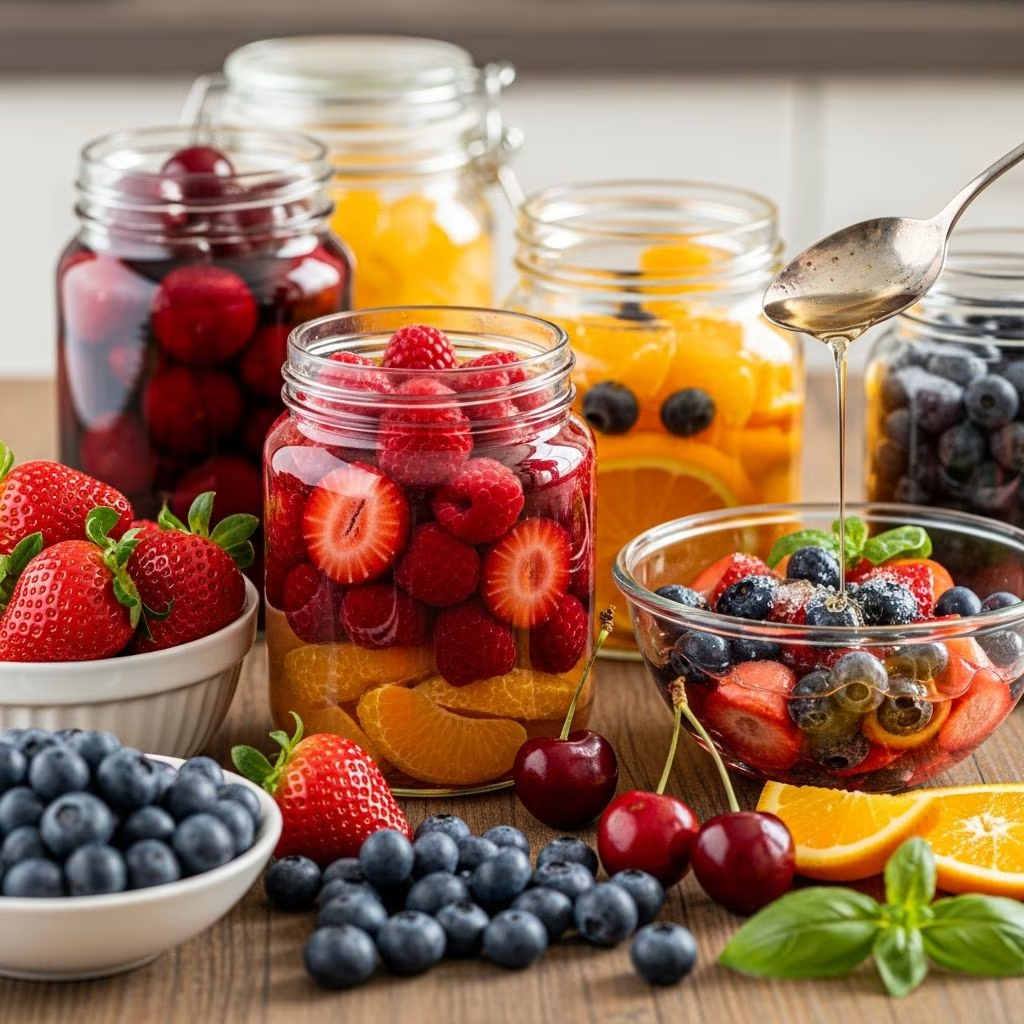
Imagine capturing the essence of summer’s ripest berries or fall’s juiciest stone fruits, preserving their vibrant flavors for year-round enjoyment. Maceration—a simple process of soaking fruit in sugar—unlocks a treasure trove of culinary possibilities. Unlike traditional canning, this method requires minimal equipment and delivers results that can be used immediately or stored for months. In this comprehensive guide, we’ll explore the science, techniques, and creative applications of macerated fruit preserves, turning everyday ingredients into versatile pantry stars.
Understanding the Power of Maceration
Maceration draws out a fruit’s natural juices through osmosis, where sugar pulls moisture from the fruit cells, creating a syrupy base that’s rich in flavor and texture. This gentle process softens the fruit while intensifying its taste, making it ideal for preserves that retain freshness without high-heat cooking.
- Natural Preservation: The high sugar content acts as a preservative, inhibiting bacterial growth.
- Flavor Concentration: Sugars caramelize slightly, enhancing sweetness and complexity.
- Texture Retention: Fruits stay plump and whole, unlike boiled jams.
Scientifically, sugar lowers the water activity in the mixture, creating an environment hostile to microbes. According to the USDA, sugar concentrations above 50% effectively preserve fruit at room temperature.1
Choosing Your Fruits: Seasonal Selection Guide
The beauty of maceration lies in its adaptability to any fruit. Select produce at peak ripeness for maximum juice extraction and flavor.
| Season | Best Fruits | Flavor Profile | Prep Tips |
|---|---|---|---|
| Summer | Strawberries, raspberries, blueberries, peaches | Bright, tangy, floral | Hull berries; pit stone fruits |
| Fall | Plums, figs, apples, pears | Rich, earthy, caramel notes | Quarter larger fruits; remove cores |
| Winter | Citrus, cranberries, quince | Tart, spicy, robust | Zest citrus; chop dense fruits |
| Spring | Rhubarb, cherries, apricots | Fresh, tart-sweet balance | Trim rhubarb strings; pit cherries |
Mix fruits for complexity—think strawberry-rhubarb or peach-blueberry combos. Underripe fruit yields firmer preserves; overripe creates softer, jam-like textures.
Essential Equipment and Ingredients
You likely have everything needed in your kitchen already.
- Wide, shallow bowls or baking dishes: Maximize air exposure for faster maceration.
- Granulated sugar: Classic choice; use 1:1 fruit-to-sugar ratio by weight.
- Lemon juice or zest: Balances sweetness, aids pectin activation.
- Glass jars: For storage; sterilize by boiling.
- Optional: Herbs (thyme, basil), spices (vanilla, ginger), alcohol (rum, bourbon).
No special tools required—stirring spoons and patience suffice.
Step-by-Step Maceration Mastery
- Prepare Fruit: Wash, dry, and cut into uniform pieces. Even sizes ensure balanced maceration.
- Sugar Coating: Toss fruit with sugar (1 cup sugar per 1 lb fruit). Let sit 30 minutes; juices will pool.
- Flavor Infusion: Add acid (1-2 tbsp lemon juice per lb fruit), herbs, or spices. Stir gently.
- Macerate: Refrigerate 4-24 hours. Stir occasionally. Longer maceration = softer fruit, thicker syrup.
- Reduce (Optional): Simmer 10-20 minutes for jam-like consistency.
- Store: Transfer to jars; refrigerate up to 3 months or freeze 1 year.
Pro tip: Taste and adjust sugar after 4 hours—fruit sweetness varies.
Storage Solutions for Longevity
Proper storage extends shelf life dramatically.
- Refrigerator: 2-3 months in airtight jars.
- Freezer: Up to 12 months; thaw overnight in fridge.
- Room Temperature: If cooked to 220°F (jam stage), stores 1 year unopened.
Always check for mold or off odors before use. The National Center for Home Food Preservation recommends headspace of ½ inch in jars to prevent overflow during freezing.2
Versatile Uses: From Breakfast to Cocktails
Macerated preserves shine across the menu.
Breakfast Boosters
- Spoon over yogurt or oatmeal.
- Swirl into pancake batter.
- Top French toast with syrup.
Baking Brilliance
Incorporate into muffins, scones, or pie fillings. The pre-softened fruit distributes evenly without excess moisture.
Savory Surprises
- Glaze roasted meats (pork with plum-ginger).
- Pair with cheeses on charcuterie boards.
- Enhance vinaigrettes.
Cocktail and Beverage Magic
Muddle into mojitos, top champagne, or mix into iced tea. Alcohol macerations double as liqueurs.
Dessert Delights
- Ice cream topping.
- Cake soaker syrup.
- Filling for tarts and galettes.
Flavor Fusion: 10 Creative Recipes
- Vanilla Peach Bourbon: Peaches + sugar + vanilla bean + ¼ cup bourbon. Macerate 24 hours.
- Spiced Cranberry Orange: Cranberries + orange zest + cinnamon + ginger.
- Basil Strawberry Lemon: Strawberries + basil leaves + lemon juice.
- Fig Rosemary Honey: Figs + honey + rosemary sprigs.
- Blueberry Thyme: Blueberries + fresh thyme + balsamic drizzle.
- Rhubarb Ginger Cardamom: Chopped rhubarb + crystallized ginger + cardamom pods.
- Apricot Almond: Apricots + almond extract + slivered almonds.
- Mixed Berry Chili: Berries + minced Fresno chili for heat.
- Pear Anise: Pears + star anise + white wine.
- Cherry Dark Chocolate: Cherries + cocoa nibs + rum.
Troubleshooting Common Issues
| Problem | Cause | Solution |
|---|---|---|
| Too Runny | Short maceration | Simmer to reduce or chill longer |
| Too Thick | Over-macerated | Add fresh fruit or liquid |
| Mold Growth | Improper storage | Discard; sterilize jars next time |
| Separated Syrup | Uneven sugar | Stir thoroughly before storing |
Scaling Up for Gifting and Pantry Stocking
Double or triple batches easily. Use oversized hotel pans for bulk maceration. Package in decorative jars with custom labels listing ingredients and date. Perfect for holidays or teacher gifts.
Health and Nutrition Insights
While sugary, macerated fruits retain vitamins better than cooked preserves. Portion control key: 2 tbsp = natural sweetener alternative. Pair with nuts or yogurt for balanced snacks.
Frequently Asked Questions
Can I use frozen fruit?
Yes, thaw first and pat dry to avoid excess water.
Is canning required?
No, refrigeration suffices for safety.
How do I know when it’s ready?
Syrup should be thick enough to coat a spoon.
Can I reduce sugar?
Minimum ½ cup per lb for preservation; use honey or stevia blends.
What if my fruit is very tart?
Increase sugar by 25% or add ripe banana for natural sweetness.
References
- Preserving Food at Home: Fruit Preserves — USDA National Center for Home Food Preservation. 2023-05-15. https://nchfp.uga.edu/how/berry_jam.html
- Freezing Fruits and Vegetables — National Center for Home Food Preservation. 2024-01-10. https://nchfp.uga.edu/how/freeze.html
- The Science of Sugar in Food Preservation — Institute of Food Technologists. 2022-11-03. https://www.ift.org/news-and-publications/food-technology-magazine/issues/2022/november/features/the-science-of-sugar-in-food-preservation