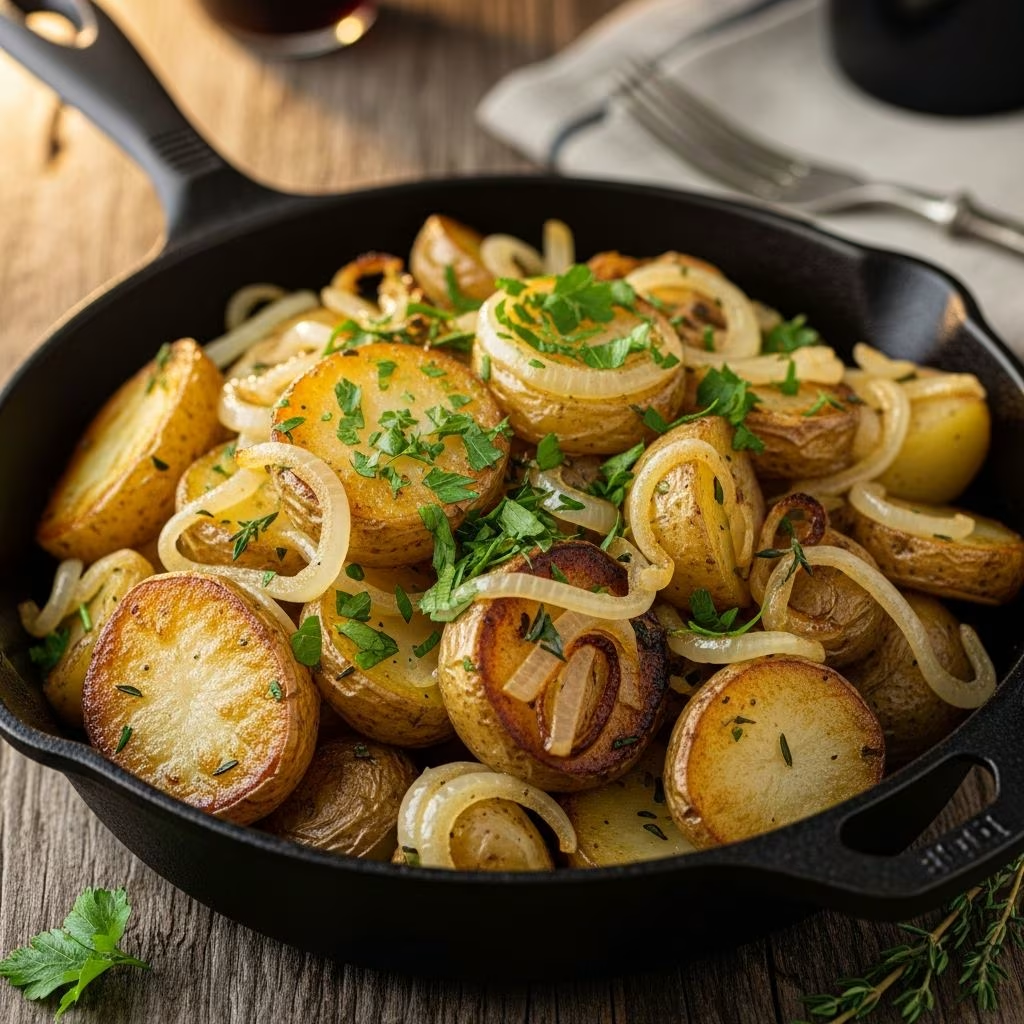
When it comes to classic French cuisine, few side dishes command the elegance and simplicity of Lyonnaise potatoes. This iconic preparation transforms humble potatoes and onions into a restaurant-quality accompaniment that complements nearly any protein. The beauty of this dish lies not in complex techniques or exotic ingredients, but rather in the careful balance of heat, timing, and the natural flavors that emerge when these two humble vegetables meet butter and patient cooking.
The Lyonnaise preparation originates from Lyon, a city in southeastern France renowned for its culinary traditions. The technique showcases a fundamental principle of French cooking: allowing quality ingredients to speak for themselves through proper technique rather than heavy seasoning or elaborate preparation.
Understanding the Core Components
Authentic Lyonnaise potatoes rely on just a handful of essential ingredients, each playing a crucial role in the final dish. The ingredient list reads like a masterclass in restraint, yet the results are deeply satisfying and complex in flavor.
Selecting the Right Potatoes
The foundation of this dish begins with potato selection. Waxy potato varieties such as Yukon Gold work exceptionally well because they maintain their shape during cooking and develop a pleasant golden exterior when properly sautéed. These potatoes contain less starch than their mealy counterparts, preventing them from falling apart or becoming mushy during the cooking process. The ideal size ranges from medium to large, allowing for uniform slicing and consistent cooking times across all pieces.
The Importance of Onion Preparation
Onions in this preparation must be sliced thinly and uniformly to ensure even cooking and the development of deep caramelization. Yellow or white onions work best, as their natural sugars caramelize beautifully when given sufficient time over moderate heat. The onions transform from sharp and pungent to sweet and mellow, creating a flavor bridge between the rich potatoes and the cooking fat.
Fat Selection and Balance
The combination of butter and oil serves specific purposes in this recipe. Butter provides rich flavor and helps develop browning, while oil raises the smoke point, preventing the butter from burning at the higher temperatures needed to crisp the potatoes. Approximately equal parts of each—typically 2 tablespoons of butter to 2 tablespoons of oil—create the ideal balance for achieving golden, crispy results without scorching.
The Step-by-Step Preparation Method
Success with Lyonnaise potatoes depends on proper sequencing and understanding why each step matters. Rather than treating these as arbitrary instructions, recognizing the purpose behind each action allows for better intuition and adaptation as needed.
Preparation Phase
Begin by peeling your potatoes thoroughly and slicing them into thin, uniform rounds—approximately one-quarter inch thick works best. Uniform thickness ensures that all pieces cook at roughly the same rate. After slicing, rinse the potato slices in cold water to remove excess starch. This rinsing prevents the potatoes from sticking together and helps them develop a crispier exterior during cooking. Pat the slices completely dry using a clean kitchen towel; moisture is the enemy of browning and crispness.
For the onions, peel and slice them into thin half-moon shapes. Consistency in onion thickness ensures they cook evenly alongside the potatoes.
The Onion-Cooking Stage
Begin by heating a large skillet over medium heat. Add 1 tablespoon of butter and 1 tablespoon of oil, allowing them to combine and reach the appropriate temperature—the mixture should shimmer but not smoke. Add your sliced onions to this fat and cook, stirring occasionally but not constantly. This approach allows the onions to develop color and depth through caramelization while the occasional stirring prevents sticking and ensures even cooking.
This stage typically requires 10 to 15 minutes, depending on your heat level and the size of your onion slices. The onions will progress through several stages: they’ll become translucent and soft, then begin to turn golden at the edges, eventually developing a deep amber color with caramelized edges. When fully caramelized, they should be soft, sweet, and deeply colored. Remove them to a clean plate and set aside; they’ll rejoin the potatoes later.
Cooking the Potatoes
Return the same skillet to medium-high heat and add the remaining butter and oil. Allow this mixture to heat until it shimmers and small bubbles form around the edges. Working in batches if necessary to avoid overcrowding, add your dried potato slices in a relatively single layer. The initial contact should produce an audible sizzle—this indicates sufficient heat for browning.
Allow the potatoes to cook undisturbed for 4 to 5 minutes, developing a golden crust on the bottom. Using a spatula or wooden spoon, gently flip the potatoes, bringing the uncooked side into contact with the hot fat. Continue cooking for another 4 to 5 minutes until this side also turns golden.
If you’re cooking potatoes in batches, maintain adequate spacing in the pan for proper heat circulation. Overcrowding causes steaming rather than browning, resulting in a pale, less flavorful product.
The Combination and Finishing
Once the potatoes have achieved their golden appearance and tender texture, reduce heat to medium and return the caramelized onions to the skillet. Using a gentle hand and a spatula, fold the ingredients together, allowing the hot potatoes and onions to mingle. Cook for an additional 1 to 2 minutes, just until everything is heated through.
Season generously with salt and freshly ground black pepper. Fresh parsley—either the flat-leaf or curly varieties—provides a bright finishing touch. Chop it finely and sprinkle over the top just before serving.
Time-Saving Techniques
While traditional Lyonnaise potatoes follow a straightforward path, several shortcuts can reduce overall cooking time without significantly compromising quality.
Parboiling Method
One effective shortcut involves parboiling the potatoes before pan-frying them. Place peeled and sliced potatoes in a pot covered with cold water, add salt, and bring to a boil. Reduce heat and simmer for approximately 5 minutes—just until the potatoes begin to soften but remain structurally intact. Drain thoroughly and pat dry before proceeding with the skillet cooking. This pre-cooking reduces the final pan-cooking time to about 8 to 10 minutes while ensuring the potatoes cook through completely.
Using Leftovers
Baked or roasted potatoes from a previous meal can serve as the base for Lyonnaise preparation. Slice them thinly and proceed with the recipe as written. Because these potatoes are already cooked, pan-frying time reduces to just 5 to 8 minutes. Exercise caution during this stage to prevent the potatoes from falling apart.
Ingredient Comparison and Selection Guide
| Component | Best Choice | Why It Works | Alternative Options |
|---|---|---|---|
| Potatoes | Yukon Gold | Waxy texture maintains shape; creamy interior; develops good color | Red potatoes, fingerlings |
| Onions | Yellow or white | Higher natural sugar content; caramelize beautifully | Spanish onions, sweet onions |
| Butter | European style (higher fat) | Rich flavor; better browning capability | Regular butter, ghee |
| Oil | Neutral high-heat oil | Won’t burn at cooking temperatures; doesn’t overpower flavors | Vegetable oil, avocado oil |
| Finishing herb | Fresh flat-leaf parsley | Bright flavor; complements onions and potatoes | Chives, tarragon, thyme |
Common Questions About Preparation
Can I prepare this dish ahead of time?
Lyonnaise potatoes are best served immediately after preparation when the potatoes retain their crispness and the onions their soft texture. Reheating can result in softer potatoes and loss of the textural contrast that makes this dish appealing. However, you can prepare individual components ahead—caramelize the onions earlier in the day and store in the refrigerator, then combine with freshly cooked potatoes just before serving.
What’s the ideal heat level for cooking?
Medium to medium-high heat provides the best balance. Too low, and the potatoes will cook through without browning properly. Too high, and the exterior will burn before the interior softens. The goal is golden browning over a 10-minute span, suggesting moderate heat throughout.
Why are my potatoes sticking to the pan?
Sticking typically results from insufficient fat, wet potatoes, or overcrowding. Ensure your slices are thoroughly dried, use the full amount of butter and oil specified, and maintain adequate spacing between pieces. Using a non-stick skillet can also help prevent this issue.
Can I use different herbs instead of parsley?
Yes. Fresh thyme, chives, or tarragon all complement this dish beautifully. Use sparingly, as these herbs have stronger flavors than parsley. A combination of parsley and thyme works particularly well, providing both brightness and subtle earthiness.
How do I know when the onions are properly caramelized?
Properly caramelized onions transition from pale yellow to golden to deep amber in color. They should smell sweet and slightly nutty, and taste sweet rather than sharp. This transformation typically requires 10 to 15 minutes of patient cooking over medium heat.
Serving Suggestions and Pairings
Lyonnaise potatoes complement a wide range of main dishes. Their rich, savory character pairs beautifully with roasted chicken, pan-seared fish, grilled steaks, and vegetarian proteins alike. The caramelized onions and crispy potatoes provide textural contrast and flavor depth that elevates simpler preparations.
As a side dish, a modest portion—approximately half a cup to three-quarters cup per person—works well alongside heartier mains. The dish can also serve as a light main course when paired with a fresh salad and crusty bread, making it suitable for casual weeknight dinners or leisurely brunches.
Nutritional Considerations
Lyonnaise potatoes provide satisfying carbohydrates from the potatoes along with fat-soluble vitamins from the butter and oil. The onions contribute beneficial compounds associated with their natural sulfur content. While not a low-calorie preparation, the portion sizes and balanced flavors mean that moderate servings provide genuine satisfaction without excess.
For those managing dietary restrictions, this recipe adapts reasonably well to various needs. Olive oil can replace butter for those avoiding dairy, though the flavor profile will shift slightly. The cooking method and ingredient ratios remain consistent across adaptations.
References
- Professional Cooking Methods for Potato Preparation — The Culinary Institute of America. 2023. Educational culinary standards for vegetable preparation techniques
- French Regional Cuisine: Lyon’s Culinary Heritage — French Ministry of Agriculture and Food Sovereignty. 2024. Traditional French cooking methods and regional dishes
- Understanding Maillard Reaction in Cooking — Food Science Institute, University of Minnesota. 2024. https://www.uofmn.edu/food-science