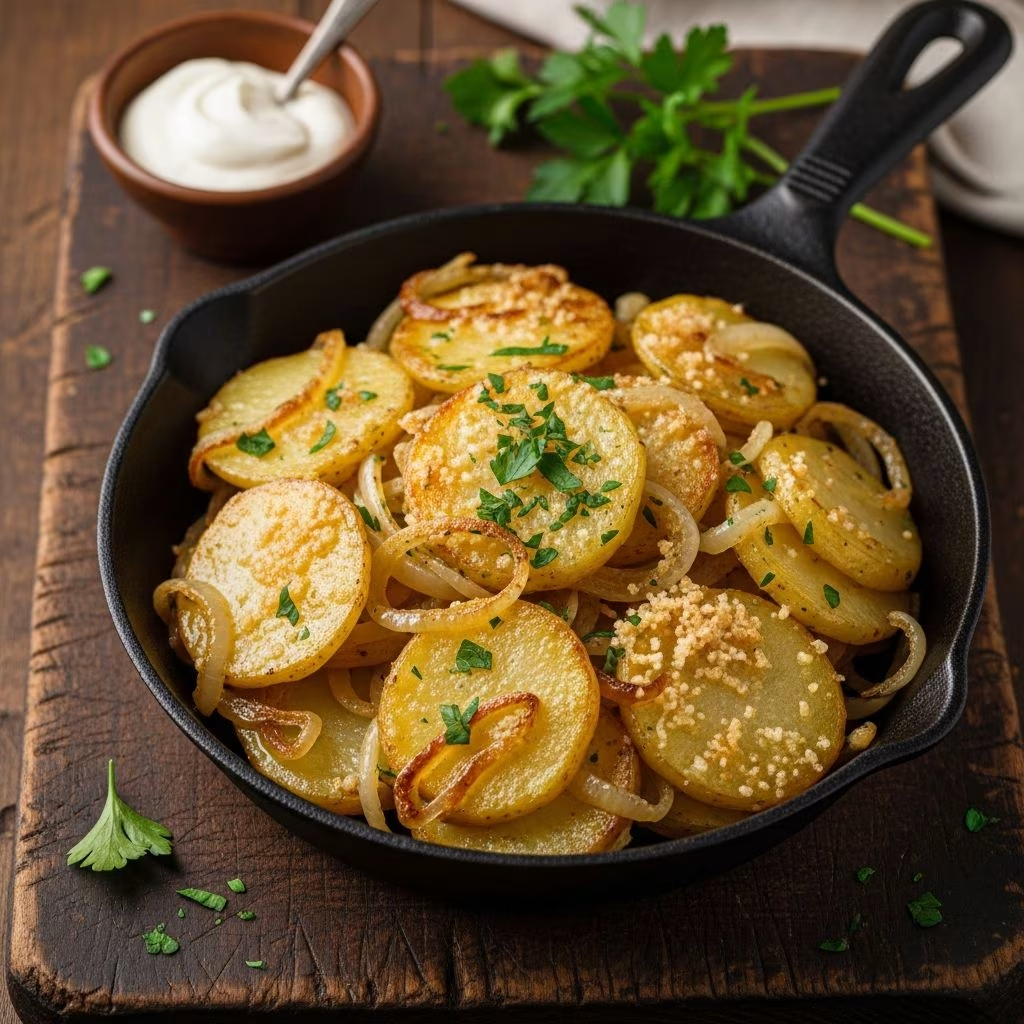
When it comes to timeless European side dishes, few can rival the elegance and simplicity of Lyonnaise potatoes. This beloved French preparation showcases the culinary philosophy of creating something extraordinary from humble, everyday ingredients. The dish transforms basic potatoes and onions into a golden, aromatic creation that has graced French tables for generations.
Understanding the Origins and Significance
Originating from Lyon, a city renowned for its gastronomic heritage in southeastern France, Lyonnaise potatoes represent the essence of French provincial cooking. The name itself indicates both geographic origin and preparation style, reflecting how French cuisine often honors the regions from which dishes emerge. This particular preparation became famous not through elaborate techniques, but through the mastery of fundamental cooking principles: proper heat control, ingredient quality, and timing.
The beauty of Lyonnaise potatoes lies in their versatility and accessibility. Whether served at casual family dinners or elegant dinner parties, this dish adapts seamlessly to various occasions and dining contexts. The preparation has remained largely unchanged for decades, a testament to its perfection and the universal appeal of perfectly caramelized potatoes paired with golden onions.
Essential Ingredients for Authentic Preparation
The foundation of exceptional Lyonnaise potatoes rests on selecting quality ingredients and understanding their individual contributions to the final dish.
Potato Varieties and Selection
The choice of potato significantly impacts the dish’s texture and flavor profile. Yellow potatoes, such as Yukon Gold varieties, offer a naturally buttery flavor and creamy texture that complements caramelized onions beautifully. These waxy potatoes maintain their structure during cooking without becoming mealy or falling apart. Their thin skins remain tender even when cooked, eliminating the need for peeling and preserving the rustic charm of the dish.
Alternatively, russet potatoes work well when you prefer a lighter texture or have them readily available. These starchy varieties require peeling before cooking, as their thicker skins can become tough during the pan-frying process. Regardless of which variety you select, choose potatoes of similar size to ensure even cooking throughout the preparation.
Onion Selection and Preparation
Yellow or white onions serve as the aromatic backbone of this dish. These varieties contain natural sugars that caramelize beautifully during extended cooking, developing deep, complex flavors. The slicing thickness matters considerably—thin, even slices allow for faster caramelization and better integration with the potatoes. Some recipes call for thicker slicing, which creates more textural variety but requires slightly longer cooking times.
Fats and Cooking Mediums
The combination of butter and oil creates the ideal cooking environment for achieving golden, crispy potatoes while preventing burning. Butter contributes rich flavor and aids in browning through its milk solids, while oil provides stability at higher temperatures and prevents the butter from scorching. European-style butter, with its higher fat content, performs exceptionally well. For oil selection, neutral oils with high smoke points—such as avocado oil, vegetable oil, or clarified butter—ensure proper browning without introducing unwanted flavors.
Herbs and Aromatics
Fresh herbs elevate the dish from simple to sophisticated. Flat-leaf parsley provides a bright, fresh finish when sprinkled over the completed dish. Thyme, rosemary, and oregano contribute earthy undertones that complement the caramelized onions and potatoes. Minced garlic, added toward the end of cooking, introduces pungent aromatics that permeate the entire preparation. These components should be fresh rather than dried when possible, as fresh herbs maintain their vibrant qualities and don’t overpower the delicate potato flavors.
Comprehensive Cooking Methodology
Preparation Phase
Begin by thoroughly washing your potatoes under cold running water, using a vegetable brush to remove any soil. Slice them into uniform thickness—typically one-quarter inch—to promote even cooking. Thinner slices crisp faster but may become too delicate, while thicker slices require longer cooking times. A mandoline slicer helps achieve consistent thickness throughout the batch.
For onions, peel away the papery exterior and halve them from top to root end. This orientation makes slicing easier and creates pieces that integrate well with the potatoes during cooking. Aim for uniform thickness matching your potato slices. Fresh herbs should be washed and dried thoroughly; excess moisture interferes with proper browning and introduces unwanted liquid to the cooking process.
Onion Caramelization Process
This crucial step requires patience and attention but cannot be rushed. Heat a large, heavy-bottomed skillet over medium heat and add half your butter and oil combination. Once the butter foams and the oil shimmers, introduce the sliced onions along with a pinch of salt. Salt draws moisture from the onions, which accelerates the caramelization process.
Stir frequently for the first five to eight minutes, ensuring the onions cook evenly and don’t stick to the pan bottom. As they soften and begin releasing their natural sugars, reduce heat to medium-low. Continue cooking for 15 to 20 minutes, stirring occasionally, until the onions transform into a golden, jammy consistency. This patient approach develops deep, complex flavors far superior to rushed cooking methods.
Potato Cooking Sequence
While onions caramelize, some recipes call for parboiling the potato slices in salted water for five to seven minutes, draining them thoroughly before adding to the skillet. This technique shortens final cooking time and ensures even doneness throughout thicker batches. If you choose this method, drain potatoes well and pat them dry with paper towels to remove excess moisture.
Alternatively, add raw potato slices directly to the hot fat once onions have reached their caramelized state. Transfer the onions to a holding plate, then add remaining butter and oil to the skillet. Arrange potato slices in an even layer, allowing them to sit undisturbed for several minutes to develop golden color and crispy texture. Gently flip pieces every three to five minutes, ensuring all surfaces achieve even browning.
This cooking phase typically requires 15 to 20 minutes, depending on potato thickness and heat intensity. Test potatoes with a fork; they should be tender inside with crispy, golden exteriors. Season with salt and white pepper during cooking rather than after, allowing flavors to penetrate the potato flesh rather than simply coating the surface.
Final Assembly and Finishing Touches
Once potatoes reach desired crispness, return caramelized onions to the skillet and toss gently to combine. Cook together for two to three minutes, allowing flavors to meld. Some recipes call for a final deglaze with white wine vinegar or a small splash of white wine, which brightens the flavors and cuts through the richness of the butter and oil. If using vinegar, add it carefully and allow it to cook away almost completely, leaving behind subtle acidic notes.
Transfer the finished potatoes to a serving platter and garnish generously with fresh, chopped parsley. A light sprinkle of flaky sea salt adds texture and enhances visual appeal. Serve immediately while the potatoes retain their warmth and crispiness.
Equipment Requirements and Kitchen Setup
Success with Lyonnaise potatoes depends partly on having appropriate cooking equipment. A large, heavy-bottomed skillet—preferably non-stick or well-seasoned cast iron—distributes heat evenly and prevents sticking. The pan should be large enough to accommodate potatoes in a single layer without overcrowding, as crowding creates steam that interferes with proper browning.
A sharp knife or mandoline slicer ensures uniform potato thickness, crucial for even cooking. A slotted spoon or spider strainer helps remove onions from the skillet without losing the surrounding fat, essential for maintaining the dish’s richness. Paper towels assist in thoroughly drying potatoes, especially if using the parboiling technique.
Ingredient Comparison Chart
| Component | Primary Option | Alternative Option | Key Difference |
|---|---|---|---|
| Potato Type | Yukon Gold | Russet | Yukon Gold has buttery flavor; Russet is lighter and requires peeling |
| Cooking Fat | Butter + Oil | Clarified Butter | Combination provides flavor and stability; clarified butter offers heat resistance alone |
| Onion Variety | Yellow Onions | White Onions | Both caramelize well; yellow onions offer slightly sweeter flavor |
| Finishing Herb | Fresh Parsley | Chives or Tarragon | Parsley is traditional; alternatives add different flavor notes |
Cooking Technique Variations
Traditional Pan-Frying Method
This approach combines all components in a single skillet, building flavors progressively. Onions establish the flavor foundation through extended caramelization, potatoes add substance and texture, and final additions of garlic and herbs brighten the overall profile. This method produces deeply integrated flavors where each component influences the others.
Layered Cooking Approach
Some preparations involve arranging potatoes in layers with butter, fat, and seasoning, then cooking undisturbed to develop crispy bottoms before stirring and adding remaining components. This technique creates more defined texture contrasts and allows better control over individual element doneness.
Contemporary Variations
Modern interpretations sometimes incorporate additional vegetables such as bell peppers, mushrooms, or artichoke hearts. While not traditional, these additions maintain the dish’s essential character while expanding its flavor profile. Some recipes include crispy bacon or pancetta for added richness and smokiness, transforming the side dish into something more substantial.
Common Preparation Mistakes to Avoid
Understanding frequent pitfalls helps ensure consistent success. Overcrowding the skillet prevents proper browning by creating steam rather than achieving the desired crust. Cooking at excessively high temperatures burns the exterior while leaving interiors undercooked; medium to medium-high heat provides optimal results. Neglecting to dry potatoes thoroughly after parboiling introduces excess moisture that interferes with browning.
Insufficient caramelization of onions results in a less flavorful dish; patience during this phase pays dividends in final flavor development. Adding herbs too early causes them to darken and lose their fresh character; late addition preserves their vibrant qualities. Using low-quality butter diminishes the dish’s richness and depth, as butter comprises a significant portion of the final product.
Serving Suggestions and Pairing Ideas
Lyonnaise potatoes complement virtually any main protein, from simple grilled chicken to elegant beef preparations. They work particularly well with French bistro fare such as steak frites, duck confit, or roasted lamb. The caramelized onions and golden potatoes provide visual interest and flavor depth that enhances rather than competes with main dishes.
For vegetarian contexts, these potatoes serve as the star component of a composed plate, paired with roasted vegetables or fresh greens. They can be prepared ahead and reheated gently, making them practical for entertaining. Serve directly from a warm platter to maintain temperature and appeal.
Frequently Asked Questions
- Can Lyonnaise potatoes be prepared ahead of time?
- Yes, they can be cooked several hours in advance and reheated gently in a warm oven, though they’re best enjoyed fresh from the skillet. Reheat covered to prevent drying out.
- What’s the difference between Lyonnaise and other French potato preparations?
- Lyonnaise potatoes specifically feature caramelized onions as the defining element. Other French preparations like pommes Anna or pommes Dauphinoise use different techniques and ingredients.
- Can I use sweet onions instead of yellow onions?
- Sweet onions like Vidalia work well, though they contain even more natural sugars and may caramelize faster. Monitor closely to prevent burning.
- How thick should potato slices be?
- One-quarter inch thickness is ideal, creating a balance between crispy exteriors and creamy interiors. Thinner slices become too brittle; thicker slices require longer cooking.
- What’s the purpose of adding vinegar to some recipes?
- Vinegar provides acidity that brightens flavors and cuts through the richness of butter and oil, adding complexity to the finished dish.
References
- Lyonnaise Potatoes — Pinch and Swirl. April 2026. https://pinchandswirl.com/lyonnaise-potatoes/
- Lyonnaise Potatoes Recipe — Chef Billy Parisi. 2024. https://www.billyparisi.com/lyonnaise-potatoes-recipe/
- Classic Lyonnaise Potatoes — Emerils.com. 2024. https://www.emerils.com/127771/classic-lyonnaise-potatoes
- Best Lyonnaise Potatoes Recipe — The Pioneer Woman. 2024. https://www.thepioneerwoman.com/food-cooking/recipes/a62265688/lyonnaise-potatoes-recipe/
- Lyonnaise Potatoes Recipe — Tastefully Grace. 2024. https://tastefullygrace.com/lyonnaise-potatoes/