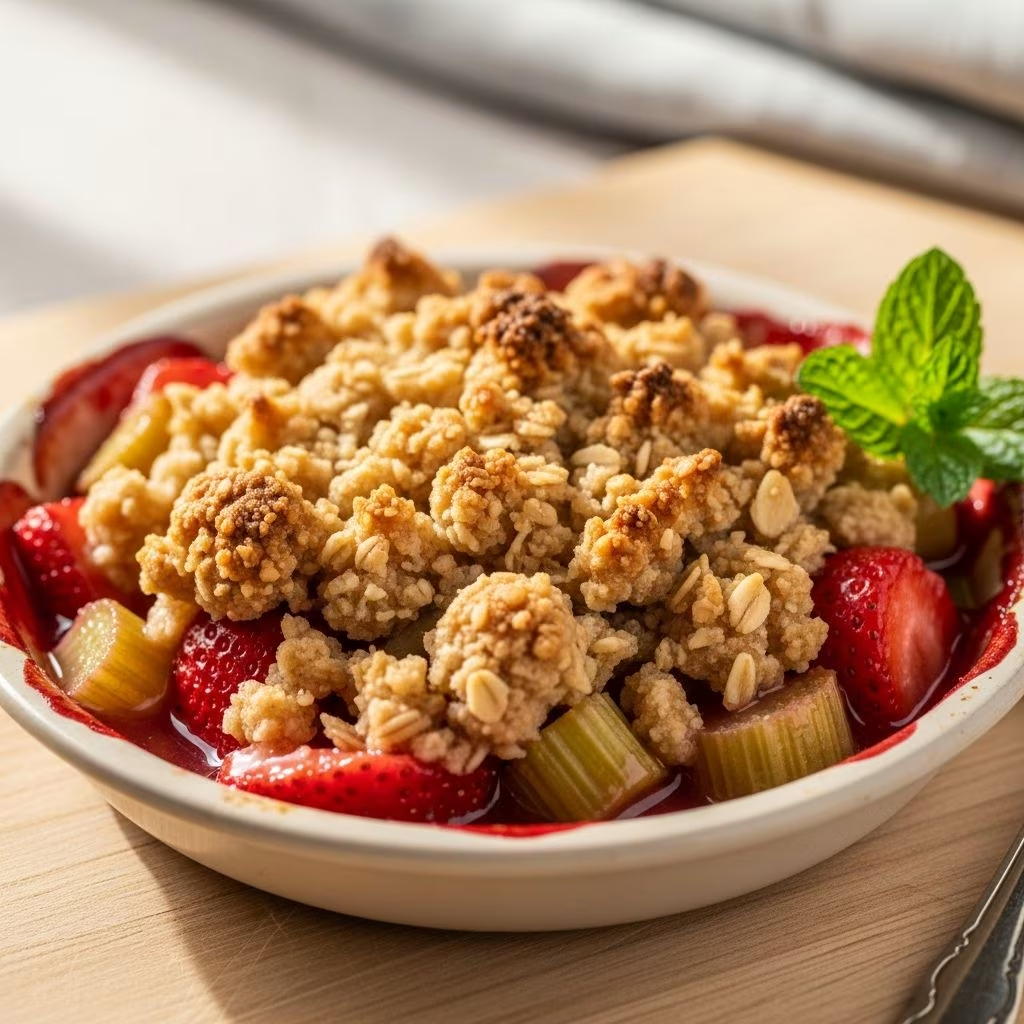
Strawberry and rhubarb represent a classic combination that has delighted home cooks and professional bakers for generations. The tart, distinctive flavor of rhubarb paired with the bright sweetness of strawberries creates a naturally balanced fruit filling that requires minimal added sweeteners. When you desire a dessert that celebrates fresh fruit while maintaining mindful sugar consumption, a low-sugar strawberry rhubarb crunch delivers both satisfaction and nutritional value. This guide explores the essential components, preparation techniques, and strategic ingredient choices that transform these humble fruits into an elegant dessert suitable for any occasion.
Understanding the Foundation: Fruit Selection and Preparation
The success of any strawberry rhubarb crunch begins with selecting quality produce. Fresh strawberries should display a vibrant red color and firm texture, free from soft spots or mold. Similarly, rhubarb stalks must be crisp and brightly colored, typically ranging from pink to deep red depending on the variety. Avoid woody or overly thick stalks, as these often contain excessive fiber and diminished sweetness.
Proper preparation involves cleaning strawberries under cool running water and removing the green leafy tops. Rhubarb requires more attention; trim away any leaves at the top (which contain oxalic acid and should never be consumed) and scrub the stalks thoroughly. Cut both fruits into uniform half-inch to one-inch pieces to ensure consistent cooking and texture throughout the dessert. Uniform sizing prevents some pieces from overcooking while others remain undercooked.
Maceration: Extracting Natural Sweetness
Maceration—allowing cut fruit to rest in sweetener and flavorings—represents a crucial step often overlooked by novice bakers. When strawberries and rhubarb sit together for 15 to 20 minutes before baking, their cell walls begin breaking down, releasing natural juices and creating a more cohesive filling. This process reduces the need for additional sweeteners by concentrating existing fruit sugars and developing deeper, more complex flavors. During maceration, these juices also begin dissolving any thickening agents added to the mixture.
Strategic Sweetening: Alternatives to Refined Sugar
Creating a truly low-sugar dessert requires rethinking traditional sweetening approaches. Refined white and brown sugars significantly spike blood glucose levels and contribute empty calories without nutritional benefit. Modern bakers have access to numerous alternatives that provide sweetness while maintaining lower glycemic impact.
Natural Sweetener Options
- Coconut sugar—Derived from coconut palm nectar, this sweetener contains a lower glycemic index than refined sugar while providing mineral content including potassium, magnesium, and zinc
- Maple syrup—Offers antioxidants and minerals alongside sweetness, though it should still be used judiciously in low-sugar applications
- Monk fruit sweetener—A zero-calorie option derived from dried fruit that provides intense sweetness without affecting blood sugar levels
- Stevia and erythritol blends—These sugar alcohols and plant-derived sweeteners contain minimal calories and do not significantly impact glycemic response
- Date paste or date sugar—Created from whole dates, these options provide fiber and nutrients alongside sweetening power
Each sweetener offers distinct advantages and flavor profiles. Coconut sugar and maple syrup integrate seamlessly into traditional recipes while maintaining subtle flavor complexity. Stevia-based blends work particularly well for those adhering to ketogenic or strict carbohydrate-controlled diets. Experimentation helps determine which sweetener aligns best with personal taste preferences and dietary objectives.
The Science of Texture: Thickening Agents and Their Functions
The filling in a strawberry rhubarb crunch must achieve the correct consistency—thick enough to hold together when plated, yet loose enough to maintain the fruit’s fresh character. Excessive thickening creates a gel-like texture that obscures natural fruit flavors, while insufficient thickening results in a soupy dessert that fails to support the crunch topping properly.
Cornstarch represents the most accessible thickening agent, requiring only two to three tablespoons per typical batch. Arrowroot powder functions similarly to cornstarch but produces a more transparent filling, creating visual appeal. Tapioca flour offers another alternative with mild flavor impact. The key to success involves mixing thickening agents with acidic liquid (lemon or orange juice) before incorporating them into fruit, preventing clump formation during the cooking process.
Flavor Enhancement: Citrus, Spices, and Aromatics
While strawberries and rhubarb provide the foundation, supporting flavors elevate the entire dessert experience. Citrus zest and juice brighten the filling while complementing the fruit’s natural tartness. Fresh lemon or orange juice adds acidity that balances sweetness and enhances natural fruit sugars.
Spices play an equally important role. Cinnamon’s warmth creates depth and complexity, while ginger adds subtle heat and sophistication. Vanilla extract provides aromatic smoothness that ties disparate flavors together. These additions require restraint—a half to one teaspoon of cinnamon and a teaspoon of vanilla extract suffice for standard batches, allowing fruit to remain the dominant flavor.
Crafting the Crunch Topping: Texture and Structure
The crunch topping distinguishes this dessert from traditional fruit crisps and cobblers. This component demands careful construction to achieve ideal texture—crispy on the surface while remaining slightly tender underneath.
Core Ingredients for Crunch Topping
| Ingredient Category | Traditional Options | Low-Sugar Alternatives |
|---|---|---|
| Grains/Base | Rolled oats, all-purpose flour | Gluten-free oats, almond flour, coconut flour |
| Nuts | Pecans, walnuts (optional) | Finely chopped walnuts, pecans, almonds for added texture |
| Healthy Fats | Butter | Vegan butter, coconut oil, almond oil |
| Sweetening | Brown sugar, white sugar | Coconut sugar, monk fruit, stevia blend |
| Flavor | Cinnamon, salt | Cinnamon, sea salt, nutmeg |
The preparation method significantly impacts final texture. Combining dry ingredients thoroughly ensures even distribution before introducing fat. Adding melted butter or oil and mixing until the combination resembles coarse breadcrumbs creates pockets throughout the topping that become crispy during baking. Over-mixing develops gluten (if wheat flour is used) and creates a dense, cake-like texture rather than desirable crunchiness.
Alternative Topping Approaches
For those with gluten sensitivities, substituting traditional flour with almond flour, cassava flour, or certified gluten-free all-purpose flour works effectively. Nut-based toppings using finely chopped walnuts or pecans create exceptional texture while adding protein and healthy fats. Coconut flour incorporates fiber and contributes subtle coconut flavor, though it requires slight adjustments to liquid ratios since it absorbs more moisture than wheat flour.
Assembly and Baking: Achieving Perfect Results
Proper assembly determines whether the filling and topping cook in concert or create an unbalanced dessert. Begin by spreading the macerated fruit mixture evenly into a prepared baking dish—typically an 8-by-8-inch square or 9-inch round dish. Ensure the fruit layer reaches uniform thickness, promoting even cooking throughout. Reserve any accumulated juice to pour over the topping, which encourages moisture distribution and prevents a dry final product.
Distribute the crunch topping evenly across the fruit surface without pressing firmly, which compacts the mixture and prevents crunchiness. Gentle spreading maintains the light, airy structure essential for proper texture development. Bake at 350 to 375 degrees Fahrenheit for 40 to 50 minutes, monitoring the top’s browning progress. The dessert reaches readiness when the topping turns golden brown and fruit juices begin bubbling at the dish’s edges.
Cooling represents the final crucial step. Allowing the dessert to rest for 15 to 20 minutes after removal from the oven permits the filling to set, creating structure that supports neat portioning. Premature serving results in excessive juiciness and filling that runs across the plate.
Nutritional Considerations and Health Benefits
This dessert delivers genuine nutritional value alongside satisfaction. Strawberries provide vitamin C, fiber, and antioxidants called anthocyanins, which research suggests may support cardiovascular health and reduce inflammation. Rhubarb contributes fiber, vitamin K, and additional antioxidants while remaining extremely low in calories. Oats or other grains in the topping provide complex carbohydrates and additional fiber that promotes digestive health and sustained energy.
By strategically reducing added sweeteners and selecting nutrient-dense ingredients, each serving contains fewer empty calories while maintaining satisfaction through quality ingredients and proper portion size. This approach allows individuals managing diabetes, prediabetes, or general weight maintenance to enjoy traditional dessert experiences without compromising health objectives.
Serving Suggestions and Storage
A low-sugar strawberry rhubarb crunch shines alongside various accompaniments. Plain Greek yogurt adds creaminess and protein without excessive sugar. Whipped coconut cream provides richness for dairy-free diets. For those less concerned with added sugar, vanilla ice cream creates an indulgent contrast to the tart filling. Alternatively, serve warm as-is for a comforting dessert requiring no accompaniment.
Proper storage extends enjoyment beyond the first serving. Covered tightly in the refrigerator, this dessert maintains quality for three to four days. The crunch topping softens over time as it absorbs moisture from the filling, though the flavor improves as components meld together. For longer storage, freeze individual portions in airtight containers for up to three months, thawing overnight in the refrigerator before serving.
Frequently Asked Questions
Can I use frozen strawberries and rhubarb?
Frozen fruit works successfully, though thaw it completely and drain excess liquid before using. Frozen fruit releases more water than fresh, requiring slightly increased thickening agent to achieve proper consistency. The flavor remains excellent despite textural differences from fresh produce.
What if my crunch topping turns too dark?
Cover the dessert loosely with aluminum foil during the final 10 to 15 minutes of baking to prevent excessive browning while the interior continues cooking. Most ovens have hot spots; rotating the baking dish halfway through cooking promotes even browning.
How do I make this dessert paleo-compliant?
Replace oats with crushed nuts such as almonds, pecans, or walnuts, and use coconut oil instead of butter. Ensure all sweeteners are compliant with paleo dietary principles, selecting from monk fruit, stevia, or date-based options.
Can I prepare this dessert in advance?
Assemble the fruit filling the morning of serving, storing it covered in the refrigerator. Prepare the crunch topping separately in an airtight container. Combine and bake just before serving to maintain maximum crunchiness in the topping.
Conclusion
A low-sugar strawberry rhubarb crunch represents far more than simply reducing sweetener in a traditional recipe. Success requires understanding how each component contributes to the overall experience, from fruit selection and preparation through final presentation. By choosing quality produce, exploring alternative sweeteners, and employing proper techniques, home bakers create a dessert that celebrates natural fruit flavors while respecting individual health objectives. This approach transforms baking from an indulgence requiring guilt into a mindful culinary practice that nourishes both body and soul.
References
- Resplendent Kitchen – Healthy Vegan Strawberry Rhubarb Crisp — Resplendent Kitchen. Accessed 2026-04-10. https://www.resplendentkitchen.com/gluten-free-strawberry-rhubarb-crisp/
- Healthy Strawberry Rhubarb Crisp — Choosing Chia. Accessed 2026-04-10. https://choosingchia.com/healthy-strawberry-rhubarb-crisp/
- Healthy Strawberry Rhubarb Crisp — Amy’s Healthy Baking. Accessed 2026-04-10. https://amyshealthybaking.com/blog/2018/05/15/healthy-strawberry-rhubarb-crumble/
- Strawberry Rhubarb Crisp — Skinny Taste. Accessed 2026-04-10. https://www.skinnytaste.com/strawberry-rhubarb-crisp/
- Keto Strawberry Rhubarb Crumble — Wicked Stuffed. Accessed 2026-04-10. https://www.wickedstuffed.com/keto-desserts/keto-strawberry-rhubarb-crumble-grain-free-no-sugar-added/