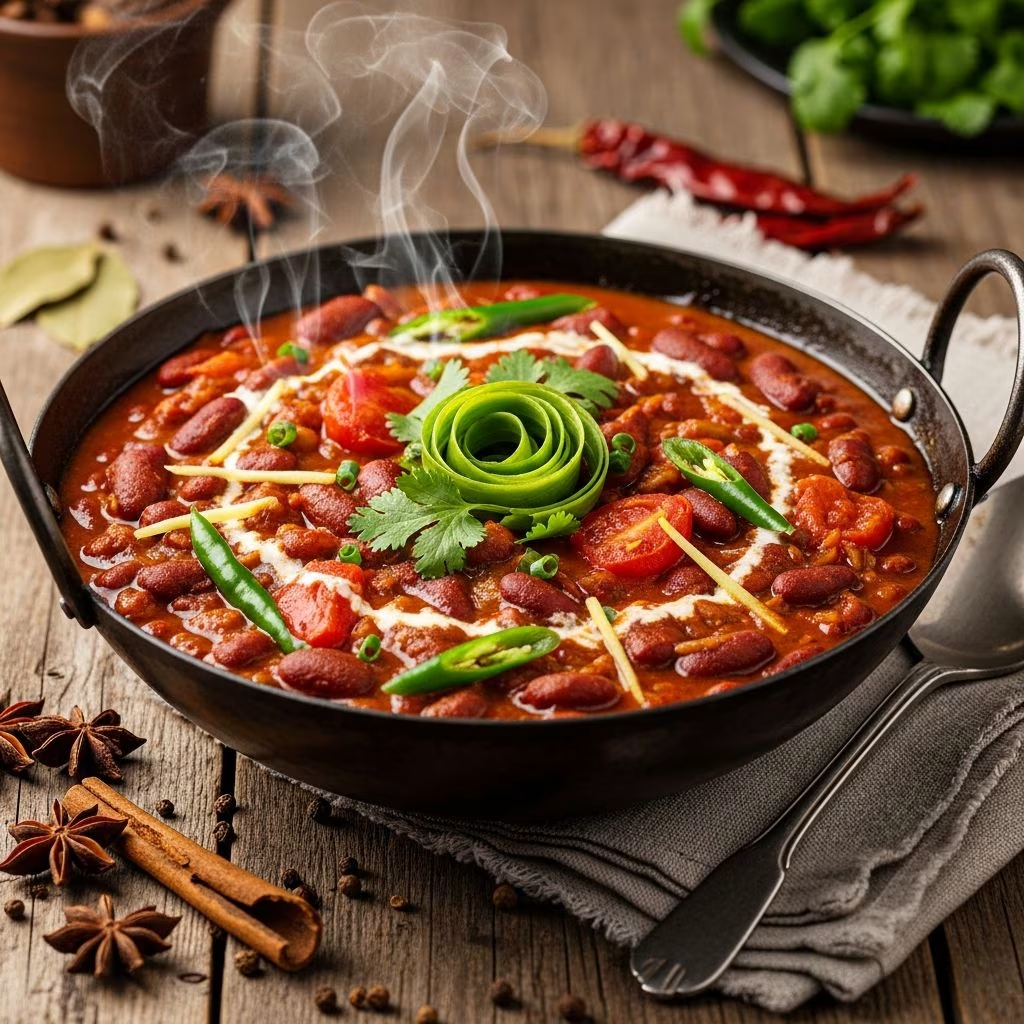
Red kidney beans, known as lobia in many South Asian languages, transform into a comforting yet fiery dish when paired with ripe tomatoes and bold spices. This recipe draws from Peshawar’s bustling street stalls, where it’s a go-to for students seeking an affordable, filling lunch. Unlike heavier meat curries, Lobia Karahi highlights the earthy sweetness of beans in a glossy tomato gravy, punched up with garlic, chilies, and chili powder.
The Roots of Lobia Karahi in Pakistani Cuisine
Peshawar, a historic city in Pakistan’s Khyber Pakhtunkhwa province, pulses with food culture dominated by rich meat preparations. Yet, Lobia Karahi stands out as a vegetarian staple sold at every corner stall. It’s prized for its simplicity and nutrition, offering protein-packed beans in a sauce that’s both tangy and spicy. Home cooks like those sharing family recipes adapt it with canned beans for convenience, skipping the overnight soak traditional in rural kitchens.
This dish embodies resourcefulness: tomatoes provide body and acidity, while a modest amount of oil creates a flavorful base. Its popularity extends beyond Pakistan to Afghan borders, where similar bean stews called Lubya feature caramelized onions and dried mint for subtle depth.
Key Ingredients for Authentic Flavor
Gathering the right components ensures the dish’s signature taste. Focus on fresh, vibrant produce and quality spices.
- Red kidney beans: 15.5 oz can, drained and rinsed (or 1.5 cups cooked dried beans). Canned versions save time without sacrificing texture.
- Tomatoes: 4 Roma tomatoes, roughly chopped. Their meaty flesh breaks down into a thick sauce; substitutes like canned crushed tomatoes work in off-season.
- Garlic: 2 cloves, thinly sliced. Fried low and slow, it infuses the oil with nutty aroma.
- Bird’s eye chile: 1 finely chopped, plus extra for garnish. Adjust for heat; Kashmiri chili powder adds color and mild warmth.
- Oil: 1/3 cup vegetable oil. Generous amount is key for the shimmering base traditional in karahi cooking.
- Seasonings: 1.5 tsp Kashmiri red chili powder, 1 tsp salt, fresh cilantro for finish.
Step-by-Step Cooking Guide
Prepare this in a karahi, wok, or deep skillet for even heat distribution. Total time: 25-30 minutes. Yields 2-3 servings.
Heat 1/3 cup vegetable oil in a large skillet over medium until shimmering. Add thinly sliced garlic and fry on low heat for 2-3 minutes until lightly browned, stirring to prevent burning. This step builds the flavor foundation.
Crank heat to medium. Toss in roughly chopped Roma tomatoes. Cover and cook 10 minutes, stirring occasionally, until tomatoes soften into a mushy pulp. The lid traps steam for faster breakdown.
Uncover and stir in 1 finely chopped bird’s eye chile, 1.5 tsp Kashmiri chili powder, and 1 tsp salt. Mix thoroughly to bloom the spices.
Gently fold in drained kidney beans. Cover again and simmer 7-10 minutes on low, allowing beans to absorb flavors and heat through. Stir once midway.
Finish with chopped cilantro and sliced extra chile. Serve hot.
Pro Tip: If using dried beans, soak overnight, boil until tender (about 45-60 minutes or 30 in pressure cooker), then proceed.
Nutritional Profile and Health Benefits
Lobia Karahi is a powerhouse for plant-based eaters. One serving (about 1 cup) delivers roughly 300-400 calories, 15g protein, 10g fiber, and vitamins from tomatoes like C and K.
| Nutrient | Per Serving | % Daily Value* |
|---|---|---|
| Protein | 15g | 30% |
| Fiber | 10g | 36% |
| Iron | 4mg | 22% |
| Vitamin C | 20mg | 22% |
| Potassium | 700mg | 15% |
| *Based on 2,000 calorie diet. Estimates from USDA data on kidney beans and tomatoes. | ||
Kidney beans aid digestion and blood sugar control due to high fiber; tomatoes contribute lycopene, an antioxidant linked to heart health. The dish’s low glycemic index makes it diabetic-friendly when paired with whole grains.
Regional Variations Across South Asia
While Peshawar’s version is oil-rich and tomato-forward, adaptations abound.
- Punjabi Rajma Masala: Onion-heavy base with cumin, ginger-garlic paste, and pressure-cooked beans for thicker gravy. Often served with rice.
- Afghan Lubya: Caramelized onions, coriander-cumin bloom, blended tomato sauce, and dried mint. Simmered longer for buttery beans.
- Persian Khorak-e Loobia: Lemon juice for tang, tomato paste option, served cold with bread and salads. Soaked beans boiled separately.
- Indian Red Lobia Curry: Soaked beans with whole spices, boiled with tomatoes. Family-style comfort food.
Experiment: Add cumin seeds for earthiness or garam masala for warmth.
Perfect Pairings and Serving Suggestions
Serve Lobia Karahi bubbling hot with basmati rice to soak up the gravy, or naan for scooping. In Peshawar, it’s lunch solo; at home, elevate with yogurt raita to cool spice, pickled onions for crunch, and lemon wedges.
- Rice bowl: Layer over steamed basmati with cucumber slices.
- Wrap it: Stuff into paratha for portable eats.
- Side boost: Pair with aloo tikki or fresh salad.
Leftovers store 3-4 days refrigerated; reheat with splash of water to revive sauce.
Troubleshooting Common Issues
- Sauce too thin? Simmer uncovered longer or mash some beans.
- Too spicy? Balance with dairy or sugar.
- Beans tough? Ensure fully cooked; canned are foolproof.
- Oil separates? Normal in karahi style—stir before serving.
Frequently Asked Questions (FAQs)
Can I make Lobia Karahi vegan?
Yes, it’s naturally vegan. Use any neutral oil.
What if I can’t find Kashmiri chili?
Substitute regular chili powder with paprika for color.
Is a pressure cooker necessary?
No, but it speeds dried beans. Stovetop works fine.
How to scale for a crowd?
Double ingredients; use larger pot. Freezes well up to 1 month.
Gluten-free?
Absolutely, no wheat involved.
Meal Prep and Storage Tips
Batch-cook for the week: Beans hold shape well. Portion into airtight containers. Thaw overnight if frozen. Reheat gently to avoid mushiness.
This dish’s versatility shines in busy lives—quick from cans, nourishing, and endlessly adaptable. From Peshawar stalls to your table, Lobia Karahi delivers bold taste with minimal fuss.
References
- Lobia karahi (red kidney beans with tomatoes) – Cool Beans — one5c. 2025-03. https://coolbeans.one5c.com/red-kidney-beans-with-tomatoes-recipe/
- Red Kidney Beans with Tomatoes (Lobia Karahi) — Cool Beans Substack. N/A. https://coolbeansmail.substack.com/p/red-kidney-beans-with-tomatoes-lobia
- Red Lobia Kidney Bean Curry Rajma Recipe — Sofia’s Family Kitchen (YouTube). N/A. https://www.youtube.com/watch?v=FCjssaoTqMo
- Rajma Masala / Lal Lobia (Red Kidney Bean Curry) — Becky Keeps House. N/A. https://beckykeepshouse.com/rajma-masala-lal-lobia-red-kidney-bean-curry/
- Khorak-e Loobia – Red Kidney Beans Side Dish — Turmeric Saffron. 2012-08. https://turmericsaffron.blogspot.com/2012/08/khorak-e-loobia-red-kidney-beans-side.html
- Afghan Kidney Bean Curry (Lubya) — The Curious Chickpea. N/A. https://www.thecuriouschickpea.com/afghan-kidney-bean-curry/