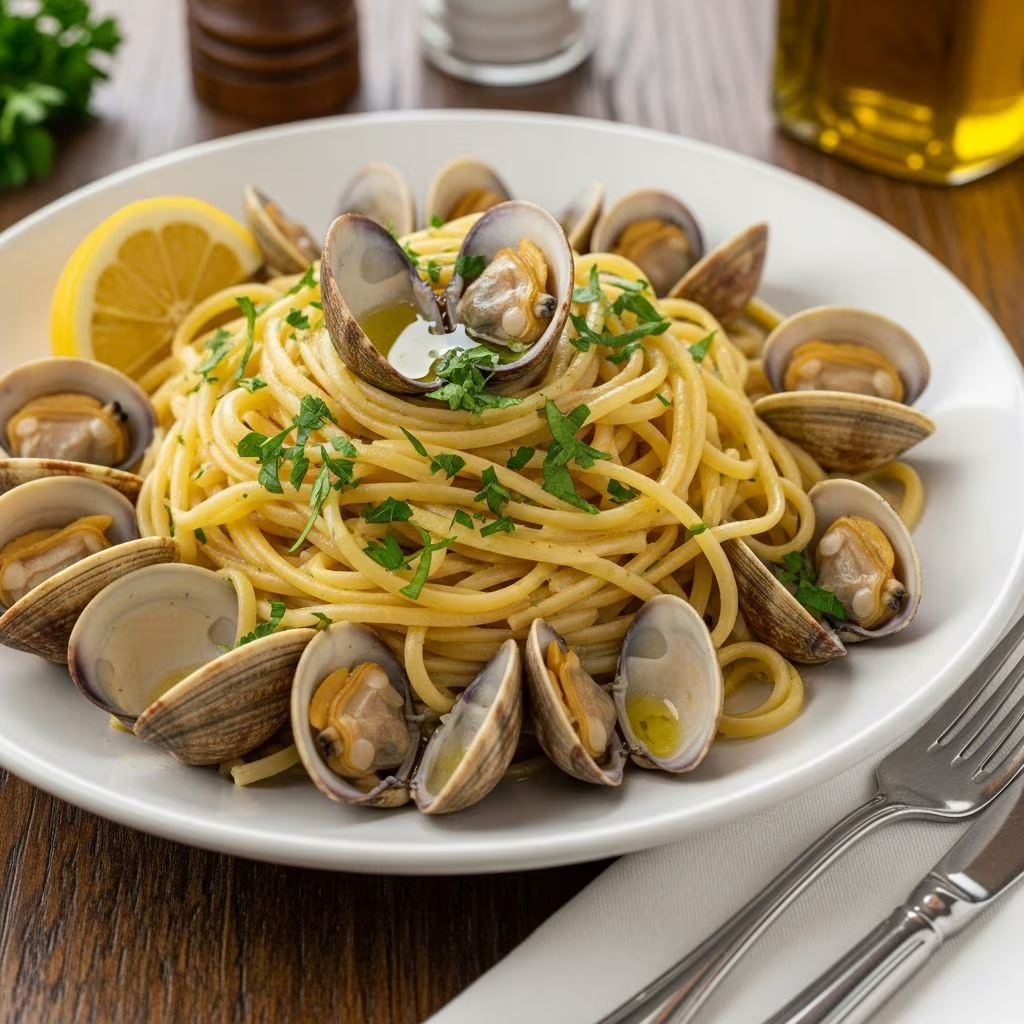
Linguine with clam sauce stands as one of Italy’s most celebrated coastal pasta dishes, embodying the simplicity and elegance that define Mediterranean cuisine. Known in Italian as pasta alle vongole, this dish combines tender pasta strands with a briny, aromatic sauce built from clams, garlic, white wine, and olive oil. What makes this recipe particularly appealing is its accessibility—despite its sophisticated flavors, it requires minimal ingredients and can be prepared in approximately 30 minutes, making it ideal for both weeknight dinners and special occasions.
Understanding the Two Main Sauce Variations
Linguine with clam sauce exists primarily in two distinct styles, each celebrated in different Italian regions and by various cooks worldwide.
White Clam Sauce: The Purist’s Approach
The white clam sauce version represents the most traditional preparation, particularly favored in northern Italian coastal communities. This style relies on the natural juices released by the clams combined with white wine to create a light, flavorful broth. The sauce typically contains no tomatoes, cream, or dairy products, allowing the delicate flavor of the clams to remain the focal point. Extra virgin olive oil provides richness and body, while garlic and sometimes anchovies add depth and umami qualities. Many cooks prefer this version for its purity and its ability to highlight the quality of fresh clams.
Red Clam Sauce: A Tomato-Based Alternative
The red variation incorporates crushed tomatoes into the base, creating a more robust and slightly acidic sauce. This version gained popularity in Italian-American cuisine and offers a different flavor profile that complements both fresh and canned clams effectively. The tomato element adds sweetness and acidity, creating complexity that some diners find more satisfying. Red clam sauce also tends to coat the pasta more thoroughly than its white counterpart.
Selecting Your Clams: Fresh Versus Canned
The choice between fresh and canned clams significantly impacts both the preparation process and the final result.
Fresh Clams: Authenticity and Flavor
Fresh clams, particularly small varieties such as littleneck, cockles, or baby clams, deliver superior flavor and texture. When shopping for fresh clams, select specimens that are tightly closed, indicating they are alive and fresh. Plan to use them the same day or within 24 hours for optimal quality. Fresh clams release their briny liquid as they open during cooking, creating an intensely flavored natural sauce. Typically, recipes call for 36 to 50 small clams to serve four people adequately. Before cooking, scrub the shells under cold running water to remove any sand or debris, as grit between the shell and meat can compromise the dining experience.
Canned Clams: Convenience and Consistency
Canned clams provide a practical alternative when fresh specimens are unavailable or prohibitively expensive. Available in two forms—whole baby clams or chopped clams—canned varieties offer consistent quality and year-round availability. Most recipes using canned clams call for two to three 10-ounce cans, providing approximately one pound of clam meat. The liquid contained in canned clams can be reserved and used to enhance the sauce. While canned clams lack the textural complexity of fresh specimens, they still deliver authentic clam flavor when combined with quality aromatics and other ingredients. Many experienced cooks find that adding canned clams to a well-constructed sauce produces results nearly indistinguishable from fresh clam versions.
Essential Ingredients and Their Roles
Beyond clams and pasta, several foundational ingredients work in concert to create the characteristic flavor profile of this dish.
- Extra Virgin Olive Oil: Typically between ¼ and 6 tablespoons, depending on recipe preferences and clam quantity. Quality olive oil provides the backbone of the sauce and contributes significantly to the overall flavor.
- Garlic: Ranging from 4 to 7 cloves, sliced or minced. Garlic should be cooked gently to develop sweet, mellow flavors without becoming bitter or burnt.
- White Wine: Usually ¾ to 1 cup of dry white wine, which adds acidity and helps deglaze the pan while developing sauce complexity.
- Clam Juice: Approximately ½ cup of bottled clam juice enhances the briny character when using canned clams or when additional sauce volume is needed.
- Red Pepper Flakes: A pinch to ¾ teaspoon provides subtle heat and complexity, balanced against the other flavors.
- Fresh Italian Parsley: ¼ cup chopped adds freshness, color, and a final flavor dimension.
- Pasta: One pound of linguine serves four people as a main course.
Step-by-Step Cooking Process
Preparing the Base
Begin by bringing a large pot of salted water to a rolling boil for the pasta. While the water heats, prepare your aromatic base. Heat olive oil in a large sauté pan over medium-low to medium heat, then add sliced or minced garlic. Cook gently for one to two minutes, stirring frequently, until the garlic becomes golden and fragrant but does not brown. This step is critical because burnt garlic develops bitter, unpleasant flavors that compromise the entire dish. Some recipes incorporate minced shallots or anchovies at this stage, both of which dissolve into the oil and add subtle umami depth.
Introducing the Clams
Add fresh clams (or canned clams if using) to the aromatic base and stir to combine. For fresh clams, cover the pan and cook for approximately 5 to 8 minutes until the shells begin opening. As clams open, remove them to a separate bowl; discard any that refuse to open after cooking, as they may be unsafe to eat. For canned clams, simply combine them with the aromatics and cook for 1 to 2 minutes to integrate flavors.
Deglazing and Sauce Development
Pour in dry white wine and increase heat to medium-high, allowing the wine to reduce for 3 to 4 minutes. This deglazing process loosens flavorful browned bits from the pan bottom. Add clam juice, crushed tomatoes (if making red sauce), and red pepper flakes. Stir well and return to a simmer. If using fresh clams, the natural liquid released during opening combines with these other ingredients to create a balanced, flavorful sauce.
Pasta Integration
Add the linguine to the boiling salted water when the sauce is nearly complete. Cook the pasta until it reaches al dente texture—tender yet retaining slight firmness when bitten. Before draining, reserve approximately ¼ cup of pasta cooking water, as its starch helps emulsify the sauce and adjust consistency. Drain the pasta and add it directly to the clam sauce.
Final Assembly
Toss the pasta with the sauce and clams over low heat for 1 to 2 minutes, allowing flavors to meld. Add chopped fresh parsley and season with freshly ground black pepper. If the sauce appears too thick, add reserved pasta water by the tablespoon until reaching desired consistency. The pasta should be generously coated with sauce but not swimming in liquid. Divide among serving plates immediately and serve hot.
Ingredient Flexibility and Recipe Variations
While traditional recipes follow established patterns, numerous variations accommodate different preferences and ingredient availability. Some cooks incorporate anchovies, which dissolve into the oil and provide savory complexity without imparting a fishy taste. Others add crushed tomatoes for depth and acidity. Heavy cream appears in some recipes, creating a richer sauce that bridges white and red variations. Experimenting with these additions allows you to develop a version perfectly suited to your palate.
Nutritional Considerations
Linguine with clam sauce offers impressive nutritional benefits. Clams serve as an excellent lean protein source, rich in iron, vitamin B12, and omega-3 fatty acids—essential nutrients often lacking in typical diets. Extra virgin olive oil provides heart-healthy monounsaturated fats and polyphenol antioxidants. The combination creates a dish that satisfies both culinary and nutritional objectives, making it suitable for health-conscious diners seeking flavorful, nutrient-dense meals.
Frequently Asked Questions
Can I make this dish ahead of time?
The clam sauce can be prepared up to 4 hours in advance and refrigerated. However, it is best to cook the pasta fresh just before serving, as reheated pasta often develops an undesirable texture. Reheat the sauce gently over low heat before combining with freshly cooked pasta.
What type of wine works best?
Dry white wines such as Sauvignon Blanc, Pinot Grigio, or Vermentino work excellently. Avoid sweet or heavily oaked wines, which can overpower the delicate clam flavors. Choose a wine you would enjoy drinking, as its character significantly influences the finished sauce.
How do I prevent gritty linguine?
Thoroughly rinse fresh clams under cold running water while scrubbing shells with a stiff brush. During cooking, allow clams to release their liquid completely before removing them from shells. This process helps any sand settle to the pan bottom rather than transferring to the final dish.
Can I substitute other pasta shapes?
While linguine is traditional, fettuccine, spaghetti, or even short pasta shapes like penne work adequately. Linguine’s flat surface area particularly suits this sauce, as it captures and holds the liquid-based sauce effectively. Long, thin pastas generally pair better with lighter sauces than chunky short forms.
What should I serve alongside this dish?
A crisp green salad, steamed vegetables, or garlic bread complement linguine with clam sauce nicely. The same dry white wine used in cooking pairs beautifully as an accompanying beverage, creating a cohesive, restaurant-quality dining experience.
Achieving Restaurant-Quality Results at Home
Several techniques elevate homemade linguine with clam sauce toward professional standards. Use quality ingredients—fresh clams when available, premium extra virgin olive oil, and proper dry white wine. Cook garlic gently rather than aggressively, as this preserves delicate flavors. Allow sufficient time for sauce reduction and flavor concentration. Finally, plate the dish immediately after combining components, serving in warmed bowls to maintain optimal temperature throughout the meal.
References
- Linguine con Vongole (Linguine with Clam Sauce) — FoodieCrush.com. Accessed April 2026. https://www.foodiecrush.com/linguine-longole-fresh-clam-sauce/
- Linguine with Clam Sauce Recipe (Pasta Alle Vongole) — Billy Parisi. Accessed April 2026. https://www.billyparisi.com/linguine-and-white-clam-sauce-recipe/
- Linguine with White Clam Sauce — Lidia’s Italy. Accessed April 2026. https://lidiasitaly.com/recipes/linguine-white-clam-sauce/
- Linguine with Canned Clams — Sip and Feast. Accessed April 2026. https://www.sipandfeast.com/linguine-canned-clams/
- Recipe: Linguine with Clam Sauce — Andrew Zimmern, YouTube. Accessed April 2026. https://www.youtube.com/watch?v=Kg-Jdt8818U