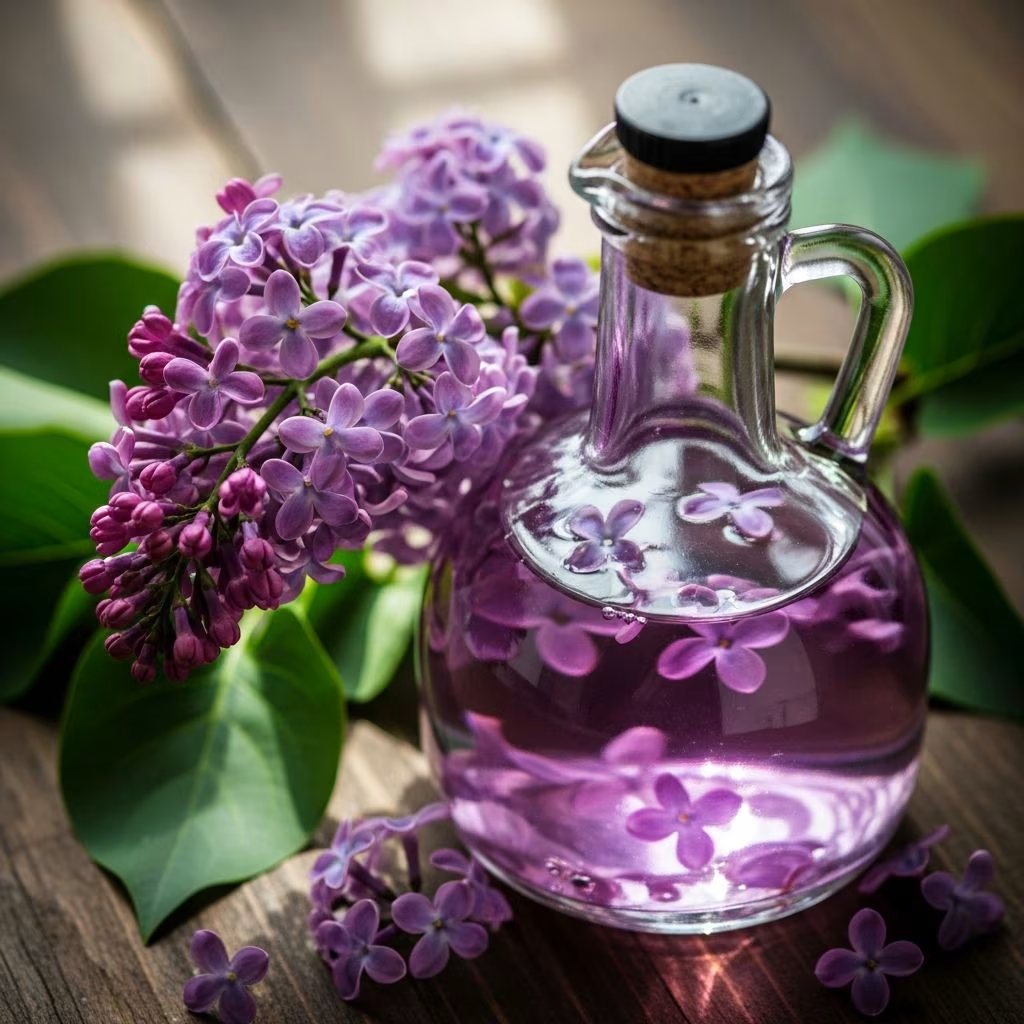
Transform the delicate petals of lilac blossoms into a versatile pantry staple with **lilac vinegar**. This infusion captures the flowery, slightly citrusy notes of spring lilacs, offering a unique twist on traditional vinegars for dressings, marinades, and more. Foraging-friendly and easy to prepare, it brings nature’s bounty straight to your table.
The Allure of Lilac in Culinary Creations
Lilacs, with their clusters of purple or white blooms, evoke memories of blooming gardens and warm May days. Beyond their beauty, the flowers lend a subtle floral aroma and taste reminiscent of lemon and spice when steeped in vinegar. This process extracts essential oils and flavors, creating a product that’s both decorative and functional in the kitchen.
Historically, infused vinegars have preserved seasonal flavors for centuries, allowing cooks to bottle summer’s essence for year-round use. Lilac vinegar fits this tradition perfectly, providing a light acidity that enhances dishes without overpowering them. Its versatility shines in everything from simple green salads to complex reductions.
Foraging and Preparing Lilac Blossoms Safely
Start with sourcing: Select lilacs from unsprayed bushes, ideally in your garden or a trusted wild spot away from roadsides to avoid pollutants. Pick on a dry day in full bloom, focusing on dark purple varieties for deeper color and flavor. Gently shake off insects and remove stems, as they can add bitterness.
- Harvest 1-2 cups of florets per pint of vinegar for balanced infusion.
- Wash lightly in cool water if needed, then pat dry to prevent dilution.
- Inspect for mold or damage; only use fresh, vibrant blooms.
Safety first: Lilacs (Syringa vulgaris) are generally edible in moderation, but confirm your variety isn’t toxic mimics like foxglove. Consult local foraging guides and start small to test tolerance.
Basic Lilac Vinegar Recipe
This straightforward method yields a classic infusion ready in weeks. It uses red wine vinegar for its fruit-forward profile that complements lilac’s notes.
- Pack a clean glass jar with 1 cup loosely packed lilac florets.
- Pour 2 cups red wine vinegar (5-6% acidity) over the flowers, ensuring full submersion.
- Seal with a non-reactive lid (plastic or cork) and store in a cool, dark cupboard.
- Shake daily; infuse for 10-14 days, tasting after one week.
- Strain through cheesecloth, bottle in sterilized jars, and store refrigerated for up to a year.
Yield: About 1.5 cups. Pro tip: A 1:1 flower-to-vinegar ratio intensifies flavor for bolder results.
Advanced Variations for Unique Twists
Elevate your infusion with add-ins for complexity. Experiment seasonally to match lilac’s bloom time.
| Variation | Key Ingredients | Infusion Time | Best Uses |
|---|---|---|---|
| Fruity Cherry Lilac | 50g dried cherries, 1 tbsp honey, 500ml white vinegar, 3 lilac heads | 6 weeks | Dessert vinaigrettes, glazes |
| Herbal Spice Blend | Carnations, acacia honey, high-quality apple cider vinegar | 4-6 weeks | Meat marinades, pickling |
| Wild Yeast Ferment | Apple juice base, lilac florets, raw vinegar mother | 2-4 weeks + fermentation | Artisanal salads, shrubs |
For the fruity version, dissolve honey in warmed vinegar before pouring over cherries and flowers. The wild yeast method starts with fermenting juice into alcohol first, then acetifying—a longer but rewarding process for homemade depth.
In the Kitchen: Recipe Ideas Featuring Lilac Vinegar
Fresh Spring Greens Salad
A light starter that highlights lilac’s subtlety.
- 6 cups mixed greens (arugula, spinach, herbs)
- 2 tbsp olive oil
- 1 tbsp lilac vinegar
- Salt, pepper, edible flowers
Toss greens with oil until glossy, add vinegar, season, and garnish. Serves 4; ready in 5 minutes.
Grilled Vegetable Marinade
Mix ½ cup lilac vinegar, ¼ cup olive oil, garlic, herbs. Marinate zucchini, peppers, and onions for 30 minutes before grilling. The floral tang cuts richness perfectly.
Lemony Lilac Jelly
Base lilac vinegar (1 cup) with sugar (4 cups), pectin, and lemon juice. Boil to 220°F, jar, and seal for a spreadable treat on scones or cheese boards.
Savory Soup Brightener
Stir 1 tsp into chili or vegetable soups near end of cooking for a fresh lift without altering texture.
Beyond the Plate: Cleaning and Household Uses
Lilac vinegar’s natural acidity makes it a powerhouse cleaner. Steep in white vinegar for a month, strain, and use diluted 1:1 with water for:
- Glass and counter wipes—cuts grease with floral scent.
- Laundry softener—add ¼ cup to rinse cycle.
- Fabric refresher—spray on upholstery for natural deodorizing.
Antimicrobial properties from vinegar pair with lilac’s mild astringency, offering an eco-friendly alternative to chemical sprays.
Storage, Shelf Life, and Troubleshooting
Store in dark glass bottles away from light; refrigeration extends life to 12+ months. Signs of spoilage: cloudiness, off odors, or mold—discard immediately.
Common issues:
- Weak flavor: Use more flowers or longer steep.
- Cloudy result: Fine straining and pasteurization help.
- No bubbles in ferments: Cooler temps slow yeast; be patient or add starter.
Seasonal Timing and Sourcing Tips
Lilacs bloom briefly in late spring (May-June in temperate zones). Forage ethically: Take only 10-20% from any bush to sustain populations. If unavailable, dried flowers work but yield milder results. Grow your own Syringa for reliable supply—common lilac thrives in zones 3-7.
Health Notes and Moderation
While vinegar aids digestion and lilac has traditional calming uses, consult professionals for allergies or medicinal claims. Acidity may irritate sensitive stomachs; dilute in recipes.
FAQ
Can I use any vinegar for lilac infusion?
Champagne, white wine, or apple cider pair best; avoid dark balsamic to preserve floral notes.
How long does homemade lilac vinegar last?
Up to a year refrigerated; check for changes before use.
Is lilac vinegar safe for pickling?
Yes, if 5%+ acidity; test pH under 4.6 for safety.
What if my infusion smells off?
Discard if vinegary sharpness turns unpleasant—better safe than sorry.
Can I make this alcohol-free and raw?
Skip ferments; simple steeps preserve raw benefits.
References
- How to Make Lilac Vinegar — The Charmed Kitchen. 2023-05-15. https://thecharmedkitchen.com/tag/how-to-make-lilac-vinegar/
- Lilac Vinegar Recipe — Vild Mad. 2022-06-01. https://vildmad.dk/en/recipes/syrenedikke
- Wildcrafted Lilac Vinegar — Mother Earth News. 2021-04-20. https://www.motherearthnews.com/real-food/lilac-vinegar-zm0z21amzbut/
- I Made Lilac Infused Vinegar — YouTube (Christina Our Wood Home). 2022-06-10. https://www.youtube.com/watch?v=rQCv4X2Q0dQ