The lemon syllabub represents one of culinary history’s most elegant and deceptively simple desserts. This creamy, luxurious creation has graced tables for centuries, yet requires only basic ingredients and minimal preparation time. The dessert combines the richness of heavy cream with the brightness of fresh lemon, creating a sophisticated treat that appears far more complicated than it actually is.
Understanding Syllabub: Origins and Evolution
Syllabub emerged as a beloved dessert in 17th-century England, where it quickly became a staple among aristocratic households and festive gatherings. The dessert gained renewed popularity in recent years through television programs that showcased historical cooking traditions, introducing modern audiences to this timeless creation. Its resurgence demonstrates how classic recipes continue to captivate contemporary diners seeking authentic, unpretentious elegance.
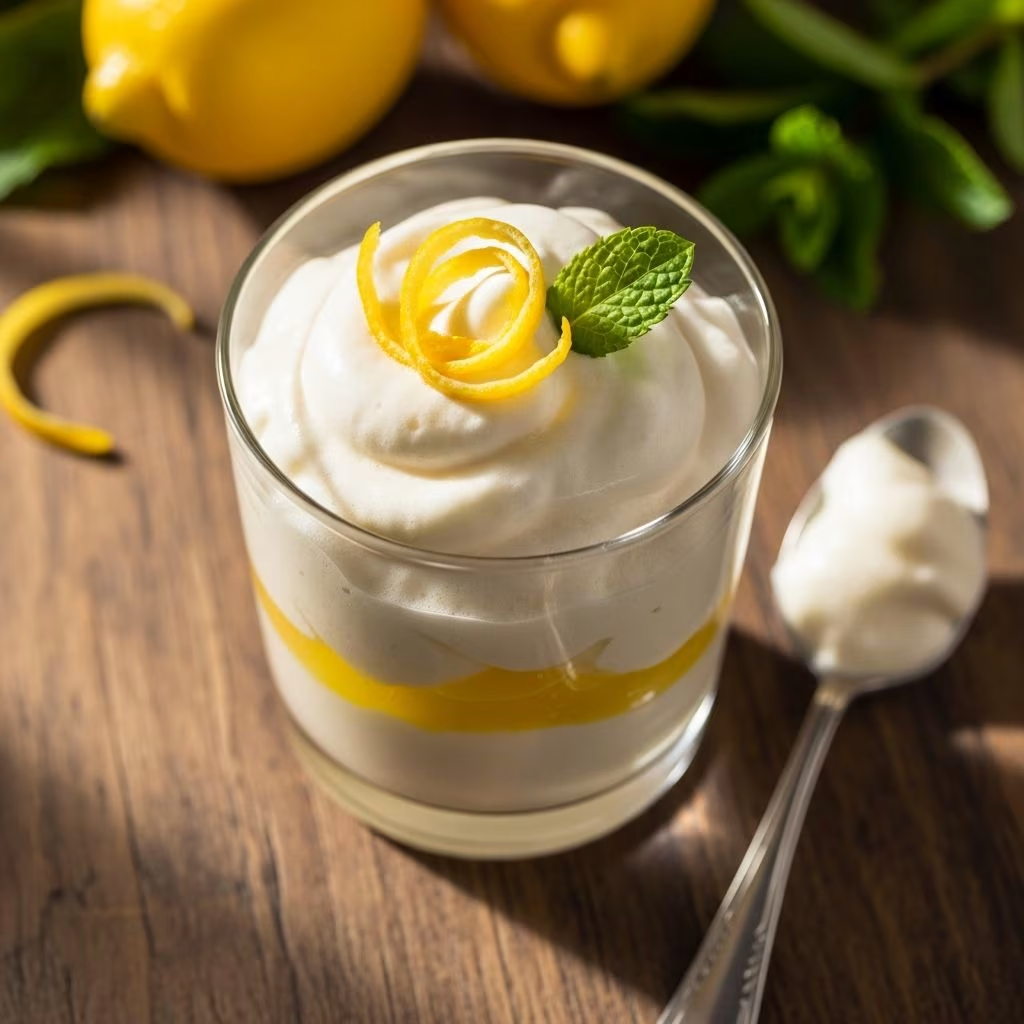
The basic concept behind syllabub involves the interplay between acidic components and cream, creating an interesting separation when prepared correctly. Traditionally, the liquid settles at the bottom of the glass while the frothy, whipped cream rises to the top, creating a visually striking two-layer dessert that serves as both a culinary showstopper and a conversation starter.
Core Ingredients and Their Functions
Creating an authentic lemon syllabub requires understanding how each ingredient contributes to the final texture and flavor profile. The foundation begins with heavy cream, which provides the luxurious base that defines this dessert. Fresh lemon juice and zest deliver the signature bright flavor, while sugar balances the acidity and adds sweetness. The choice of liquid component—whether wine, brandy, cider, or prosecco—distinguishes different variations and allows for personalization based on preferences and dietary restrictions.
| Ingredient | Quantity (Serves 4-6) | Purpose |
|---|---|---|
| Heavy Whipping Cream | 1.5 cups | Creates creamy texture and volume |
| Granulated Sugar | 0.25-0.5 cup | Sweetens and stabilizes mixture |
| Fresh Lemon Juice | 2-4 tablespoons | Provides acidic brightness |
| Lemon Zest | 0.5-1 teaspoon | Adds intense lemon flavor |
| Liquid Component | 0.5-1 cup | Creates separation and flavor depth |
Recipe Variations: Finding Your Perfect Version
The Wine-Based Classic
The traditional wine-based syllabub showcases the dessert’s original character. This version combines white wine or sherry with heavy cream, fresh lemon, and sugar. The fermented beverage adds sophisticated depth while the acid encourages the distinctive layering effect. Some recipes incorporate brandy for additional complexity and warming notes. This approach appeals to those seeking an authentic historical experience and creates an elegant adult dessert perfect for dinner parties.
The Non-Alcoholic Apple Option
For households preferring alcohol-free alternatives, apple juice or cider provides excellent substitution without compromising flavor or texture. Apple juice’s natural acidity mirrors the function of wine while offering a gentler, more versatile taste profile. This version accommodates younger diners and guests with dietary restrictions while maintaining the dessert’s essential character. The apple’s subtle sweetness complements lemon without overwhelming delicate flavors.
The Modern Prosecco Enhancement
Contemporary variations introduce prosecco or champagne for added celebratory flair. These sparkling wines create additional textural interest through carbonation while the bubbles integrate into the whipped cream layer. Some creative versions incorporate mascarpone alongside heavy cream, creating even richer mouthfeel and allowing for limoncello infusion. These elegant twists suit special occasions and dinner parties where presentation matters significantly.
Step-by-Step Preparation Guide
Despite its sophisticated appearance, syllabub preparation follows straightforward techniques accessible to cooks of all skill levels. Success depends on understanding the science behind cream whipping and liquid separation rather than mastering complex procedures.
Initial Preparation Phase
- Select a firm, unblemished lemon and zest approximately half of it directly into a mixing bowl
- Juice the entire lemon, aiming for 2-4 tablespoons of liquid depending on lemon size and tartness preference
- Use your fingers to rub the lemon zest into granulated sugar, breaking down the zest and releasing flavorful oils
- Combine zest-sugar mixture with lemon juice and your chosen liquid component
- Allow this combination to sit briefly, permitting flavors to meld before proceeding
Cream Integration
- Pour chilled heavy cream into the liquid mixture
- Begin whisking gently, gradually increasing vigor as the mixture begins to thicken
- Continue whisking until soft peaks form—the mixture should hold its shape but still appear light and airy
- Avoid over-whisking, which can lead to buttery texture and grainy appearance
- Stop when the texture reaches thick, fluffy consistency suitable for spooning
Setting and Separation
- Gently pour the mixture into serving glasses or bowls
- Allow the dessert to sit undisturbed at room temperature for 1-3 hours
- During this resting period, the acidic liquid naturally separates from the whipped cream
- The frothy cream rises to the top while lemony liquid pools at the bottom
- Refrigerate until serving time, though room temperature consumption offers interesting flavor dynamics
Achieving Perfect Texture and Consistency
The distinctive two-layer appearance of syllabub depends on achieving correct whipping stages and understanding separation mechanics. Whisking too little produces a mixture that fails to thicken adequately, resulting in an overly liquid presentation. Conversely, aggressive whisking transforms the texture into something resembling butter, destroying the light, airy quality that defines excellent syllabub.
Temperature significantly influences success rates. Cream whips most effectively when thoroughly chilled, while room temperature cream struggles to reach proper peaks. Using a chilled mixing bowl provides additional advantage, keeping cream cold throughout the whisking process. For those preparing syllabub in warm kitchens, briefly placing the mixing bowl and whisk in the freezer before beginning helps maintain optimal conditions.
Flavor Customization and Personal Touches
While the fundamental lemon syllabub formula remains constant, numerous opportunities exist for subtle personalization. Vanilla extract adds warmth and complements lemon’s brightness, though only half a teaspoon prevents vanilla from dominating delicate flavors. Fresh mint leaves provide visual appeal and aromatic enhancement when used as garnish. Thinly sliced lemon rounds showcase the dessert’s namesake ingredient while offering visual elegance.
Adventurous cooks might experiment with alternative citrus options, incorporating lime juice or blood orange alongside traditional lemon for nuanced flavor evolution. Honey substitution for granulated sugar creates different flavor profiles and caramelized complexity. However, maintaining balance remains essential—aggressive flavor additions easily overshadow the delicate equilibrium that makes syllabub special.
Serving and Presentation Strategies
Presentation elevates syllabub from simple dessert to impressive finale. Choosing the right glassware matters significantly—wine glasses, champagne coupes, or clear bowls all showcase the distinctive layering effect. Individual portions prove more elegant than family-style service, allowing guests to appreciate the two-tone appearance before tasting.
Garnishing options range from simple to elaborate. Lemon slices positioned artfully on the cream layer provide classic appeal. Fresh mint leaves suggest freshness and refinement. Candied lemon peel offers upscale presentation for special occasions. Raspberries introduce contrasting color and subtle tartness that complements lemon beautifully. Whichever garnish approach is chosen, restraint prevents the dessert from appearing cluttered or overdone.
Syllabub should be consumed the same day it’s prepared, as separation becomes excessive over extended periods and cream texture deteriorates. This limitation actually encourages last-minute preparation, ensuring maximum freshness and optimal flavor delivery.
Frequently Asked Questions
Can syllabub be made ahead for entertaining?
Syllabub is best prepared 1-3 hours before serving, allowing natural separation to occur. Making it further in advance results in excessive liquid accumulation and diminished cream texture. However, individual components can be prepared ahead—zested sugar mixed with lemon juice keeps well, and cream remains fresh when properly refrigerated.
What causes syllabub to fail to separate?
Insufficient acidity prevents proper separation. Ensure adequate lemon juice and verify juice freshness—old juice loses acidity and effectiveness. Additionally, room temperature that’s too cold slows separation; allowing the dessert to sit at comfortable room temperature for the full 2-3 hours promotes layer formation.
Is syllabub suitable for dietary restrictions?
Traditional syllabub contains alcohol and dairy, limiting options for those with restrictions. However, non-alcoholic versions using apple juice or cider accommodate many preferences. Those with dairy allergies cannot easily prepare traditional syllabub without sacrificing its essential character, though experimental alternatives using coconut cream might work.
How does wine choice affect the final product?
Wine selection significantly influences flavor profile. Dry white wines create brighter, more refreshing versions, while sweet or dessert wines produce richer, more indulgent results. Sherry adds nutty complexity, while prosecco introduces celebratory bubbles and slight sweetness. Choose wines you enjoy drinking, as inferior wine produces inferior syllabub.
Can syllabub be frozen for later consumption?
Freezing fundamentally alters syllabub’s delicate texture, destroying the airy quality that defines the dessert. The whipped cream becomes grainy and dense upon thawing, and separation becomes uncontrollable. Fresh preparation remains essential for authentic syllabub enjoyment.
Historical Context and Cultural Significance
Syllabub exemplifies how classical recipes transcend time through their intrinsic appeal and adaptability. Colonial American households adopted the English creation, integrating it into their entertaining traditions. The dessert appears in historical cookbooks spanning centuries, each era adapting the base formula to available ingredients and contemporary tastes. This continuity demonstrates syllabub’s fundamental soundness as a culinary concept.
The dessert’s resurgence in popular culture through television programs renewed interest among contemporary diners seeking authenticity and historical connection through food. Its elegant appearance and deceptive simplicity make it particularly appealing to home entertainers looking to impress guests without extensive preparation effort.
Conclusion: Embracing Culinary Tradition
Lemon syllabub bridges culinary history with modern entertaining sensibilities, offering home cooks an opportunity to create sophisticated, impressive desserts without advanced technique or complicated procedures. Understanding the basic principles behind this classic allows for confident preparation and creative variation. Whether choosing traditional wine-based versions or modern adaptations featuring prosecco or non-alcoholic options, syllabub delivers elegance and flavor that belies its humble simplicity. As the natural separation occurs, guests witness culinary magic that transforms basic ingredients into something genuinely special—and that’s precisely why this centuries-old dessert continues captivating tables today.
References
- Syllabubs Three Ways — Colonial Williamsburg Foundation. 2024. https://www.colonialwilliamsburg.org/discover/resource-hub/recipes/syllabubs-three-ways/
- Syllabub Recipe — James Beard Foundation. 2024. https://www.jamesbeard.org/recipes/syllabub
- The Carolina Housewife — Sarah Rutledge. 1847. Historical culinary reference documenting traditional American syllabub preparation techniques.
- Lemon and Prosecco Syllabub Recipe — Great British Chefs. 2024. https://www.greatbritishchefs.com/recipes/lemon-prosecco-syllabub
- Lemon Syllabub — 12 Tomatoes. 2024. https://12tomatoes.com/lemon-syllabub/