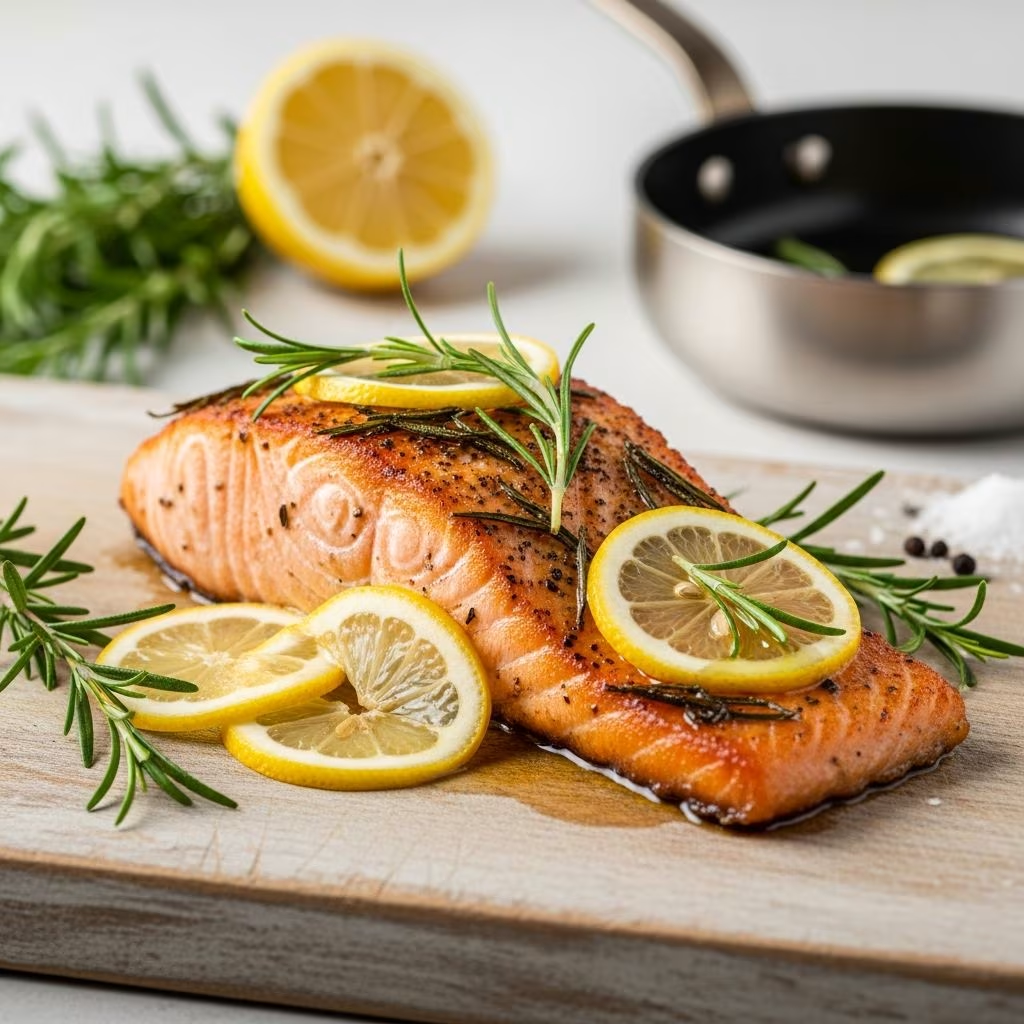
Salmon has become a staple on modern dinner tables, celebrated for its impressive nutritional profile and versatility in the kitchen. The combination of bright citrus and aromatic herbs creates a sophisticated flavor profile that transforms simple salmon fillets into an elegant meal. This guide explores how to prepare lemon rosemary salmon using accessible methods and readily available ingredients.
Understanding Salmon as a Protein Choice
Salmon stands out among fish varieties for several compelling reasons. According to the United States Department of Agriculture, a 3-ounce serving of cooked salmon provides approximately 25 grams of high-quality protein, making it an excellent choice for muscle maintenance and repair. Beyond protein content, salmon contains omega-3 fatty acids, which research from the National Institutes of Health indicates support cardiovascular health and cognitive function.
The flesh of salmon has a naturally buttery texture that pairs beautifully with acidic and herbaceous flavoring agents. This inherent richness means that even minimal seasoning can yield deeply satisfying results. Understanding these characteristics helps explain why lemon and rosemary are such natural companions to this protein.
The Flavor Science Behind Lemon and Rosemary
Lemon contributes more than just tanginess to a dish. The citrus acid brightens flavors and helps cut through the richness of salmon’s fat content, creating better overall balance on the palate. Lemon juice also contains citric acid, which can help break down proteins slightly, tenderizing the fish when used in marinades.
Rosemary brings complexity through its volatile oils, which contain compounds like pinene and limonene. These aromatic molecules create the herb’s distinctive piney, slightly minty character. When heated, rosemary’s flavor becomes more pronounced, infusing the salmon with depth. The combination of lemon’s brightness with rosemary’s earthiness creates a complementary flavor profile that enhances rather than overwhelms the delicate fish.
Essential Ingredients and Quality Considerations
Preparing lemon rosemary salmon requires minimal components, yet ingredient quality significantly impacts the final result:
- Salmon fillets: Choose fish with firm flesh and bright coloring. Wild-caught salmon typically offers more robust flavor compared to farm-raised varieties, though both work well in this preparation.
- Fresh lemon: Room temperature lemons yield more juice than cold ones. Look for lemons with thin skin and slightly soft give when squeezed gently.
- Fresh rosemary: Dried rosemary can substitute in a pinch, using approximately one-third the quantity of fresh. However, fresh rosemary provides superior aromatic qualities.
- Olive oil: Extra virgin olive oil contributes flavor, though a neutral oil works if budget is a concern.
- Salt and pepper: These seemingly simple ingredients require attention. Kosher salt provides better control over salting than table salt due to larger crystal size.
Preparation Techniques and Methods
Several cooking methods work effectively for lemon rosemary salmon, each offering distinct advantages:
Oven Baking Approach
Baking represents perhaps the most foolproof method for preparing salmon. Preheat the oven to 400 degrees Fahrenheit. While the oven reaches temperature, pat salmon fillets dry with paper towels—this step is crucial for developing a better texture. Arrange fillets skin-side down on a parchment-lined baking sheet. Combine fresh lemon juice, minced garlic, finely chopped rosemary, salt, and pepper. Massage this mixture directly onto the salmon surface, ensuring even distribution. Bake for 12-15 minutes depending on fillet thickness; the fish is finished when it flakes easily when tested with a fork. The parchment paper prevents sticking and makes cleanup effortless.
Broiling Method
Broiling creates faster results suitable for thinner fillets. Set the oven rack to the highest position and preheat the broiler to low setting. Butter a baking dish and place salmon fillets skin-side down. Top with thin butter pats, then sprinkle with rosemary and salt. Arrange lemon slices over the top. Position the dish under the broiler for 10-15 minutes, monitoring closely to prevent overcooking. The broiler’s direct heat means watching closely prevents uneven cooking or charring.
Parchment Paper Steaming
This technique, known as en papillote, keeps salmon incredibly moist. Cut parchment paper into 20-inch squares. Center a salmon fillet on each square, season with salt and pepper, then top with lemon slices and fresh rosemary sprigs. Drizzle with olive oil, then fold the parchment in half and crimp the edges tightly to create sealed packets. Place packets on a baking sheet and bake at 400 degrees for 20-25 minutes. The trapped steam cooks the fish gently while preserving all juices and flavors.
Creating Complementary Side Dishes
Lemon rosemary salmon pairs beautifully with numerous accompaniments. Roasted vegetables like asparagus, Brussels sprouts, or green beans complement the fish without competing for attention. Grain-based sides such as quinoa, farro, or wild rice provide substance and balance the meal. For lighter preparations, a simple arugula salad dressed with lemon vinaigrette and fresh herbs works wonderfully. Roasted new potatoes with herbs offer classic comfort alongside the sophisticated salmon preparation.
Timing and Temperature Guidelines
| Fillet Thickness | Baking Time (at 400°F) | Internal Temperature | Doneness Indicator |
|---|---|---|---|
| ½ inch | 10-12 minutes | 145°F | Opaque throughout, flakes easily |
| ¾ inch | 12-15 minutes | 145°F | Opaque throughout, flakes easily |
| 1 inch | 15-18 minutes | 145°F | Opaque throughout, flakes easily |
The USDA recommends cooking fish to an internal temperature of 145 degrees Fahrenheit. Using an instant-read thermometer removes guesswork and prevents overcooking. Overcooked salmon becomes dry and loses its appealing texture, so checking doneness at the minimum recommended time prevents disappointment.
Flavor Enhancement Strategies
While the basic lemon rosemary combination is satisfying on its own, several additions elevate the dish further:
- A teaspoon of honey mixed into the herb mixture adds subtle sweetness that balances lemon’s acidity
- Minced garlic incorporates savory depth without overwhelming delicate fish flavors
- Orange zest alongside lemon zest creates more complex citrus notes
- Crushed red pepper flakes introduce gentle heat for those preferring spice
- Caramelized shallots provide aromatic sweetness and complexity
Storage and Make-Ahead Considerations
Cooked salmon keeps refrigerated for 3-4 days in an airtight container. For meal planning, prepare the herb-lemon mixture the morning of cooking, storing it covered in the refrigerator. Salmon fillets can be marinated up to one hour before cooking, allowing flavors to penetrate the flesh more thoroughly. Freezing cooked salmon is possible but not ideal, as the texture becomes noticeably softer upon thawing. Raw salmon freezes better if advance preparation is necessary.
Nutritional Considerations and Health Benefits
This preparation method keeps nutritional value high since it requires minimal added fat and no heavy sauces. The omega-3 fatty acids in salmon are particularly important; research from the American Heart Association suggests consuming fish twice weekly supports cardiovascular health. The lemon juice provides vitamin C, supporting immune function, while rosemary contains antioxidants. A typical serving provides approximately 280 calories with minimal carbohydrates, making this recipe suitable for various dietary approaches including low-carb, paleo, and Whole30 protocols.
Common Mistakes to Avoid
- Overcooking: Monitor cooking time carefully; salmon continues cooking slightly after removal from heat
- Starting with cold fish: Remove salmon from refrigeration 10 minutes before cooking for more even heat distribution
- Skipping the salt: Proper seasoning is essential; undersalting results in bland fish
- Using dried herbs exclusively: While convenient, fresh rosemary provides superior flavor complexity
- Crowding the pan: If pan-searing, ensure fillets have space; overcrowding drops temperature and prevents proper browning
Frequently Asked Questions
Can I use frozen salmon?
Yes, though thawing in the refrigerator overnight produces better results than quick thawing. Thawed salmon should be patted dry before cooking to remove excess moisture.
What if I don’t have fresh rosemary?
Dried rosemary works, using one-third the quantity specified. Alternatively, fresh thyme, dill, or tarragon provide different but complementary herbal notes to salmon.
Can this recipe be scaled for crowds?
Absolutely. The technique remains identical regardless of quantity. Simply arrange fillets on appropriately sized baking sheets and increase cooking time slightly if necessary, monitoring for doneness individually.
Is wild salmon significantly better than farm-raised?
Wild salmon typically has more developed flavor and firmer texture due to its natural diet and activity level. However, farm-raised salmon is nutritious, more affordable, and readily available year-round.
How can I tell if salmon is fresh?
Fresh salmon has firm flesh that springs back when pressed, bright coloring without gray or brown spots, and a clean ocean smell. Avoid fish with strong ammonia odors or mushy texture.
Conclusion
Lemon rosemary salmon represents accessible elegance in home cooking. The straightforward technique, minimal ingredients, and impressive results make this preparation ideal for busy weeknights and special occasions alike. Whether baking, broiling, or steaming, this flavor combination consistently delivers satisfying meals that appeal to diverse palates. The nutritional benefits of salmon combined with the brightness of lemon and depth of rosemary create a truly balanced dish that nourishes both body and palate.
References
- FoodData Central: Fish, salmon, sockeye, cooked, dry heat — United States Department of Agriculture. 2023. https://fdc.nal.usda.gov
- Omega-3 Fatty Acids: An Essential Contribution to Normal Growth and Development — National Institutes of Health. 2023. https://www.nih.gov
- Safe Internal Temperatures and When to Use a Food Thermometer — United States Department of Agriculture Food Safety and Inspection Service. 2024. https://www.fsis.usda.gov
- Fish and Omega-3 Fatty Acids — American Heart Association. 2024. https://www.heart.org