Pound cake represents one of the most enduring dessert traditions in home baking, celebrated for its rich, buttery crumb and straightforward preparation method. When enhanced with the brightness of fresh lemon, this classic cake transforms into a sophisticated treat that balances sweetness with tartness. Understanding the fundamentals of lemon pound cake—from ingredient selection through finishing techniques—allows bakers of all skill levels to create exceptional results.
Understanding the Foundation: What Makes Pound Cake Special
Traditional pound cake derives its name from the original formula that called for one pound each of butter, sugar, eggs, and flour. This simple ratio produces a dense yet tender cake with a golden exterior and moist interior. The technique relies on properly creaming butter and sugar together, which incorporates air into the batter and creates the cake’s characteristic light texture despite the abundance of fat and eggs.
The addition of lemon introduces complexity to this straightforward formula. Rather than simply flavoring the batter with extract, authentic lemon pound cake incorporates fresh lemon zest and juice at multiple stages—within the cake itself, in a soaking syrup applied after baking, and often in a final glaze. This layered approach ensures that lemon flavor permeates every bite without overwhelming the delicate crumb structure.
Selecting and Measuring Ingredients With Precision
Success in baking pound cake depends critically on ingredient quality and accurate measurement. Unlike other cooking applications, baking demands precision because ingredients interact through chemical reactions that determine the final texture and rise.
Flour and Dry Components
Most lemon pound cake recipes call for all-purpose flour, typically ranging from two to three cups depending on whether additional leavening agents are included. The choice between all-purpose and cake flour significantly impacts results; cake flour produces a more delicate, tender crumb due to its lower protein content, while all-purpose flour yields a sturdier cake with more pronounced texture. Baking powder or baking soda serves as a leavening agent, lifting the batter during baking. Recipes that include sour cream or buttermilk typically use baking soda, which reacts with the acidity of these dairy products, whereas recipes without sour cream rely on baking powder for lift.
Butter: The Primary Flavor Component
Butter forms the backbone of pound cake’s rich flavor profile. Recipes typically call for one to one and a half cups of unsalted butter at room temperature. Room temperature butter is essential because cold butter cannot be properly creamed with sugar; it will instead create a lumpy mixture rather than a smooth, pale paste. The creaming process—beating butter and sugar together for five to seven minutes—incorporates tiny air bubbles throughout the batter, which expand during baking and create the cake’s light structure.
Sugar and Optional Flavor Boosters
Granulated sugar typically comprises two to two and a half cups of the batter. Some recipes incorporate additional flavor complexity through surprising ingredients. Instant lemon pudding powder, used in dry form without hydration, adds both lemon intensification and subtle sweetness that complements fresh citrus elements. Cream cheese, while not present in all variations, contributes tanginess and moisture that can enhance the lemon notes.
Lemon: Fresh Citrus Excellence
Fresh lemon juice and zest form the essential difference between standard pound cake and its lemon-enhanced counterpart. Recipes typically call for two to four tablespoons of fresh lemon juice incorporated into the batter, with additional juice reserved for both a soaking syrup (approximately two tablespoons) and a final glaze (another two tablespoons). Lemon zest—the colored outer layer of lemon peel without the bitter white pith beneath—typically ranges from one to two tablespoons per cake and should be freshly grated immediately before use. Using bottled lemon juice or zest that has been stored for extended periods diminishes the bright citrus notes that define an exceptional lemon pound cake.
Eggs and Dairy Components
Eggs typically number between four and six per cake, and they should be at room temperature before incorporation. Cold eggs do not blend smoothly into the creamed butter-sugar mixture, potentially resulting in a curdled-looking batter that may compromise the final texture. Sour cream appears in many recipes, usually one cup, which adds moisture and subtle tang that brightens lemon flavor while promoting a tender crumb.
The Baking Process: From Preparation Through Cooling
Executing proper technique during preparation and baking determines whether your pound cake emerges moist and tender or dry and dense.
Preparation Steps
Begin by preheating your oven to 325°F. This lower temperature than typical cakes allows the interior to bake through completely while the exterior develops a golden exterior without burning. Prepare a 12-cup bundt pan or tube pan by thoroughly greasing it with butter or baking spray and dusting the interior with flour; this prevents the cake from sticking while allowing it to rise evenly. The bundt pan’s ridged interior creates attractive visual interest once the cake is turned out.
In a large mixing bowl, combine all dry ingredients including flour, baking soda or baking powder, salt, and fresh lemon zest. Whisking these together distributes the leavening agent evenly throughout the flour and incorporates the lemon zest thoroughly, ensuring consistent flavor distribution.
Creaming Butter and Sugar
In a separate bowl, begin beating room-temperature butter with an electric mixer until it becomes soft and spreadable. Gradually add sugar while continuing to beat on medium-high speed for approximately five to seven minutes. The mixture will transform from a grainy paste into a light, fluffy, pale mixture—often described as “light and fluffy” in recipes. This stage is not merely aesthetic; the thousands of tiny air bubbles created during creaming directly correlate to the cake’s final texture and rise.
Incorporating Eggs
Add eggs one at a time to the creamed butter-sugar mixture, beating well after each addition. This sequential method allows each egg to fully incorporate before the next is added, preventing the batter from becoming overmixed or curdled. If using sour cream, add it in alternating stages with any flour mixture, beginning and ending with flour additions to maintain batter structure.
Final Mixing and Pan Preparation
Once all ingredients have been added, reduce the mixer speed to low and gently combine until just incorporated. Overmixing at this stage can develop gluten in the flour, resulting in a tough, dense cake rather than the tender crumb desired. Pour the batter into the prepared pan and smooth the top with an offset spatula.
Baking Duration and Testing
Bake for 55 to 65 minutes, depending on your oven’s characteristics. The cake is done when a toothpick inserted into the thickest part emerges clean or with just a few moist crumbs. Baking times vary based on oven calibration, pan material, and the cake’s starting temperature, so visual and tactile cues matter more than time alone.
Soaking Syrups and Glazes: Final Flavor Layers
What distinguishes an exceptional lemon pound cake from a merely acceptable one is often the soaking syrup and glaze applied after baking.
Once the cake has cooled for ten to fifteen minutes, pierce its surface all over with a toothpick or cake skewer. Slowly pour a simple syrup made from equal parts sugar and lemon juice over the warm cake, allowing it to penetrate the interior and keep the crumb exceptionally moist. This technique, borrowed from Mediterranean and Middle Eastern baking traditions, adds moisture and amplifies lemon flavor throughout.
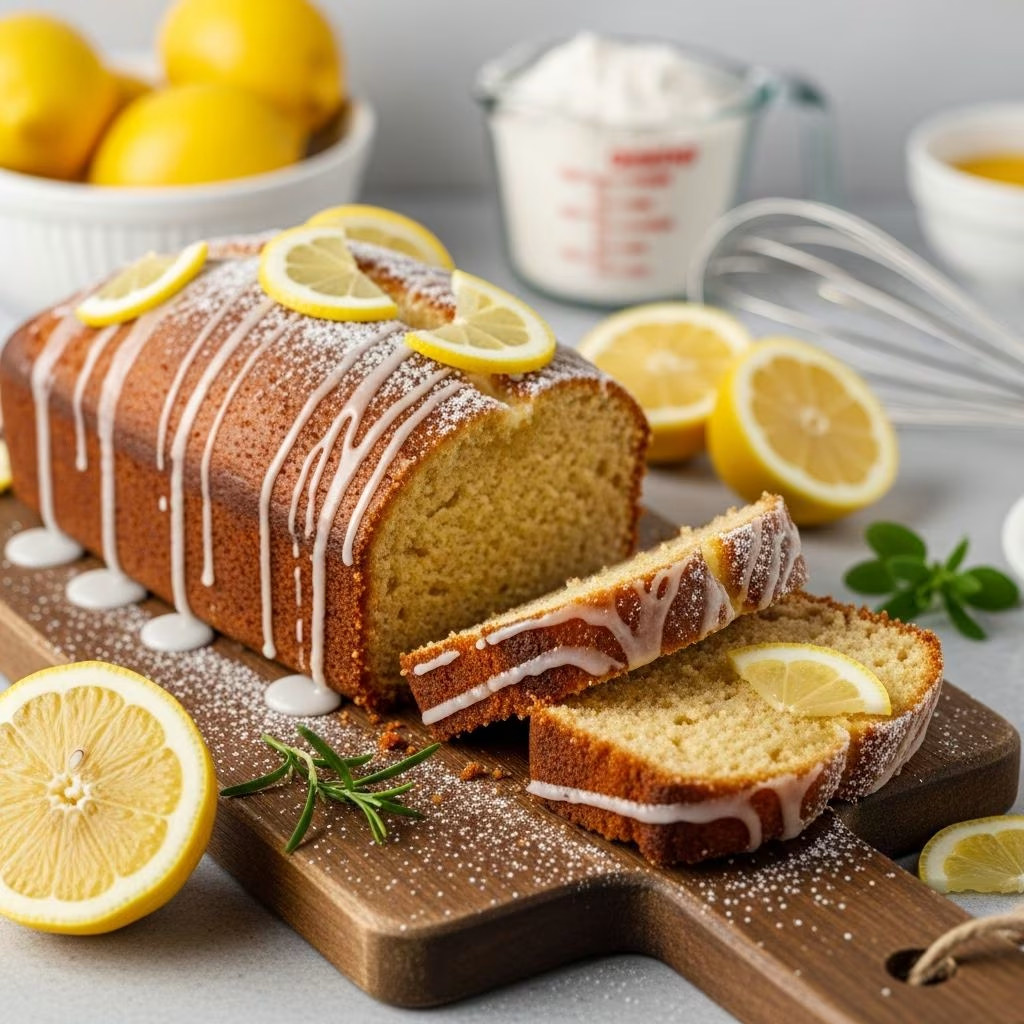
After the cake has completely cooled, apply a final glaze made from powdered sugar mixed with fresh lemon juice to create a pourable consistency. This bright, tangy glaze provides visual appeal and an additional layer of lemon intensity on the exterior.
Troubleshooting Common Challenges
| Issue | Likely Cause | Solution |
|---|---|---|
| Dense, heavy crumb | Insufficient creaming or overmixing | Cream butter and sugar for full 5–7 minutes; mix final batter on low speed only |
| Dry cake | Overbaking or insufficient soaking syrup | Apply generous soaking syrup; reduce baking time by 5 minutes if edges brown quickly |
| Sinking center | Underbaking or incorrect oven temperature | Verify oven temperature with thermometer; ensure cake is fully set before removing |
| Flat cake with minimal rise | Expired leavening agents or eggs not at room temperature | Verify baking powder/soda freshness; bring all ingredients to room temperature |
Serving and Storage Recommendations
Lemon pound cake tastes exceptional served at room temperature with coffee or tea. Slices can be enjoyed plain, with whipped cream, or alongside fresh berries. Store covered cake at room temperature for up to three days, or refrigerate for up to one week. The cake’s moisture from the soaking syrup actually improves slightly over the first day as flavors meld, making it an excellent dessert for advance preparation. Wrapped pound cake also freezes successfully for up to three months.
Frequently Asked Questions
Can I use bottled lemon juice instead of fresh?
While bottled lemon juice technically works, fresh lemon juice delivers superior bright flavor and eliminates the slight metallic taste some detect in bottled versions. The difference becomes especially noticeable in a delicate citrus cake where lemon is the primary flavor focus.
Why is room temperature so important?
Room temperature ingredients blend more smoothly and create better emulsions. Cold ingredients fail to properly incorporate into the butter-sugar mixture, potentially resulting in curdled batter and uneven cake texture.
Can I substitute sour cream with yogurt or buttermilk?
Yes, each substitution works, though each imparts slightly different flavor. Plain yogurt creates a milder tang, while buttermilk produces more pronounced sourness. Use equal amounts as a one-to-one substitution.
How do I prevent the top from cracking?
Cracks in pound cake often indicate the oven temperature is too high. Baking at the specified 325°F and covering the cake loosely with foil if browning too quickly prevents this issue.
References
- Classic Lemon Pound Cake Recipe – Moist, Buttery, and Bright — Begin with Butter. 2024. https://beginwithbutter.com/classic-lemon-pound-cake/
- Best Lemon Pound Cake — Preppy Kitchen. 2024. https://preppykitchen.com/lemon-pound-cake/
- The BEST Lemon Pound Cake (Easy + Homemade) — FIVEheartHOME. 2024. https://www.fivehearthome.com/lemon-pound-cake/
- Lemon Pound Cake Recipe — Grandbaby Cakes. 2024. https://grandbaby-cakes.com/lemon-cake-lemon-pound-cake-recipe/
- Iced Lemon Pound Cake — Sally’s Baking Addiction. 2024. https://sallysbakingaddiction.com/iced-lemon-pound-cake/
- Moist Lemon Cake Recipe {Homemade Starbucks Lemon Loaf} — Plated Cravings. 2024. https://platedcravings.com/moist-lemon-cake-recipe/
- Best Lemon Pound Cake Recipe – Moist & Buttery — Once Upon a Chef. 2024. https://www.onceuponachef.com/recipes/lemon-buttermilk-pound-cake.html