Chicken salad occupies a special place in the culinary landscape as a versatile dish that bridges casual weekday lunches and elegant entertaining. When enhanced with the bright, assertive flavors of lemon and pepper, this traditional preparation transforms into something far more sophisticated and memorable. This comprehensive guide explores the techniques, ingredient combinations, and presentation strategies that elevate a simple chicken salad into a standout dish worthy of your best china or your busiest workweek.
Understanding the Foundation: Why This Flavor Profile Works
The combination of lemon and pepper represents one of the most harmonious flavor pairings in modern cuisine. Lemon provides a clean acidity that brightens dishes and prevents them from becoming heavy or monotonous, while black pepper contributes warmth and complexity through its volatile oils and natural spice compounds. Together, these two ingredients create a dynamic base that celebrates the natural qualities of chicken without overwhelming the palate.
The genius of this pairing lies in its restraint. Unlike heavily creamed preparations that can feel cloying, a lemon-pepper approach encourages the chicken’s inherent delicate flavors to shine through. This makes it particularly appealing for health-conscious cooks and those following contemporary dietary preferences that favor lighter, more vegetable-forward meals.
Selecting and Preparing Your Chicken
The quality of your finished dish begins with thoughtful chicken selection and preparation. Different cooking methods produce varied textures and flavor intensities, each offering distinct advantages depending on your circumstances and preferences.
Grilling for Depth and Smokiness
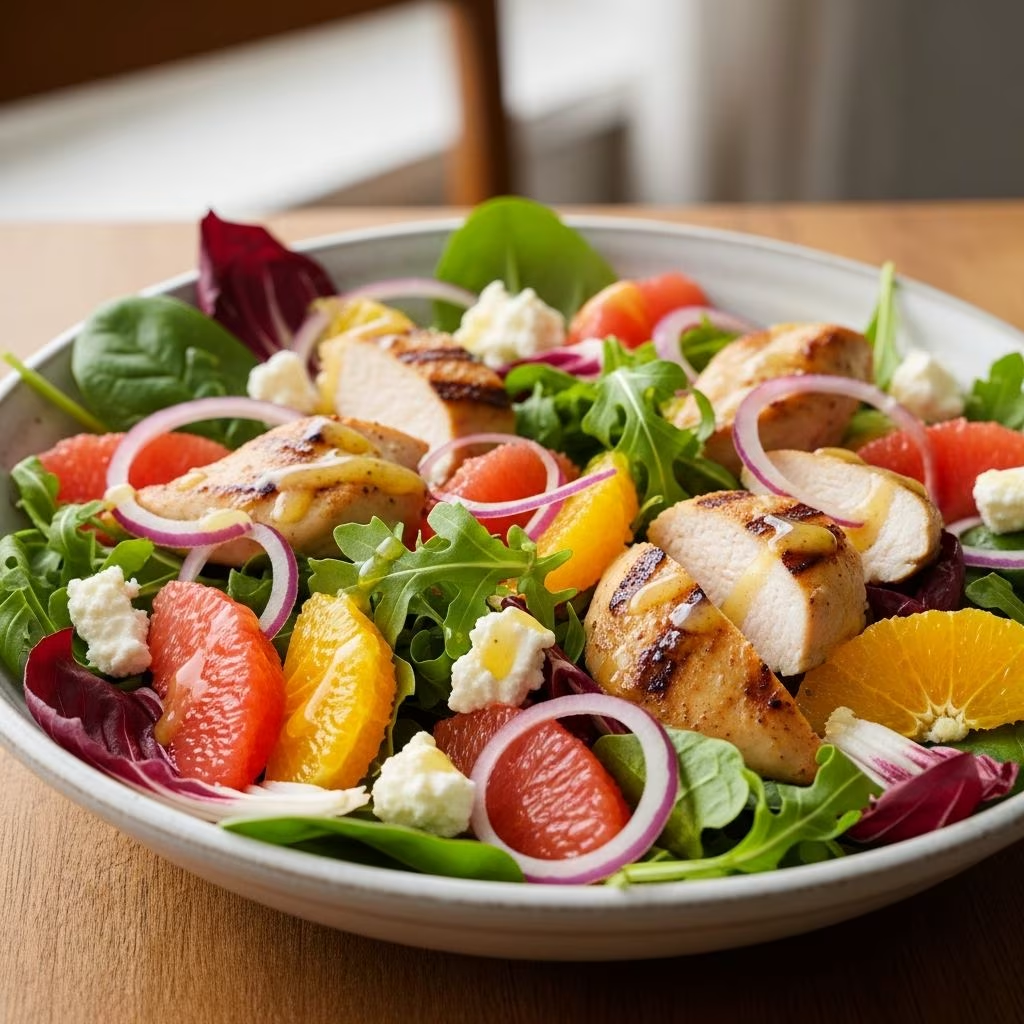
Grilling chicken breasts imparts a subtle char and smoky undertone that complements lemon’s brightness beautifully. To achieve optimal results, pat chicken breasts dry before application of lemon pepper seasoning mixed with a small amount of oil. This protective coating prevents sticking and promotes even browning. Medium heat ensures thorough cooking without excessive surface charring that might make the meat tough. Aim for an internal temperature of 160-165 degrees Fahrenheit, with each side requiring approximately 6-8 minutes depending on thickness.
Gentle Poaching for Tender Succulence
Poaching represents the gentlest cooking method, producing remarkably tender results when executed properly. Submerge chicken tenders or breast halves in simmering water infused with lemon slices and peppercorns, allowing them to cook gently until just opaque throughout. The key technique involves shredding the chicken while still warm and immediately tossing it into your dressing. This practice prevents moisture loss during cooling while ensuring every strand absorbs the seasoning fully.
Roasting for Convenience and Flavor
Roasting offers a practical middle ground, producing flavorful results with minimal active involvement. Season chicken breasts generously with lemon pepper seasoning before placing on a preheated baking sheet. Roast at 400 degrees Fahrenheit for 12-15 minutes until the internal temperature reaches the safe threshold. This method develops light caramelization on the exterior while maintaining internal juiciness.
Building Your Dressing Strategy
The dressing serves as the binding agent and flavor vehicle for your entire salad, making its composition critically important to the final outcome.
Traditional Cream-Based Approach
Classic chicken salads typically rely on mayonnaise as their foundation. For a lighter interpretation without sacrificing creaminess or mouthfeel, consider combining reduced-fat mayonnaise with Greek yogurt in equal proportions. This substitution reduces overall fat content while maintaining richness and adding subtle tang. Finish your dressing with fresh lemon juice—approximately one tablespoon for every three-quarter cup of base ingredients—along with white balsamic vinegar for added complexity.
Herbaceous Enhancements
Dried tarragon contributes an anise-like note that sophisticates the flavor profile considerably. Add one to two teaspoons to your dressing base, adjusting according to personal preference and the overall intensity you’re pursuing. Fresh herbs like dill or chives offer brighter, more immediate flavor impacts if you prefer to avoid dried preparations.
Texture and Ingredient Balance
The proportion of wet ingredients to supporting components significantly influences the final texture. Aim for a consistency that coats ingredients thoroughly without being overly wet or pasty. Generally, three-quarter cup of combined cream base suits three cups of prepared chicken, though individual preferences vary considerably.
Essential and Complementary Vegetables
Beyond chicken and dressing, vegetables provide crucial textural contrast and nutritional value.
The Supporting Cast
- Celery: Provides essential crunch and contributes subtle mineral notes that balance rich dressing components
- Onions: Yellow onions deliver mellow sweetness, while Vidalia or sweet varieties offer even gentler profiles for sensitive palates. Green onions contribute sharpness and visual appeal
- Fresh vegetables: Diced bell peppers, cucumber, or cherry tomatoes introduce color, hydration, and nutritional density
Optional Enrichments
Consider supplementary ingredients based on desired complexity and available resources. Toasted nuts such as pecans, almonds, or walnuts introduce satisfying crunch and healthy fats. Dried fruits like cranberries provide bursts of concentrated sweetness that offset lemon’s acidity. Some preparations include diced apples for fresh crispness and natural sugar content.
Flavor Customization and Personal Expression
While the foundational lemon-pepper profile provides an excellent starting point, individual preferences and ingredient availability invite creative modification.
Seasonal Adaptations
Spring and summer preparations might emphasize fresh herbs, tender lettuces, and bright vegetables. Autumn versions could incorporate roasted squash cubes, toasted seeds, and warming spices. Winter presentations might feature preserved citrus zest, hearty greens, and substance-rich additions like cooked grains or legumes.
International Influences
Mediterranean approaches might include kalamata olives, feta cheese, and oregano alongside the traditional lemon base. Asian-inspired variations could incorporate ginger, soy sauce, and sesame oil while maintaining the lemon-pepper foundation. These adaptations celebrate the versatility inherent in this flavor combination.
Serving Presentations and Practical Applications
The prepared salad functions successfully across multiple contexts and presentations.
Traditional Service Methods
| Service Style | Best For | Complementary Sides |
|---|---|---|
| Composed on Greens | Elegant plating, visual appeal | Crusty bread, fresh fruit |
| Sandwich Filling | Quick lunches, portable meals | Crunchy chips, pickles |
| Grain Bowl Base | Balanced meals, meal prep | Cooked grains, roasted vegetables |
| Stuffed Vegetables | Impressive entertaining | Simple vinaigrette salads |
Meal Preparation Advantages
This salad excels as a meal prep candidate, maintaining quality throughout the week when properly stored. Prepare the complete mixture and portion into glass containers for convenient grab-and-go options. Alternatively, keep components separate and assemble individual portions to maintain optimal texture and prevent sogginess.
Storage, Longevity, and Food Safety
Proper storage practices extend the enjoyment window and ensure food safety.
Refrigerate prepared salad in airtight containers, where it maintains peak quality for three to four days. The creamy dressing acts as a preservative, though ingredients gradually release moisture over time. If preparing components separately, store chicken and dressing independently, combining only when ready to consume.
For longer-term storage, freeze cooked chicken separately from the dressed salad. Thaw overnight in the refrigerator before incorporating into fresh dressing preparation. This approach accommodates advance meal planning and cooking strategies common among busy households.
Frequently Asked Questions
Can I use rotisserie chicken for convenience?
Absolutely. Rotisserie chicken offers significant time savings and produces tender, flavorful results. Simply remove all meat from bones, discard skin and fat if desired, and proceed with the salad recipe. Some cooks enjoy incorporating crispy rendered skin into their preparations for added richness and textural interest.
What substitutes work if I don’t have Greek yogurt?
Sour cream provides similar creaminess and tang, though with a slightly different flavor profile. Plain yogurt (regular, not Greek) works well if thinned slightly with additional lemon juice to achieve proper consistency. For dairy-free preparations, cashew cream or vegan mayonnaise serve as viable alternatives.
How do I prevent the salad from becoming watery?
Pat chicken completely dry before mixing with dressing. Ensure vegetables are thoroughly dried after washing and chopping. Store the completed salad in airtight containers, and avoid leaving it at room temperature for extended periods, as this accelerates moisture accumulation.
Can this salad accommodate dietary restrictions?
Yes, remarkably well. For gluten-free service, simply avoid breadstuff accompaniments. Dairy-free versions substitute plant-based mayonnaise and yogurt alternatives. Lower-calorie preparations reduce or eliminate added fats while emphasizing vegetable volume and fresh herbs for flavor intensity.
What beverages pair well with this salad?
Crisp white wines like Sauvignon Blanc or Pinot Grigio complement the lemon and pepper notes beautifully. Sparkling water with fresh citrus garnish offers alcohol-free refreshment. Iced herbal teas with subtle sweetness balance the salad’s overall flavor profile pleasingly.
Conclusion: Elevating Everyday Meals
Mastering the preparation of lemon pepper chicken salad opens doors to countless meal possibilities while requiring minimal technical skill or specialized equipment. The beauty of this preparation lies in its remarkable flexibility—equally at home on a casual Tuesday lunch or gracing a refined dinner table. By understanding fundamental techniques, respecting ingredient quality, and remaining open to personal interpretation, home cooks can transform this simple combination into a signature dish that satisfies both taste and nutritional requirements. Whether preparing for yourself or entertaining guests, this vibrant salad invites experimentation while delivering consistent, delicious results.
References
- Grilled Lemon Pepper Chicken Salad with Greek Yogurt — Aggies Kitchen. 2024. https://aggieskitchen.com/grilled-lemon-pepper-chicken-salad-with-greek-yogurt/
- Lemon Pepper Rotisserie Chicken Salad — Will Cook For Smiles. 2024. https://www.willcookforsmiles.com/lemon-pepper-rotisserie-chicken-salad/
- Lemon Pepper Chicken Salad — Created by Diane. 2024. https://www.createdby-diane.com/lemon-pepper-chicken-salad/
- Lemon Pepper Chicken Salad — Fit & Fed by Steph. 2024. https://www.fitandfedbysteph.com/recipes/lemon-pepper-chicken-salad
- Lemon Pepper Chicken Salad (Tangy, Protein-Packed & Fresh) — Marc’s Recipes. 2024. https://marcsrecipes.com/lemon-pepper-chicken-salad/