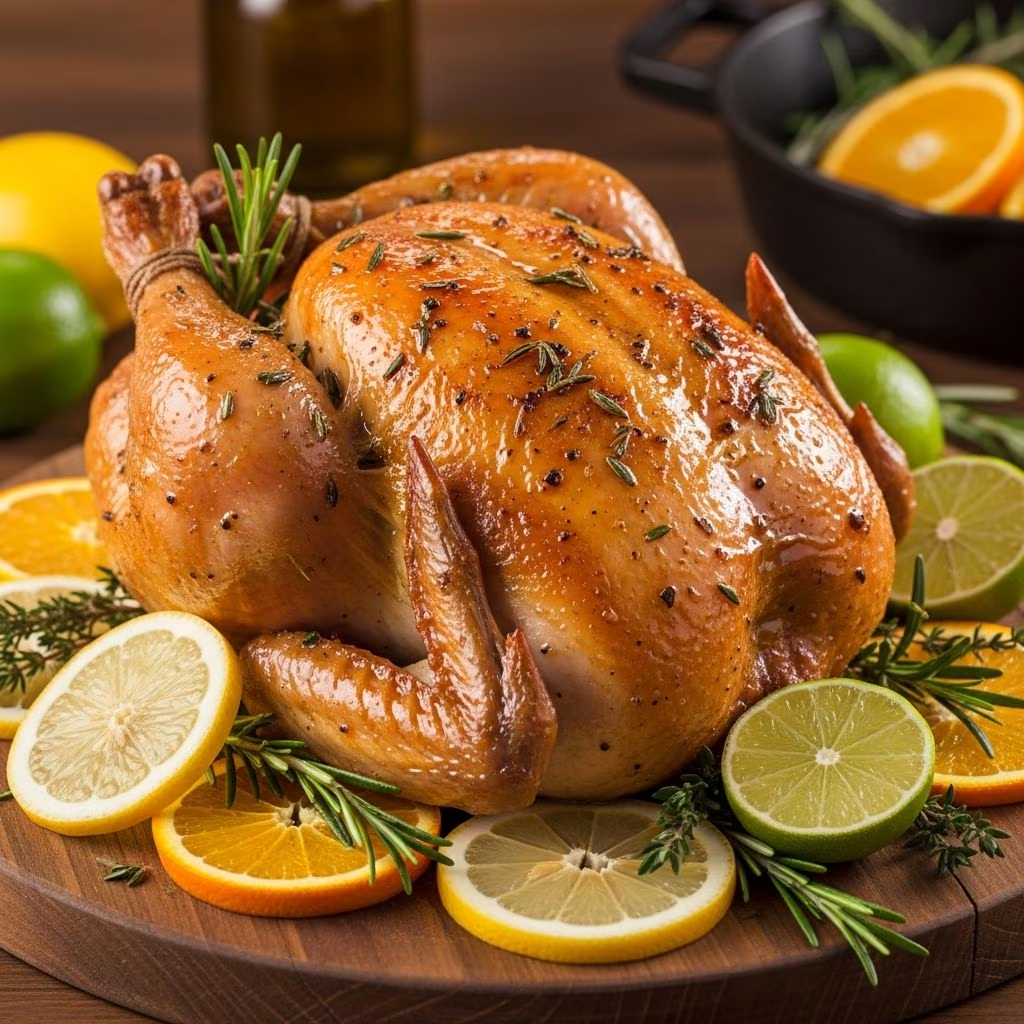
Creating a memorable dinner doesn’t require hours in the kitchen or complicated techniques. One of the most reliable approaches to achieving restaurant-quality results at home involves combining fresh citrus with protein in a single baking vessel. This method produces exceptionally moist and flavorful results while keeping cleanup minimal. The combination of acidic elements with aromatic herbs creates a natural sauce that bastes the meat throughout the cooking process, ensuring consistent quality regardless of your experience level in the kitchen.
Understanding the Foundation of This Dish
The fundamental appeal of this preparation method lies in its simplicity combined with sophisticated flavor development. When poultry meets an acidic marinade or sauce, the citrus juice begins breaking down protein fibers through a process called acid denaturation. This transformation results in meat that becomes increasingly tender the longer it marinates. The natural oils from herbs meld with the acidity and fat components, creating layers of flavor that would typically require much more involved cooking techniques.<\/p>
The beauty of this approach extends beyond mere flavor. The liquid component creates steam within the enclosed oven environment, which prevents the exterior from drying out while the interior reaches the proper internal temperature. This dual-action cooking method—dry heat from the oven walls combined with moisture from the sauce—produces optimal texture simultaneously on the outside and inside.
Selecting Your Poultry
Your choice of chicken cut significantly influences both cooking time and final texture. Each option offers distinct advantages:
- Boneless, Skinless Breasts: These cook quickly, typically requiring 20-25 minutes. They deliver lean protein with minimal fat, making them ideal for health-conscious preparations. However, they require careful attention to avoid overcooking, as they lack the fat content that provides insurance against drying out.
- Bone-In, Skin-On Breasts: The bone conducts heat slowly toward the center, creating a buffer that prevents overcooking. Skin provides natural insulation and renders fat that bastes the meat during cooking, resulting in exceptionally juicy results. These typically need 30-40 minutes.
- Thighs (Boneless or Bone-In): This cut contains higher fat content and develops richer flavor. Thighs resist overcooking due to their composition and produce the most forgiving results for beginners. Cooking time ranges from 25-40 minutes depending on size and whether bones are present.
Consider your household preferences and time constraints when selecting. For weeknight meals requiring speed, boneless breasts offer efficiency. For weekend entertaining or when you want maximum flavor development, bone-in options justify the longer cooking window.
Essential Ingredients and Their Roles
Each component in the marinade or sauce serves a specific purpose beyond simple flavoring:
| Ingredient | Primary Function | Flavor Contribution |
|---|---|---|
| Fresh Lemon Juice | Acid component that tenderizes and adds brightness | Sharp citrus acidity that cuts through richness |
| Garlic (minced or whole cloves) | Aromatic base that develops complexity | Umami depth with subtle pungency |
| Olive Oil | Fat carrier for herbs; creates sauce emulsion | Subtle fruity or peppery undertones |
| Fresh or Dried Herbs (oregano, thyme, rosemary) | Flavor foundation; adds Mediterranean character | Earthy, savory complexity |
| Butter or Chicken Broth | Enriches sauce; adds body and richness | Savory depth and glossy mouthfeel |
| Salt and Black Pepper | Amplifies all other flavors; essential seasoning | Balances and highlights natural flavors |
Preparation Techniques for Maximum Flavor
The approach you choose determines how flavors integrate with the chicken. Understanding these methods helps you select the best option for your circumstances:
The Marinade Method
This technique involves submerging chicken in flavored liquid for a period before cooking. The acid in lemon juice penetrates the muscle fibers, beginning the tenderizing process hours before heat is applied. Marinating for at least one hour yields noticeable improvement in texture, while 8 hours produces maximum penetration. After marinating, arrange the chicken in a baking dish, discard excess marinade (or reserve a portion for basting), and roast until the internal temperature reaches 160-165°F depending on the cut.
The Direct Sauce Application
This faster approach combines ingredients into a sauce that’s poured over raw chicken immediately before roasting. While this doesn’t provide pre-cooking tenderization, the sauce bastes the meat throughout cooking, developing flavor through heat and steam interaction. This method works perfectly when time is limited or when you’re preparing dinner on the same day as shopping.
The Pan-Searing and Finishing Method
Beginning with a hot skillet to develop a golden crust before transferring to the oven adds textural complexity. Browning chicken in a bit of oil creates flavorful compounds through the Maillard reaction—the chemical process that creates the distinctive browned-food taste. After 2-3 minutes per side, transfer the chicken to a baking dish, apply your sauce, and finish roasting. This hybrid approach requires slightly more active time but delivers superior crust texture.
Step-by-Step Execution
Preparation Phase
Begin by removing chicken from refrigeration 15 minutes before cooking to ensure even cooking throughout. Pat the surface dry with paper towels—this allows better browning if you’re using the pan-searing method. Prepare your lemon sauce by whisking together your chosen liquid components in a small bowl. If using fresh herbs like rosemary or thyme, roughly chop them to release essential oils. Mince garlic finely so it distributes throughout the sauce and doesn’t create unpleasant large pieces in the finished dish.
Cooking Phase
Preheat your oven to 400°F, allowing it to reach full temperature before introducing chicken. Grease your baking vessel with either olive oil or cooking spray to prevent sticking. If using the pan-searing method, heat oil in a large skillet over medium-high heat until a drop of water sizzles on contact. Add chicken skin-side down (if present) and cook for 3 minutes without moving, allowing the crust to develop. Flip and cook the opposite side for another 2-3 minutes until golden. Transfer to your prepared baking dish.
Pour your prepared sauce over and around the chicken, ensuring some liquid flows underneath the pieces for even cooking and sauce development. If desired, top each piece with fresh lemon slices for visual appeal and additional citrus flavor. Place in the preheated oven and bake for 20-30 minutes for boneless breasts or 30-40 minutes for bone-in pieces, checking for doneness at the shorter interval.
Doneness Assessment
Never rely solely on appearance or time estimates. Insert an instant-read thermometer into the thickest part of the chicken without touching bone. Boneless cuts should reach 160°F; bone-in cuts should reach 165°F. The meat should show no pink when cut, and juices should run clear rather than pink. If the skin hasn’t browned sufficiently by the time the internal temperature is reached, place the dish under the broiler for 2-3 minutes to achieve golden-brown crust.
Flavor Variations and Adaptations
The fundamental technique adapts beautifully to different flavor profiles:
- Mediterranean Style: Add sun-dried tomatoes, kalamata olives, and fresh basil to your sauce. Include a splash of white wine or chicken broth for added complexity.
- Garlic-Forward Preparation: Increase minced garlic to 6-8 cloves and add roasted garlic cloves to the baking dish for concentrated flavor without harshness.
- Honey-Glazed Version: Incorporate honey into your sauce to create subtle sweetness that balances lemon acidity. This version works exceptionally well with thighs.
- Herb-Heavy Approach: Layer fresh rosemary sprigs directly on chicken before roasting. Add oregano, thyme, and marjoram to create an intensely aromatic dish.
- Butter-Enriched Sauce: Whisk melted butter into your lemon mixture for a silky, luxurious sauce. This version works beautifully spooned over rice or potatoes.
Serving Suggestions and Pairings
The versatility of this dish extends to accompaniments. The acidic, herbaceous sauce complements numerous sides. Rice pilaf soaks up excess sauce beautifully, as do creamy mashed potatoes or polenta. Roasted vegetables like zucchini, bell peppers, and cherry tomatoes benefit from the same oven environment if added to the dish during the last 15 minutes of cooking. Fresh green salads provide cooling contrast to the warm, rich chicken and sauce.
For lighter meals, serve with steamed broccoli, green beans, or asparagus. The simplicity of the chicken suits complex grain preparations like farro or quinoa, allowing the lemon-herb profile to remain the star of the plate. Fresh crusty bread works wonderfully for sauce soaking.
Frequently Asked Questions
Can I prepare this dish in advance?
Yes. Marinate chicken for up to 8 hours in advance. On cooking day, transfer to the baking dish and add fresh sauce before roasting. Alternatively, cook completely and refrigerate for up to 3 days. Reheat gently in a 325°F oven for 15-20 minutes to prevent drying.
What if my chicken turns out dry?
Overcooking is the primary cause. Use an instant-read thermometer to monitor internal temperature precisely. If dryness occurs, slice the chicken and pour extra sauce over the top before serving. Next time, reduce cooking time by 5 minutes as a starting point.
Can I use bottled lemon juice instead of fresh?
Fresh lemon juice provides superior flavor, but bottled juice works in a pinch. Use slightly less bottled juice as it’s more concentrated and can become overly acidic.
How do I prevent the skin from sticking to the baking dish?
Grease your baking vessel thoroughly before adding chicken. Alternatively, line it with parchment paper or aluminum foil. The pan-searing method also prevents this issue by pre-browning the skin.
Is this recipe suitable for dietary restrictions?
Yes. The preparation is naturally gluten-free when using gluten-free seasonings. It’s keto-friendly when served with appropriate sides. For dairy-free versions, omit butter and rely on olive oil. For lower-sodium preparations, reduce salt and choose low-sodium broth.
Can I double this recipe for a crowd?
Absolutely. Use two baking dishes to ensure adequate space for air circulation. Cooking time remains similar for equally-sized chicken pieces. If stacking pieces, add 5-10 minutes to the cooking time and stir the sauce halfway through.
References
- Food Safety and Inspection Service (FSIS) Chicken and Food Safety Guidelines — U.S. Department of Agriculture. 2024. https://www.fsis.usda.gov
- The Maillard Reaction in Cooking and Food Science — McGee, Harold. On Food and Cooking: The Science and Lore of the Kitchen. Scribner, 2004.
- Acid Denaturation of Proteins and Meat Tenderization — López-Alt, J. Kenji. The Food Lab: Better Home Cooking Through Science. W.W. Norton & Company, 2015.
- Safe Internal Temperature Guidelines for Poultry — Centers for Disease Control and Prevention (CDC). 2023. https://www.cdc.gov/foodsafety/
- Cooking Methods and Moisture Retention in Poultry — American Culinary Federation Educational Institute. Culinary Fundamentals. 2021.