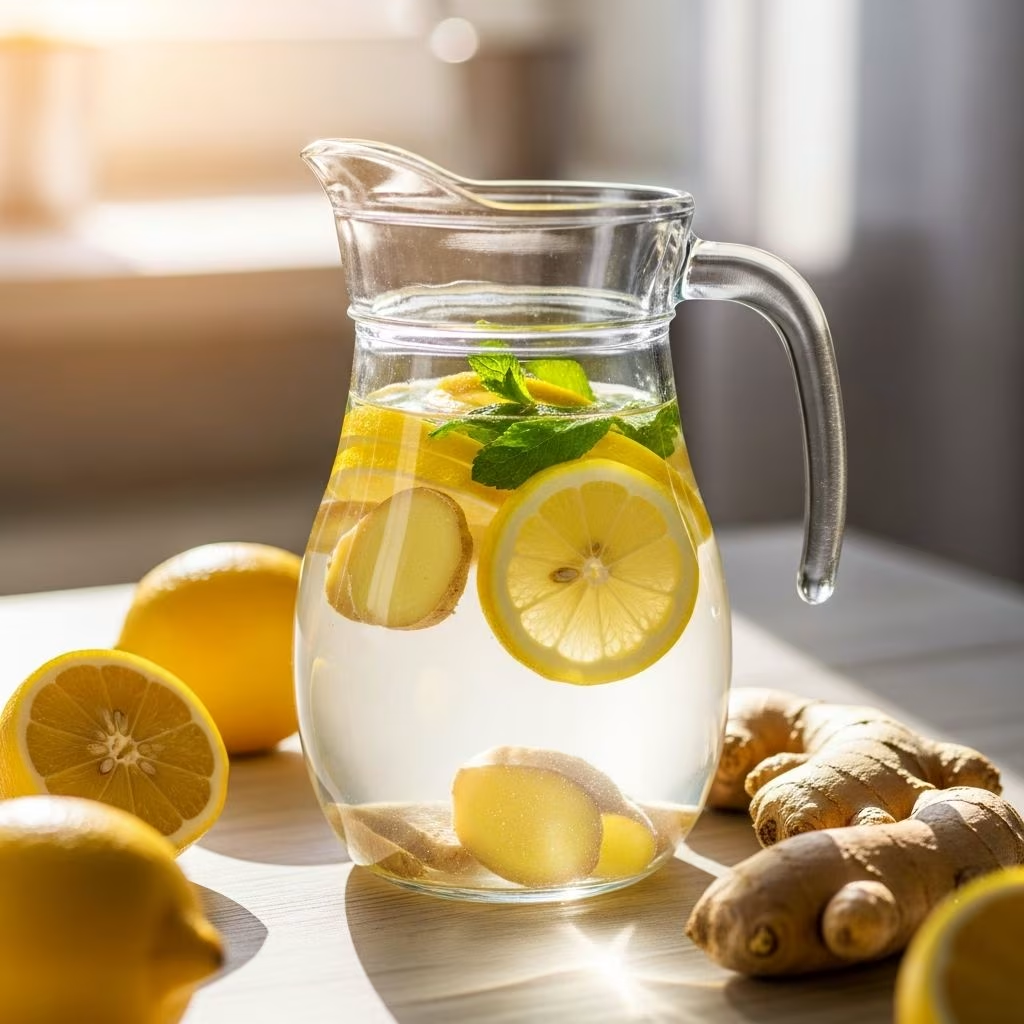
Among the growing array of wellness beverages available today, lemon-ginger water stands out as a simple yet powerful drink that combines two potent ingredients into a single, accessible wellness solution. This combination has gained remarkable traction in modern health circles, yet its roots extend deep into traditional medicine practices across multiple cultures. What makes this beverage particularly compelling is not merely its pleasant taste and refreshing qualities, but the substantial scientific evidence supporting its numerous health applications.
Understanding the Core Components
The efficacy of lemon-ginger water begins with understanding what each ingredient brings to the table. Lemons, those bright yellow citrus fruits, pack a nutritional punch that extends far beyond their tart flavor. Lemon is an exceptional source of vitamin C and potassium, while also containing vitamin A, folate, phosphorus, and calcium. Despite their acidic taste, lemons remain low in calories and carbohydrates with minimal fat content, making them an ideal addition to wellness routines without contributing unnecessary calories.
Ginger, the rhizomatous root known for its warming spice, offers its own constellation of beneficial compounds. At the molecular level, ginger contains gingerols and other bioactive compounds including shogaol and paradol, which work synergistically to provide multiple health benefits. These compounds have been studied extensively for their therapeutic potential across various health domains.
When combined, these two ingredients create what dietitians refer to as a powerhouse of bioactive compounds. The synergy between lemon’s acidic and vitamin-rich profile and ginger’s warming, enzyme-stimulating properties creates a beverage that addresses multiple physiological systems simultaneously.
Digestive Support and Gut Health Benefits
One of the most well-documented applications of lemon-ginger water relates to digestive function. Ginger contains compounds like gingerol that stimulate the production of digestive enzymes, improving gut motility and aiding in breaking down food more effectively. This mechanism explains why traditional medicine practitioners have recommended ginger for digestive concerns for centuries.
The lemon component contributes its own digestive advantages through a different mechanism. While lemon is acidic, it actually sits lower on the pH scale than the hydrochloric acid naturally present in your stomach. This means that consuming lemon water does not overwhelm the digestive system. Instead, lemon can stimulate digestive juices, while ginger has a soothing effect on the stomach, which can improve and promote healthy digestion.
For individuals experiencing occasional bloating or sluggish digestion, incorporating lemon-ginger water into their routine may provide meaningful relief. The combination addresses both the mechanical aspects of digestion (enzyme production and gut motility) and the comfort aspects (stomach soothing and pain relief).
Nausea and Gastrointestinal Comfort
Beyond general digestive support, lemon-ginger water has earned particular recognition for its anti-nausea properties. Ginger root contains compounds called gingerols, which naturally soothe upset tummies and can reduce nausea and vomiting. This benefit has made ginger a popular recommendation for individuals experiencing motion sickness, morning sickness, or post-operative nausea.
The antiemetic properties of ginger have been explored in numerous research contexts, from chemotherapy-related nausea to general digestive distress. While some studies indicate that ginger shows strong anti-nausea effects with comparatively weaker anti-vomiting effects, the overall evidence supports its utility as a first-line natural remedy for gastrointestinal discomfort.
Immune System Enhancement and Defense
In an era where immune support has become increasingly important, lemon-ginger water offers substantial immune-boosting capabilities. Lemon is a rich source of vitamin C and antioxidants, both of which have immunity-boosting properties. Vitamin C functions as a critical micronutrient for immune cell development and function, while antioxidants protect immune cells from oxidative damage.
Ginger also has immunity-boosting properties and can guard against some bacteria. Beyond these properties, both lemon and ginger possess antimicrobial characteristics. This combination of antioxidant, antimicrobial, and anti-inflammatory properties creates a multifaceted immune support system within a single beverage.
The immune-supporting potential of lemon-ginger water makes it particularly valuable during seasons when viral and bacterial infections circulate more readily. Regular consumption may help reduce infection severity and duration while supporting overall immune resilience.
Inflammation Management and Pain Relief
Chronic inflammation underlies numerous health conditions, from arthritis to cardiovascular disease. Lemon-ginger water addresses this concern through multiple pathways. Lemon has antioxidant properties and vitamin C, which has been shown to protect against inflammation-related damage to the cells. Meanwhile, ginger contains bioactive compounds such as gingerol, shogaol, and paradol, which inhibit pro-inflammatory pathways by blocking certain enzymes.
Lemon ginger tea can help reduce pain associated with inflammation, arthritis, and even headaches. Many individuals find that regular consumption provides relief from muscle soreness after physical activity, as well as menstrual discomfort and general inflammatory pain. While lemon-ginger water is unlikely to serve as a complete substitute for medical treatment of severe inflammatory conditions, it can function as a supportive complementary approach.
Metabolic Support and Weight Management
For those pursuing weight management goals, lemon-ginger water offers metabolic advantages. Ginger has been shown to reduce hunger, which can help people lose weight, while also increasing satiety—the feeling of fullness and satisfaction after consumption. This dual mechanism helps individuals maintain appropriate caloric intake without requiring restrictive eating patterns.
Lemon has been shown to reduce insulin resistance and the amount of fat stored in the body. When combined with ginger’s metabolism-boosting properties, lemon-ginger water creates an environment more conducive to healthy weight management. The beverage supports these goals not through artificial stimulants or harsh mechanisms, but through natural physiological support.
Cardiovascular and Liver Health Considerations
Lemon and ginger contain components that are believed to help reduce risks associated with cardiovascular disease and liver disease. Beyond these broad protective effects, ginger naturally supports blood flow by relaxing the muscles around blood vessels, which can improve circulation and help regulate blood pressure. Lemon contributes potassium, an essential mineral that helps manage blood pressure by balancing sodium levels in the body.
For liver health specifically, the citric acid present in lemons helps purify the liver. Consuming lemon-ginger water on an empty stomach may help support the body’s natural detoxification processes by stimulating liver function and promoting the elimination of accumulated metabolic waste products.
Skin and Dental Health Benefits
The benefits of lemon-ginger water extend beyond internal health to include external wellness markers. Lemon-ginger tea is rich in vitamins, minerals, and antioxidants, which help maintain healthy skin. Additionally, antibacterial properties in ginger help fight against any skin infections.
For oral health, ginger is rich in antibacterial properties, which help prevent plaque accumulation over the teeth and margins of the gums, which leads to inflammation of the gums. Research suggests that ginger may help lower the risk of gum disease, gingivitis, and oral cancer, making lemon-ginger water a beverage that supports comprehensive oral wellness when consumed regularly.
Hydration and Cellular Function
Lemon ginger tea is mostly water, and that can help keep you hydrated. Proper hydration represents one of the foundational pillars of health, yet many individuals struggle to consume adequate fluids throughout the day. By transforming plain water into a flavorful, beneficial beverage, lemon-ginger water makes hydration more palatable and enjoyable for many people.
The importance of adequate hydration cannot be overstated. According to health authorities, the average man should have about 15.5 cups of fluids per day, and the average woman should have about 11.5 cups. When hydration needs are met, vital organs including the kidneys, heart, and digestive system function optimally.
Seasonal Applications and Timing Considerations
While lemon-ginger water can be enjoyed year-round, certain seasons offer particular advantages for its consumption. Autumn and winter are great times to enjoy the soothing, warming and healing benefits of warm lemon ginger water, as the warming spices align with the body’s need for comfort and internal warmth during colder months. Spring is also a great time to enjoy the immune-supporting and detoxifying benefits that lemon ginger water has to offer, as the body naturally seeks to eliminate accumulated toxins from the winter season.
The flexibility of this beverage means it can be enjoyed warm during cooler weather or chilled during warmer seasons, adapting to environmental conditions while maintaining its health-promoting properties.
Practical Preparation and Consumption Methods
Creating effective lemon-ginger water requires attention to ingredient quality and preparation technique. Fresh ginger root delivers superior bioactive compound content compared to dried ginger, though both forms offer benefits. The ginger should be peeled and either sliced thin or grated for optimal infusion into the water.
Fresh lemon juice provides the most potent vitamin C and citric acid content. A typical preparation involves combining the juice of half a fresh lemon with approximately one inch of fresh ginger (sliced or grated) in eight ounces of filtered water. For warm preparations, heat the water and allow the ginger to steep for five to ten minutes before adding fresh lemon juice, which preserves vitamin C content better than adding it before heating.
Important Considerations and Precautions
While lemon-ginger water offers substantial benefits for most individuals, certain populations should exercise caution. Pregnant individuals should consult with healthcare providers before significantly increasing ginger intake, as excessive amounts may affect pregnancy outcomes. Individuals taking blood-thinning medications should discuss ginger consumption with their healthcare team, as ginger may have mild anticoagulant effects.
Additionally, those with sensitive teeth may experience discomfort from lemon’s acidity over time. Using a straw when consuming lemon-ginger water can minimize direct contact with tooth enamel, preserving dental health while still enjoying the beverage’s benefits.
Frequently Asked Questions
Can I drink lemon-ginger water daily?
Yes, daily consumption of lemon-ginger water is generally safe for most individuals. In fact, daily consumption boosts immunity through antioxidants and vitamins, improves digestion, and supports overall wellness. However, pregnant individuals and those on specific medications should consult healthcare providers first.
Is warm or cold lemon-ginger water more beneficial?
Both forms offer similar benefits, though warm preparations may provide enhanced digestive and comfort benefits, while cold versions offer superior refreshment and hydration during warm weather. Choose based on personal preference and seasonal appropriateness.
How much lemon-ginger water should I consume?
One to three cups daily represents a reasonable intake for most individuals. Start with one cup and adjust based on individual tolerance and digestive response.
When is the best time to drink lemon-ginger water?
Many individuals enjoy it upon waking to stimulate digestion and detoxification, though it can be consumed throughout the day. Some prefer it before meals to support digestive preparation, while others enjoy it after meals for digestive support.
Conclusion: Integrating Lemon-Ginger Water Into Your Wellness Routine
Lemon-ginger water represents an accessible, affordable, and evidence-supported addition to comprehensive wellness routines. By combining two powerful natural ingredients, this simple beverage addresses multiple physiological systems simultaneously—from digestive function and immune support to inflammation management and cardiovascular health. Whether consumed for specific health concerns or as a general wellness maintenance tool, lemon-ginger water offers tangible benefits supported by both traditional wisdom and contemporary scientific research. Its versatility, safety profile for most populations, and genuine health-promoting properties make it a valuable beverage choice for individuals seeking natural approaches to supporting their long-term health and vitality.
References
- Warm Lemon Ginger Water Health Benefits — Beet of the Wild. 2024. https://www.beetofthewild.com/warm-lemon-ginger-water/
- Health Benefits of Lemon Water with Cayenne and Ginger — Edison Institute. 2024. https://edisoninst.com/the-benefits-of-drinking-lemon-water-with-cayenne-and-ginger/
- Health Benefits of Lemon Ginger Tea — WebMD. 2024. https://www.webmd.com/diet/health-benefits-lemon-ginger-tea
- 13 Benefits of Drinking Lemon-Ginger Tea Before Bed — MedicineNet. 2024. https://www.medicinenet.com/13_benefits_of_lemon-ginger_tea_before_bed/article.htm
- Lemon Ginger Tea Health Benefits Dietitians Want You to Know — Prevention. 2024. https://www.prevention.com/food-nutrition/a69661731/lemon-ginger-tea-health-benefits/
- Benefits of Drinking Lemon Ginger Honey Tea — Nelson’s Tea. 2024. https://nelsonstea.com/blog/benefits-of-drinking-lemon-ginger-honey-tea/
- This is what happens when you drink ginger lemon water daily — Times of India. 2024. https://timesofindia.indiatimes.com/life-style/food-news/this-is-what-happens-when-you-drink-ginger-lemon-water-daily-/articleshow/114463727.cms