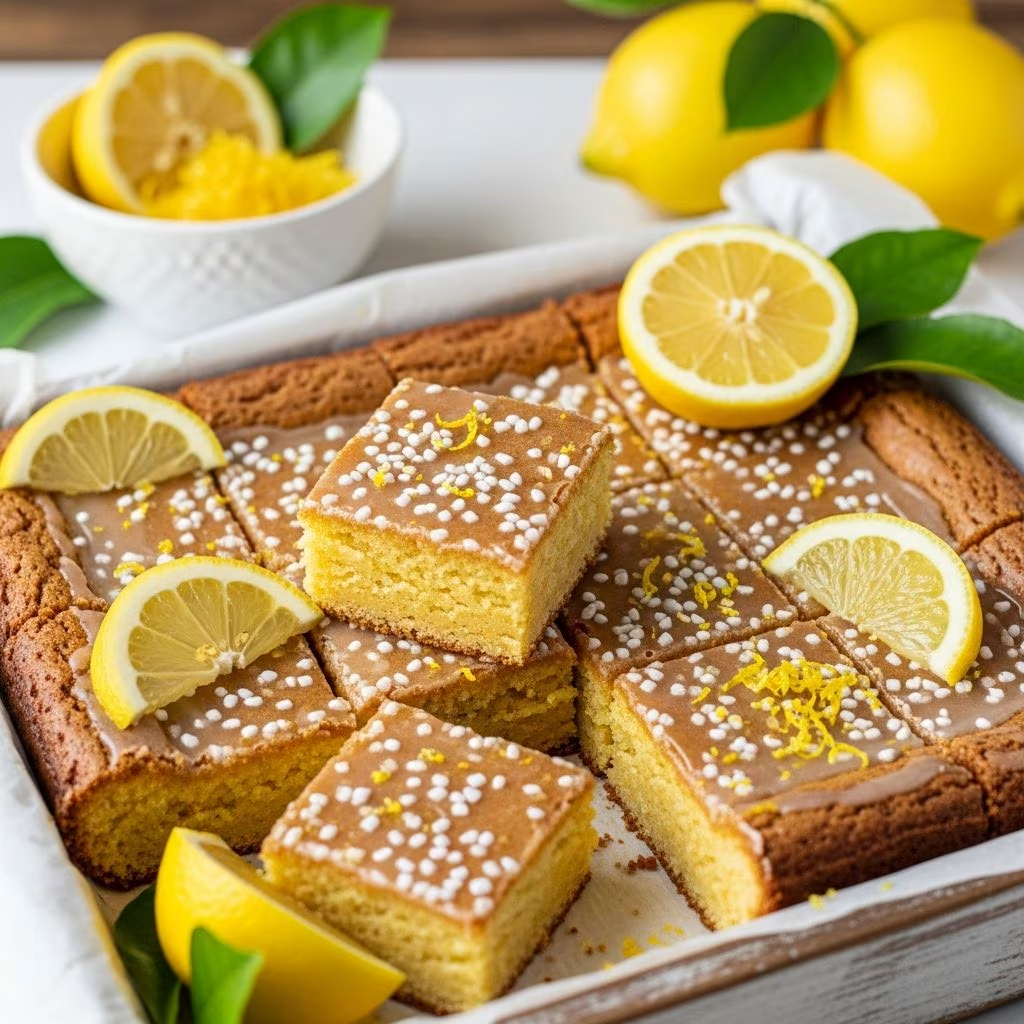
Lemon brownies represent a sophisticated departure from traditional chocolate brownies, offering a refreshing citrus twist that appeals to those who enjoy fruit-forward desserts. These delightful squares merge the indulgent, fudgy qualities of conventional brownies with the vibrant, tangy characteristics of fresh lemons, creating a uniquely balanced treat that works equally well for casual gatherings or refined dessert courses.
Understanding the Appeal of Citrus-Infused Brownies
The popularity of lemon brownies stems from their ability to satisfy multiple palates simultaneously. Unlike traditional chocolate brownies that rely primarily on cocoa for depth and richness, lemon brownies leverage the natural brightness of citrus to create a more complex flavor profile. This combination appeals particularly to those seeking desserts that aren’t overwhelmingly sweet or heavy, making them suitable for warm weather entertaining or as an afternoon treat accompanied by tea or coffee.
The texture of well-executed lemon brownies remains consistently moist and tender, with a slight chewiness that distinguishes them from dense chocolate varieties. This textural quality develops through precise ratios of fat, eggs, and flour, combined with the moisture that fresh lemon juice naturally introduces to the batter.
Core Ingredients and Their Functions
Creating exceptional lemon brownies requires understanding how each ingredient contributes to the final product’s flavor, texture, and moisture content.
Fat Components
Butter serves as the primary fat, typically ranging from half a cup to three-quarters cup depending on the recipe’s richness level. Softened or melted butter creates different textural results; softened butter beaten with sugar creates a lighter crumb structure, while melted butter contributes to a denser, fudgier consistency. The butter carries and amplifies lemon flavors while providing the richness that balances the citrus acidity.
Lemon Flavoring Elements
Fresh lemon zest and juice form the foundation of authentic lemon flavor. Zest—the colored outer portion of the peel—contains concentrated lemon oils that deliver intense, complex citrus notes. Juice provides the tangy acidity that brightens the overall flavor profile and adds moisture to the batter. Most recipes incorporate both elements in measured amounts, though some recommend using additional zest if deeper lemon intensity is desired. The combination of zest rubbed into sugar creates flavor distribution throughout the batter, while juice mixed into wet ingredients ensures even hydration.
Structural Elements
All-purpose flour typically comprises one to one-and-one-quarter cups and provides the structural matrix that captures moisture and creates the characteristic brownie crumb. Baking powder, used in small quantities (usually one-quarter to one-half teaspoon), provides gentle lift that results in a tender rather than cake-like texture. Salt enhances flavor perception and balances sweetness, typically appearing in quarter-teaspoon quantities.
Binding and Richness
Two large eggs bind ingredients while contributing richness and moisture. Some recipes incorporate lemon extract or vanilla extract to amplify citrus complexity or add subtle depth. Granulated sugar (typically three-quarters to one cup) provides sweetness while creating the creamed structure when beaten with butter.
Step-by-Step Preparation Methodology
Preparation Phase
Begin by preheating your oven to 350°F, allowing sufficient time for even heat distribution. Prepare an 8×8-inch baking pan by lining with parchment paper or spraying with non-stick cooking spray. This prevents sticking and facilitates easy removal after cooling. Position the oven rack in the center to ensure even baking throughout the brownies’ height.
Wet Ingredient Combination
Combine butter and granulated sugar in a large mixing bowl or stand mixer. Beat this mixture until it becomes light and fluffy in texture, typically two to three minutes of vigorous mixing. This process incorporates air bubbles that contribute to the tender crumb structure. Add the lemon zest during this stage, rubbing it gently into the sugar mixture with your fingers to release the aromatic oils. This technique ensures lemon flavor permeates throughout rather than concentrating in isolated pockets.
Egg Integration
Incorporate eggs one at a time, mixing thoroughly after each addition. This gradual approach ensures proper emulsification and prevents the batter from appearing curdled or separated. After both eggs are fully incorporated, add the lemon juice and continue mixing until well combined. Note that the batter may appear slightly curdled at this stage—this is a normal reaction and does not indicate a problem.
Dry Ingredient Addition
Whisk together flour, baking powder, and salt in a separate bowl before adding to the wet mixture. This pre-combination ensures even distribution of leavening throughout the batter. Add the dry ingredients to the wet mixture and fold gently until just combined. Overmixing at this stage develops gluten strands that create tough, dense brownies rather than tender squares. Mix only until flour streaks disappear.
Baking Phase
Transfer the batter to the prepared pan, smoothing the surface into an even layer. Bake for 20-25 minutes, checking doneness by inserting a toothpick into the center; it should emerge with minimal crumbs. The surface should appear set but still retain slight moisture. Remove from the oven and allow to cool for 10-15 minutes in the pan before preparing the glaze.
Glazing Techniques for Maximum Flavor Impact
The glaze transforms simple baked brownies into finished confections, adding visual appeal and intensifying lemon flavor. A basic glaze combines powdered sugar with fresh lemon juice in ratios that balance sweetness with tanginess. Most recipes use approximately three-quarters to one-and-one-quarter cups powdered sugar with two to two-and-one-half tablespoons fresh lemon juice, adjusting consistency by adding more juice for a thinner glaze or more powdered sugar for thickness.
Whisk these ingredients until smooth, then spread the glaze over cooled brownies using an offset spatula for even coverage. Optional garnishes include additional lemon zest sprinkled over the surface for visual interest and concentrated lemon flavor. Allow the glaze to set for 15-30 minutes before slicing and serving.
Storage and Serving Recommendations
Store lemon brownies at room temperature in an airtight container for two to three days. These desserts actually improve slightly after one day as flavors meld and mature. For extended storage, refrigerate for up to one week or freeze for up to three months. Many enthusiasts prefer serving lemon brownies chilled, as cold temperatures mellow the acidity and create a more refreshing eating experience.
Recipe Variations and Creative Modifications
White Chocolate Glaze Option
Enhance traditional lemon brownies with a white chocolate lemon glaze that adds richness while maintaining the bright citrus profile. Melt white chocolate and incorporate lemon juice and zest, creating a glossy coating that sets into a creamy layer.
Butter-Free Adaptations
Alternative recipes accommodate those avoiding dairy by substituting plant-based butter or oil, maintaining the brownies’ moisture and richness while altering neither flavor nor texture appreciably.
Whole Grain Variations
Substitute whole wheat flour for all-purpose flour to create heartier brownies with enhanced nutritional complexity, though this modification may require slight liquid adjustments to maintain optimal texture.
Common Baking Challenges and Solutions
| Challenge | Likely Cause | Solution |
|---|---|---|
| Dry, Crumbly Texture | Overbaking or excessive flour | Reduce baking time by 1-2 minutes; measure flour by weight or spoon-and-level method |
| Overly Dense Center | Underbaking or too much baking powder | Increase baking time slightly; verify baking powder measurement |
| Insufficient Lemon Flavor | Using bottled juice or insufficient zest | Utilize fresh-squeezed juice and increase zest quantity or extract |
| Curdled Appearance | Normal reaction between acidic lemon juice and eggs | Continue mixing; texture remains unaffected once baked |
Flavor Enhancement Strategies
Beyond basic recipes, several techniques amplify lemon intensity and overall flavor complexity. Using Meyer lemons instead of regular lemons introduces additional sweetness and floral notes that complement the brownie base beautifully. Adding lemon extract (typically one-quarter to one teaspoon) intensifies citrus characteristics without increasing liquid content. Incorporating vanilla extract creates flavor depth that highlights rather than masks the lemon profile.
For those seeking additional complexity, a small pinch of fresh ginger powder or cardamom adds sophisticated undertones that complement lemon’s brightness without dominating the flavor profile.
Nutritional Considerations
Lemon brownies, while indulgent, offer certain nutritional advantages over traditional chocolate varieties. Lemon provides vitamin C and antioxidant compounds that contribute to overall nutritional value. The reduced cocoa content and increased moisture from citrus juice decrease caloric density compared to fudgy chocolate brownies. Fresh eggs provide protein and choline supporting cognitive function.
Frequently Asked Questions
Can I Make Lemon Brownies Without Fresh Lemons?
While fresh lemons produce superior results, bottled lemon juice can substitute in equal quantities, though flavor complexity diminishes noticeably. Avoid reconstituted juice products. Fresh lemon zest cannot be authentically replicated.
How Far in Advance Can I Prepare Lemon Brownies?
Prepare the batter up to two hours before baking without textural consequences. Baked brownies maintain optimal texture for three days at room temperature, making them suitable for advance preparation for events.
What Pan Size Is Necessary?
An 8×8-inch square pan remains standard, producing appropriately-sized squares. A 9×9-inch pan works similarly, though baking time may reduce slightly due to thinner depth.
Why Does My Glaze Appear Too Thick or Runny?
Adjust consistency by adding powdered sugar for thickness or additional lemon juice for thinness. Add ingredients gradually to achieve desired spreadability.
Conclusion: Mastering Citrus-Forward Baking
Lemon brownies exemplify how thoughtful ingredient selection and precise technique elevate simple desserts into memorable treats. By understanding how lemon’s natural acidity and brightness interact with traditional brownie components, bakers can produce consistently excellent results. Whether serving at casual gatherings or elegant occasions, these vibrant squares satisfy diverse palates while offering refreshing alternatives to conventional chocolate desserts.
References
- Lemon Brownies Recipe — I Heart Naptime. Accessed April 10, 2026. https://www.iheartnaptime.net/lemon-brownies/
- Lemon Brownies — Amanda’s Cookin’. Accessed April 10, 2026. https://amandascookin.com/lemon-brownies/
- Lemon Brownies — Broma Bakery. Accessed April 10, 2026. https://bromabakery.com/lemon-brownies/
- Easy Fudgy Lemon Brownies — Cakes by MK. Accessed April 10, 2026. https://cakesbymk.com/recipe/easy-fudgy-lemon-brownies/
- Lemon Brownies — Life Made Simple Bakes. Accessed April 10, 2026. https://lifemadesimplebakes.com/lemon-brownies/
- Lemon Brownies (One Bowl, No Mixer!) — Kroll’s Korner. Accessed April 10, 2026. https://krollskorner.com/recipes/desserts/bars-brownies/lemon-brownies/
- Soft and Bright Lemon Brownies with White Chocolate Glaze — A Cozy Kitchen. Accessed April 10, 2026. https://www.acozykitchen.com/lemon-brownies