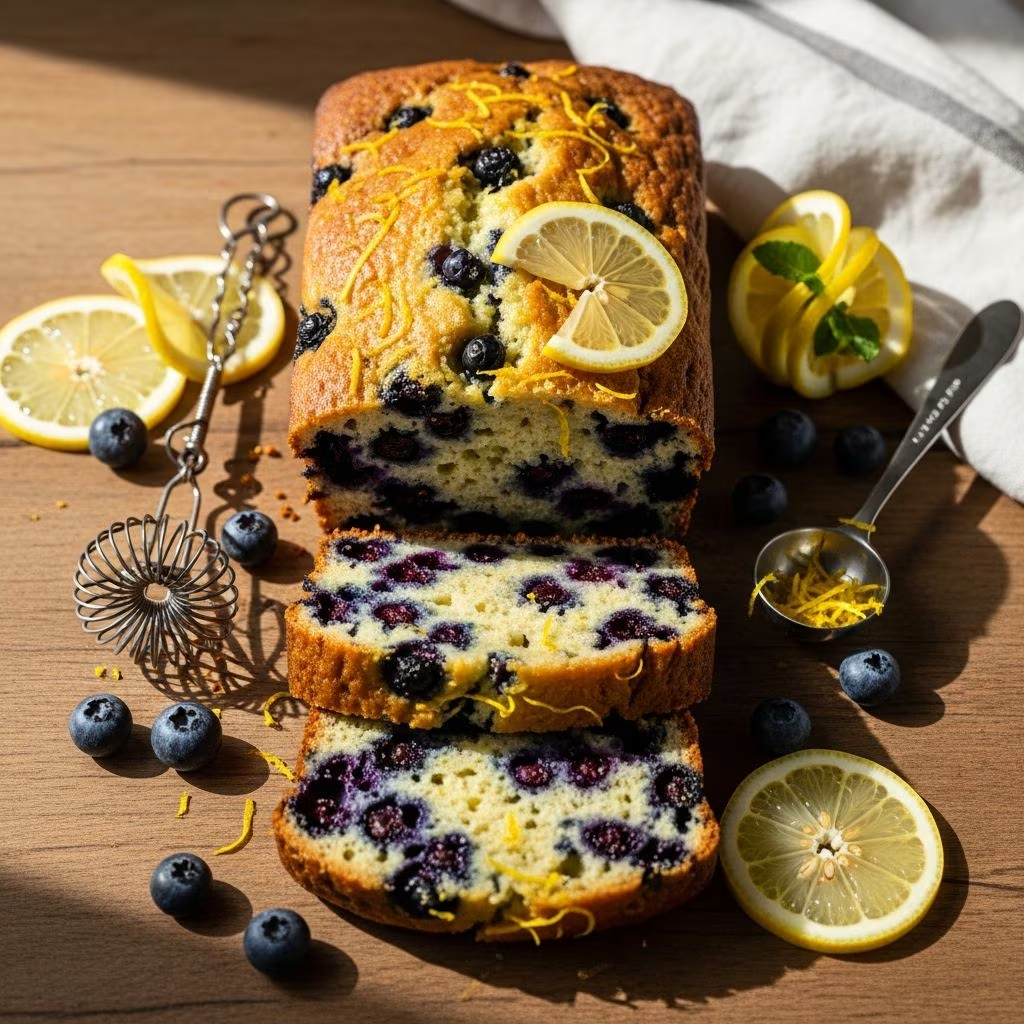
The combination of bright citrus and juicy berries creates one of the most beloved quick breads in home baking. A well-executed lemon blueberry loaf balances moisture, flavor, and texture to deliver a treat that works equally well for breakfast, afternoon snacking, or light desserts. This guide explores everything you need to know about creating this versatile baked good, from ingredient selection to storage techniques.
Understanding the Fundamentals of Quick Bread Baking
Quick breads differ fundamentally from yeast-based breads in their structure and preparation method. Rather than relying on fermentation to develop flavor and texture, quick breads depend on chemical leavening agents like baking powder or baking soda. This category encompasses a wide range of baked goods, from banana bread to pumpkin loaves, all characterized by their straightforward mixing methods and relatively short baking times.
The lemon blueberry loaf represents an excellent example of the quick bread category because it demonstrates how proper technique can yield professional-quality results in a home kitchen. The key to success lies in understanding how each ingredient contributes to the final product and recognizing when variations in technique produce different outcomes.
Core Ingredients and Their Functions
Every lemon blueberry loaf begins with a foundation of essential ingredients that work together to create the desired crumb structure and flavor profile. Understanding each component’s role transforms you from someone who simply follows recipes to a baker who can troubleshoot problems and make intentional adjustments.
Flour: The Structural Foundation
All-purpose flour provides the structural backbone of the loaf. Typically, recipes call for 1.5 to 2.25 cups of flour, depending on the moisture content contributed by other ingredients. Some bakers prefer self-rising flour, which incorporates baking powder and salt, streamlining the mixing process. This choice works particularly well for those seeking simplicity in their baking routine.
Leavening Agents: Creating Rise and Crumb
Baking powder serves as the primary leavening agent in most lemon blueberry loaf recipes. The typical amount ranges from 1 to 2 teaspoons, with the exact quantity depending on other ingredients and desired density. Baking powder creates carbon dioxide bubbles that expand during baking, developing the characteristic tender crumb structure that makes quick breads appealing.
Fat: Moisture and Richness
Both butter and oil appear in various lemon blueberry loaf recipes, each offering distinct advantages. Butter contributes rich flavor and creates a slightly finer crumb, while neutral oils like canola or vegetable oil enhance moisture retention. Many modern recipes combine both ingredients, leveraging butter’s flavor with oil’s moisture-preserving properties. Quantities typically range from 0.5 to 1 cup total fat.
Dairy Components: Moisture and Tenderness
Sour cream, yogurt, and milk each play important roles in creating moist loaves. Sour cream adds tangy flavor and richness, while Greek yogurt provides moisture with a lighter fat content. Regular milk serves as a gentler hydrating agent when combined with oil-based recipes. The selection depends on personal preferences regarding flavor intensity and desired richness.
Eggs: Binding and Structure
Typically, recipes call for 3 large eggs, which serve multiple functions: binding ingredients together, contributing moisture, and helping develop the loaf’s structure. The eggs should be at room temperature for optimal incorporation and even distribution throughout the batter.
Lemon Components: Flavor and Brightness
Both lemon zest and juice create the signature citrus character. Zest—the colored outer layer of the lemon peel—contains concentrated aromatic oils that deliver intense lemon flavor. Most recipes call for 1 to 2 tablespoons of zest, typically from 1 to 2 whole lemons. Fresh lemon juice adds brightness and acidity, with recipes using anywhere from 2 tablespoons to 0.25 cup, depending on desired intensity.
Blueberries: Texture and Natural Sweetness
Fresh blueberries remain the preferred choice for baking, delivering better flavor than frozen alternatives, though frozen berries work when thawed and well-drained. Quantities typically range from 1.5 to 2 cups. A crucial technique involves coating berries lightly with flour before folding them into the batter—this prevents them from sinking to the bottom of the pan during baking.
Essential Mixing Techniques and Methods
The mixing method significantly impacts the final loaf’s texture and appearance. Understanding different approaches allows you to select the technique that aligns with your kitchen equipment and preferences.
The Creaming Method
Traditional recipes often employ the creaming method, which begins by beating softened butter and sugar together until light and fluffy. This process incorporates air into the batter, contributing to a tender crumb. After creaming, eggs are added gradually, followed by milk and other wet ingredients. Finally, dry ingredients are folded in until just combined. This method typically requires a stand mixer or electric hand mixer.
The One-Bowl Method
For simplified preparation, some recipes combine all wet ingredients in a single bowl—including oil, eggs, dairy, and lemon juice—then whisk them together. The dry ingredients are mixed separately, then combined with the wet mixture with minimal stirring. This approach eliminates the need for electric mixers and reduces cleanup while maintaining excellent results.
The Reverse Creaming Method
This technique involves mixing dry ingredients with the fat first, creating a paste-like consistency. Wet ingredients are then gradually incorporated. This method can produce particularly tender crumbs and is often used in professional baking environments.
Optional Enhancements and Finishing Touches
While a basic lemon blueberry loaf stands on its own merit, several optional additions elevate the final product beyond its fundamental version.
Lemon Syrup for Added Moisture
A light syrup made from lemon juice and sugar can be brushed onto the warm loaf immediately after baking. This technique adds moisture and intensifies the lemon flavor, creating a more decadent final product. The syrup is simply lemon juice mixed with a small amount of sugar, warmed gently, then applied while the loaf is still warm.
Lemon Glaze for Visual Appeal
A sweet-tart glaze made from powdered sugar and fresh lemon juice provides an attractive finish. The glaze drapes over the cooled loaf, creating visual interest and adding an extra layer of flavor. Some recipes include a touch of corn syrup or vanilla extract for smoothness and depth.
Texture Additions
Ground almonds appear in some variations, adding subtle nutty notes and contributing to moisture retention. These are typically folded in alongside the flour, amounting to around 0.25 cup when used.
Step-by-Step Baking Process
| Step | Details | Timing |
|---|---|---|
| Preparation | Preheat oven to 350°F; grease and line loaf pan with parchment paper | Before mixing |
| Ingredient Assembly | Gather all ingredients at room temperature; zest lemons; prepare blueberries with flour coating | 5-10 minutes |
| Dry Ingredient Mixing | Whisk together flour, baking powder, salt, and zest in medium bowl | 2 minutes |
| Wet Ingredient Mixing | Combine butter/oil, sugar, eggs, dairy, and lemon juice until smooth | 3-5 minutes |
| Ingredient Combining | Add wet ingredients to dry ingredients, stirring until flour just disappears; avoid overmixing | 1-2 minutes |
| Berry Incorporation | Gently fold flour-coated blueberries into batter | 1 minute |
| Panning | Pour batter into prepared loaf pan; scatter extra berries on top if desired | 2 minutes |
| Baking | Bake until toothpick inserted in center comes out clean | 50-60 minutes |
| Cooling | Cool in pan for 10-15 minutes, then turn out onto wire rack to cool completely | 60+ minutes |
| Finishing | Apply syrup (if using) while warm; glaze after complete cooling | 5-10 minutes |
Ingredient Variations and Substitutions
Baking accommodates numerous substitutions without sacrificing quality, allowing adaptation to dietary restrictions or ingredient preferences.
- Dairy alternatives: Greek yogurt can replace sour cream in equal measure; milk replaces buttermilk in most recipes
- Fat options: Coconut oil substitutes for neutral oils; ghee offers an alternative to butter
- Egg considerations: Aquafaba (chickpea liquid) can replace eggs for vegan versions at a 3-tablespoon ratio per egg
- Flour varieties: Whole wheat flour works when mixed with all-purpose flour in a 1:1 ratio for added nutrition
- Berry alternatives: Raspberries or blackberries can partially or fully replace blueberries
- Sweetener options: Coconut sugar, maple syrup, or honey can modify the flavor profile while maintaining moisture
Troubleshooting Common Baking Issues
Even experienced bakers encounter occasional challenges. Understanding common problems and their solutions builds confidence and consistency in your baking practice.
Overly Dense or Dry Loaf
This issue typically results from overmixing the batter, which develops gluten and creates a tough crumb. Mix only until ingredients combine—slight lumps in the dry ingredients are preferable to overdeveloped gluten. Additionally, ensure accurate measuring; too much flour creates dryness. Using slightly more dairy or oil than the recipe specifies can compensate for particularly dry conditions.
Sunken Center or Underbaked Interior
If the center appears raw while edges cook fully, reduce oven temperature by 25 degrees and extend baking time. Alternatively, position the rack lower in the oven to reduce top heat intensity. Covering the loaf loosely with foil after 30 minutes of baking can prevent excessive browning while the interior continues cooking.
Blueberries Sinking to Bottom
Coating berries with flour before folding prevents sinking by creating friction between berries and batter. Additionally, fold berries in just before panning, when the batter is thickest. Using fresh berries rather than frozen also helps, as frozen berries contain more liquid.
Overly Moist or Dense Crumb
If the texture feels too dense and moist, the issue may involve too much dairy or insufficient leavening. Ensure baking powder hasn’t expired, as inactive leavening cannot create proper rise. Reduce dairy by 1 to 2 tablespoons in the next attempt, or increase baking powder slightly.
Storage and Preservation Techniques
Proper storage extends the enjoyment of your lemon blueberry loaf well beyond the baking day.
Room Temperature Storage
Keep glazed loaves in airtight containers at room temperature for up to three days. The container maintains moisture while preventing the exterior from drying. Lightly glazed or unglazed loaves benefit from this storage method.
Refrigeration
Refrigeration extends shelf life to five to seven days when the loaf is wrapped tightly and stored in an airtight container. Remove from refrigeration 30 minutes before serving to restore optimal texture and flavor.
Freezing
For long-term storage, freeze unglazed loaves for up to three months. Wrap tightly in plastic wrap, then aluminum foil for optimal protection. Thaw at room temperature before applying any glaze. This method preserves the loaf’s quality substantially better than freezing after glazing.
Individual Portion Freezing
Slice the loaf before freezing for convenient single-serving thawing. Wrap slices individually or layer them with parchment paper before freezing in an airtight container.
Serving Suggestions and Pairing Ideas
The lemon blueberry loaf’s versatility allows numerous serving applications. Enjoy warm slices with morning coffee or tea, create elegant brunch presentations for gatherings, or individually wrap slices as homemade gifts. Serve alongside whipped cream or Greek yogurt for dessert applications, or toast slices and top with butter for breakfast comfort.
Frequently Asked Questions
Can I use frozen blueberries?
Yes, frozen blueberries work, but thaw and drain them thoroughly to remove excess liquid, then coat with flour before folding. Fresh berries deliver superior flavor and texture.
What makes the loaf moist?
Sour cream, yogurt, or milk contribute moisture. Oil-based recipes also retain moisture better than butter-only versions. Optional lemon syrup applied immediately after baking adds significant moisture.
How do I know when the loaf is done?
Insert a toothpick into the center; it should emerge with few or no moist crumbs. The top should feel springy when gently pressed, and the loaf should pull slightly from the pan edges.
Can I make this loaf dairy-free?
Replace sour cream or yogurt with non-dairy alternatives like coconut cream or cashew cream in equal measure. Ensure any milk component uses plant-based alternatives.
How far in advance can I prepare the batter?
Prepare batter up to two hours ahead, storing covered at room temperature. Do not add blueberries until immediately before panning to prevent excessive moisture.
References
- Moist Lemon Blueberry Loaf with Sour Cream — Two Cooks in the Kitchen. 2024. https://twokooksinthekitchen.com/moist-lemon-blueberry-loaf/
- Lemon Blueberry Loaf — Butternut Bakery Blog. 2024. https://butternutbakeryblog.com/lemon-blueberry-loaf/
- The BEST Lemon Blueberry Bread Loaf Recipe — SheSaved. 2024. https://www.shesaved.com/lemon-blueberry-bread/
- Glazed Lemon Blueberry Loaf Recipe: A Bright & Buttery Quick Bread — Barbara Bakes. 2024. https://www.barbarabakes.com/lemon-blueberry-bread/
- Lemon Blueberry Loaf Cake (Greek Yogurt) — Real Food Whole Life. 2024. https://realfoodwholelife.com/recipes/lemon-blueberry-loaf/
- Lemon Blueberry Bread with Lemon Glaze — Carla Hall. 2024. https://carlahall.com/lemon-blueberry-bread-with-lemon-glaze/