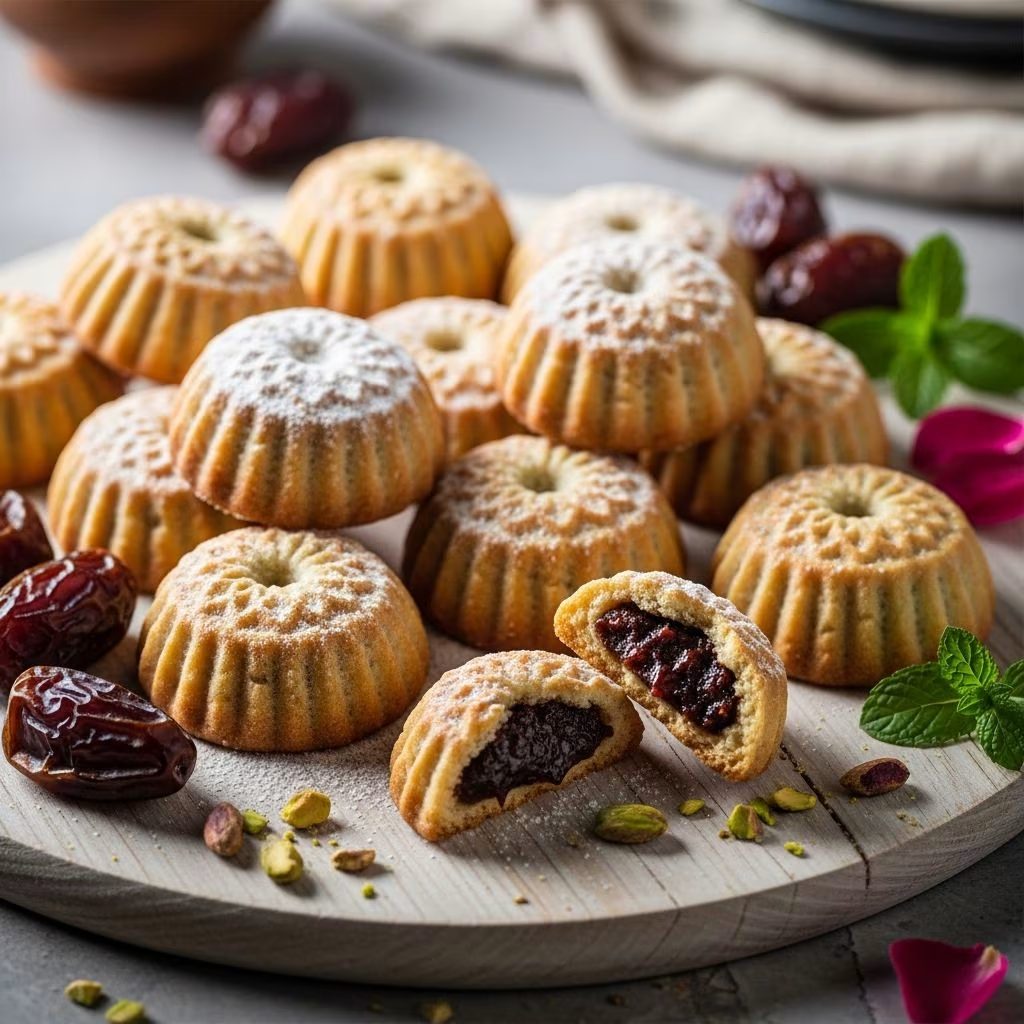
Lebanese date cookies, traditionally known as maamoul or kleicha in Arabic, represent one of the most cherished desserts in Middle Eastern culinary traditions. These delicate shortbread pastries feature a harmonious combination of buttery, crumbly dough with a smooth, naturally sweetened date filling. The cookies have been passed down through generations, often prepared for special occasions, holidays, and family celebrations. Their distinctive appearance, created through decorative molding or hand-shaping techniques, makes them not just a treat for the palate but also a visual delight that adorns festive tables.
The beauty of these cookies lies in their simplicity and versatility. While the basic components remain consistent across various recipes, family traditions often introduce subtle variations in flavoring and preparation methods. From the use of fragrant rose water and orange blossom water to the incorporation of warm spices like cardamom and cinnamon, each household adds its own signature touch to this beloved recipe. Understanding the fundamentals of cookie construction, ingredient selection, and shaping techniques will enable you to create maamoul that rivals those found in traditional bakeries.
Essential Ingredients for Authentic Preparation
Creating successful Lebanese date cookies begins with selecting quality ingredients. The foundation of the dough relies on several key components that work together to achieve the perfect texture and flavor profile. Understanding each ingredient’s role is crucial for producing cookies that are tender, flavorful, and true to tradition.
The Cookie Dough Foundation
The dough serves as the canvas for the date filling, and its composition directly influences the final product’s texture and taste. All-purpose flour forms the primary structure, providing the gluten network necessary for binding. Many traditional recipes incorporate corn flour, which creates a more delicate, less dense crumb structure compared to using flour alone. This combination produces cookies that are crumbly yet cohesive, with a tender bite that distinguishes authentic maamoul from ordinary butter cookies.
Fat plays an equally important role in cookie construction. Traditional recipes often call for ghee, a clarified butter prized in Middle Eastern cooking for its rich flavor and pure butter composition. Ghee contains minimal moisture, which is essential for achieving the proper cookie texture. Some modern adaptations use unsalted butter combined with vegetable oil, which can work effectively when ghee is unavailable. The ratio of fat to flour is critical—too little will result in dry, crumbly cookies, while too much will cause spreading and a greasy final product.
Powdered sugar adds subtle sweetness without contributing excessive moisture to the dough. The fine granules dissolve completely into the dough, creating a uniform texture. This sweetening approach differs from recipes using granulated sugar, as it prevents grittiness and promotes a smooth crumb structure. Rose water and orange blossom water introduce the aromatic complexity characteristic of traditional Lebanese desserts. These floral extracts are not mere flavoring agents—they represent the cultural essence of the recipe. For those unable to locate these specialty ingredients, vanilla extract provides a suitable alternative that maintains the cookies’ appeal, though the distinctive Middle Eastern character will be somewhat diminished.
The Date Filling Components
The filling embodies the heart of the cookie, delivering natural sweetness and rich depth. Date paste or finely processed pitted dates create the foundation of this filling. Medjool dates are frequently preferred for their large size, natural sweetness, and ability to blend into a smooth paste. When incorporating dates into the filling, the addition of small amounts of ghee or oil helps achieve the desired jam-like consistency. The ghee not only improves texture but also integrates the warming spices that complement the dates’ subtle caramel notes.
Spices transform the simple date filling into something complex and memorable. Cardamom, with its distinctly warm and slightly floral notes, appears in both the dough and filling in many authentic recipes. Cinnamon contributes earthiness and subtle sweetness, while smaller quantities of these spices prevent overpowering the dates’ natural flavor. The spice profile should enhance rather than dominate, creating a balanced sensory experience that unfolds gradually as you enjoy each cookie.
Comprehensive Preparation Methodology
Constructing the Cookie Dough
The dough preparation process requires patience and attention to technique. Begin by combining flour, corn flour, powdered sugar, and spices in a large mixing bowl. In a separate process, work softened ghee or butter by hand with the flour mixture for approximately 6 to 7 minutes. This extended mixing time—longer than typical cookie doughs—serves a specific purpose: it incorporates the fat thoroughly and develops a sandy, breadcrumb-like texture. The resulting consistency should resemble coarse sand or breadcrumbs, with no visible lumps of fat remaining.
After achieving this texture, add the aromatic components and water gradually. The water should be introduced in small increments, mixed very gently by gathering the dough from the sides of the bowl rather than aggressive kneading. Aggressive mixing at this stage develops gluten, resulting in tough cookies rather than tender ones. The dough will appear sticky and unpromising initially—this is expected and indicates proper technique. Cover the dough and refrigerate for 30 to 40 minutes, allowing the starches to hydrate and the dough to firm up, making it more manageable for shaping.
Creating the Date Filling
Prepare the date filling while the dough chills. If using whole pitted dates rather than prepared date paste, pulse them in a food processor with ghee or oil until achieving a smooth, paste-like consistency. The ghee acts as a binder and prevents the dates from sticking together in clumps. Fold in the ground spices thoroughly, ensuring even distribution throughout the mixture. The filling should have sufficient body to hold its shape when rolled into balls, yet remain soft enough to compress easily when pressed into the center of dough portions. Form the filling into small balls approximately one-half to one teaspoon in size, depending on your desired cookie dimensions. These balls should be set aside until ready for assembly.
Shaping and Assembly Techniques
Once the dough has chilled sufficiently, remove it from the refrigerator and gently knead for approximately one minute. The dough should be workable but still slightly firm. Several shaping methods exist, each creating distinctive appearances while maintaining the same delicious interior.
Hand-Shaping Method
This traditional approach allows for individual creativity and requires no special equipment. Take a small portion of dough—approximately the size of a walnut—and gently flatten it in your palm. Cup your hand slightly to create a shallow depression, then place one date filling ball in the center. Carefully bring the dough edges upward and press them together, sealing the filling completely inside. Once sealed, gently roll the filled portion between your palms to form a smooth ball, then flatten slightly into a disc shape. Using a fork, knife, or decorative implement, create impressions or patterns on the top surface. These patterns serve both aesthetic and practical purposes—they indicate the filling type and create an attractive presentation.
Traditional Mold-Based Shaping
Specialized wooden or ceramic molds represent the traditional shaping method in Lebanese households. These molds feature decorative indentations on their interior surfaces, creating distinctive patterns when the finished cookies are released. To use a mold, flatten a portion of dough and press it firmly into the mold cavity to line the bottom and sides. Add date filling in the center, then cover with another thin layer of dough, pressing gently to seal. Tap the mold sharply against a clean countertop edge, and the finished cookie should release into your waiting hand. The resulting cookie displays the beautiful pattern created by the mold’s interior design.
Baking and Finishing Techniques
Preheat your oven to 350 degrees Fahrenheit, allowing adequate time for the heating element to reach temperature. Line baking sheets with parchment paper or silicone mats to prevent sticking and ensure even browning. Arrange the shaped cookies on the prepared sheets, leaving approximately one inch of space between each cookie to allow for minor spreading during baking.
Bake for 12 to 15 minutes, or until the cookies are pale golden brown on the bottom and just set on top. Avoid overbaking, as these delicate cookies can dry out quickly. The cookies should remain soft and tender, never hard or crispy. Upon removing from the oven, allow the cookies to cool on the baking sheet for approximately 5 minutes before transferring to a cooling rack. During the final cooling stage, dust the still-warm cookies lightly with powdered sugar, which will adhere to any residual heat on the surface.
Storage and Preservation Methods
Properly stored Lebanese date cookies maintain their quality for an extended period. Once completely cooled, transfer the cookies to an airtight container, placing parchment paper between layers to prevent sticking. Store in a cool, dry location away from direct sunlight. Under these conditions, the cookies will remain fresh and flavorful for up to two weeks. For longer-term storage, the finished cookies can be frozen in freezer-safe containers for up to three months. Thaw at room temperature before serving.
Frequently Asked Questions About Lebanese Date Cookies
Can I substitute ghee with regular butter?
While ghee provides superior results due to its lower moisture content, you can use unsalted butter as a substitute. However, butter contains more water, which may affect the dough’s texture. If using butter, reduce the total liquid in the recipe slightly and ensure the dough firms up adequately during refrigeration. The cookies may be slightly less crispy but will still be satisfactory.
What if I cannot find date paste?
You can prepare date paste at home by processing pitted dates in a food processor with a small amount of oil or ghee until achieving a smooth consistency. Alternatively, you can form the filling from finely chopped dates mixed with ghee and spices, then processed until cohesive.
Are there variations with different fillings?
Absolutely. While dates are the traditional filling, some variations incorporate walnuts or pistachios mixed with dates. Some recipes use exclusively ground nuts rather than dates. These variations maintain the same dough and baking methodology while offering different flavor profiles.
How can I achieve the traditional decorative patterns?
Authentic patterns come from wooden molds specifically designed for maamoul. These molds are available through Middle Eastern specialty stores or online retailers. Alternatively, create patterns using a fork, creating small indentations across the cookie’s surface, or use a small knife to score decorative lines.
Why did my cookies turn out dry?
Dryness typically results from overbaking or using too little fat in the dough. Ensure you do not exceed the recommended baking time, and verify that your fat-to-flour ratio matches the recipe. Additionally, excessive kneading can develop gluten and result in a tougher, drier texture.
Troubleshooting Common Baking Challenges
Understanding what causes common issues helps you adjust your technique for consistent success. If your dough becomes too sticky to work with, this indicates insufficient chilling time. Return it to the refrigerator for an additional 10 to 15 minutes before resuming work. Conversely, if the dough seems too dry and crumbly, add water one tablespoon at a time, mixing gently until cohesion is achieved.
Cookies that spread excessively during baking suggest either insufficient chilling or too much fat in the dough. Ensure the dough is thoroughly chilled and verify your ingredient measurements. If cookies fail to hold their shape when being formed, the dough temperature may be too warm. Return it to the refrigerator briefly before continuing.
The Cultural Significance and Serving Traditions
Lebanese date cookies occupy an important place in Middle Eastern food culture, particularly during holiday celebrations and religious observances. In many families, preparing these cookies is a multigenerational tradition, with recipes and techniques passed from grandmother to mother to child. The act of making maamoul often becomes a communal event, bringing family members together in the kitchen for hours of preparation and celebration.
These cookies are customarily offered to guests as a sign of hospitality and are often packaged as thoughtful homemade gifts during festive seasons. The presentation matters greatly—cookies are frequently arranged on decorative platters and served alongside strong coffee or tea. The combination of the delicate, naturally sweetened cookie with the aromatic beverage creates a complete sensory experience that is central to Middle Eastern hospitality traditions.
Making Lebanese Date Cookies Part of Your Baking Repertoire
Mastering Lebanese date cookies expands your baking skills while connecting you to a rich culinary heritage. The techniques involved—careful ingredient selection, gentle handling, proper chilling, and precise baking—apply to many other delicate pastries and cookies. Once you understand the fundamentals of constructing these traditional treats, you can confidently adapt recipes to your preferences and available ingredients while maintaining the essential character that makes maamoul beloved across generations.
References
- Cosette’s Kitchen – Lebanese Date Cookies — Cosette’s Kitchen. Accessed April 2026. https://cosetteskitchen.com/datecookies
- Authentic Date Cookies (Lebanese Cookies) – Munaty Cooking — Munaty Cooking. Accessed April 2026. https://www.munatycooking.com/date-cookies/
- Ma’amoul (Middle Eastern Date Filled Cookies) — An Edible Mosaic. Accessed April 2026. https://www.anediblemosaic.com/middle-eastern-date-filled-cookies-maamoul/
- Sitto’s Date Ma’moul — Maureen Abood. Accessed April 2026. https://maureenabood.com/sittos-date-mamoul/
- Maamoul (Date Filled Cookies) — The Delicious Crescent. Accessed April 2026. https://www.thedeliciouscrescent.com/maamoul-cookies/