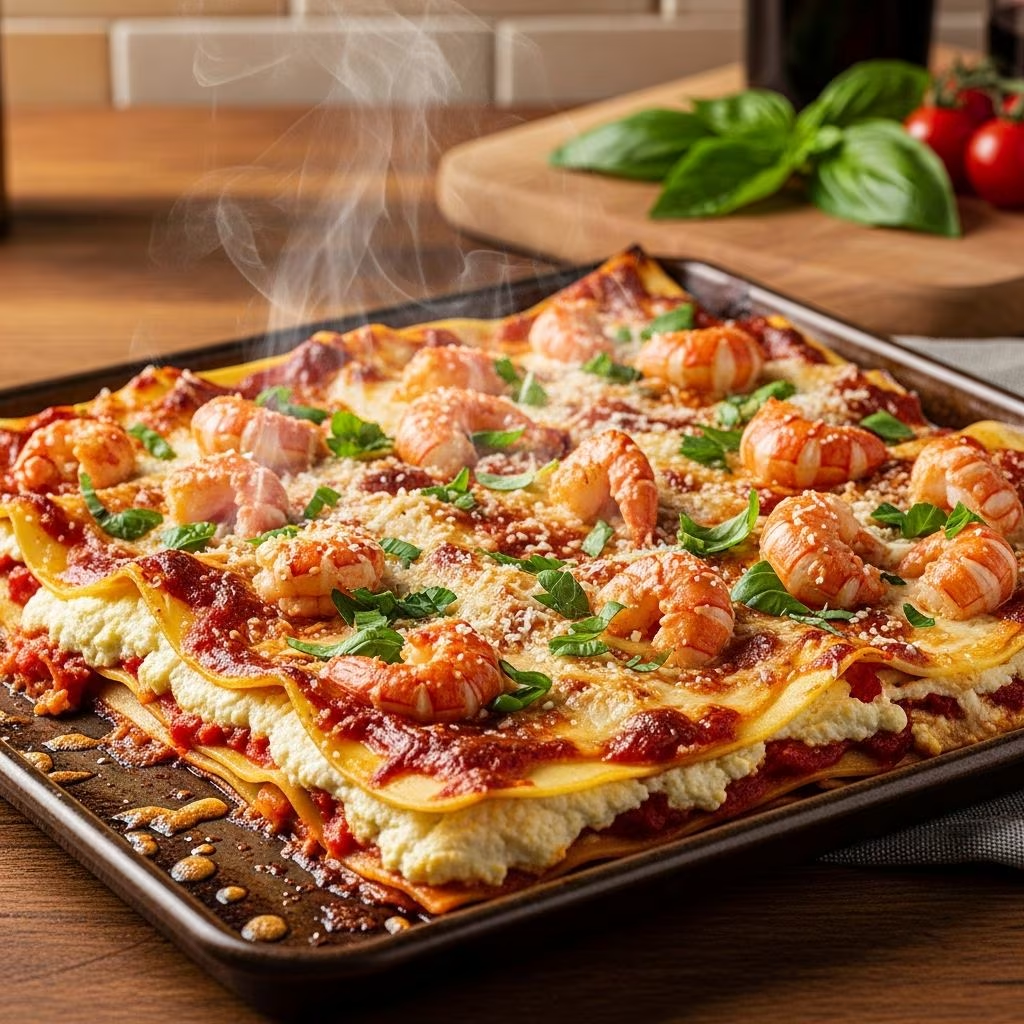
Sheet pan cooking has revolutionized the way home cooks approach weeknight dinners, transforming traditional recipes into simpler, more manageable preparations without sacrificing flavor or presentation. When you introduce langostino—a delicate crustacean with tender, succulent meat—to this innovative cooking method, you create a sophisticated dish that appears far more complicated than it actually is. This langostino sheet pan lasagna bridges the gap between restaurant-quality cuisine and accessible home cooking, delivering impressive results that will impress family and guests alike.
Understanding Langostino and Its Culinary Applications
Langostino, often called Norwegian lobster or scampi in various culinary traditions, represents a premium seafood ingredient that brings elegance to any dish. These crustaceans possess a delicate, slightly sweet flavor that complements rich cream-based sauces and melted cheese beautifully. The meat texture is tender yet substantial enough to hold its own when layered with pasta and other components. Unlike larger lobster varieties, langostino cooks quickly and requires minimal preparation, making it ideal for efficient meal preparation.
The versatility of langostino extends across numerous cooking methods, but its particular excellence in baked dishes comes from how the gentle oven heat preserves the meat’s delicate qualities while allowing flavors to meld throughout the dish. When incorporated into a sheet pan lasagna, langostino elevates the entire preparation from a casual comfort food to an elegant entrée suitable for special occasions or when you want to treat yourself to something exceptional.
Building Your Flavor Foundation with Aromatics and Seasonings
The foundation of any exceptional lasagna begins with aromatics that build depth and complexity. For a langostino-based version, you’ll want to establish a savory base that won’t overpower the delicate seafood. Garlic and shallots provide the essential aromatic framework, offering subtle pungency that enhances rather than dominates. Fresh herbs, particularly Italian parsley and dill, complement seafood beautifully and should be incorporated both during cooking and as a finishing garnish.
Seasonings for seafood lasagna should be approached with restraint and sophistication. While traditional meat-based versions might rely heavily on oregano and basil, a langostino preparation benefits from more subtle seasoning choices. White wine, lemon zest, and a touch of saffron can elevate the flavor profile significantly. Sea salt and freshly ground white pepper provide essential seasoning without introducing harsh flavors that might clash with the delicate seafood.
Building layers of flavor occurs throughout the cooking process. Initial aromatics infuse the oil with flavor, creating a flavorful base for the sauce. As the lasagna bakes, these flavors concentrate and deepen, creating complexity that develops throughout cooking.
Crafting the Perfect Sauce Base for Seafood Lasagna
The sauce distinguishes an ordinary lasagna from an exceptional one. For langostino preparations, you have several options depending on your preference and available time. A classic approach involves creating a light cream sauce infused with langostino stock or high-quality fish stock. This approach preserves the delicate seafood flavor while providing richness that complements the pasta and cheese layers.
Begin by creating a roux with butter and flour, cooking them together until the raw flour flavor disappears but the mixture remains pale. Gradually add warmed stock, whisking continuously to prevent lumps. The resulting sauce should coat the back of a spoon but remain pourable. To this base, you can add fresh cream, white wine reduction, and finely chopped langostino meat reserved specifically for the sauce.
An alternative approach uses a tomato-based sauce with a seafood twist. This lighter preparation involves sautéing aromatics in olive oil, adding high-quality crushed tomatoes, and simmering with langostino shells and herb aromatics for subtle flavor extraction. Strain the sauce, season to taste, and you have a brighter, more refreshing complement to the langostino meat that will be layered throughout.
Preparing Langostino for Optimal Texture and Flavor
Langostino preparation requires careful handling to preserve its delicate texture and flavor. If using fresh langostino, humanely dispatch the crustacean and remove the meat by splitting the tail lengthwise and gently extracting the tender flesh. Frozen langostino should be thawed slowly in refrigeration, never at room temperature, to maintain texture and prevent moisture loss. Once thawed, pat the meat dry with paper towels to remove excess moisture that could introduce unwanted water into your lasagna.
Divide the langostino meat into portions: reserve the finest, most intact pieces for layering where they’ll be visible and contribute to the dish’s presentation. Any smaller pieces or fragments can be incorporated into the sauce, providing additional flavor and richness. This strategic use of different meat qualities ensures optimal visual presentation while maximizing flavor throughout the dish.
Brief cooking of langostino meat is essential. These delicate crustaceans require only gentle heat to become tender. Never boil or overcook langostino, as this results in rubbery, unpalatable texture. If pre-cooking langostino pieces separately before assembly, keep cooking time to a bare minimum—just enough to firm the exterior slightly while maintaining the tender interior texture.
Cheese Selection and Layering Strategy
Cheese selection dramatically impacts the final result of your sheet pan lasagna. For langostino preparations, you’ll want cheeses that complement rather than compete with the delicate seafood. Ricotta provides a creamy base layer, contributing richness without aggressive flavor. Fresh mozzarella, grated just before use, melts smoothly and creates that classic stringy cheese pull that makes lasagna visually appealing and satisfying to eat.
Parmesan cheese adds essential umami depth, but use it judiciously to avoid overwhelming the delicate langostino. Pecorino Romano offers an alternative with slightly more assertive flavor, suitable if you prefer bolder cheese presence. A small amount of mascarpone mixed with ricotta creates an exceptionally creamy layer that’s particularly luxurious.
Layer your cheeses strategically: begin with a light sauce layer on the sheet pan, then alternate pasta, langostino pieces, sauce, and cheese combinations. Reserve the best mozzarella and a generous portion of Parmesan for the top layer, ensuring the finished dish has an attractive golden crust.
Pasta Preparation for Sheet Pan Consistency
Traditional lasagna noodles work well when broken into manageable pieces, creating a rustic, less formal presentation ideal for sheet pan cooking. Break noodles into roughly two-inch pieces, creating a more casual aesthetic than formal layered lasagna. This approach also allows better sauce distribution throughout the dish, ensuring every bite contains flavorful components.
Cook noodles to al dente consistency—slightly firm with just a hint of resistance when bitten. They’ll continue cooking during baking, so slightly undercooking them prevents mushy, overcooked pasta in the final dish. After draining, toss the hot pasta with a small amount of olive oil to prevent sticking, which is particularly important when working with broken noodles that might otherwise clump together.
Assembly and Baking Techniques
Successful sheet pan lasagna begins with proper pan preparation. Use a 12×17-inch sheet pan or similar large baking vessel, oiling it well to prevent sticking. Begin assembly by spreading a thin layer of sauce across the pan bottom, preventing pasta from sticking directly to the pan.
Layer components in this order: pasta pieces, sauce with langostino chunks, a sprinkle of cheese, then repeat. The final layer should be primarily cheese—a combination of mozzarella and Parmesan—which will brown beautifully during baking. Don’t be timid with cheese; this is what creates the appealing golden crust that makes sheet pan lasagna so attractive.
Bake at 375-400°F for approximately 25-35 minutes, until the cheese is bubbling vigorously at the edges and the top is golden brown. If the top begins browning too quickly, loosely cover with aluminum foil during the first 15-20 minutes of baking, removing it to allow browning in the final stage.
Timing and Temperature Control for Perfect Results
Oven temperature significantly affects final results. A 375°F oven allows gradual, even cooking that heats throughout without burning the cheese top. A 400°F oven cooks faster but requires more careful monitoring to prevent excessive browning before the interior reaches proper temperature. Use a kitchen thermometer inserted into the center to verify the dish has reached at least 165°F internal temperature, ensuring food safety while indicating thorough heating.
Allow the finished lasagna to rest for 5-10 minutes after removing from the oven. This crucial step allows the structure to set, making serving easier and creating better-defined portions. The resting period also allows flavors to redistribute and settle, improving the overall taste experience.
Practical Tips for Success
- Purchase high-quality langostino from reputable seafood suppliers or frozen seafood sections of upscale grocery stores
- If langostino is unavailable, substitute large shrimp, scallops, or a combination of delicate white fish
- Prepare components in advance: make sauce several hours or a day ahead, storing it refrigerated until needed
- Assemble the lasagna 1-2 hours before baking, allowing flavors to meld before cooking begins
- Use parchment paper under the sheet pan for easier cleanup and to prevent sticking
- Consider adding sautéed spinach or roasted asparagus to vegetable layers for added nutrition and visual appeal
- Prepare extra sauce for drizzling over individual servings at the table
Serving Suggestions and Flavor Pairings
Plate your langostino sheet pan lasagna generously, using a wide spatula to maintain structural integrity while transferring to serving dishes. Garnish with fresh dill, Italian parsley, lemon zest, and a light drizzle of quality olive oil. These fresh additions brighten the rich, creamy dish and add visual appeal.
Pair this elegant entrée with appropriate accompaniments that complement without overwhelming. A crisp, dry white wine—such as Pinot Grigio or Sauvignon Blanc—provides perfect pairing. A simple green salad with lemon vinaigrette cleanses the palate between bites. Garlic bread or crusty focaccia serves as an ideal vehicle for sauce absorption.
Storage and Reheating Instructions
Store leftover langostino lasagna covered in an airtight container in the refrigerator for up to three days. Reheat gently in a 325°F oven, covered with foil, for approximately 15-20 minutes until warmed through. This low temperature prevents cheese from becoming rubbery or the delicate langostino from becoming tough.
This sheet pan lasagna freezes reasonably well for up to two months. Cool completely before wrapping tightly in plastic wrap and aluminum foil. Thaw overnight in the refrigerator before reheating. Note that texture may change slightly after freezing, but the dish remains delicious and satisfying.
Frequently Asked Questions
Can I make this dish ahead of time?
Yes, assemble the lasagna up to 8 hours before baking. Cover and refrigerate, adding 10-15 minutes to the baking time for a cold pan to reach proper temperature.
What’s the best substitute if I can’t find langostino?
Large shrimp, sea scallops, or a combination of delicate white fish varieties work well. Maintain similar cooking times and techniques for best results.
Can I use a regular 9×13-inch baking dish instead of a sheet pan?
Yes, though the cooking time may increase by 10-15 minutes. The smaller dish creates deeper layers that require additional time for heat penetration.
Is this dish suitable for freezing?
Absolutely. Cool completely before freezing. Thaw overnight in the refrigerator and reheat gently in a 325°F oven until warmed through.
How can I make this recipe lower in fat?
Use part-skim ricotta, reduced-fat mozzarella, and substitute half-and-half for heavy cream. The dish remains delicious with these modifications.
References
- Culinary Preparation of Crustaceans — Food and Agriculture Organization of the United Nations. 2019. https://www.fao.org/
- Seafood Cooking Temperatures and Food Safety Guidelines — U.S. Food & Drug Administration. Updated 2024. https://www.fda.gov/food/cfsan/
- Best Practices in Sheet Pan Cooking Methods — Culinary Institute of America. 2023. https://www.ciachef.edu/
- Pasta Cooking and Texture Development — International Pasta Organization. 2022. https://www.internationalpasta.org/
- Cheese Selection for Baked Dishes — Wisconsin Cheese Board. Updated 2024. https://www.wisconsincheese.com/