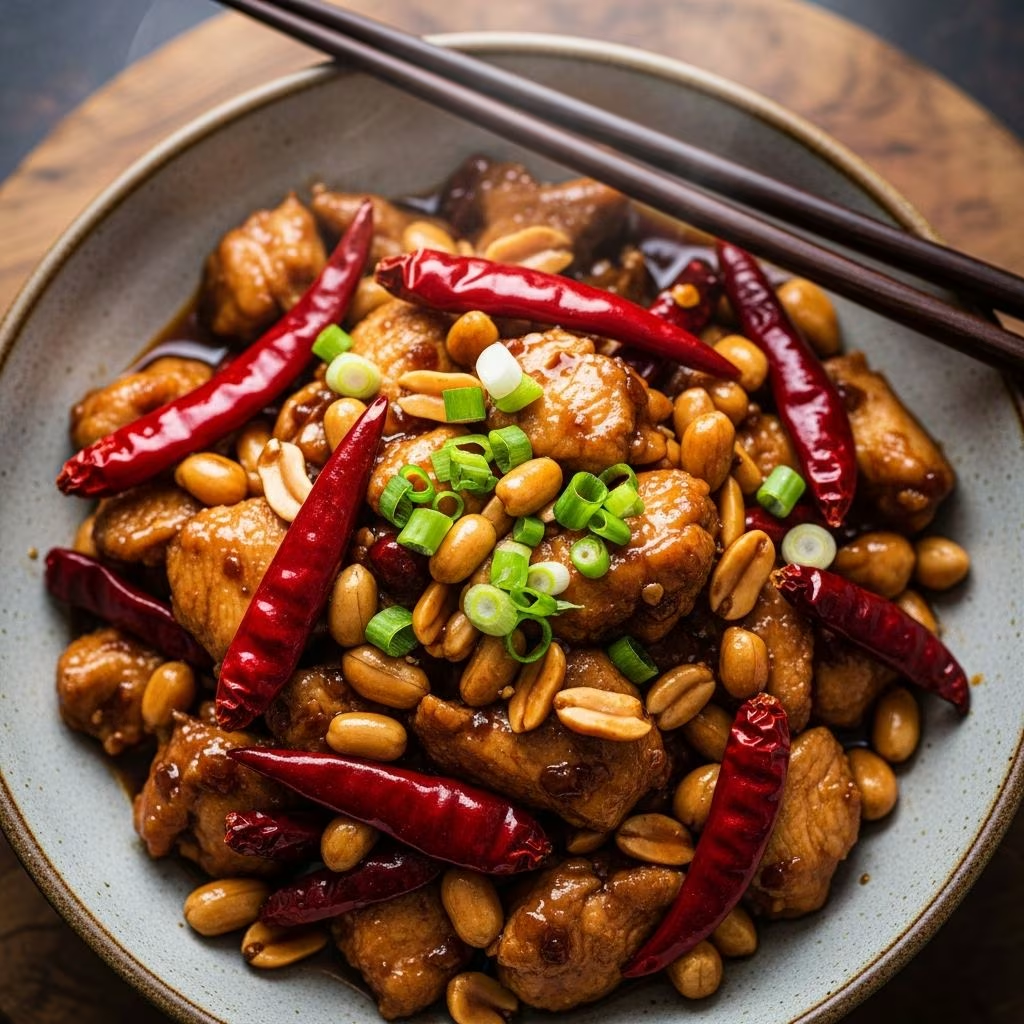
Kung Pao chicken stands as one of the most recognizable dishes in Chinese cuisine, transcending cultural boundaries to become a beloved staple on dining tables worldwide. This iconic stir-fry combines tender poultry with crunchy peanuts, aromatic spices, and a perfectly balanced sauce that delivers layers of flavor in every bite. Whether you’re seeking to recreate your favorite takeout dish or explore authentic cooking methods, understanding the fundamentals of this classic preparation opens doors to culinary success in your own kitchen.
Understanding the Heritage and Origins
This celebrated dish traces its roots to Sichuan province in China, where bold flavors and distinctive cooking techniques have defined the regional culinary tradition for centuries. The name itself carries historical significance, believed to derive from Ding Baozhen, a respected governor during the late Qing Dynasty. According to popular culinary lore, Ding Baozhen’s personal chef created this dish, and it subsequently became named after his official title, Gong Bao, which evolved into the English transliteration “Kung Pao.”
The dish’s popularity extended beyond its provincial origins, spreading throughout China and eventually reaching international markets. Today, versions of Kung Pao chicken appear on menus across Asia and in Chinese restaurants worldwide, each reflecting regional preferences and local ingredient availability. While Western interpretations often lean toward sweeter profiles and milder spice levels, traditional renditions maintain the complexity and heat that characterize authentic Sichuan cooking.
Core Ingredients and Their Roles
Creating an authentic Kung Pao chicken experience begins with understanding each component’s contribution to the final dish. The interplay between proteins, aromatics, spices, and sauce elements creates a harmonious balance that defines this culinary creation.
The Protein Foundation
Chicken serves as the canvas for this dish, with different cuts offering distinct advantages. Boneless, skinless chicken breasts provide lean protein and cook quickly, making them ideal for weeknight preparations. Alternatively, chicken thighs deliver superior moisture and tenderness, particularly when properly marinated. Cutting the chicken into uniform, small pieces ensures even cooking throughout the stir-fry process, preventing some portions from becoming overcooked while others remain underdone.
Essential Aromatics
Garlic and ginger form the aromatic backbone of this preparation, providing pungent, warming flavors that complement the spice profile. Fresh ginger contributes a bright, slightly peppery note, while minced garlic adds depth and complexity. Scallions, when incorporated during both the cooking process and as garnish, provide onion-forward freshness and textural contrast.
The Signature Spice Profile
Two distinctive elements define the characteristic flavor experience of authentic Kung Pao chicken:
- Dried red chilies deliver direct heat and fruity undertones when toasted and incorporated into the dish
- Sichuan peppercorns create the sensation of numbing warmth known as “Mala” (麻辣), meaning “numbing and hot” in Chinese
This combination produces a more nuanced spice experience than simple heat alone, creating a tingling sensation on the palate that enhances overall flavor perception. The traditional ratio balances these elements so that home cooks with moderate spice tolerance can still enjoy the dish without overwhelming heat.
Nuts for Texture
Peanuts represent the textural hallmark of this preparation, providing crunchy contrast to tender chicken and creating pleasant surprises throughout each bite. Beyond peanuts, cashews and other roasted nuts can substitute successfully, adapting the dish to personal preferences or dietary requirements.
Sauce Components
The sauce serves as the unifying element, bringing all flavors together into a cohesive whole. Primary components typically include:
- Soy sauce for umami depth and saltiness
- Rice wine or vinegar for acidity and brightness
- Brown sugar or honey for subtle sweetness
- Sesame oil for nutty undertones
- Cornstarch for proper consistency and coating ability
Preparation Techniques for Superior Results
Marinating the Chicken
A crucial step often overlooked by home cooks involves marinating the protein before cooking. This process, typically lasting thirty minutes to several hours, allows flavors to penetrate the chicken while breaking down muscle fibers through enzymatic action. A basic marinade combines cornstarch, soy sauce, rice wine, minced garlic, and oil. The cornstarch coating creates a protective layer that seals in moisture during high-heat cooking, resulting in more tender finished chicken.
Sauce Preparation
Preparing the sauce in advance prevents last-minute scrambling during the actual cooking process. Combine all liquid ingredients—soy sauce, vinegar, rice wine, and sesame oil—with sweetening elements and cornstarch. Thorough whisking ensures even cornstarch distribution, preventing lumps when the sauce enters the hot wok. Some recipes recommend setting aside a portion of this mixture for marinating, reserving the remainder for the final cooking stage.
The Stir-Fry Method
Successful execution depends on understanding the progression of heat and ingredient addition:
- Heat oil in a wok or large skillet over high heat until shimmering but not smoking
- Sear marinated chicken, allowing surfaces to develop color before removing to a separate bowl
- Reduce heat to medium and add additional oil if needed
- Briefly cook garlic, ginger, and dried chilies to release aromatic compounds without burning them
- Return chicken to the wok and increase heat to high
- Stir continuously for one to two minutes
- Add freshly whisked sauce while stirring constantly to prevent lumping
- Continue stirring as the sauce thickens, typically within one to two minutes
This method ensures even cooking, proper sauce coating, and maintenance of textural contrasts throughout the finished dish.
Customization and Variation Strategies
While traditional preparations maintain specific characteristics, home cooks can adapt recipes to align with personal preferences, dietary requirements, and ingredient availability.
Vegetable Additions
Bell peppers, snap peas, mushrooms, water chestnuts, and broccoli florets can enhance nutritional value and provide additional textural variety. These additions should be cut into appropriately sized pieces and added in stages according to their cooking times, ensuring everything reaches doneness simultaneously.
Protein Alternatives
While chicken remains traditional, shrimp, beef, tofu, and mixed vegetables accommodate various dietary preferences. Cooking times adjust accordingly, with shrimp requiring just a few minutes and firm tofu needing gentle handling to maintain structural integrity.
Heat Level Adjustment
Increasing or decreasing dried chilies and Sichuan peppercorns allows customization of the spice experience. Those preferring milder flavors can reduce these elements or omit them entirely, instead enhancing other flavor dimensions through increased garlic, ginger, or sauce components.
Sweetness and Acidity Balance
Brown sugar quantity can be adjusted based on preference for sweeter or more savory profiles. Similarly, vinegar or rice wine amounts control the acidity level, allowing personal taste preferences to guide adjustments.
Essential Equipment Considerations
While a traditional wok provides optimal heat distribution and capacity, a large, sturdy skillet accomplishes comparable results in most home kitchens. High-sided cookware prevents ingredients from escaping during vigorous stir-frying, and heavy-bottomed construction ensures even heat application. Wooden or silicone cooking utensils protect non-stick surfaces, if applicable, while allowing maximum stirring control.
Common Challenges and Solutions
| Challenge | Cause | Solution |
|---|---|---|
| Tough, rubbery chicken | Overcooking or inadequate marinating | Use thighs instead of breast; marinate for at least 30 minutes; cook at high heat for brief duration |
| Greasy finished dish | Excessive oil or insufficient heat during cooking | Drain excess marinade before cooking; ensure wok reaches proper temperature; reduce oil quantity in subsequent attempts |
| Sauce too thin or too thick | Incorrect cornstarch-to-liquid ratio or incomplete mixing | Whisk cornstarch thoroughly before adding; adjust ratio based on preference; re-thicken by boiling briefly if needed |
| Burnt aromatics | Excessive heat or insufficient oil when adding garlic and ginger | Lower heat to medium before adding aromatics; ensure adequate oil coating; watch carefully to prevent burning |
| Peanuts become soft | Added too early or cooked too long in sauce | Add peanuts near the end of cooking; reserve some as garnish for maximum crunch |
Serving and Pairing Recommendations
Kung Pao chicken reaches its fullest potential when served over complementary bases. Fluffy jasmine rice provides neutral contrast, allowing the bold sauce flavors to shine, while brown rice offers nutty undertones and increased nutrition. For low-carbohydrate preferences, cauliflower rice delivers similar textural qualities with reduced carbohydrate content.
Steamed or stir-fried vegetables on the side—such as bok choy, broccoli, or snap peas—contribute nutritional balance and visual appeal. A simple cucumber salad with rice vinegar dressing provides refreshing contrast to the rich, spicy main course.
Storage and Reheating Guidance
Properly stored Kung Pao chicken maintains quality for three to four days when refrigerated in airtight containers. Reheating gently over medium heat in a wok or skillet, adding a small amount of water if sauce has thickened excessively, restores the dish to near-original quality. Frozen storage extends shelf life to two to three months, though texture may soften slightly upon thawing.
Frequently Asked Questions
Can I make Kung Pao chicken without Sichuan peppercorns?
While traditional recipes depend on Sichuan peppercorns for their distinctive numbing quality, home cooks can substitute with additional black pepper or chili flakes if these specialty ingredients prove unavailable. The final dish will differ from authentic versions but remains delicious and flavorful.
Is this dish suitable for beginners?
Yes, Kung Pao chicken represents an accessible entry point into stir-fry cooking. The basic technique follows straightforward progression, and ingredient preparation can be completed in advance, reducing pressure during actual cooking.
How can I reduce the spice level?
Decrease dried chilies and Sichuan peppercorns, remove chili seeds before cooking, or omit these elements entirely. Increase sweetness slightly to balance flavors and add cooling dairy elements like a small dollop of sour cream or yogurt on the side.
What cooking oil works best?
Vegetable oil, peanut oil, or canola oil all provide appropriate smoke points for high-heat stir-frying. Sesame oil, while flavorful, burns easily at high temperatures and should be used in sauce components rather than for cooking.
Can dietary restrictions be accommodated?
Gluten-free soy sauce or tamari substitutes for standard soy sauce, ensuring the dish suits those with gluten sensitivities. Nut-free versions omit or replace peanuts with seeds, tofu pieces, or additional vegetables. Vegetarians and vegans can substitute plant-based proteins for chicken while maintaining the essential cooking methodology.
References
- Kung Pao Chicken, the Authentic Way — Red House Spice. Accessed April 2026. https://redhousespice.com/kung-pao-chicken/
- Kung Pao Chicken – Cinnamon Society — Cinnamon Society. Accessed April 2026. https://cinnamonsociety.com/recipes/kung-pao-chicken-lunch-champions
- Kung Pao Chicken: An Authentic Chinese Recipe — The Woks of Life. Accessed April 2026. https://thewoksoflife.com/kung-pao-chicken/
- Kung Pao Chicken — Kitchen Sanctuary. Accessed April 2026. https://www.kitchensanctuary.com/kung-pao-chicken/
- Kung Pao Chicken – Budget Bytes — Budget Bytes. Accessed April 2026. https://www.budgetbytes.com/kung-pao-chicken/
- Kung Pao Chicken — RecipeTin Eats. Accessed April 2026. https://www.recipetineats.com/kung-pao-chicken/
- Better Than Takeout Kung Pao Chicken Recipe — YouTube. Accessed April 2026. https://www.youtube.com/watch?v=B5v4wwNYrPg