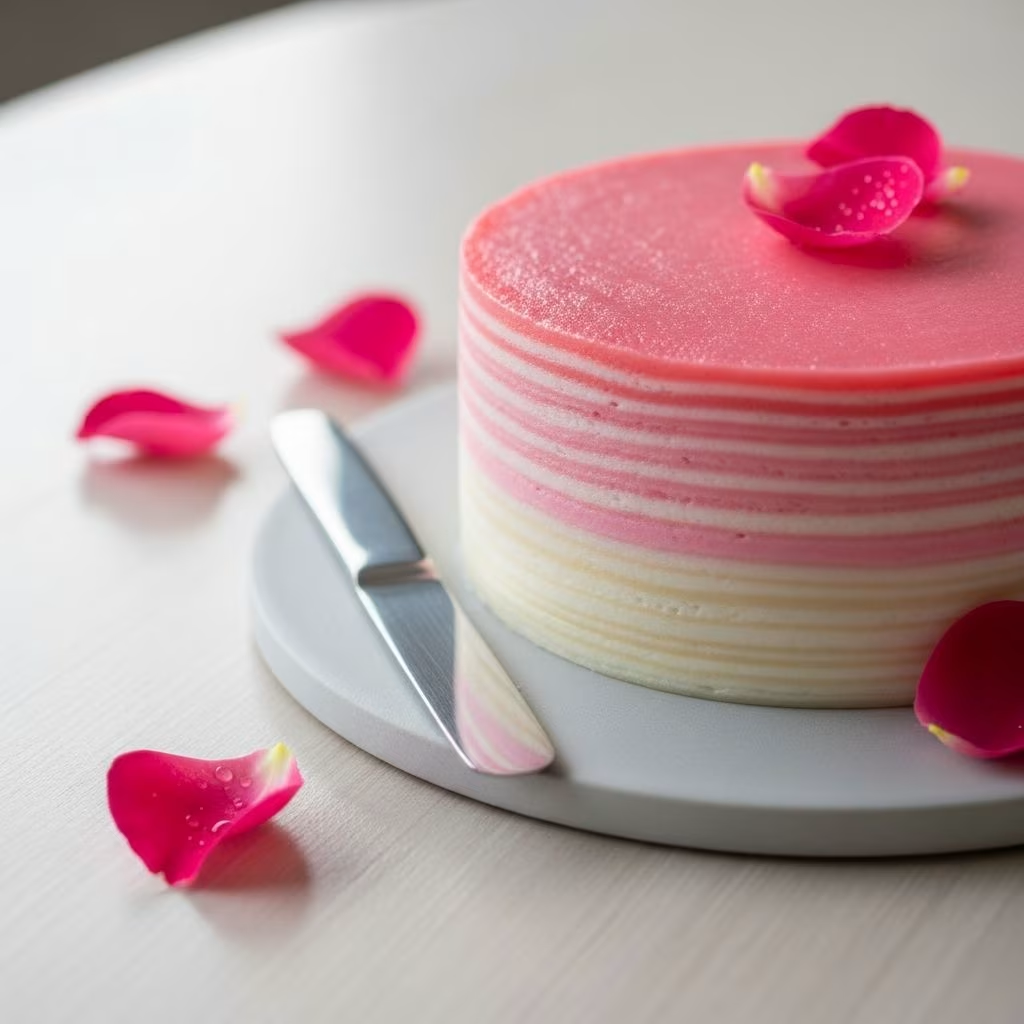
Kuih lapis stands as one of Malaysia’s most beloved traditional desserts, representing centuries of culinary heritage passed down through generations. This exquisite cake showcases the region’s mastery of steaming techniques and delicate flavor balance. The name itself translates to ‘layered cake’ in Malay, perfectly describing the distinctive construction method that makes this treat instantly recognizable. What sets kuih lapis apart from conventional cakes is its mesmerizing visual appeal—alternating bands of rose-tinted and pure white layers create a stunning striped pattern that draws admirers before they ever taste it. The soft, slightly chewy texture combined with aromatic coconut and pandan flavors creates a uniquely satisfying eating experience that has made this dessert popular not only in Malaysia but also throughout Singapore, Indonesia, and beyond.
Understanding the Fundamental Characteristics
The appeal of kuih lapis extends far beyond its attractive appearance. This dessert represents a perfect balance of simplicity and sophistication—the ingredient list remains remarkably straightforward, yet the preparation process demands patience, precision, and skill. The cake’s primary structure relies on rice flour and tapioca flour combined with coconut milk, creating a batter that steams into tender, slightly gelatinous layers. Unlike typical cakes that rise through leavening agents, kuih lapis develops its distinctive texture through the careful layering and steaming process, where each addition must set properly before the next layer receives its turn in the steam.
The natural vegan and gluten-free characteristics of this dessert have contributed to its enduring popularity across diverse dietary preferences. The cake’s subtle sweetness comes from palm sugar or white sugar combined with the natural richness of coconut milk, while pandan leaves infuse the entire creation with their distinctive floral, slightly vanilla-like aroma. The rose coloring adds visual drama while hinting at delicate flavor undertones that distinguish homemade versions from mass-produced alternatives.
Essential Components for Assembly
Creating an authentic kuih lapis requires gathering specific ingredients that work harmoniously to achieve the desired texture and taste profile.
- Tapioca flour (1.5 cups / 350g): Provides the characteristic chewy, slightly elastic texture that distinguishes kuih lapis from regular cakes
- Rice flour (2/3 cup / 100g): Contributes tenderness and helps create the smooth, layerable consistency
- Water (2 cups / 500ml): Adjusts batter consistency to achieve proper pouring viscosity
- Sugar (1 cup / 200g): Balances the inherent flavors and provides subtle sweetness
- Thick coconut milk (2 cups / 500ml) with salt pinch: Delivers the signature creamy richness and fragrant coconut essence
- Pandan leaves (4 pieces): Infuse the entire cake with aromatic, floral notes characteristic of Southeast Asian desserts
- Rose pink coloring: Creates the striking visual contrast between layers while suggesting delicate flavor complexity
Preparation Methodology and Batter Development
The success of kuih lapis begins long before the steaming phase commences. Proper batter preparation ensures smooth layers that steam evenly and release cleanly from the pan. Begin by combining your dry ingredients—the rice flour and tapioca flour—in a large mixing bowl, whisking them together to eliminate any lumps that might compromise the final texture. This preliminary step prevents graininess in the finished cake and ensures consistent layer quality throughout the entire dessert.
Next, prepare an aromatic syrup by gently heating your water with the pandan leaves over low flame. Allow this mixture to simmer briefly, permitting the pandan leaves to release their essential oils and flavor compounds into the liquid. Once adequately infused, carefully strain this fragrant liquid into your flour mixture, discarding the spent pandan leaves. The straining step cannot be overstated—it removes any particles that might interfere with the smooth, flowing consistency necessary for creating even layers.
Incorporate your thick coconut milk gradually into this mixture, stirring continuously to achieve a homogeneous batter free from lumps or dry pockets. At this stage, your batter should possess a consistency similar to thin pancake batter—fluid enough to pour smoothly but substantial enough to set properly during steaming. Divide this base mixture into equal portions in separate bowls, reserving one portion in its natural white state while adding your rose coloring to the others. Remember that the intensity of your final color depends on how much coloring you add; conservative addition allows you to deepen shades with additional colorant if desired. The key consideration involves ensuring each colored batter maintains identical consistency and viscosity for uniform layer cooking.
Steaming Technique: The Critical Process
The steaming methodology defines kuih lapis preparation, requiring attention to timing, temperature, and layering sequence. Begin by positioning a large steamer rack above a pot of water and bringing the water to a vigorous boil over high heat. This high-temperature environment proves essential for proper layer setting and texture development. Lightly grease your baking pan—preferably a 7 to 8-inch square or round cake pan—with neutral oil, then position it within the preheated steamer. Allow the pan to itself preheat for approximately two to three minutes; this ensures that your first batter layer sets immediately upon contact rather than pooling and spreading unevenly.
Select your starting color and give the corresponding batter a thorough stir before pouring approximately 100-125 milliliters into the heated pan. The exact volume depends on your desired layer thickness—using less batter creates thinner, more numerous layers while increased amounts produce thicker, fewer layers. Cover the steamer with its lid, leaving it slightly ajar to prevent condensation from dripping back into your cake. Steam this initial layer for approximately 3.5 to 4 minutes, watching carefully for the surface to appear set and slightly opaque.
Between each layer addition, perform the crucial step of stirring your next batter portion thoroughly. This prevents flour particles from settling at the bottom of your bowl, which would result in inconsistent layers with varying textures. Once the previous layer has adequately set, carefully add your next color layer using the same measurement and steaming time. Continue this alternating pattern, maintaining consistent timing and careful observation throughout the process. Most recipes generate between 8 to 10 layers depending on batter volume and chosen thickness.
For your final layer, consider intensifying the rose coloring by adding an extra drop or two of pigment, creating a more dramatic deepest shade that provides visual interest to your finished cake. After pouring this final layer, steam for an additional 4 to 6 minutes to ensure complete setting. Some recipes recommend reducing heat to medium and steaming for an additional 10 minutes after the final layer to ensure thorough cooking and proper texture throughout.
Cooling, Demolding, and Serving Approaches
Patience proves equally important during the cooling phase as during steaming. Allow your completed kuih lapis to cool entirely within its pan—this typically requires 30-45 minutes depending on ambient temperature and cake thickness. Cooling too quickly risks cracking, while incomplete cooling makes clean demolding difficult. Once completely cooled, carefully invert the pan to release your cake, using a thin spatula if needed to encourage separation.
Many traditional preparations include brushing a light coating of neutral oil across the cake’s surface, creating an attractive glossy finish that also helps prevent surface drying. For neat, clean slicing, lightly oil your knife blade before each cut; this prevents the sticky batter from adhering and tearing the delicate layers. Many families traditionally cut kuih lapis into diamond or rectangular shapes, though personal preference guides your approach. The finished cake maintains optimal flavor and texture at room temperature, though refrigeration extends its shelf life to several days.
Technical Considerations for Optimal Results
Several critical factors determine the difference between adequate kuih lapis and exceptional versions that earn family accolades and requests for repeat preparations.
- Batter consistency verification: Test your batter’s thickness by dropping a small spoonful from a height of one inch; it should flow slowly without running off the spoon completely
- Temperature stability: Maintain consistent high heat throughout steaming; temperature fluctuations result in uneven layer cooking and texture inconsistencies
- Condensation management: Wipe accumulated water droplets from the steamer lid after each layer to prevent diluting your new batter layer
- Thorough batter stirring: Always stir your batter before each pour, paying particular attention to the bowl bottom where ingredients naturally settle
- Layer timing precision: Begin timing immediately after covering the steamer; inconsistent timing produces layers with varying textures and opacity levels
Customization Options and Flavor Variations
While the classic rose-and-white kuih lapis remains iconic, experimentation encourages discovering personal preferences. Some creative variations incorporate additional coloring to produce three-color cakes featuring white, pink, and pale purple or green layers. Pandan flavoring can be adjusted by using more or fewer pandan leaves depending on desired intensity, while some recipes substitute pandan with other aromatic additions like jasmine extract or vanilla essence. Coconut milk thickness directly impacts flavor richness; those preferring lighter versions can dilute slightly with additional water, though this affects texture characteristics. The ratio of tapioca to rice flour also permits adjustment—increasing tapioca produces chewier results while boosting rice flour creates slightly firmer layers.
Troubleshooting Common Challenges
Despite careful attention, occasional issues arise during kuih lapis preparation. Layers that fail to set adequately typically result from insufficient steaming time or temperatures that dropped unexpectedly; ensure your steamer maintains vigorous boiling and extend cooking time by 1-2 minutes. Conversely, overly firm or rubbery layers suggest excessive steaming—reduce time by 30-second increments until achieving the desired tender-yet-set consistency. Lumpy or grainy texture indicates inadequate flour sifting or insufficient batter stirring; invest time in thorough mixing and straining for smooth results. Should your finished cake refuse to release from the pan, run a thin knife around the edges under hot water, loosening any stuck portions before attempting inversion again.
Storage and Longevity Information
Properly stored kuih lapis maintains excellent quality for three to four days at room temperature, protected by covering with plastic wrap or storing in an airtight container. Refrigeration extends this window to approximately one week, though cold temperatures firm the cake’s texture slightly. Freezing remains possible for up to two months if wrapped carefully in plastic followed by foil, though thawing should occur gradually at room temperature to prevent surface condensation. Many families find that kuih lapis actually improves slightly after one day, as flavors meld and the texture becomes more pronounced.
Frequently Asked Questions
Can I prepare kuih lapis without pandan leaves?
While pandan provides the traditional aromatic quality, alternatives include using jasmine tea steeped in water, vanilla extract, or even a combination of coconut and vanilla for different but equally pleasant results. The distinctive Southeast Asian character diminishes without pandan, but the cake remains delicious.
What causes layers to separate or split during steaming?
Separation typically results from temperature inconsistencies, abrupt lid movements that allow steam escape, or condensation dripping into the cake. Maintain steady heat, minimize lid disturbance, and wipe condensation carefully between layers to prevent this issue.
Is kuih lapis naturally suitable for vegan or gluten-free diets?
Yes, kuih lapis qualifies as naturally vegan when prepared with plant-based ingredients and contains no gluten when using tapioca and rice flour exclusively. These characteristics make it accessible to individuals with various dietary requirements.
How many servings does a standard kuih lapis yield?
An 8-inch cake typically produces 12-16 servings depending on portion size and cutting style. Diamond cuts generally yield more pieces than rectangular slices.
Can I use liquid food coloring instead of gel coloring?
Yes, though gel coloring produces more vivid hues with less batter dilution. If using liquid coloring, add gradually and reduce water content proportionally to maintain proper batter consistency.
References
- Kuih Lapis (Steamed Layer Cake) — Anncoo Journal. https://www.anncoojournal.com/kuih-lapis-steamed-layer-cake/
- Kuih Lapis: Malaysian Steamed Layer Cake — Honest Cooking. https://honestcooking.com/steamed-layer-cake-snack-recipe/
- Kuih Lapis (Steamed Layer Cake) — Divinely Delish. https://divinelydelish.com/2021/12/19/kuih-lapis-steamed-layer-cake/
- How to Make Kuih Lapis (Steamed Layer Cake) — The Kampung Vegan. YouTube. https://www.youtube.com/watch?v=JO5KoWgQODk
- Malaysia Kuih Lapis Recipe — Michael Lim. YouTube. https://www.youtube.com/watch?v=jmBlCzT_ooE