Eastern European cuisine has long celebrated dishes that transform basic ingredients into memorable meals, and kotlety exemplify this culinary philosophy perfectly. These savory ground meat patties represent a cornerstone of traditional cooking across Russia, Ukraine, and surrounding regions, appearing on dinner tables for generations. The beauty of kotlety lies in their versatility and accessibility—requiring humble pantry staples yet delivering restaurant-quality results when prepared with attention to technique and ingredient quality.
Understanding Kotlety: The Foundation of Eastern European Comfort Food
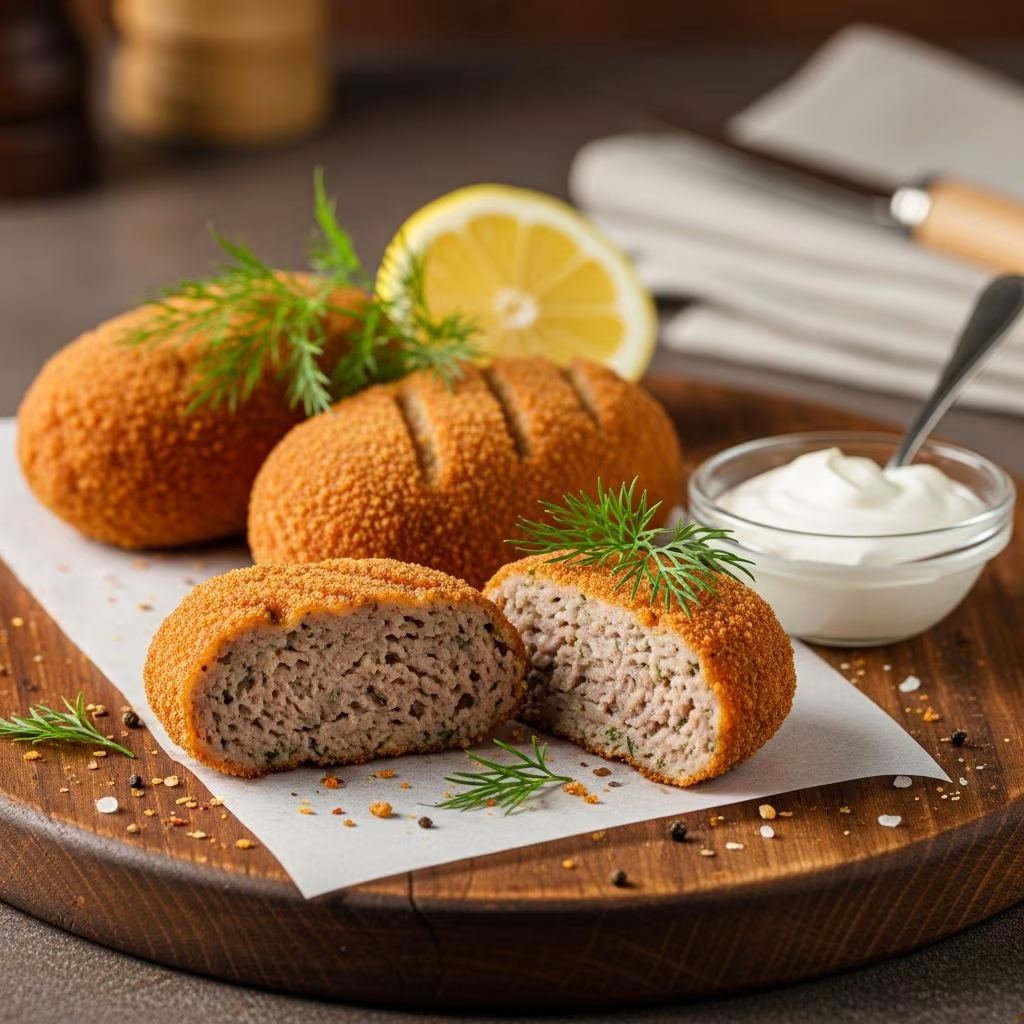
Kotlety, often referred to as meat patties or cutlets in English-speaking contexts, are seasoned ground meat formations that are breaded and pan-fried until golden brown. Unlike hamburgers or other ground meat preparations, kotlety possess a distinct texture and flavor profile that distinguishes them within the broader category of meat-based dishes. The term itself carries historical significance throughout Eastern European culinary traditions, where these patties have served as both everyday fare and celebratory centerpieces.
The fundamental appeal of kotlety extends beyond taste—these patties offer practical advantages for home cooks. They cook relatively quickly, accommodate various meat selections, and pair seamlessly with numerous side dishes. Whether served alongside traditional accompaniments or incorporated into contemporary meals, kotlety demonstrate remarkable culinary flexibility.
Core Ingredients That Define Authentic Kotlety
Creating authentic kotlety begins with understanding the essential components that comprise this dish. The ingredient list remains intentionally straightforward, allowing the quality of individual elements to shine through rather than masking flavors with unnecessary additions.
The Meat Foundation
Ground meat forms the primary base of kotlety, and cooks have considerable latitude in their selection. Traditional preparations frequently employ beef, pork, or combinations of both meats. Many contemporary recipes incorporate ground turkey or chicken for lighter variations, while some ambitious preparations blend multiple meat types to achieve complex flavor dimensions. The choice between meat varieties significantly influences the final character of the dish—beef delivers robust earthiness, pork contributes subtle sweetness, while poultry options provide milder profiles. Many experienced cooks recommend combining at least two meat types to create depth that single-meat versions cannot achieve.
Binding Elements
Bread components serve a critical binding function in kotlety preparation. Stale bread, soaked in milk or water, creates a moisture-retaining structure that prevents the finished patties from becoming dense or dry. This technique distinguishes kotlety from other ground meat preparations that might rely solely on eggs for binding. The softened bread mixture integrates seamlessly with the meat, creating a tender interior texture that contrasts pleasantly with the crispy exterior coating.
Breadcrumbs constitute another essential binding element, applied as an exterior coating rather than mixed into the interior. Italian-style breadcrumbs, panko varieties, or homemade alternatives provide the characteristic golden crust that develops during cooking.
Flavor-Building Components
Onions contribute aromatic complexity and subtle sweetness to the meat mixture. Some recipes employ grated onion to ensure even distribution, while others prefer finely diced versions. Garlic, in minced or granulated forms, adds pungent undertones that enhance the overall flavor profile. Eggs serve multiple functions—they help bind ingredients while contributing subtle richness. Salt, black pepper, and optional seasonings like paprika round out the flavor composition, with each addition building toward a well-rounded taste experience.
Step-by-Step Preparation Process
Mixing the Meat Mixture
Begin by combining all interior ingredients—ground meat, soaked bread, finely diced or grated onion, minced garlic, eggs, salt, pepper, and any additional seasonings—in a large mixing bowl. Mix thoroughly using your hands, which provides superior integration compared to utensils and allows you to feel when all components have combined evenly. Some cooks recommend allowing this mixture to rest in the refrigerator for thirty minutes or longer, permitting flavors to meld and the mixture to firm slightly, making subsequent patty formation easier.
Forming Uniform Patties
Shape the meat mixture into uniform portions—approximately three to four inches in diameter and three-quarters to one and one-quarter inches thick. Consistency in sizing ensures even cooking throughout your batch. Some cooks prefer rolling the mixture into balls initially, then flattening these spheres into patty shapes. Others shape the mixture directly into the desired flat form. Either approach yields satisfactory results; choose the method that feels most comfortable for your hand technique.
Applying the Exterior Coating
Place breadcrumbs in a shallow bowl or on a flat plate. Working with one patty at a time, roll the meat formation in breadcrumbs, ensuring complete coverage on both sides and edges. This coating adheres directly to the raw meat mixture without requiring an egg wash intermediate step, though some cooks prefer adding this additional layer for extra crispness.
Cooking Techniques and Temperature Management
Pan-Frying Method
Heat vegetable or olive oil in a large skillet over medium to medium-high heat. The oil should shimmer and demonstrate heat readiness without smoking. Working in batches to avoid overcrowding, carefully place prepared patties into the hot oil. The initial sear should last three to five minutes per side, developing a golden-brown crust. During this phase, avoid excessive movement—allow the bottom to develop properly before flipping.
After achieving the desired golden exterior on both sides, reduce heat to low and continue cooking uncovered. This gentle, prolonged cooking allows the interior to cook through completely while preventing the exterior from burning. The total cooking time typically ranges from twenty to thirty-five minutes depending on patty thickness and your specific cooking equipment.
Alternative Cooking Methods
While pan-frying represents the traditional approach, kotlety accommodate other cooking techniques. Some cooks employ cast iron skillets, which distribute heat evenly though require closer temperature monitoring to prevent burning. Others utilize griddles for batch cooking larger quantities. More contemporary preparations might employ oven-finishing methods, searing patties briefly on stovetop before transferring to a preheated four-hundred-degree oven to complete cooking.
Complementary Side Dishes and Serving Suggestions
Kotlety’s versatility shines through the extensive range of accompaniments that pair beautifully with these meat patties. Traditional Eastern European presentations frequently feature mashed potatoes, creating a hearty, comforting meal with soft textures balancing the patties’ crispy exterior. Kasha—a buckwheat groat preparation—provides an authentic grain-based pairing that adds nutritional depth.
Contemporary serving approaches embrace greater diversity. Pasta varieties, particularly egg noodles, create satisfying combinations. Fresh vegetables including salads with vinaigrette dressings provide lighter counterbalance to the meat’s richness. Some preparations incorporate kotlety into sandwiches with fresh bread, tomato, lettuce, and basil, creating portable meal options.
Sauce accompaniments elevate kotlety presentations significantly. Creamy mushroom sauces add luxurious complexity, while simple tomato-based sauces provide bright acidity. Sour cream represents another traditional complement, offering cool contrast and subtle tang that enhances the meat’s savory qualities.
Storage, Freezing, and Reheating Guidance
Prepared kotlety maintain quality in the refrigerator for three to four days when stored in airtight containers. The uncooked meat mixture freezes successfully when portioned into patty forms and separated by parchment paper, maintaining quality for several months. When ready to cook, thaw frozen patties in the refrigerator overnight before proceeding with standard cooking instructions.
Cooked kotlety present freezing challenges, as they tend toward mushy textures upon thawing and reheating. For best results, consume fresh kotlety within their initial serving rather than relying on frozen storage after cooking. If reheating becomes necessary, place cooked patties in a skillet over medium heat, turning occasionally until warmed through, though texture degradation will likely occur.
Ingredient Variations and Creative Adaptations
Meat Selection Alternatives
While traditional kotlety employ beef and pork, experienced cooks have successfully adapted these patties to various dietary preferences. Ground turkey and chicken produce lighter versions with reduced fat content, appealing to health-conscious diners. Some recipes recommend combining poultry with pork to achieve adequate flavor complexity that poultry alone might not deliver. Vegetarian interpretations, though non-traditional, substitute mushroom or legume-based preparations for ground meat, maintaining the cooking technique while respecting dietary restrictions.
Bread Component Variations
Different bread types influence the final texture and flavor of kotlety. White bread soaked in milk creates the most traditional result, while whole wheat varieties add nuttiness and increased fiber. Some cooks experiment with stale rolls, brioche, or other bread varieties based on availability or preference. The milk versus water choice in the soaking process also matters—milk creates slightly richer binding, while water produces more neutral results.
Seasoning Flexibility
Beyond salt and pepper, various seasonings enhance kotlety character. Paprika adds gentle warmth and subtle color, while garlic provides assertive aromatic notes. Some regional preparations incorporate dill, marjoram, or caraway seeds, reflecting local flavor preferences. Vegetable-based seasonings like Vegeta or Mrs. Dash offer convenient flavor-building alternatives.
Frequently Asked Questions About Kotlety Preparation
- What thickness works best for kotlety patties?
- Three-quarters to one and one-quarter inches provides optimal results, allowing thorough interior cooking without excessive exterior browning.
- Can I prepare kotlety mixture ahead of time?
- Yes—mixing the components several hours or even one day in advance allows flavors to develop. Store the mixture in an airtight refrigerator container until ready to shape and cook.
- Why does my kotlety fall apart during cooking?
- Inadequate binding elements, insufficient mixing, or excessively thin patties cause disintegration. Ensure proper bread soaking and thorough ingredient incorporation.
- Is oil quantity important for cooking kotlety?
- Sufficient oil to coat the skillet bottom prevents sticking while creating the characteristic golden crust. Approximately two to three tablespoons typically suffices for a standard pan.
- What indicates kotlety are fully cooked?
- Interior pink coloration should disappear completely, and a meat thermometer inserted into the thickest portion should read one hundred sixty degrees Fahrenheit for beef or pork, one hundred sixty-five degrees for poultry.
Nutritional Considerations and Health Perspectives
Kotlety provide substantial protein content from the ground meat base, supporting muscle development and tissue maintenance. The bread component contributes carbohydrates that provide energy, while the egg binding element adds additional protein and essential nutrients. The pan-frying cooking method does introduce dietary fat, though this contributes to satiety and flavor development.
Health-conscious adaptations include using extra-lean ground meat selections, reducing oil quantities, or employing alternative cooking methods like baking. Incorporating grated vegetables into the meat mixture increases fiber content and micronutrient density while maintaining the traditional kotlety structure.
Regional Variations Across Eastern Europe
While kotlety share fundamental characteristics across Eastern European regions, local traditions introduce distinct variations. Russian preparations often emphasize simplicity with minimal seasoning beyond salt and pepper, allowing the meat’s natural character to dominate. Ukrainian versions occasionally incorporate additional aromatics or regional spice preferences. Jewish culinary traditions sometimes add grated potato to the mixture, binding moisture while adding subtle earthiness.
These regional interpretations demonstrate how a basic formula adapts to local ingredient availability and cultural taste preferences, yet maintains the essential identity that defines kotlety across diverse Eastern European cuisines.
Conclusion: Mastering This Timeless Dish
Eastern European kotlety represent accessible excellence in home cooking—simple ingredients combined through proven techniques yield impressive results. Whether preparing these patties for weeknight family meals or special occasion entertaining, understanding fundamental principles ensures consistent success. The versatility of kotlety permits both traditional presentations and creative contemporary interpretations, making these meat patties suitable for virtually any dining context. By respecting ingredient quality, attending carefully to cooking temperatures, and building complementary accompaniments, home cooks can recreate the authentic kotlety experience that has sustained this culinary tradition across generations and geography.
References
- NetCost Market – Eastern European Kotlety Recipe — NetCost Market. Retrieved April 2026. https://www.netcostmarket.com/eastern-european-kotlety/
- Authentic Kotlety Recipe (European Meat Patties) — Valya’s Taste of Home. Retrieved April 2026. https://www.valyastasteofhome.com/turkey-and-pork-meat-patties-kotlety/
- Kotlety-Russian/Ukrainian Meat Patties — Whole Made Living. Retrieved April 2026. https://wholemadeliving.com/kotlety-russian-meat-patties/
- Kotlety (Russian Beef Patties) — Jewish Food Society. Retrieved April 2026. https://www.jewishfoodsociety.org/recipes/kotlety-russian-beef-patties
- Meat Patties Kotlety with Wild Mushroom Sauce — Vikalinka. Retrieved April 2026. https://vikalinka.com/meat-patties-kotlety-with-wild-mushroom-sauce/