Korean cuisine has become increasingly popular in home kitchens, and for good reason. The combination of savory, sweet, and umami flavors creates memorable meals that transport your palate to Seoul without leaving your kitchen. One of the most accessible ways to experience these flavors is through ground beef bowls, a simplified interpretation of traditional bulgogi that delivers authentic taste in a fraction of the time.
Understanding the Foundation of This Dish
Ground beef bowls represent a modern adaptation of Korean cooking traditions. Rather than marinating thin-sliced beef over extended periods, this approach uses ground beef that cooks quickly and absorbs the signature sauce throughout the cooking process. The beauty of this method lies in its efficiency without sacrificing the complex flavors that make Korean cuisine distinctive.
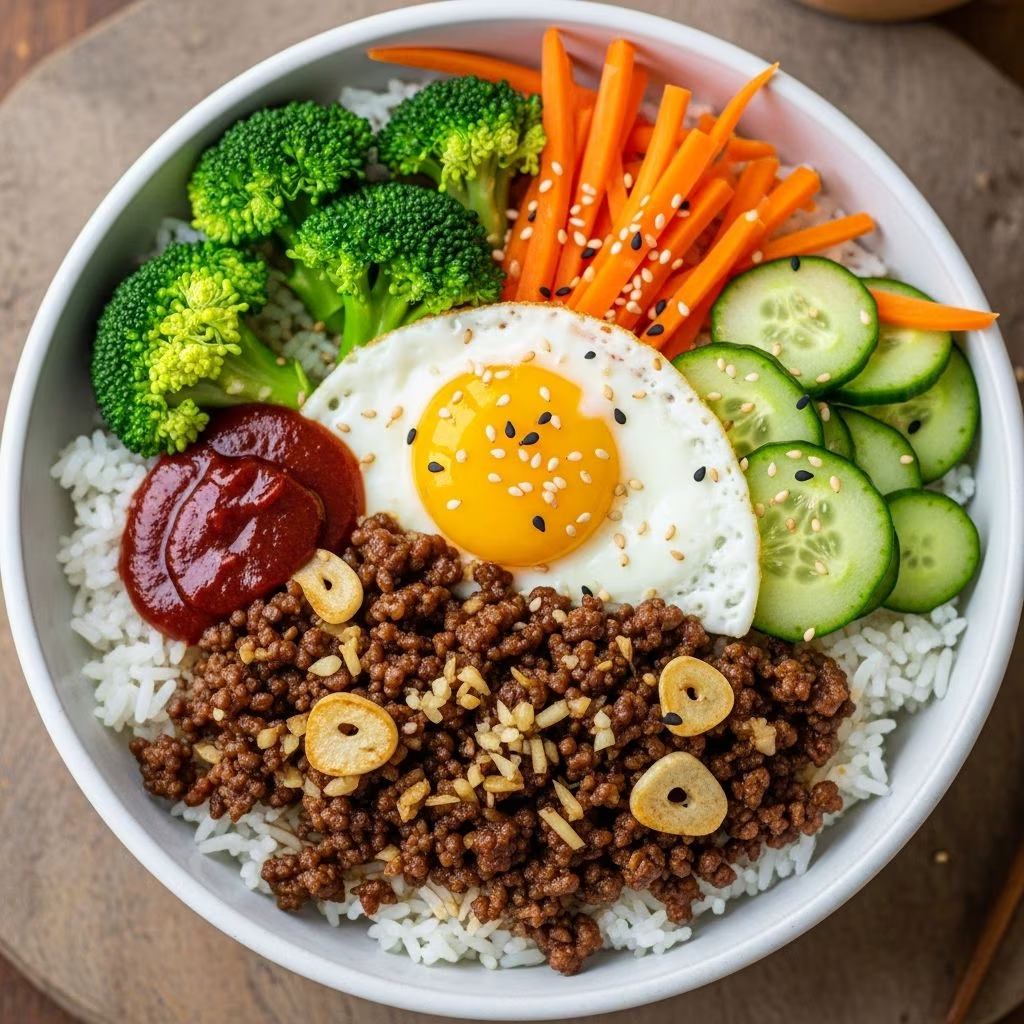
This meal structure consists of three essential components: a rice base, seasoned ground beef with a reduction sauce, and fresh toppings that add texture and brightness. The combination creates a complete, satisfying dinner that appeals to families and individuals seeking quick weeknight solutions.
Ingredient Selection and Preparation
The Protein Foundation
Ground beef forms the main protein component, typically requiring one to two pounds depending on serving size. Selecting beef with appropriate fat content—around 85-90% lean—ensures the meat develops adequate flavor during cooking while remaining manageable to drain if needed. Breaking the meat into small crumbles as it cooks accelerates the browning process and creates more surface area for sauce absorption.
The Aromatic Base
Garlic and ginger serve as the aromatic foundation that distinguishes Korean-style preparations from other ground beef applications. Fresh ginger root, finely grated, contributes warmth and subtle spice, while minced garlic cloves provide pungency that mellows during cooking. These aromatics typically cook for approximately one minute after being added to the pan, allowing their flavors to infuse the cooking fat without burning.
Rice Considerations
While white rice remains the traditional choice, preparation flexibility accommodates various dietary preferences. Cooked rice, whether prepared fresh or using leftover portions, requires approximately two to four cups per four servings. For lower-carbohydrate alternatives, cauliflower rice provides texture and structure while maintaining the dish’s essence. Brown rice, jasmine rice, or other varieties can be substituted based on personal preference.
Crafting the Signature Sauce
Essential Components
The sauce represents the flavor cornerstone of this dish, combining several key ingredients in precise proportions. Soy sauce, typically reduced-sodium varieties to control saltiness, forms the umami base. Brown sugar or honey introduces sweetness that balances the sauce’s savory elements. Sesame oil contributes nutty aromatics, while rice vinegar adds acidity that brightens the overall profile. Red pepper flakes or gochujang sauce provide heat levels adjustable to personal preference.
Preparation Method
Combining sauce ingredients in a separate bowl before adding them to the beef allows proper distribution and prevents flavor concentration in specific areas. The mixture is whisked together, creating a uniform blend that coats the meat evenly. Some preparations benefit from grating fresh ginger and garlic directly into the sauce using a microplane, though pre-minced versions offer convenient alternatives for busy schedules.
Cooking and Reduction
Once poured over the browned beef, the sauce simmers for two to three minutes, during which it thickens and reduces, intensifying flavors while the beef absorbs the liquid. Constant stirring ensures even coating and prevents sticking. The beef achieves its characteristic caramelized appearance as the sauce reduces, creating textural contrast between the meat’s surface and its tender interior.
Vegetable Components and Toppings
Fresh Vegetable Options
The beauty of bowl compositions lies in their flexibility. Green onions, sliced with white and green portions separated for varying cooking times, add mild onion flavor and visual appeal. Carrots contribute natural sweetness and crunch, either grated or julienned. Wilted spinach introduces earthiness and nutritional density, cooking briefly in residual pan heat. Lettuce leaves provide crisp texture when placed alongside the beef mixture.
Quick-Pickled Vegetables
Pickling vegetables enhances their flavor profile and extends shelf life for meal preparation. Radishes sliced thinly and cucumbers, whether pickling or English varieties, can be quick-pickled by soaking in a vinegar mixture for at least thirty minutes. The pickling solution typically combines vinegar, sugar, salt, and water in proportions that create balanced acidity and sweetness. This component adds complexity and refreshing counterbalance to the rich beef.
Garnish Elements
Sesame seeds, whether black or white, provide visual contrast and nutty flavor depth. These can be toasted beforehand to enhance their aromatics. Fresh herbs like cilantro or additional sliced green onions scatter across the top, contributing freshness. A fried egg positioned atop the beef mixture creates richness and becomes part of the eating experience as its yolk mixes with the beef and sauce.
Step-by-Step Preparation Process
Initial Organization
Success in weeknight cooking relies on mise en place—organizing all ingredients before cooking begins. If cooked rice isn’t already prepared, start it early so it finishes simultaneously with the beef preparation. This coordination ensures all components reach the table at optimal temperature. Mincing garlic, grating ginger, slicing green onions, and measuring sauce ingredients streamlines the actual cooking phase.
Browning the Beef
In a large skillet heated over medium to medium-high heat, ground beef cooks until it loses its pink appearance, typically requiring five to six minutes. Continuous breaking of the meat with a wooden spoon creates small crumbles that brown evenly. If excessive fat accumulates, carefully drain it before proceeding to the sauce stage.
Layering Aromatics
Once beef reaches completion, garlic and ginger join the pan, cooking for approximately one minute while their flavors disperse throughout the meat. This brief cooking prevents the aromatics from burning while allowing their essential oils to activate and infuse the dish.
Sauce Integration and Final Cooking
The prepared sauce pours over the aromatic-beef mixture, transforming the pan’s contents into a cohesive blend. Vigorous stirring ensures every piece of meat contacts the sauce. As the mixture simmers, it gradually thickens, with the beef absorbing liquid while its outer surface caramelizes slightly. This phase typically lasts two to three minutes, concluding when the sauce reaches desired consistency and the beef exhibits rich browning.
Bowl Assembly and Serving
Layering Components
Assembly begins with distributing cooked rice or cauliflower rice across individual bowls or plates. The prepared beef mixture, still warm and coated in its reduced sauce, becomes the primary topping. Fresh and pickled vegetables arrange artfully around or alongside the beef, creating visual distinction and varied eating experiences with each bite. Toppings like sesame seeds, green onion slices, and herb garnishes complete the presentation.
Temperature Management
Serving immediately after preparation ensures the beef retains its warmth while rice remains fluffy and hot. If preparing components in advance for meal preparation, reheat the beef mixture gently over low heat before assembling, adding a splash of water if the sauce has thickened excessively during storage.
Customization and Variations
Heat Level Adjustments
The spice profile can be easily modified by adjusting red pepper flakes, gochujang sauce, or chili garlic sauce quantities. Those preferring milder flavors reduce these components or omit them entirely, while spice enthusiasts increase amounts to their tolerance. Adding heat at the table allows individual diners to customize their portions.
Protein Alternatives
While ground beef remains traditional, ground turkey, chicken, or pork adapt successfully to this preparation method, requiring similar cooking times and accepting the sauce identically. Vegetarian versions substitute mushroom-based proteins that develop umami comparable to beef.
Grain Substitutions
Brown rice, jasmine rice, sticky rice, or barley provide alternatives to white rice bases. Cauliflower rice, broccoli rice, or other low-carbohydrate options suit various dietary preferences while maintaining the dish’s structural integrity.
Nutritional Considerations
Ground beef bowls deliver balanced macronutrients with protein from the meat, carbohydrates from rice or vegetables, and healthy fats from sesame oil and beef. Using lean beef varieties (90% lean or higher) reduces saturated fat content while maintaining flavor and texture. Incorporating abundant vegetables increases fiber content and micronutrient density. For sodium-conscious individuals, reducing-sodium soy sauce decreases overall salt content without significantly compromising flavor.
Meal Preparation and Storage
Make-Ahead Strategies
The beef mixture stores well in sealed containers for up to four days, making it ideal for weekday lunch preparation. Quick-pickled vegetables remain fresh for similar durations when stored with their pickling liquid. Rice can be cooked in advance and reheated gently with a splash of water. Assembling components just before eating maximizes textural contrast and prevents sogginess.
Freezing Considerations
The cooked beef mixture freezes successfully for up to three months in airtight containers, though vegetables and pickles are best kept separate and added fresh after reheating. Thawing overnight in the refrigerator followed by gentle stovetop reheating restores the mixture’s quality.
Frequently Asked Questions
How long does this meal take to prepare?
Total preparation and cooking time typically ranges from twenty to thirty minutes, including rice if starting from scratch. Pre-cooked rice reduces this to approximately fifteen minutes of active cooking.
Can I use ground beef with higher fat content?
Ground beef with higher fat percentages (80% lean) works, though you’ll need to drain more excess fat during browning. The final result remains delicious, though slightly richer.
What sauce adjustments work for dietary restrictions?
Tamari or coconut aminos replace soy sauce for gluten-free diets. Maple syrup or coconut sugar substitute for brown sugar in various dietary approaches. The core flavors remain recognizable with these modifications.
Are the pickled vegetables essential?
While traditional and recommended for flavor balance, fresh vegetables provide adequate crunch and brightness if pickling seems too time-intensive. The dish remains satisfying and delicious either way.
How can I make this spicier?
Increase red pepper flakes, gochujang sauce, or chili garlic sauce in the sauce mixture. Adding sriracha or gochugaru (Korean red chili flakes) intensifies heat while contributing authentic flavor profiles.
Serving Suggestions and Pairings
These bowls pair well with traditional Korean banchan (side dishes) such as kimchi, which adds fermented pungency and probiotics. Steamed edamame, seaweed salad, or miso soup complement the meal’s Asian flavor profile. For beverage pairings, consider ginger ale, jasmine tea, or light Asian beers that don’t overpower the delicate balance of sweet, savory, and spicy elements.
Conclusion
Korean ground beef bowls represent accessible entry points into Asian cuisine preparation, combining authentic flavors with modern convenience. Their flexibility accommodates various dietary preferences, cooking skill levels, and ingredient availability, making them reliable solutions for weeknight dinners or meal preparation strategies. With minimal equipment requirements and straightforward techniques, anyone can create restaurant-quality results at home in under thirty minutes.
References
- Korean Ground Beef Bowls — Not Enough Cinnamon. Accessed 2026. https://www.notenoughcinnamon.com/korean-ground-beef-bowls/
- Korean Beef Bowls — Modern Honey. Accessed 2026. https://www.modernhoney.com/korean-beef-bowls/
- Korean Ground Beef Bowls — Fox and Briar. Accessed 2026. https://www.foxandbriar.com/korean-ground-beef-bowls/
- Korean Ground Beef and Rice Bowls — The Recipe Critic. Accessed 2026. https://therecipecritic.com/korean-ground-beef-rice-bowls/
- Korean Beef Bowl — Damn Delicious. Accessed 2026. https://damndelicious.net/2013/07/07/korean-beef-bowl/
- Korean Beef Bowl {Fast and Healthy} — Well Plated. Accessed 2026. https://www.wellplated.com/korean-beef-bowl/
- Korean Beef Bulgogi Rice Bowls – The easy way! — RecipeTin Eats. Accessed 2026. https://www.recipetineats.com/korean-beef-bulgogi-rice-bowls-the-easy-way/