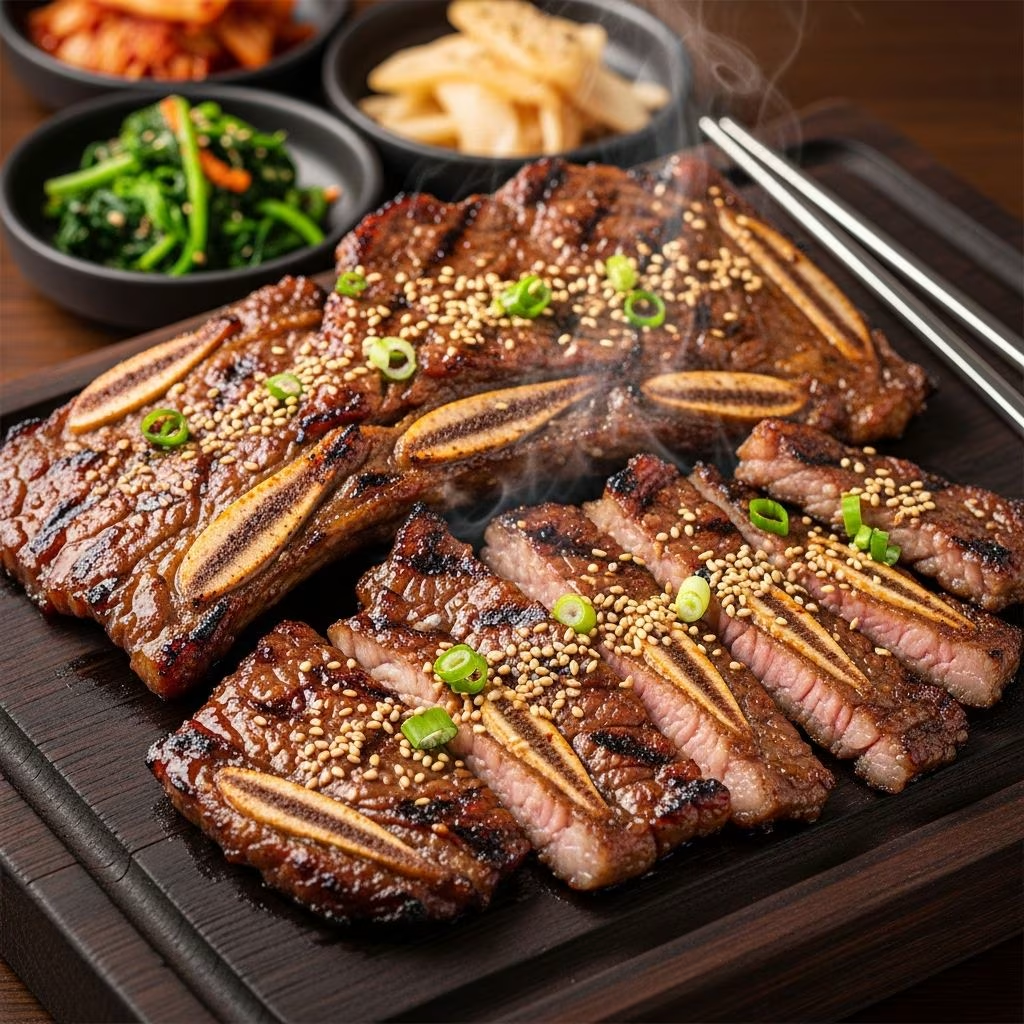
Korean BBQ short ribs, known as galbi or kalbi, represent a cornerstone of Korean cuisine, celebrated for their tender texture and bold, sweet-savory flavors. These ribs, typically cut thin across the bone in flanken style, absorb marinades deeply, resulting in juicy meat with a caramelized exterior when grilled or broiled. This guide explores everything from meat selection to advanced cooking techniques, drawing on traditional methods to help home cooks achieve restaurant-quality results.
Understanding the Essential Cut: Flanken-Style Short Ribs
The hallmark of authentic Korean BBQ short ribs is the flanken cut, where beef short ribs are sliced thinly across the bone, usually about 1/3 to 1/2 inch thick. This style maximizes surface area for marinade penetration and quick cooking, distinguishing it from thicker English cuts used in Western barbecue. Opt for high-quality, well-marbled beef from the chuck or plate primal for optimal tenderness and flavor.
- Why flanken? Thin slices cook rapidly on high heat, developing a crisp char while staying succulent inside.
- Sourcing tips: Look for fresh, bright red meat with even fat distribution at Asian markets or specialty butchers; frozen is acceptable if vacuum-sealed.
- Quantity guide: Plan for 1/2 to 1 pound per person, accounting for bone weight.
Proper meat preparation begins with trimming excess silver skin or hard fat, but leave some marbling intact to enhance juiciness during cooking.
Crafting the Perfect Marinade: Sweet, Savory, and Enzymatic Magic
The marinade is the soul of Korean short ribs, blending umami from soy sauce, sweetness from fruits or sugars, and aromatics for depth. Traditional recipes rely on Asian pear (nashi) for natural tenderizing enzymes, alongside ginger, garlic, and sesame oil. Variations exist, but core elements ensure balanced flavor profiles.
| Ingredient | Role | Typical Amount (for 3-4 lbs ribs) |
|---|---|---|
| Asian pear, grated | Tenderizer and natural sweetener | 1 medium |
| Soy sauce (low-sodium preferred) | Umami base | 1/2 – 1 cup |
| Grated ginger & garlic | Aromatics | 1-2 inches ginger, 4-6 cloves garlic |
| Brown sugar or honey | Caramelization promoter | 1/4 – 1/3 cup |
| Sesame oil | Nutty depth | 1-2 tbsp |
| Rice wine or mirin | Acidity and subtle sweetness | 1/4 cup |
| Green onions | Freshness | 4-6 stalks, chopped |
To prepare, blend pear, onion, garlic, and ginger into a puree before whisking in liquids and sugars. This emulsion coats the ribs evenly. Marinate for 4-24 hours in the fridge; longer enhances tenderness but avoid exceeding 48 hours to prevent mushiness from fruit enzymes.
- Pro tip: Score the meat lightly on both sides for deeper absorption.
- Customizations: Add gochujang for heat, apple juice for extra sweetness, or black pepper for bite.
Grilling Mastery: Achieving the Ideal Char
High-heat grilling is the gold standard for Korean BBQ short ribs, mimicking tabletop grills in restaurants. Preheat your grill (gas, charcoal, or pellet like Traeger) to 450-500°F for direct heat. Pat ribs dry to promote searing, then grill 3-6 minutes per side until edges caramelize.
- Oil grates lightly to prevent sticking.
- Place ribs perpendicular to grates for even bone support.
- Flip once; baste with reserved marinade if desired (boil it first for safety).
- Rest 2-3 minutes post-grill to redistribute juices.
For charcoal enthusiasts, use kingsford briquettes with a two-zone setup: sear hot, then finish indirect if needed. Pellet grills excel here, offering precise temperature control for consistent browning.
Alternative Cooking Methods for Year-Round Enjoyment
Not every day is grill weather. Broiling mimics flames effectively: position oven rack 6 inches from broiler, cook on high for 6-7 minutes per side. For tender, fall-off-the-bone results, braise: sear ribs, then simmer in marinade at 300°F for 2-3 hours until collagen breaks down.
- Oven broil: Ideal for quick weeknights; watch closely to avoid burning.
- Braising: Perfect for batches; dredge in flour first for crust.
- Stovetop or slow cooker: Low simmer for 2-4 hours in covered pot.
Each method yields distinct textures: grilled for smoky snap, braised for melt-in-mouth softness.
Pairing Sides and Building the Perfect Plate
Korean BBQ shines with contrasting sides. Assemble bowls or platters with steamed jasmine rice as base, topped with ribs, pickled vegetables, and garnishes like sesame seeds and scallions.
- Cucumber salad (oi muchim): Thinly sliced cucumbers tossed with gochugaru, vinegar, sesame oil, and ginger.
- Kimchi and banchan: Fermented cabbage adds tang; include spinach namul or bean sprouts.
- Vegetables: Grilled zucchini, mushrooms, or broccolini with sesame glaze.
- Proteins boost: Fried eggs or tofu for variety.
Serve family-style with lettuce wraps: wrap rib meat (bone removed), ssamjang paste, and rice for interactive eating.
Nutrition and Dietary Adaptations
A 4-oz serving of marinated, grilled short ribs offers about 350 calories, 25g protein, and rich iron from beef, balanced by marinade veggies. Adapt for gluten-free using tamari; reduce sugar for low-carb; gochujang adds probiotics.
| Nutrient | Per Serving | % Daily Value |
|---|---|---|
| Calories | 350 | 18% |
| Protein | 25g | 50% |
| Total Fat | 22g | 28% |
| Sodium | 800mg | 35% |
Portion control and leaner cuts help manage sodium and fats.
Expert Tips for Common Pitfalls and Pro Results
Avoid over-marinating to prevent texture breakdown. Don’t skip drying ribs before cooking—wet meat steams instead of sears. Use a meat thermometer: aim for 135°F internal for medium-rare. Batch-freeze marinated ribs for convenience.
- Make-ahead: Marinate up to 2 days ahead; grill from fridge for smokier char.
- Scaling: Double marinade for larger crowds; reserve extra for dipping sauce.
- Storage: Refrigerate leftovers 3-4 days; reheat gently under broiler.
Frequently Asked Questions (FAQs)
Can I use regular pears instead of Asian pears?
Yes, but Asian pears are preferred for lower water content and higher enzymes; regular pears work in a pinch, blended finely.
How long to marinate Korean short ribs?
Minimum 4 hours, ideally 12-24 hours for best flavor and tenderness.
What’s the difference between galbi and kalbi?
They’re the same dish—galbi (ribs) in Korean, kalbi a common romanization; both refer to marinated short ribs.
Grill or broil—which is better?
Grilling imparts authentic smokiness; broiling is a solid indoor alternative with similar char.
Are bone-in or boneless better?
Bone-in adds flavor and authenticity; boneless cooks faster but may dry out.
Conclusion: Elevate Your BBQ Game
Mastering Korean BBQ short ribs opens doors to vibrant flavors and communal dining. Experiment with marinades and methods to suit your setup, always prioritizing quality meat and fresh ingredients for standout results every time.
References
- Korean Style BBQ Short Ribs — YouTube. 2020-01-01. https://www.youtube.com/watch?v=Umc7juwSCGA
- Korean BBQ Short Ribs — More Than You Can Chew. 2019-04-06. https://morethanyoucanchew.com/blog/2019/4/6/korean-bbq-short-ribs
- Oven Braised Korean Beef Short Ribs — Oh Sweet Basil. 2022-10-15. https://ohsweetbasil.com/korean-oven-braised-short-ribs-recipe/
- Korean BBQ Short Rib (Kalbi) Bowls — So Much Food Blog. 2021-05-20. https://somuchfoodblog.com/korean-bbq-short-rib-kalbi-bowls/
- Recipe Roundup: 6 Korean Flanken Style Short Rib Recipes — Alderspring Meathacker. 2023-07-12. https://www.alderspring.com/meathacker/recipe-roundup-6-korean-flanken-style-short-rib-recipes/