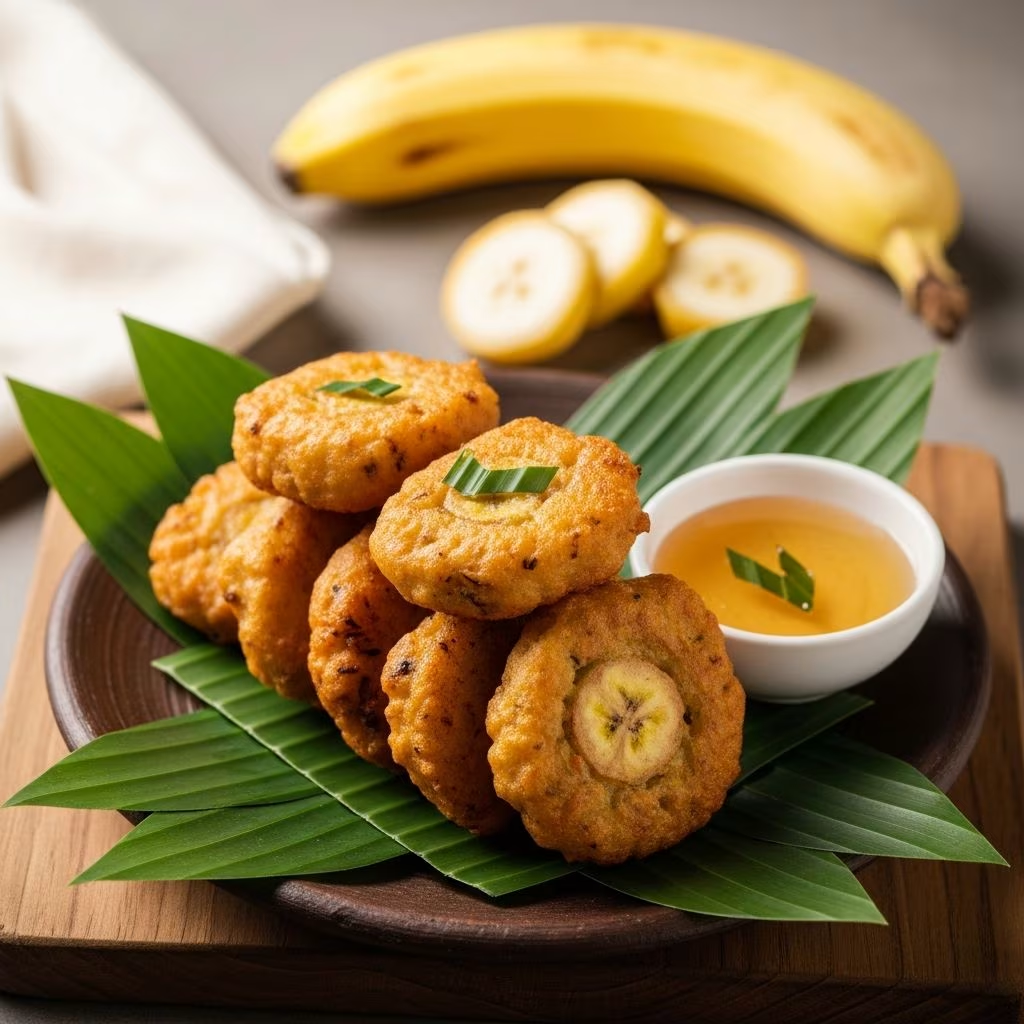
Kolar pitha represents one of the most beloved and straightforward desserts found throughout Bangladesh and the broader Bengali culinary tradition. These delightful fritters showcase the region’s talent for transforming simple ingredients into memorable treats. The name itself carries linguistic elegance—”kolar” refers to banana while “pitha” denotes fritter or cake in Bengali nomenclature. What makes this dessert particularly appealing is its accessibility; nearly anyone with basic kitchen equipment and pantry staples can create these golden, crispy delights at home.
Understanding the Roots of This Traditional Dessert
The history of kolar pitha is deeply woven into Bengali domestic cooking traditions, particularly in Bangladesh where the dish has remained a consistent favorite across generations. This dessert emerged from the practical necessity of utilizing overripe bananas—a fruit that grows abundantly in the region. Rather than allowing these bananas to spoil, resourceful cooks developed techniques to incorporate them into sweet preparations. Over time, these methods evolved into the refined recipe recognized today, one that balances textural contrast with subtle sweetness.
The preparation method reflects traditional Bengali cooking philosophy, emphasizing simplicity without sacrificing flavor complexity. Unlike many Western desserts that rely on eggs or chemical leavening agents, authentic kolar pitha maintains an eggless composition, making it naturally suitable for various dietary preferences. This characteristic has allowed the dish to transcend cultural and dietary boundaries, gaining appreciation among different communities.
Essential Ingredients for Authentic Preparation
Creating quality kolar pitha begins with understanding each ingredient’s role in the final product. The foundation starts with overripe bananas, which possess greater natural sweetness and softer texture compared to their yellow counterparts. The ripeness factor cannot be overstated—bananas with brown speckles or nearly black skins provide superior flavor development and easier mashing.
The flour component typically combines multiple types to achieve the ideal texture balance. Whole wheat flour contributes heartiness and nutritional value, while rice flour adds delicate crispness to the exterior. Some variations introduce cornflour or semolina, each contributing distinct textural qualities. Sweetening traditionally comes from gur or jaggery, which imparts a characteristic molasses-like depth and musky aroma that distinguishes these fritters from other banana preparations. For those without access to jaggery, maple syrup or coconut sugar provides adequate substitution while maintaining flavor integrity.
Additional components include shredded coconut for richness and aromatic enhancements. Many recipes incorporate spices such as cinnamon or nigella seeds (black cumin) to elevate the flavor profile. Salt acts as a crucial balancing element, enhancing natural sweetness rather than introducing saltiness.
Primary Ingredient Breakdown
- Overripe bananas (typically 2-4 large ones, depending on size)
- Whole wheat flour (approximately 250-300 grams)
- Rice flour (about 100 grams)
- Jaggery or sugar substitute (2-5 tablespoons)
- Shredded coconut (optional, 100 grams)
- Salt (quarter teaspoon)
- Vegetable oil for deep frying (100-150 milliliters)
- Spices including cinnamon and nigella seeds (optional)
Viable Ingredient Substitutions
Kitchen flexibility becomes important when certain ingredients prove unavailable. Whole wheat flour can be replaced with all-purpose flour, bajra flour, or ragi flour without substantially compromising results. Jaggery, while traditional, can give way to regular sugar, coconut sugar, or maple syrup. For vegan interpretations, coconut sugar replaces conventional sugar entirely. Semolina provides textural enhancement but remains optional; rice flour serves as an adequate alternative if semolina isn’t accessible.
For those avoiding coconut, the fritters perform adequately without shredded coconut, though the depth of flavor diminishes slightly. Spice additions remain entirely optional and can be adjusted according to personal preference. The beauty of this recipe lies in its adaptability—the foundational technique remains sound regardless of minor ingredient adjustments.
Step-by-Step Preparation Method
Beginning the kolar pitha preparation requires selecting appropriately ripened bananas. Overripe fruits work best; if your bananas appear insufficiently ripe, placing them in the freezer overnight accelerates the ripening process. Once obtained, peel and mash the bananas thoroughly using a fork, creating a smooth, slightly watery paste. This consistency proves crucial—lumpy banana mash results in uneven texture in the final product.
Pour the mashed bananas into a mixing bowl and gradually incorporate flour components, starting with rice flour and adding whole wheat flour in stages. Mixing with a fork rather than mechanical means creates a lighter, fluffier batter. Add salt, sweetener, and any chosen spices while combining everything thoroughly. If the mixture appears excessively slimy, additional whole wheat flour helps achieve proper consistency—the batter should hold shape when spooned but remain soft and workable.
For coconut-enhanced versions, incorporate shredded coconut during this mixing phase. Some recipes benefit from whisking with a hand mixer to incorporate air, resulting in lighter fritters. Allow the batter to rest briefly—approximately five to ten minutes—before frying, as this resting period allows flour to fully hydrate.
Frying Technique and Temperature Management
Successful frying depends entirely on proper oil temperature and consistent technique. Heat approximately 1.5 inches of vegetable oil in a heavy-bottomed pan or wok at medium heat. Rather than immediately frying, allow oil to reach proper temperature—the oil should shimmer and respond immediately when a small batter piece is introduced. Insufficient temperature results in oil-soaked fritters; excessive temperature creates burnt exteriors with uncooked interiors.
Using a spoon, small cookie scooper, or your fingers, drop dollops of batter into the heated oil. Avoid overcrowding the pan—maintain 5-6 fritters per batch depending on pan diameter. This spacing allows proper circulation and even browning. Initially, fritters sink slightly before rising to the surface. Once floating, allow them to cook for approximately 3-4 minutes until the bottom achieves golden-brown coloration, then carefully flip using a slotted spoon or perforated ladle.
Continue frying the second side until equally golden brown and crispy. Total frying time typically ranges from 6-8 minutes. Remove finished fritters using a perforated ladle to facilitate excess oil drainage directly over the pan before transferring to paper towels for final oil absorption.
Important Serving and Storage Considerations
Temperature at consumption differs from many desserts—kolar pitha are traditionally served at room temperature rather than hot. This practice exists because the jaggery or sugar component reaches extremely high temperatures during frying, requiring cooling to avoid mouth burns. Allowing 10-15 minutes before serving ensures safe consumption while maintaining satisfying texture.
Storage requires airtight containers maintained in cool, dry conditions. Properly stored fritters remain fresh for 3-4 days, though they’re best consumed within the first day when maximum crispness is retained. Moisture gradually penetrates stored fritters, softening the exterior over time. For extended preservation, freezing in airtight containers extends shelf life to 2-3 weeks; simply reheat in a low oven before serving to restore crispness.
Complementary Beverages and Pairings
The natural sweetness and rich texture of kolar pitha pairs exceptionally well with hot tea or coffee, a classic Bengali pairing that cuts through richness while enhancing subtle flavors. Many Bangladeshi households serve these fritters alongside shrikhand—a thick, creamy yogurt-based preparation flavored with cardamom and spices. This combination creates a balanced dessert course, with the cool creaminess of shrikhand complementing warm fritters beautifully.
Alternatively, a simple fruit compote or light custard-based sauce provides elegant accompaniment. Some prefer enjoying kolar pitha independently as a standalone snack, appreciating the interplay between crispy exterior and soft interior without additional components.
Frequently Asked Questions
What distinguishes kolar pitha from other banana fritters?
Kolar pitha specifically represents the Bengali/Bangladeshi interpretation, traditionally sweetened with jaggery that provides distinctive musky undertones absent from other banana fritter variations. The combination of multiple flours and traditional preparation methods creates characteristic texture and flavor distinct from similar dishes in other cuisines.
Can kolar pitha be prepared without deep frying?
While shallow frying produces acceptable results with increased oil absorption, authentic kolar pitha relies on deep frying to achieve the desired crispy exterior and tender interior. Oven-baking represents an alternative for those avoiding deep-fried preparations, though texture differs significantly from traditional versions.
How do I prevent excessive oil absorption?
Maintaining proper oil temperature proves paramount—oil that’s sufficiently hot prevents absorption of excessive quantities. Additionally, using a perforated ladle for immediate draining and finishing with paper towels removes surface oil effectively. Avoiding overcrowding during frying also prevents temperature drops that contribute to greasiness.
Are there nutritional considerations with this dessert?
Kolar pitha provides natural fruit sugars from bananas along with fiber from whole grain flours. However, as a deep-fried dessert, portions should remain moderate. The eggless composition makes this suitable for vegetarians and vegans when sugar substitutes replace conventional sugar and jaggery.
Variations Worth Exploring
While traditional kolar pitha maintains relatively consistent preparation, several regional variations exist. Some versions incorporate fennel seeds for subtle licorice notes, while others feature cardamom for warming spice character. Certain preparations include milk to adjust batter consistency, creating marginally lighter fritters. Some cooks add baking soda for additional crispness and slight lift in texture.
Contemporary interpretations experiment with alternative sweeteners—maple syrup offers complexity comparable to jaggery, while agave nectar provides milder sweetness. Creative additions might include mango or other tropical fruit purees blended into the batter, though such modifications stray from authentic preparation.
Troubleshooting Common Issues
Excessively oily fritters typically result from insufficient oil temperature or overcrowding during frying. Ensure oil reaches proper shimmer before introducing batter, and maintain adequate spacing between pieces. Lumpy or unevenly cooked fritters indicate incomplete banana mashing or inconsistent batter texture—thorough mashing and proper mixing resolve this. Dense, heavy fritters suggest excessive flour incorporation; add flour gradually and only as necessary for proper consistency. Burnt exteriors with uncooked centers indicate excessively high temperature; reduce heat and fry slightly longer at lower temperatures.
Conclusion
Kolar pitha represents far more than a simple fried banana preparation—it embodies Bengali culinary tradition, practical resourcefulness, and the transformation of basic ingredients into memorable experiences. The recipe’s flexibility accommodates various dietary preferences while its straightforward technique makes it accessible to home cooks of all skill levels. Whether enjoyed as an afternoon snack with tea or presented as dessert alongside yogurt-based accompaniments, these golden fritters continue captivating palates across generations and cultural boundaries.
References
- Kolar Bora (Bengali Banana Fritters) — Kitchen of Debjani. 2020. https://kitchenofdebjani.com/2020/03/kolar-bora-bengali-banana-fritters/
- Kolar Boda (Bengali Style Banana Fritters) — Playful Cooking. https://www.playfulcooking.com/kolar-boda-bengali-style-banana-fritters/
- Banana Donuts – Kolar Pitha — Vegan Bangla. 2020. https://veganbangla.com/2020/07/11/banana-donuts-kolar-pitha/
- Asma Khan’s Kolar Pitha with Shrikhand Recipe — Food Network UK. https://foodnetwork.co.uk/recipes/asma-khans-kolar-pitha-with-shrikhand
- Kolar Pita (Bangladeshi Banana Fritters) — Sohla El-Waylly. https://sohla.squarespace.com/recipe-search/kolar-pitha-1