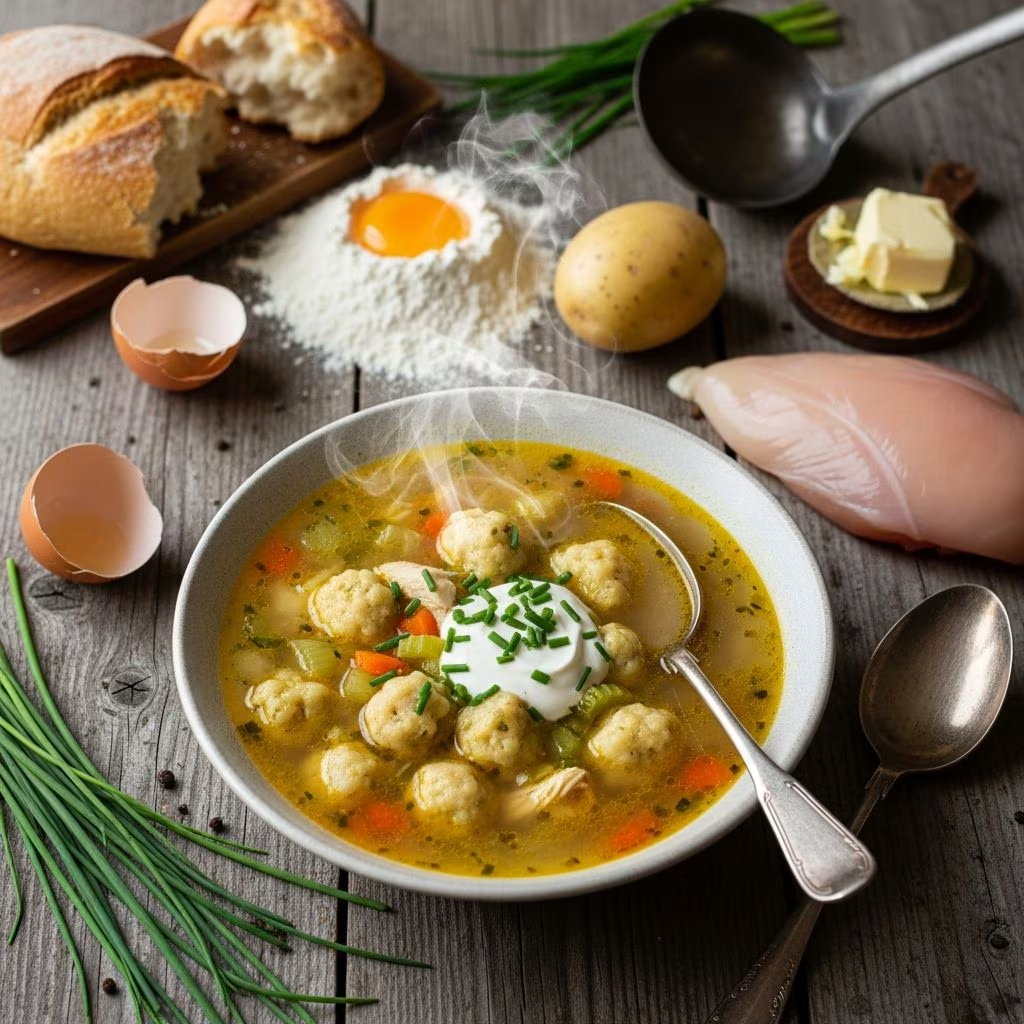
Knoephla soup represents a cherished tradition in American culinary heritage, particularly within communities with German and Northern European ancestry. This hearty, soul-warming dish combines simple ingredients to create a comforting meal that has been passed down through generations. The soup’s defining characteristic is its distinctive dumplings, which transform basic ingredients like flour, eggs, and milk into pillowy morsels that provide both texture and substance to the broth.
Understanding the Essence of Knoephla Soup
At its core, knoephla soup is a chicken-based creation that merges rustic simplicity with refined technique. The dish brings together tender chicken, earthy vegetables, and a creamy broth enriched with butter and dairy products. What distinguishes knoephla soup from other dumpling soups is the specific dumpling preparation method and the balance of flavors that emerge from allowing each component to contribute meaningfully to the final dish. The soup embodies the principle of making nourishing food from pantry staples, a philosophy that defined home cooking in agricultural communities across the upper Midwest and beyond.
Core Components and Their Roles
Understanding each element of knoephla soup helps cooks appreciate why this dish works so effectively. The foundation begins with quality chicken stock or broth, which serves as the liquid base and flavor foundation. Into this liquid go vegetables that provide sweetness, fiber, and nutritional value while their flavors meld with the broth through extended cooking.
The Vegetable Foundation
The traditional vegetable combination includes potatoes, carrots, and celery, though variations exist based on regional preferences and family traditions. Potatoes provide starch and substance, transforming the soup from a simple broth into something more substantial and satisfying. Their mild flavor allows other ingredients to shine while their texture contributes to the overall eating experience. Carrots bring natural sweetness and vibrant color, while celery adds depth and complexity to the flavor profile. Some cooks include onions and garlic to build an aromatic base, starting their cooking process by sautéing these aromatics in butter before introducing the remaining ingredients.
The Protein Element
Chicken serves as the primary protein, typically using chicken breast or a mixture of breasts and thighs depending on preference. Some preparations incorporate chicken that has been poached separately and shredded, while others add raw chicken pieces directly to the broth to cook through as the soup simmers. The choice between these methods affects both convenience and flavor development. Adding raw chicken to the pot simplifies the cooking process, while pre-cooking allows cooks to control the chicken’s texture more precisely and create additional flavor layers.
The Creamy Element
Cream or milk mixed with water creates the soup’s characteristic richness without overwhelming the palate. This dairy component is typically added toward the end of cooking, after the other ingredients have developed their flavors and textures. The amount of cream versus broth varies based on personal preference, with some cooks favoring a brothier consistency and others preferring a more robust, cream-forward preparation.
Crafting the Signature Dumplings
The knoephla dumplings distinguish this soup from countless other chicken and vegetable preparations. These dumplings emerge from a simple dough made with flour, eggs, milk, and baking powder, combined with seasonings that enhance their flavor. The beauty of this dumpling technique lies in its accessibility—home cooks need no special equipment beyond a bowl, utensil, and work surface.
Dumpling Dough Preparation
The first step involves combining dry ingredients: all-purpose flour, baking powder, and seasonings including salt and pepper. Fresh or dried herbs like parsley and dill add dimension to the dumplings, creating complexity that complements the creamy broth. Some traditional recipes incorporate nutmeg into the dumpling dough, providing a subtle spice note that warms the palate.
Wet ingredients—typically eggs and milk—are then incorporated into the flour mixture. The dough should come together gradually, achieving a consistency that is neither too sticky nor too dry. This balance proves crucial because a dough that is too wet will dissolve into the soup, while dough that is too dry will produce tough, dense dumplings. Home cooks should feel empowered to adjust liquid or flour quantities based on the dough’s behavior, adding small amounts of flour or milk as needed to achieve the ideal texture.
Kneading and Resting
Once combined, the dough benefits from brief kneading, which develops gluten strands and creates a smooth, cohesive mass. This process typically requires only a few minutes of gentle working on a floured surface. The dough can then rest while the soup components cook, or cooks can proceed directly to shaping. Resting allows the gluten to relax and the dough to absorb moisture, potentially improving the final dumpling texture.
Shaping and Cooking the Dumplings
Rather than forming individual dumplings by hand, traditional technique involves rolling the dough into thin logs approximately half an inch thick. These logs are then cut into small pieces using a knife or bench scraper. The bite-sized pieces drop directly into simmering soup, where they cook through in just a few minutes. The simmer temperature matters—a rolling boil can cause dumplings to break apart, while too gentle a simmer may leave them undercooked. The perfect simmer produces small bubbles that gently agitate the dumplings without violent movement.
Step-by-Step Cooking Method
Building Flavor Through Technique
Professional and home cooks alike recognize that starting with a properly constructed flavor base enhances the final dish. Many recipes begin by melting butter in a large pot and sautéing aromatic vegetables like onions, carrots, and celery for several minutes. This foundational cooking process softens the vegetables slightly while releasing their essential oils and sugars, intensifying their flavor contribution to the broth.
Incorporating Additional Elements
Once the aromatics have begun to soften, pressed or minced garlic joins the pot, cooking for just one minute to release its pungent oils without burning, which would create bitterness. Some cooks add flour at this stage, stirring it thoroughly to coat the vegetables and fat, creating a roux. This flour cook-off adds depth and body to the broth while reducing the raw flour taste.
Building the Broth
Chicken stock or broth is then added to the pot in stages. Some cooks add a portion of the stock to deglaze the pot, scraping up any flavorful brown bits from the bottom, then add the remaining stock. The liquid is brought to a boil before being reduced to a simmer. Potatoes and other vegetables are added at appropriate intervals based on their cooking times, ensuring all components finish cooking simultaneously. Fresh chicken pieces are added to cook through in the simmering broth, or pre-cooked chicken is stirred in toward the end.
Final Assembly
Once the vegetables have softened and the chicken is cooked through, the soup is adjusted for seasoning. Salt and pepper are added to taste, with many cooks finding that the final addition of cream or milk creates an opportunity to reassess seasoning, as dairy can mellow salt perception. The soup should reach a gentle simmer before dumplings are added.
Variations and Regional Interpretations
While the basic formula for knoephla soup remains consistent, regional and family variations abound. Some preparations emphasize the vegetable components more heavily, incorporating corn, peas, or green beans alongside the traditional vegetables. Others maintain a more minimal vegetable presence, allowing the dumplings and creamy broth to dominate. The dairy component also varies, with some cooks preferring heavy cream for richness, others using milk for a lighter version, and some creating a hybrid approach using cream and water in combination.
Seasoning variations reflect regional preferences and family traditions. While traditional recipes often feature subtle spicing, some contemporary interpretations incorporate fresh herbs like thyme or bay leaves during the simmering phase, removing them before serving. The amount of nutmeg varies considerably, from just a whisper in the broth to more pronounced nutmeg in the dumpling dough itself.
Make-Ahead and Storage Strategies
| Preparation Method | Storage Duration | Notes |
|---|---|---|
| Complete soup with dumplings | Refrigerate up to 2 days | Dumplings may soften over time; reheat gently |
| Broth and vegetables without dumplings | Refrigerate up to 3 days | Prepare dumplings fresh when serving for optimal texture |
| Dumpling dough only | Refrigerate up to 1 day | Bring to room temperature before cooking in soup |
| Frozen broth without dumplings | Freeze up to 3 months | Thaw overnight in refrigerator; cook fresh dumplings |
For cooks who want to prepare knoephla soup in advance, the most practical approach involves making the broth and vegetable base one or two days ahead, then preparing and cooking the dumplings just before serving. This strategy ensures the dumplings maintain their ideal texture—tender and slightly chewy rather than softened or mushy. The complete soup, once dumplings are added, develops the best flavor after a few hours of resting, as the flavors marry and intensify.
Troubleshooting Common Issues
Dumplings Dissolving or Breaking Apart
This problem typically stems from overly soft dough or aggressive boiling. Ensure the dough is stiff enough to hold its shape when dropped into the broth. The pot should maintain a gentle simmer rather than a rolling boil. If dumplings still fall apart, increase the flour slightly in the next batch, or reduce the cooking temperature slightly.
Dumplings That Are Dense or Heavy
Dense dumplings often result from overmixing the dough, which develops excessive gluten. Mix just until ingredients combine, stopping before the dough becomes tough. Additionally, ensure baking powder is fresh and hasn’t expired, as this leavening agent is crucial for creating tender dumplings.
Soup That Lacks Flavor Depth
If the finished soup tastes flat or one-dimensional, the foundational flavor base may need more development. Try starting with a slower sauté of aromatics to allow their flavors to deepen, or add chicken stock that is itself flavorful rather than store-bought versions that can be bland. Adding a small amount of cream toward the end can also reveal and enhance the existing flavors.
Soup That Is Too Thick or Too Thin
Thickness can be adjusted by adding more broth or cream depending on the desired consistency. If the soup is too thin and you want more body without adding liquid, simmer it uncovered for longer to reduce and concentrate flavors. If too thick, thin with chicken stock or even water.
Nutritional Considerations
Knoephla soup provides substantial nutrition through its combination of protein from chicken, carbohydrates from potatoes and dumplings, and vitamins and minerals from vegetables. The dairy component adds calcium and additional protein. A typical serving offers comfort alongside genuine nutritional value. Cooks seeking to modify the recipe’s nutritional profile can use lower-fat milk instead of heavy cream, reduce butter quantities, or incorporate additional vegetables to increase fiber and micronutrient content.
Serving Suggestions
Knoephla soup shines as a standalone meal, requiring only crusty bread to accompany it. A simple green salad provides textural contrast and additional vegetables. Some cooks serve it with buttered egg noodles on the side, allowing diners to add them to their bowl for additional substance. A sprinkle of fresh parsley over each serving adds color and fresh herbal notes. For beverages, this soup pairs well with crisp white wines, light beers, or simply cold water or iced tea.
Frequently Asked Questions
Can I use rotisserie chicken instead of cooking chicken from scratch?
Absolutely. Shredding rotisserie chicken saves time and works beautifully in knoephla soup. Add it during the final minutes of cooking, allowing it to warm through without additional cooking that might dry it out.
What if I don’t have buttermilk for the dough?
Standard milk works perfectly fine. The recipe doesn’t require buttermilk; regular milk combined with eggs creates the ideal dumpling texture.
How can I make this soup vegetarian?
Replace chicken stock with vegetable broth and omit the chicken. Increase the vegetables or add beans for additional protein and substance.
Can frozen vegetables work in knoephla soup?
Yes, though fresh vegetables create superior flavor and texture. If using frozen, add them toward the end of cooking to prevent mushiness.
What’s the best way to reheat knoephla soup?
Gentle reheating on the stovetop over medium-low heat preserves the soup’s texture and flavor better than microwave reheating, which can create hot spots and damage dumpling texture.
References
- Knoephla Soup — Molly Yeh. 2019. https://mynameisyeh.com/blog/2019/2/knoephla
- The Best Knoephla Soup — Sisters of the Spoon. https://sistersofthespoon.com/the-best-knoephla-soup/
- Knoephla Soup Recipe (Chicken and Dumpling Soup) — Sweet and Savory by Shinee. https://www.sweetandsavorybyshinee.com/knoephla-soup/
- Knoephla Soup Recipe — Ramshackle Pantry. https://ramshacklepantry.com/knoephla-soup-recipe/