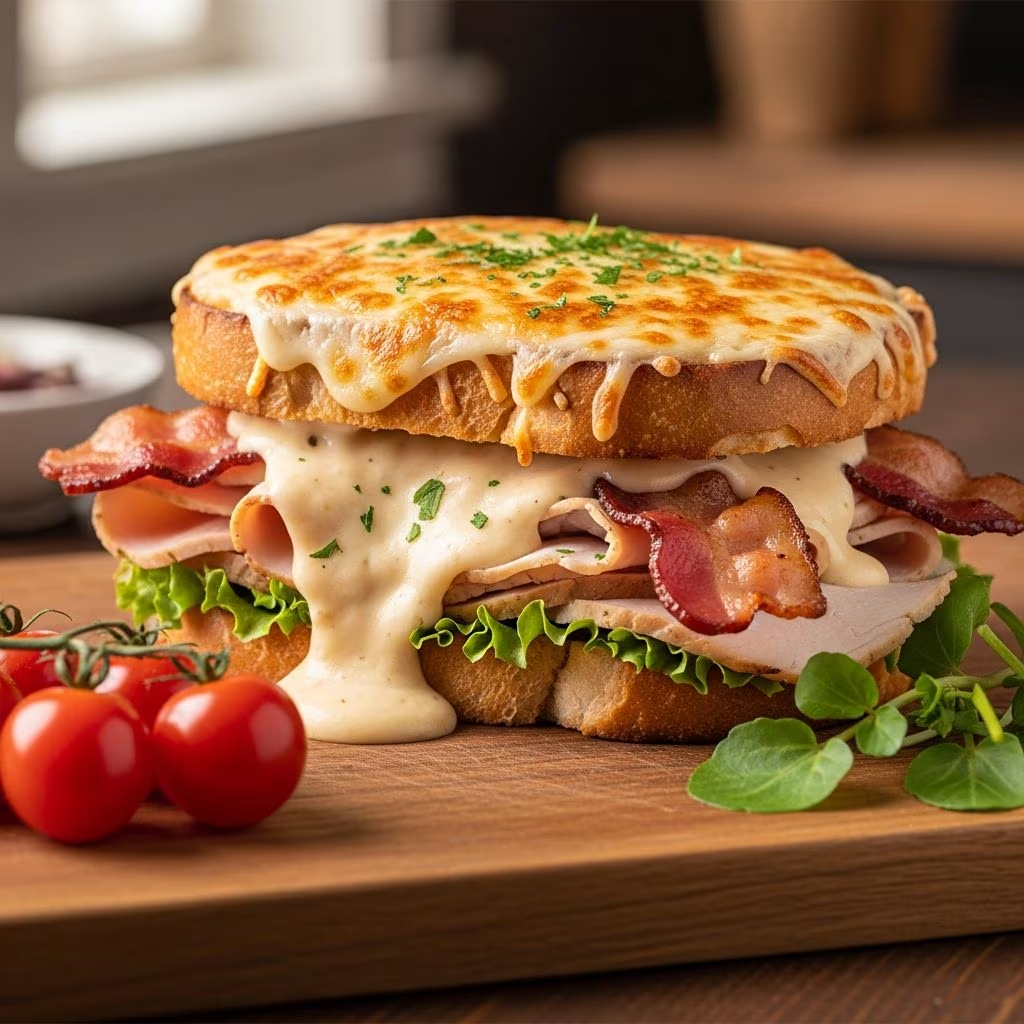
The Kentucky Hot Brown stands as one of America’s most beloved comfort food creations, representing decades of culinary tradition and Southern hospitality. This distinctive open-faced sandwich combines simple yet elegant components—tender turkey, creamy cheese sauce, fresh tomatoes, and crispy bacon—into a dish that satisfies both casual appetites and discerning palates. Whether you’re preparing this classic for a family gathering, a special lunch, or an intimate dinner, understanding the fundamentals of preparation ensures consistent, impressive results.
The Origins and Cultural Significance of This Iconic Dish
Tracing back to the 1920s at Louisville’s historic Brown Hotel, this sandwich emerged as an inventive solution to late-night dining demands. The hotel’s culinary team developed this hearty creation to serve dinner-dance guests seeking substantial sustenance during evening hours. The combination of warm, toasted bread topped with abundant protein, rich sauce, and fresh vegetables proved so appealing that it transcended its original context to become a regional icon and eventually a nationally recognized specialty.
Today, the Hot Brown remains deeply embedded in Kentucky’s food culture and continues gaining recognition across America. Restaurant menus throughout Louisville proudly feature variations of this classic, while home cooks nationwide recreate their own versions. The sandwich’s enduring popularity stems from its perfect balance of comfort and sophistication—it satisfies hearty appetites while maintaining an elegant presentation suitable for special occasions.
Essential Ingredients and Quality Considerations
Success with the Kentucky Hot Brown begins with ingredient selection. Each component contributes distinctly to the final product, making quality choices paramount.
The Foundation: Bread Selection
Texas toast serves as the traditional base for this sandwich. This thick-sliced white bread variety possesses the structural integrity necessary to support abundant toppings without becoming soggy. Light toasting before assembly creates a subtle barrier that repels moisture while maintaining an appealing texture. The bread’s neutral flavor allows other components to shine without competition.
Protein Components: Turkey and Bacon Selection
High-quality sliced roasted turkey breast forms the sandwich’s primary protein layer. Opt for thick-cut pieces rather than thin deli varieties, as they provide substantial body and superior texture. Some recipes incorporate ham alongside turkey, adding complexity and depth to the flavor profile. When selecting turkey, choose products that appear moist yet not wet—excessive liquid leads to sauce dilution and compromised final texture.
Bacon contributes essential textural contrast and smoky flavor undertones. Prepare bacon until completely crispy, allowing it to cool slightly before crumbling or breaking into pieces. The contrast between crispy bacon and creamy sauce creates the dynamic eating experience that defines this dish.
Fresh Produce: Tomato Preparation
Fresh tomato slices provide brightness and acidity that balance the sandwich’s rich components. Pat tomato slices dry with paper towels before assembly to remove excess moisture that could dilute the cheese sauce. Roma tomatoes work particularly well due to their lower water content and firm structure. Some recipes employ oven-roasted tomatoes, which concentrate flavors and add depth.
Crafting the Perfect Mornay Sauce
The Mornay sauce—a cheese-enriched béchamel—represents the soul of the Kentucky Hot Brown. This silky, luxurious component distinguishes the sandwich from ordinary open-faced turkey preparations.
Building the Foundation: The Roux
Begin by melting butter over low to medium-low heat in a heavy-bottomed saucepan. Use equal parts butter and flour—typically two tablespoons of each for a smaller batch, four tablespoons each for larger quantities. Whisk the flour into the melted butter gradually, stirring constantly to eliminate lumps. Continue cooking this roux for two to three minutes while maintaining frequent stirring. This extended cooking time removes raw flour taste while allowing the ingredients to bond thoroughly.
Introducing Dairy Components
Warm milk or cream before adding to prevent temperature shock and potential lumping. Pour the liquid slowly in a thin, steady stream while whisking constantly. Continue whisking throughout the addition process to ensure smooth integration. Increase heat to medium once the initial liquid addition is complete, continuing to cook and stir until the mixture reaches the proper consistency—thick enough to coat the back of a spoon yet pourable enough to distribute evenly.
Traditional recipes call for heavy cream combined with whole milk, creating exceptional richness and mouthfeel. Some contemporary versions employ half-and-half for a lighter variation. Allow the sauce to simmer gently for several minutes until completely smooth and free of lumps.
Cheese Integration and Seasoning
Remove the sauce from heat before incorporating cheese to prevent excessive heat from damaging the dairy proteins. Add cheese gradually in handfuls, stirring between additions until each portion melts completely. Traditional recipes specify Pecorino Romano, though sharp Cheddar and other aged cheeses produce excellent results.
Season the finished sauce carefully with salt, freshly ground black pepper, and a pinch of ground nutmeg—a subtle addition that echoes classic French preparations. Some recipes include Worcestershire sauce for additional umami complexity. Taste and adjust seasoning as needed before using.
Step-by-Step Assembly and Cooking Instructions
Preparation Phase
Arrange toast slices in a single layer on a foil-lined baking sheet or oven-safe dish. If using whole slices, you may trim crusts according to preference—the Brown Hotel famously removes crusts for a refined appearance. Distribute toast evenly to accommodate toppings without overlapping.
Layering Components
Top each toast piece with seven to eight ounces of turkey, arranging slices to create an even coverage. Layer tomato slices next, overlapping slightly if necessary to ensure each portion includes tomato. At this stage, some recipes introduce ham for additional flavor and substance. Pour generously with cheese sauce, allowing it to cascade slightly over edges while ensuring adequate coverage. The sauce should coat all visible turkey and tomato surfaces.
Final Embellishments and Cooking
Arrange bacon pieces in a traditional “X” pattern atop each sandwich or crumble and distribute evenly. Sprinkle Parmesan cheese across the surface, followed by a light dusting of paprika for visual appeal and subtle paprika flavor undertones. This garnish arrangement both protects bacon from excessive browning and adds visual sophistication.
Bake at 400 degrees Fahrenheit until the sauce bubbles visibly at the edges and cheese lightly browns in spots—typically eight to ten minutes. Some recipes employ broiler settings, positioning the dish six inches from the heat source for three to four minutes until lightly browned. Monitor closely during final cooking stages to prevent excessive browning.
Professional Tips for Consistent Excellence
Moisture Management Strategies
Soggy sandwiches result from inadequate moisture control. Toast bread before assembly to create a protective barrier. Pat turkey, ham, and tomatoes dry with paper towels before use. If preparing components ahead, keep them on separate plates until final assembly to prevent moisture accumulation.
Temperature Control Techniques
Warm milk and cream before incorporation to prevent sauce temperature fluctuation. Keep all components—turkey, cheese sauce, tomatoes—reasonably warm before assembly. This ensures even cooking and prevents temperature shock when moving finished sandwiches to the oven.
Timing and Batch Preparation
The Mornay sauce should be prepared last, as it thickens upon standing. If serving multiple people, coordinate timing so sauce finishes cooking just before assembly begins. For larger gatherings, prepare sauce in double or triple batches, maintaining gentle warmth over low heat until needed.
Recipe Variations and Modern Interpretations
While the original recipe remains iconic, contemporary cooks successfully experiment with variations. Some incorporate additional proteins such as ham or even smoked turkey. Others substitute sharp Cheddar for traditional Pecorino Romano, creating earthier sauce profiles. Fresh herbs—parsley, chives, or thyme—introduce bright notes that complement the dish’s richness.
Vegetarian versions substitute substantial mushroom preparations for turkey while maintaining the classic sauce and topping structure. Some cooks employ oven-roasted tomatoes instead of fresh slices, concentrating flavors and adding depth. These variations honor the dish’s core appeal while adapting it to different tastes and dietary preferences.
Serving Suggestions and Pairings
The Kentucky Hot Brown serves as a substantial main course requiring minimal additional support. Light side dishes—simple green salads with vinaigrette, roasted vegetables, or fresh fruit—complement rather than compete with the sandwich’s richness. A classic wedge salad with blue cheese dressing provides traditional accompaniment.
Beverage pairings should similarly balance the dish’s richness. Crisp white wines, particularly unoaked Chardonnay or Sauvignon Blanc, pair beautifully. Iced tea, whether sweet or unsweet, provides refreshing contrast. For non-alcoholic options, sparkling water with lemon offers palate cleansing properties.
Troubleshooting Common Preparation Challenges
Lumpy Sauce Solutions
Lumpy Mornay sauce typically results from insufficient whisking during liquid addition or excessively high heat. To remedy, strain sauce through fine mesh, pressing solids through carefully. Alternatively, use an immersion blender on low speed to smooth the mixture. Prevention remains easiest—whisk constantly during liquid addition and maintain medium heat throughout cooking.
Separated or Broken Sauce
Overheating, excessive cheese incorporation, or cream curdling may cause separation. Start fresh sauce rather than attempting rescue, as recovery often proves difficult. In future preparations, remove from heat before adding cheese and allow mixture to cool slightly before final seasoning.
Soggy Bread Issues
Untoasted bread or excessive sauce lead to sogginess. Toast bread adequately before assembly, and exercise moderation with sauce quantity—coat generously but avoid drowning the sandwich. Prepare components immediately before assembly to minimize moisture exposure time.
Make-Ahead Strategy and Storage Guidelines
The Mornay sauce stores well in refrigerated containers for up to three days. Reheat gently over low heat, adding small milk amounts if thickening occurred during storage. Assemble sandwiches immediately before baking rather than preparing in advance, as components degrade when sitting together.
Fully prepared Kentucky Hot Browns do not store successfully, as they rapidly lose textural appeal. Enjoy freshly baked sandwiches immediately for optimal eating experience. Any leftovers degrade substantially in quality and should not be refrigerated or reheated.
References
- Kentucky Hot Brown Recipe – A Well Seasoned Kitchen — A Well Seasoned Kitchen. Accessed April 2026. https://www.seasonedkitchen.com/recipe-for-kentucky-hot-brown
- Classic Hot Brown Recipe — Betty Crocker. Accessed April 2026. https://www.bettycrocker.com/recipes/classic-hot-brown/b295cc66-f2e8-44f3-95b9-7317b9e48db6
- The Brown Hotel in Louisville, KY’s Hot Brown Recipe — Brown Hotel Louisville. Accessed April 2026. https://www.brownhotel.com/dining/hot-brown