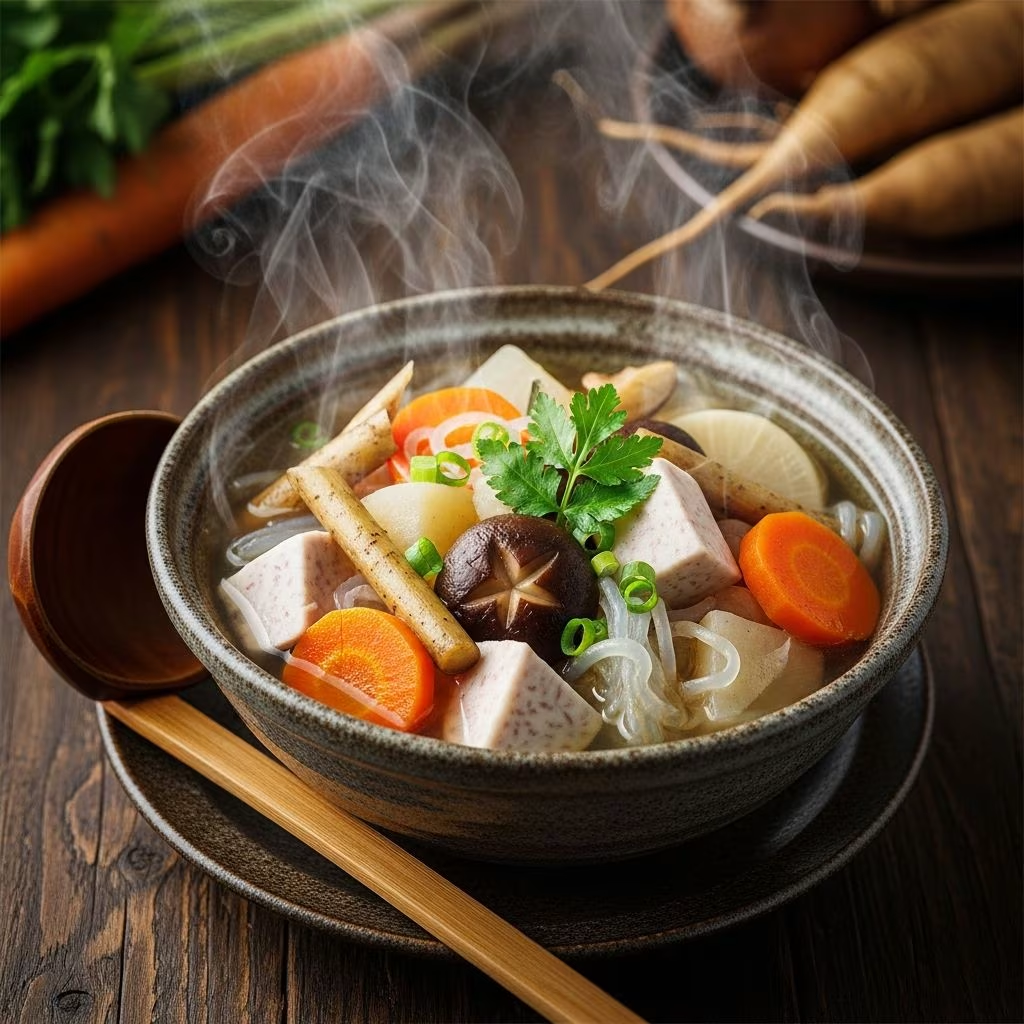
Rooted in ancient Zen Buddhist practices, Kenchinjiru stands as a timeless example of shojin ryori, the refined art of temple vegetarian cooking. This clear, flavorful soup combines an array of root vegetables, tofu, and subtle seasonings to create a dish that is both nourishing and profoundly satisfying. Unlike heavier meat-based broths, Kenchinjiru relies on the natural sweetness and earthiness of its ingredients, amplified by a gentle sauté in sesame oil and a simmer in umami-packed dashi.
The Origins and Cultural Significance of Kenchinjiru
Kenchinjiru traces its beginnings to the Kamakura period in Japan, specifically to the Zen temple Kenchō-ji near Tokyo. Legend has it that during a large Buddhist gathering, monks faced a shortage of tofu. In a moment of ingenuity, they tore the tofu into small pieces, combined it with available root vegetables, and simmered everything into a soup. This improvisation not only stretched their resources but also birthed a dish celebrated for its balance and simplicity.
Central to shojin ryori, Kenchinjiru embodies Buddhist principles of mindfulness and restraint. Monks avoided animal products, focusing instead on seasonal, local produce to cultivate clarity and health. Over centuries, the soup evolved from temple fare to a beloved home staple, especially in winter when root vegetables are abundant. Its name, derived from ‘Kenchō-jiru’ (soup of Kenchō temple), reflects this humble yet innovative heritage.
Today, Kenchinjiru remains a staple in Japanese households and vegan kitchens worldwide. It’s praised for its low calorie count—often under 200 calories per serving—while delivering filling textures and deep flavors. The sautéing step, typically in sesame oil, unlocks the vegetables’ natural sugars, creating a broth that’s clear yet richly layered.
Essential Ingredients for Authentic Kenchinjiru
The beauty of Kenchinjiru lies in its straightforward, wholesome components. Core ingredients include a variety of root vegetables, tofu, and konjac, all chosen for their ability to absorb and enhance the broth’s flavors.
- Root Vegetables: Daikon radish, carrots, burdock root (gobo), and taro (satoimo) form the foundation. Daikon adds mild sweetness, carrots provide color and crunch, burdock brings an earthy bite, and taro thickens the soup naturally.
- Tofu: Firm tofu, hand-torn into irregular pieces, soaks up the broth better than sliced versions, mimicking the temple-style preparation.
- Konjac (Konnyaku): This low-calorie root derivative adds chewy texture; parboil it to remove any bitterness.
- Mushrooms and Aromatics: Shiitake mushrooms contribute umami to the dashi, while green onions and optional abura-age (fried tofu pouches) add freshness and depth.
- Seasonings: Toasted sesame oil for sautéing, soy sauce, sake, and salt. Vegan dashi from kombu and shiitake ensures purity.
Variations exist—some add lotus root or mushrooms—but traditionalists stick to vegetables only, honoring its vegetarian roots.
Step-by-Step Guide to Preparing Kenchinjiru
Making Kenchinjiru at home is straightforward, requiring about 45 minutes. The key is preparation: press tofu to remove excess water, parboil konjac, and slice vegetables thinly for even cooking.
Prepare the Dashi: Soak kombu in water for 30 minutes (or overnight), then simmer gently. Rehydrate dried shiitake separately for a double umami boost.
Prep Ingredients: Wrap firm tofu in paper towels, press under weight for 30 minutes, then tear into bite-sized chunks. Parboil konjac cubes for 2-3 minutes. Rinse and strip abura-age if using. Slice daikon, carrot, taro, and burdock into thin half-moons or matchsticks.
Sauté the Base: Heat 1-2 tablespoons sesame oil in a large pot. Start with burdock and konjac to build flavor, then add taro, daikon, and carrots. Stir until coated and fragrant, about 5 minutes.
Incorporate Tofu and Mushrooms: Add torn tofu and sliced shiitake. Sauté briefly to meld textures.
Simmer: Pour in combined dashi, sake, and a pinch of salt. Bring to a boil, then simmer 10-15 minutes until vegetables soften. Skim foam for clarity. Stir in soy sauce to taste.
Finish and Serve: Add sliced green onions. Ladle into bowls, garnishing with shichimi togarashi or black pepper for heat.
| Ingredient | Quantity (Serves 4) | Prep Tip |
|---|---|---|
| Daikon | 1/2 small (200g) | Thin slices for quick cooking |
| Carrot | 1 medium | Diagonal cuts for aesthetics |
| Burdock Root | 1 small (100g) | Scrub, don’t peel; soak in water |
| Taro | 2-3 small | Peel with gloves to avoid itch |
| Firm Tofu | 1 block (300g) | Tear by hand |
| Konjac | 200g | Parboil 2-3 min |
Flavor Enhancements and Pro Tips
To elevate your Kenchinjiru, let it rest post-cooking. Shiitake’s guanylate amplifies vegetable umami, intensifying after 6 hours. Thin slicing, as in some recipes, speeds cooking while preserving vibrancy. Taro naturally thickens and retains heat, ideal for cold evenings.
For vegan purity, use kombu-shiitake dashi exclusively. Adjust soy sauce gradually—its saltiness builds. Sesame oil is non-negotiable; it imparts a nutty backbone.
Nutritional Profile and Health Benefits
Kenchinjiru is a nutritional powerhouse: high in fiber from roots, protein from tofu, and zero cholesterol. Per serving: ~150-200 calories, rich in vitamins A and C, potassium, and antioxidants. Konjac’s glucomannan aids digestion and satiety, making it diet-friendly.
In temple cuisine, it promotes longevity through balance—root veggies ground energy, tofu nourishes yin. Modern studies echo this, linking such plant-based soups to better heart health and weight management.
Seasonal Variations and Modern Twists
Adapt Kenchinjiru seasonally: add lotus root in fall or Chinese cabbage in winter. Non-traditional adds like chicken stray from origins but suit omnivores. Try miso-kenchinjiru for creaminess.
Pair with rice, pickles, or as a light meal. It reheats beautifully, flavors deepening overnight.
Frequently Asked Questions (FAQs)
What is Kenchinjiru made of?
A vegan soup with root vegetables like daikon, carrot, burdock, taro, plus tofu and konjac, simmered in dashi.
Is Kenchinjiru gluten-free?
Yes, if using tamari instead of soy sauce. Check dashi ingredients.
Can I make Kenchinjiru without dashi?
Vegetable broth works, but traditional umami comes from kombu and shiitake.
How long does Kenchinjiru last?
3-4 days refrigerated; freezes well up to a month.
What’s the difference between Kenchinjiru and miso soup?
Kenchinjiru is clear and vegetable-heavy; miso is cloudy with fermented paste.
Kenchinjiru transcends mere sustenance, offering a meditative cooking experience and a bowl of pure comfort. Whether you’re embracing veganism or seeking winter warmth, this soup delivers tradition in every spoonful.
References
- Kenchin-jiru Vegetable Soup — Kikkoman Corporation. 2023. https://www.kikkoman.com/en/culture/foodforum/fundamentals-101/37-3.html
- Japanese Vegetable Soup (Kenchinjiru) — RecipeTin Japan. 2022-10-12. https://japan.recipetineats.com/japanese-vegetable-soup-kenchinjiru/
- Kenchinjiru (Japanese Vegetable Soup) — Just One Cookbook. 2023-11-15. https://www.justonecookbook.com/kenchinjiru/
- Root Veg Delight: Mastering Kenchin-jiru Soup — Cooking with Dog (YouTube). 2022. https://www.youtube.com/watch?v=qkK9NuIYF8w
- Kenchinjiru (Japanese Zen Vegetable Soup) — Shiitake Japan. 2024. https://shiitakejapan.com/en/kenchinjiru.html