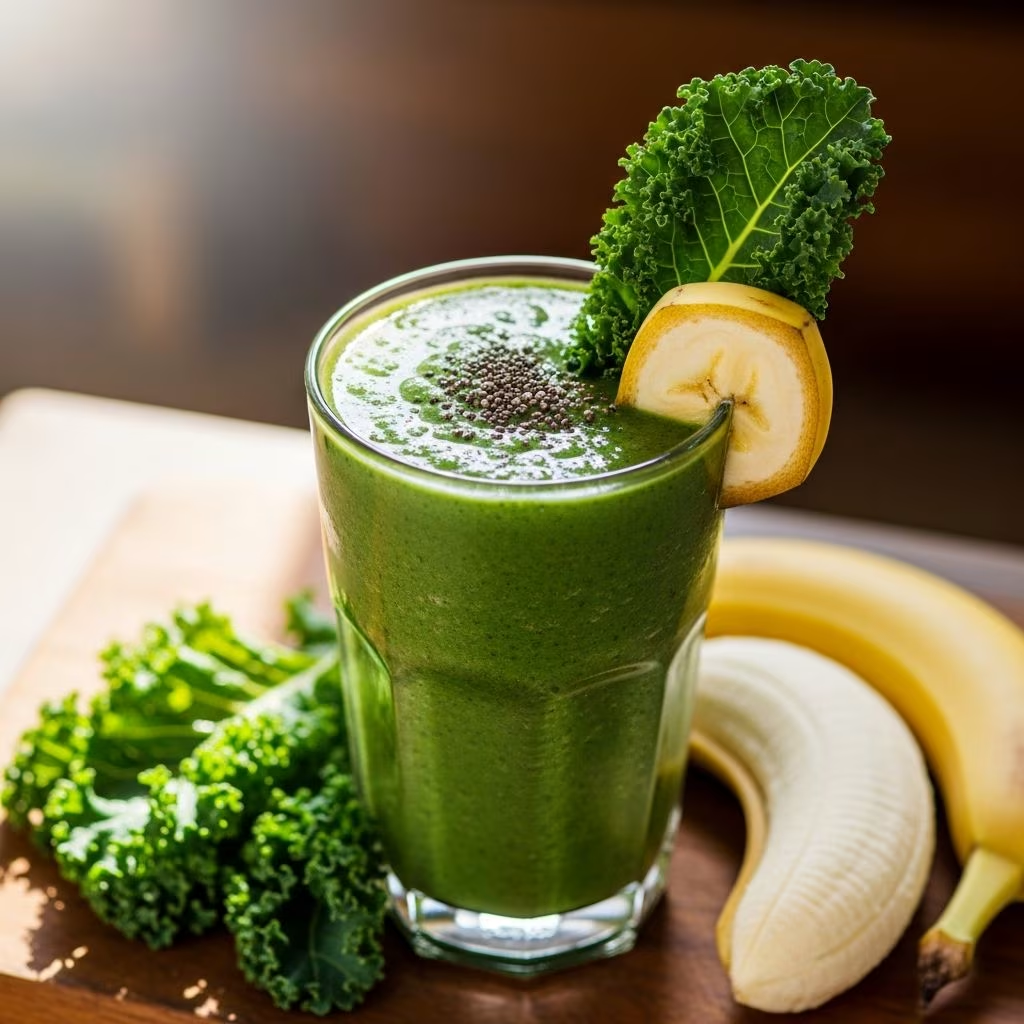
A kale banana smoothie offers a quick way to incorporate leafy greens and sweet fruits into your daily routine, delivering a burst of vitamins, minerals, and fiber in a single glass. This versatile blend combines the earthy taste of kale with the natural sweetness of bananas, creating a smooth, satisfying drink ideal for breakfast, snacks, or post-workout refreshment.
Why Kale and Bananas Make the Perfect Pairing
Kale provides a robust foundation of antioxidants and essential nutrients, while bananas contribute creaminess and potassium to balance flavors and textures. Together, they form a base that supports energy levels, digestion, and overall wellness without relying on added sugars.
- Kale’s Role: Packed with vitamins A, C, and K, plus fiber for gut health.
- Banana’s Benefits: Offers natural sweetness, potassium for heart and muscle function, and a smooth consistency.
- Synergy: The fruits mask kale’s bitterness, making greens approachable for beginners.
Core Ingredients for the Ultimate Kale Banana Smoothie
Start with high-quality, fresh components to maximize flavor and nutrition. Here’s a foundational list scalable for one or two servings:
| Ingredient | Quantity | Key Benefit |
|---|---|---|
| Kale leaves (stems removed) | 1-2 cups | Vitamins A, C, K; fiber |
| Ripe banana (fresh or frozen) | 1 large | Potassium, creaminess, sweetness |
| Plant-based milk (almond, oat, or soy) | 1 cup | Liquid base, low calories |
| Frozen berries or pineapple | ½ cup | Antioxidants, chill factor |
| Optional protein boost (yogurt or powder) | ½ cup or 1 scoop | Satiety, muscle repair |
Choose organic kale when possible and ripe bananas for optimal taste. Frozen fruits eliminate the need for ice, preserving volume and chill.
Step-by-Step Preparation Guide
Blending order matters for smoothness. Follow these steps for a lump-free result:
- Prep your blender: Pour liquid (milk) first to facilitate blending.
- Add greens: Layer kale next; pulse until broken down to avoid fibrous bits.
- Incorporate soft fruits: Add banana chunks for natural sweetness and body.
- Boost with frozen elements: Include berries or pineapple for thickness and tartness.
- Blend thoroughly: Start low speed, then high for 1-2 minutes. Add protein last if using powders.
- Serve immediately: Pour into a chilled glass; garnish with chia seeds or nuts.
Total time: Under 5 minutes. Yields 16-20 ounces, perfect for one hearty serving.
Nutritional Profile and Health Advantages
One serving typically delivers around 250-350 calories, depending on add-ins, with high fiber (7-10g), protein (up to 26g with boosters), and key micronutrients. Kale supplies over 100% daily vitamin C and A needs, while bananas provide 400+ mg potassium for blood pressure support.
- Digestion Aid: Fiber from kale promotes regularity.
- Energy Sustainer: Complex carbs from fruits prevent crashes.
- Immune Support: Antioxidants combat oxidative stress.
- Hydration Helper: High water content from ingredients refreshes naturally.
For precise tracking, use apps like MyFitnessPal. Customize for low-carb by reducing banana or adding avocado.
Customizing Your Smoothie for Different Diets and Goals
Vegan and Dairy-Free Options
Use almond or oat milk and plant-based yogurt. Swap collagen for pea protein to maintain 20g+ protein.
Low-Sugar Variations
Replace half the banana with avocado for creaminess minus sugar spike. Add lemon juice for zing without calories.
High-Protein Powerhouse
Incorporate Greek yogurt, peanut butter, or whey/plant protein. Aim for 30g protein for post-gym recovery.
Kid-Friendly Tweaks
Increase banana or add mango to sweeten; use baby kale for milder taste. Sneak in spinach for extra greens undetected.
Experiment with add-ins like ginger for anti-inflammatory benefits or flaxseeds for omega-3s.
Common Mistakes and Pro Tips for Success
Avoid chewy textures by always blending greens first. If your blender struggles, thaw frozen items slightly or use a high-speed model.
- Too Bitter? Balance with more fruit or a date.
- Not Thick Enough? More frozen fruit or less liquid.
- Storage Tip: Refrigerate up to 24 hours; shake before drinking.
- Blender Hack: Add nut butter for emulsification.
Seasonal Twists and Recipe Variations
Adapt to what’s fresh:
- Summer: Tropical with pineapple and coconut water.
- Fall: Apple-cinnamon with nutmeg.
- Winter: Berry-ginger for warmth.
For meal prep, portion ingredients in freezer bags for grab-and-blend convenience.
Frequently Asked Questions (FAQs)
Can I use frozen kale?
Yes, frozen kale works great and saves prep time, maintaining nutrients.
Is this smoothie good for weight loss?
Absolutely—low-calorie, high-fiber formula promotes fullness without excess sugars.
How do I make it sweeter without sugar?
Use riper bananas, medjool dates, or extra berries.
Can I add spinach instead of kale?
Yes, spinach is milder and blends seamlessly for a similar nutrient profile.
Does it freeze well?
Freeze in ice cube trays for smoothie pops or future blends.
Pairing Ideas and Meal Integration
Enjoy alongside oatmeal for breakfast or nuts for a snack. Post-workout, it replenishes electrolytes naturally. For dinner, pair with salads to amplify greens intake.
Incorporate into detox plans or weekly rotations for sustained health benefits.
References
- Simple Green Smoothies: Kale Banana Smoothie Recipe — Simple Green Smoothies. 2023. https://simplegreensmoothies.com/kale-banana-smoothie/
- Banana Kale Smoothie — Plant Based on a Budget. 2022-10-15. https://plantbasedonabudget.com/banana-kale-smoothie/
- Banana Kale Smoothie — University of Nebraska-Lincoln Food. 2024. https://food.unl.edu/recipe/banana-kale-smoothie/
- Banana Kale Smoothie — Free Your Fork. 2023. https://www.freeyourfork.com/banana-kale-smoothie/