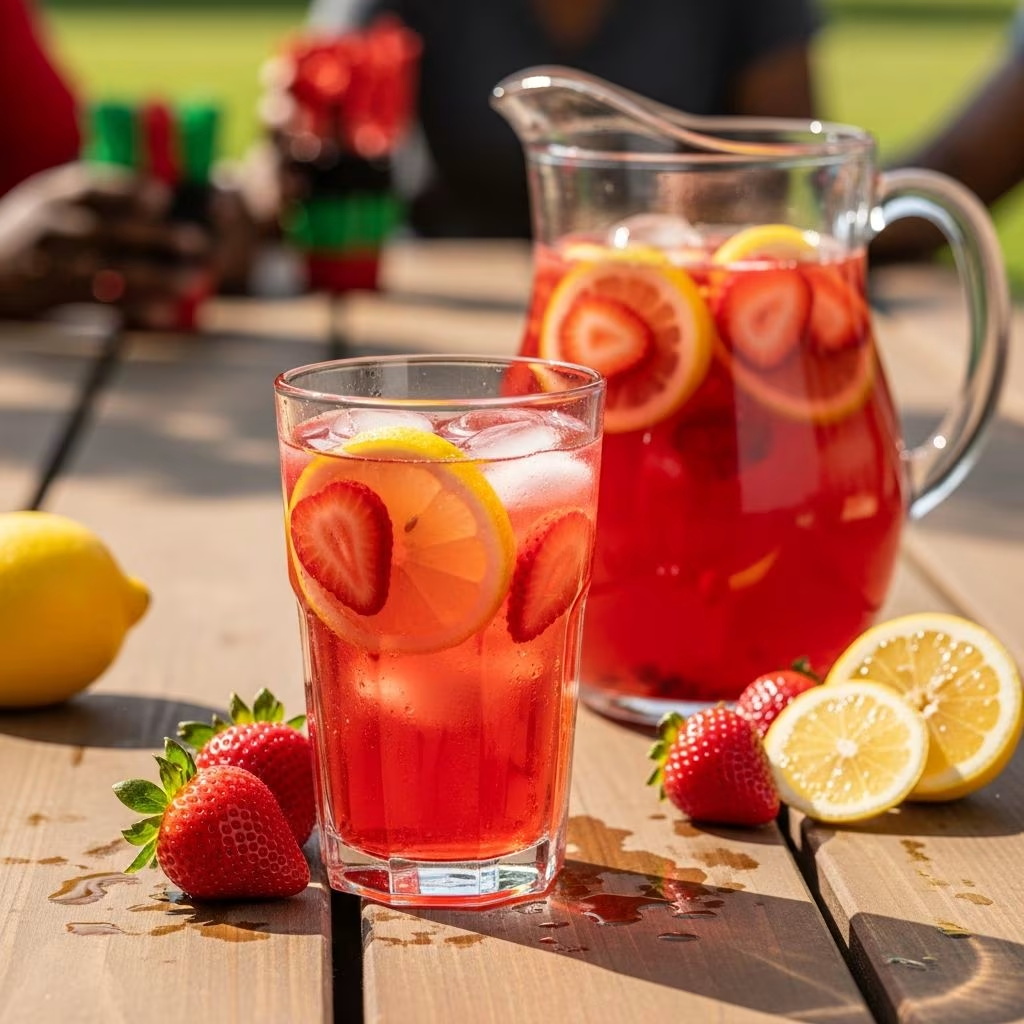
Juneteenth, celebrated on June 19th each year, commemorates the emancipation of enslaved African Americans in the United States. This significant federal holiday has become a time for communities to gather, celebrate freedom, and share meaningful traditions—many of which center around food and beverages. Among the most iconic drinks served during Juneteenth festivities is a vibrant red punch, with strawberry lemonade representing a modern, refreshing interpretation of this classic tradition.
The choice of red beverages during Juneteenth celebrations carries deep symbolic meaning. According to cultural traditions, the red color represents the bloodshed and resilience of those who endured slavery, making it a powerful and intentional element of holiday observance. This article explores how to create an authentic, delicious strawberry lemonade that honors this tradition while delivering a cooling, palate-pleasing refreshment perfect for warm weather gatherings.
Understanding the Cultural Significance of Red Beverages
Red drinks hold particular importance in Juneteenth celebrations, particularly in Texas and throughout the American South. The tradition draws from the historical consumption of red cream sodas and red soda water, beverages that have been part of Southern culture for generations. These drinks have evolved from simple commercial products into homemade creations that families prepare with intention and care.
The symbolic nature of red beverages extends beyond mere aesthetics. When families prepare strawberry lemonade and similar red punch recipes for Juneteenth, they participate in a broader cultural narrative about remembrance, resilience, and celebration. The act of crafting these drinks from fresh ingredients transforms a simple beverage into a meaningful gesture of cultural pride and historical acknowledgment.
Essential Ingredients for Homemade Strawberry Lemonade
Creating an exceptional strawberry lemonade begins with understanding the role each ingredient plays in the final product. Quality ingredients matter significantly when preparing beverages intended for celebration and gathering.
The Foundation: Strawberries
Strawberries form the core of this beverage, providing both color and flavor. Whether using fresh berries or frozen varieties, strawberries contribute natural sweetness, tartness, and the characteristic red hue that makes this punch visually distinctive. Frozen strawberries offer practical advantages, as they maintain their nutritional profile and can be stored for extended periods without spoilage.
Citrus Elements
Fresh lemon juice provides essential acidity that balances sweetness and creates complexity in flavor. Unlike bottled lemon juice, freshly squeezed juice delivers superior taste and aroma. The citric acid in lemon juice also enhances the preservation qualities of the punch, making it suitable for advance preparation.
Sweetening Components
Granulated sugar dissolves easily into the punch base and allows for precise sweetness adjustment. The amount can be modified based on personal preference and the natural sweetness of the strawberries used. Some preparations incorporate simple syrup rather than granulated sugar, which integrates more thoroughly into cold beverages.
The Liquid Base
Water serves as the primary liquid component, allowing strawberry and lemon flavors to shine without competing elements. The ratio of water to fruit and juice determines the final concentration and intensity of flavors. Some variations incorporate sparkling water or lemon-lime soda to introduce fizz and additional sweetness.
Preparation Techniques and Methods
The process of creating strawberry lemonade involves several distinct stages, each contributing to the final beverage’s quality.
Blending and Processing
Combining frozen strawberries, sugar, lemon juice, and water in a blender creates a smooth, well-integrated mixture. The blending process should begin gently to incorporate ingredients without excessive aeration, then gradually increase in speed to achieve complete smoothness. This approach prevents oxidation while ensuring uniform distribution of flavors and color.
Straining Considerations
Some preparations benefit from straining the blended mixture to remove pulp, while others embrace the texture provided by berry solids. Straining produces a clearer, more refined beverage suitable for formal gatherings, while leaving pulp creates a more rustic, substantial drink. This choice depends on personal preference and the intended serving context.
Temperature Management
Proper temperature control ensures both safety and quality. Using chilled ingredients and serving vessels maintains the beverage’s refreshing character. Pre-chilling glassware and incorporating ice strategically prevents dilution while keeping the punch at optimal serving temperature.
Ingredient Variations and Creative Adaptations
| Ingredient Variation | Flavor Impact | Best For |
|---|---|---|
| Hibiscus Tea | Adds tartness and deeper red coloring | Complex, sophisticated punch |
| Cranberry Juice | Introduces tartness and maintains red hue | Balanced, less sweet options |
| Orange Juice | Provides citrus depth and subtle sweetness | Tropical-influenced variations |
| Raspberry Addition | Enhances berry complexity | Multi-berry punch blends |
| Fresh Mint | Contributes cooling freshness | Sophisticated summer beverages |
| Pineapple Juice | Adds tropical sweetness and brightness | Caribbean-inspired versions |
While traditional strawberry lemonade features a straightforward ingredient list, creative adaptations can enhance and expand its appeal. Hibiscus tea introduces both tartness and a deeper red color, creating complexity that appeals to adventurous palates. Cranberry juice maintains the essential red coloring while adding sophisticated tartness that balances sweetness naturally.
For those seeking tropical influences, pineapple juice and orange juice create interesting flavor combinations. These additions maintain the red aesthetic while introducing dimensional flavor profiles that reference broader Caribbean and Southern culinary traditions. Fresh mint leaves provide aromatic freshness without overwhelming the primary fruit flavors.
Serving Strategies and Presentation
How strawberry lemonade is presented significantly impacts the celebration experience.
Container Selection
Large punch bowls remain the traditional choice for community gatherings, allowing self-service and creating an impressive visual centerpiece. Individual pitcher-based service works well for smaller groups or home preparations. The serving vessel should complement the occasion’s formality and the beverage’s visual appeal.
Garnishing Techniques
Fresh strawberry slices, lemon wheels, and complementary berries create visual interest and signal quality ingredients. These garnishes serve both aesthetic and functional purposes—they can infuse subtle flavor as they sit in the punch. Edible flowers or fresh mint leaves add elegant touches to formal presentations.
Ice Management
Ice serves dual purposes: maintaining temperature while potentially diluting the beverage as it melts. Using pre-chilled glasses reduces the ice melting rate. Some preparations incorporate frozen fruit as ice replacements, providing flavor continuation while minimizing dilution concerns.
Advance Preparation and Storage
Strawberry lemonade can be prepared in advance, making it ideal for event planning. The base concentrate can be stored in refrigeration for several days before serving. Adding ice and any carbonated components immediately before service ensures optimal flavor and texture. This advance preparation reduces day-of stress while maintaining beverage quality.
Proper storage extends the beverage’s shelf life. Covered containers in the refrigerator maintain freshness for 2-3 days. The natural acidity from lemon juice provides preservative qualities, though consumption within this timeframe ensures peak flavor and safety.
Nutritional Considerations
Strawberry lemonade provides several nutritional benefits when prepared with whole fruit and limited added sugars. Strawberries contain vitamin C, fiber, and antioxidants that contribute to overall wellness. Lemon juice adds additional vitamin C and supports digestive health.
Sugar content varies based on ingredient choices and personal adjustments. Using fresh fruit and limiting added sugar creates a more nutritionally balanced beverage. Those monitoring sugar intake can reduce or eliminate added sugar, relying instead on natural fruit sweetness and the tartness of lemon juice for flavor balance.
Frequently Asked Questions
Can I use fresh strawberries instead of frozen ones?
Absolutely. Fresh strawberries work excellently, though they may require slightly different blending times. Fresh berries typically blend more quickly than frozen varieties. The flavor profile remains comparable, though some prefer frozen strawberries for their concentrated taste.
How much sugar should I add?
The standard ratio uses approximately half a cup of sugar per batch, but personal preference should guide adjustments. Taste the mixture before finalizing and add sugar gradually until achieving desired sweetness. Remember that chilled beverages often taste less sweet than room-temperature versions.
Is this beverage suitable for children?
Yes, strawberry lemonade appeals to most age groups. The flavor profile is universally palatable, and the beverage contains no ingredients of concern for children. Parents may adjust sugar content to personal preferences.
How long can I store prepared strawberry lemonade?
Properly stored in covered containers within the refrigerator, strawberry lemonade maintains quality for 2-3 days. The natural acidity from lemon juice provides some preservation, but consumption within this window ensures optimal flavor and safety.
Can I make this punch less sweet?
Certainly. Increase the lemon juice proportion to enhance tartness, or simply reduce added sugar. The natural tartness of strawberries combined with generous lemon juice creates balanced flavor without excessive sweetness.
What carbonated beverages work best in this punch?
Lemon-lime sodas like 7UP or Sprite remain popular choices. Ginger ale introduces subtle spice, while plain seltzer provides fizz without additional sweetness or flavor interference. Selection depends on personal preference and desired final taste profile.
Celebrating Tradition Through Beverage
Preparing strawberry lemonade for Juneteenth gatherings transcends simple refreshment provision. This act connects participants to historical traditions, cultural significance, and community celebration. The vibrant red color, homemade quality, and intentional preparation transform an ordinary beverage into a meaningful cultural expression.
Whether served at intimate family celebrations or larger community events, strawberry lemonade embodies the spirit of Juneteenth—a day dedicated to remembrance, resilience, and celebration. By understanding the cultural context, mastering preparation techniques, and personalizing ingredients to individual preferences, anyone can create a beverage worthy of this significant occasion.
The simplicity of this drink’s core components belies its cultural depth and celebratory significance. Fresh strawberries, bright lemon juice, cool water, and thoughtful preparation combine to create a beverage that nourishes both body and spirit while honoring an important historical milestone and contemporary cultural tradition.
References
- Juneteenth: A Federal Holiday — U.S. National Archives and Records Administration. Last accessed 2026. https://www.archives.gov/news/topics/juneteenth
- Strawberries: Nutrition and Health Benefits — U.S. Department of Agriculture, Agricultural Research Service. 2024. https://www.ars.usda.gov
- Food and Celebration: Cultural Significance of Traditional Beverages — Smithsonian Institution’s National Museum of African American History and Culture. Last accessed 2026. https://www.nmaahc.si.edu
- Lemon Juice: Culinary and Nutritional Properties — Journal of the Academy of Nutrition and Dietetics. 2023. https://jandonline.org
- Southern Food Traditions and Cultural Heritage — Southern Foodways Alliance, University of Mississippi. Last accessed 2026. https://www.southernfoodways.org