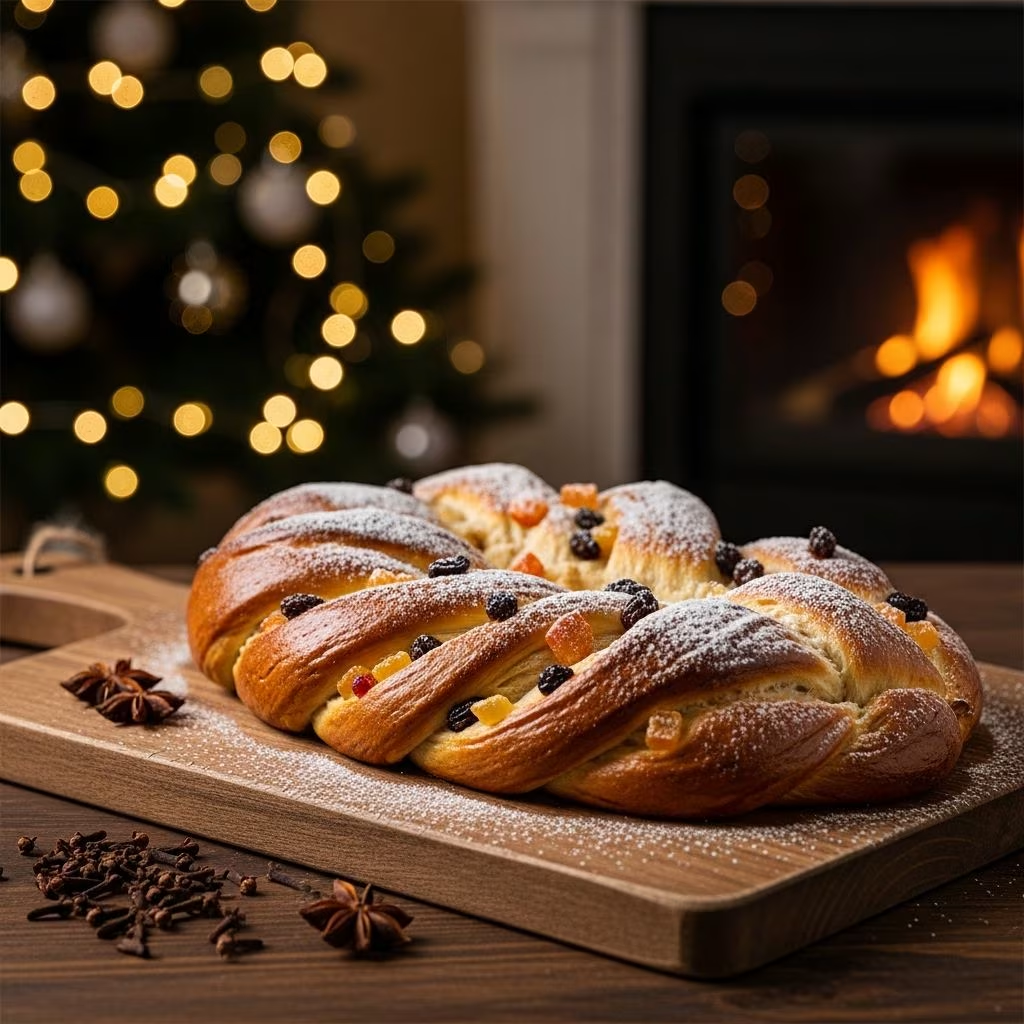
Julekake, a sweet and aromatic bread synonymous with Norwegian holiday traditions, brings warmth and joy to Christmas tables across Scandinavia. This enriched loaf, studded with raisins, candied citrus peels, and infused with cardamom, represents the essence of yuletide baking. Unlike everyday breads, Julekake combines the fluffiness of yeast dough with luxurious add-ins, making it a standout for festive gatherings.
The Cultural Heart of Julekake in Norwegian Holidays
In Norway, Christmas baking peaks with Julekake, or ‘Christmas bread,’ a staple since the 19th century. Families gather to knead doughs scented with cardamom, evoking memories of snowy winters and communal feasts. This bread isn’t just food; it’s a ritual that bridges generations, often enjoyed sliced thick with butter or cheese during the julenisse (Christmas elf) visits.
Historically, Julekake evolved from simple yeasted loaves to fruit-laden versions as trade brought spices and dried fruits to Nordic ports. By the early 20th century, recipes standardized around scalded milk for tenderness and ground cardamom for its piney warmth. Today, it graces julebord (Christmas tables) alongside lutefisk and ribbe, symbolizing abundance amid long, dark nights.
Essential Ingredients That Define Authentic Julekake
The magic of Julekake lies in its balanced ingredients. Key components include:
- Flour base: All-purpose flour provides structure, typically 6-8 cups for two loaves, ensuring a soft crumb.
- Enricheners: Whole milk (2 cups, scalded), butter (1-2 sticks), and eggs add moisture and richness.
- Sweeteners: Granulated sugar (2/3 to 3/4 cup) for subtle sweetness, plus icing for finish.
- Spices: Cardamom (1-2 teaspoons, ground or crushed seeds) is non-negotiable for signature flavor.
- Fruits: Raisins (3/4-1 cup) and candied citrus peels or cherries (3/4-1 cup) for chewy bursts.
- Leavener: Active dry yeast (2 packets) for reliable rise.
Variations might incorporate cinnamon or orange zest, but purists stick to cardamom dominance. For icing, confectioners’ sugar, milk, butter, and almond extract create a glossy drizzle, topped with sliced almonds.
Mastering the Step-by-Step Julekake Recipe
Baking Julekake requires patience, yielding two generous loaves. Here’s a reliable method adapted from traditional sources.
Prepare the Dough Base
- Scald 2 cups milk with 1 cup butter and crushed cardamom seeds. Cool to 110°F (43°C).
- Activate yeast: Mix 2 packets yeast with 1/2 teaspoon sugar and a splash of warm milk. Let foam for 5-10 minutes.
- Combine wet ingredients: Stir in remaining milk, 2/3 cup sugar, 2 beaten eggs, 2 teaspoons salt, 1 teaspoon cinnamon, and 2 tablespoons orange zest.
Mix and Knead
- Add 5 cups flour gradually, mixing until dough pulls from bowl sides. Knead 10 minutes on floured surface, adding flour as needed (up to 6 cups total).
- Incorporate 2-3 cups fruits gently to avoid tearing.
- Place in greased bowl, cover, and rise 1 hour until doubled.
Shape and Final Rise
Punch down dough, divide into two. Shape into rounds for 9-inch pans or braids. Cover and rise 1 hour. Preheat oven to 375°F (190°C). Brush with beaten egg.
Bake and Finish
Bake 30-40 minutes until golden. Cool on racks. Drizzle icing (2 cups confectioners’ sugar, 1/4 cup milk, 2 tablespoons melted butter, 1/2 teaspoon almond extract) and sprinkle almonds. Let set before slicing.
Total time: 4-5 hours, including rises. Yields fluffy, fruit-speckled bread perfect for gifting.
Pro Tips for Perfect Julekake Every Time
Achieve bakery-quality results with these insights:
- Temperature control: Scalding milk denatures proteins for tenderness; proof yeast properly to prevent dense loaves.
- Fruit prep: Soak raisins in warm water or rum for plumpness; chop candied peels finely to distribute evenly.
- Kneading finesse: Stop when dough is smooth and elastic—overkneading toughens gluten.
- Oven tweaks: Tent with foil if browning too fast; internal temp should hit 190°F (88°C).
- Storage: Wrap tightly; freezes well for months. Toast slices for revived freshness.
| Common Issue | Solution |
|---|---|
| Dense texture | Check yeast viability; ensure full rise times. |
| Dry crumb | Increase milk slightly; don’t skimp on butter. |
| Fruit sinking | Knead fruits in last; chill dough briefly before shaping. |
| Uneven rise | Use draft-free spot; uniform pan sizes. |
Delicious Ways to Serve and Enjoy Julekake
Julekake shines in versatility. Fresh from the oven, slice warm with unsalted butter. Pair with brunost (brown cheese), cloudberry jam, or cured salmon for authentic Norwegian breakfasts. For desserts, French toast it or layer in trifles.
In Sweden and Denmark, similar breads appear as lussekatter variants, but Julekake’s fruit profile sets it apart. During Advent, enjoy with gløgg (mulled wine). Leftover days? Cube for bread pudding with custard and nutmeg.
Creative Variations to Personalize Your Julekake
While traditionalists hold firm, innovate safely:
- Chocolate twist: Add 1/2 cup chopped dark chocolate with raisins.
- Nutty boost: Fold in 1/2 cup slivered almonds or pecans.
- Vegan adapt: Swap milk for plant-based, eggs for aquafaba, butter for coconut oil.
- Sourdough version: Use stiff starter (50g) with reduced yeast for tangy depth.
- Pearl sugar top: Sprinkle before baking for crunchy contrast.
Experiment with peels like orange or lemon for brighter notes. Scale for braids or wreaths to impress at parties.
Health-Conscious Twists on Classic Julekake
Modern bakers lighten Julekake without sacrificing joy. Substitute half flour with whole wheat or spelt for fiber. Use coconut sugar for lower glycemic impact. Opt for unsweetened dried fruits and reduce sugar by 25%. These keep the bread indulgent yet mindful.
A single slice (1/12 loaf) offers about 250 calories, with carbs from fruits balancing the experience. Pair with yogurt for protein-packed snacks.
Seasonal Baking: Julekake Beyond Christmas
Though Christmas-centric, Julekake fits Easter brunches or midsummer fikas. Its spices evoke coziness year-round. Gift mini loaves to neighbors, tying into Scandinavian hygge culture.
Frequently Asked Questions About Julekake
What makes Julekake unique?
Cardamom spice and fruit inclusions distinguish it from plain sweet breads, rooted in Norwegian heritage.
Can I make Julekake without candied fruit?
Yes, use all raisins or fresh cranberries, but candied peels add traditional chewiness.
How long does homemade Julekake last?
3-5 days at room temp, 2 weeks refrigerated, or freeze up to 3 months.
Is cardamom essential in Julekake?
Absolutely—it’s the flavor cornerstone; substitute nutmeg only if unavailable.
Gluten-free Julekake possible?
Adapt with gluten-free flour blends, adding xanthan gum for elasticity; results approximate.
Why Julekake Captures Hearts Worldwide
From Nordic homes to global kitchens, Julekake’s appeal lies in its sensory symphony: golden crust, moist interior, spice bursts, and fruit jewels. Baking it fosters connection, turning ovens into hearths of tradition. Whether novice or pro, this bread promises holiday magic in every bite.
References
- Norwegian Julekake (Christmas Bread) — Daytona Dawn Danielsen. 2023-12-15. https://daytonadanielsen.com/norwegian-julekake/
- Julekake (Norwegian Christmas Bread) — North Wild Kitchen. 2022-11-28. https://northwildkitchen.com/julekake-norwegian-christmas-bread/
- Norwegian Christmas Bread (Julekage) — Sprinkle Bakes. 2017-12-10. https://www.sprinklebakes.com/2017/12/norwegian-christmas-bread-julekage.html
- Mama Elizabeth’s Julekake Bread — Heathers Home Bakery. 2022-03-25. https://heathershomebakery.com/2022/03/25/mama-elizabeths-julekake-bread/
- Julekake: Norwegian Christmas Bread — the Sunday Baker. 2023-01-05. https://sundaybaker.co/julekake/