Japanese cuisine celebrates noodles as a cornerstone ingredient, with countless regional variations and preparation methods. Whether you’re an experienced cook or exploring Japanese cooking for the first time, understanding the landscape of available noodle options transforms your ability to create authentic dishes at home. This comprehensive guide examines the major noodle varieties found in Japanese markets, explores what distinguishes quality products, and provides practical advice for making informed purchasing decisions.
Understanding the Noodle Landscape
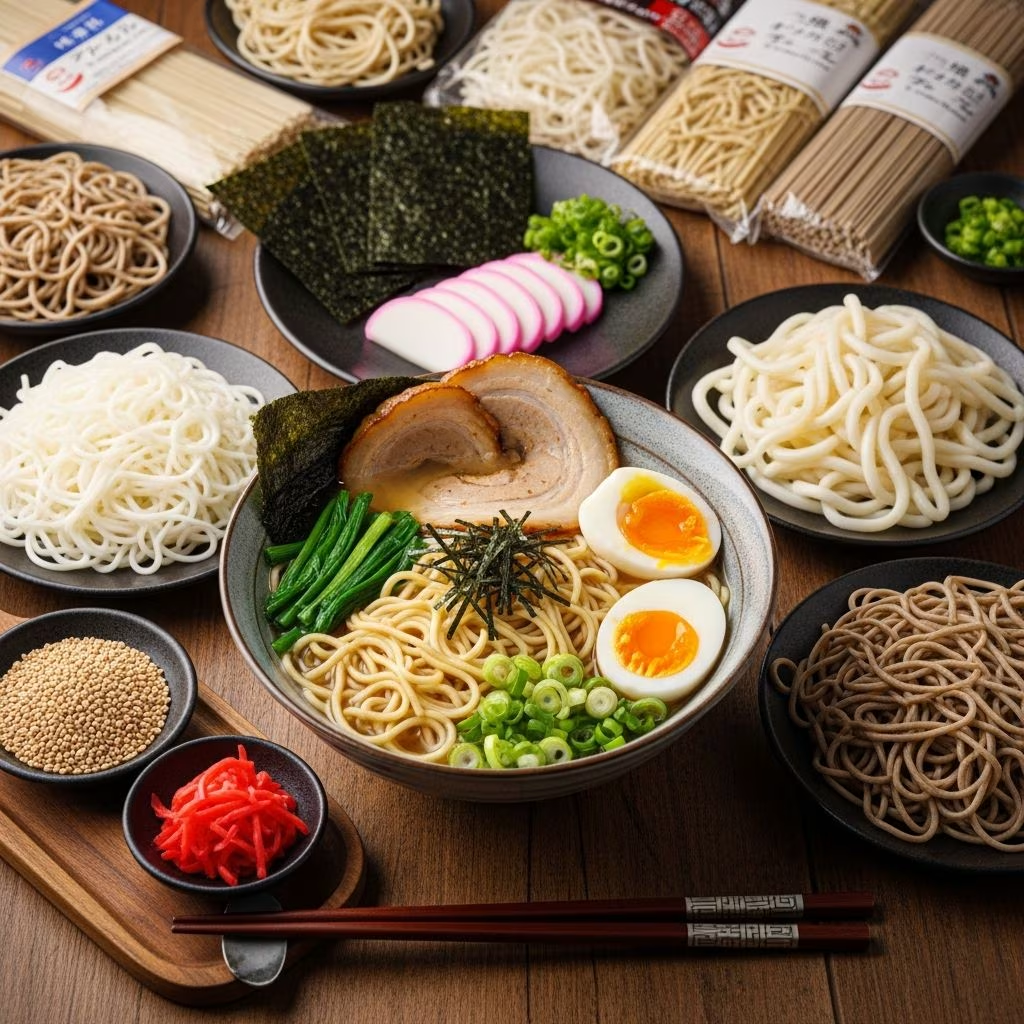
Japan’s noodle tradition spans centuries, with different regions developing distinct varieties suited to local tastes and climates. Each noodle type possesses unique characteristics in terms of texture, flavor absorption, and optimal serving methods. The diversity extends beyond simple distinctions—variations exist within each category based on production techniques, ingredient sourcing, and regional specializations. Recognizing these differences empowers you to select noodles that align with your intended dish and desired outcome.
Ramen: The Versatile Foundation
Ramen noodles represent perhaps the most globally recognized Japanese noodle variety, characterized by their crimped appearance and wheat-based composition. These thin, wavy strands are engineered to absorb broth effectively while maintaining structural integrity during cooking. The typical ramen noodle measures approximately 2-3mm in diameter and cooks quickly, usually within 3-4 minutes.
Quality variations in ramen stem from several factors. Premium varieties often feature higher protein content, superior egg content in the dough, and careful air-drying processes that preserve texture and flavor. When examining ramen packages, look for golden coloring, which typically indicates adequate drying and oxidation. The noodle strands should appear uniform in size and wave pattern, suggesting consistent production standards.
Broth compatibility represents a crucial consideration when selecting ramen. Traditional broths include tonkotsu (pork bone), which features a rich, creamy character, and chicken-based variants offering lighter profiles. Some ramen varieties pair specifically with miso or soy sauce-based preparations. Understanding your intended broth guides your selection process.
Udon: Substantial and Satisfying
Udon noodles occupy the opposite end of the thickness spectrum from ramen, presenting a substantial, chewy experience. These thick, wheat-based noodles typically measure 3-4mm or larger in diameter and feature pale white coloring characteristic of their simple wheat flour, water, and salt composition. The increased surface area allows these noodles to capture and hold broth flavors effectively.
Fresh udon noodles, when available, offer superior texture and mouthfeel compared to dried varieties, though frozen options provide reasonable quality at improved convenience and shelf stability. Dried udon requires slightly longer cooking times than ramen, typically 8-10 minutes, but the substantial texture withstands extended cooking without deteriorating.
Udon’s versatility manifests in both preparation styles—served hot in dashi-based broths or chilled with dipping sauces during warmer months. The noodles’ thickness means they pair well with hearty toppings and robust broth flavors. Regional variations include flat udon from Nagoya and ear-shaped specialty preparations, though round varieties remain most common in retail settings.
Soba: Earthy and Refined
Soba noodles introduce an entirely different flavor profile through their primary ingredient: buckwheat flour. This grain provides distinctive nutty, slightly earthy characteristics that distinguish soba from wheat-based alternatives. Despite containing wheat flour for binding, authentic soba derives its essential character from buckwheat content, typically comprising 40-100% of the mixture depending on quality classification.
When purchasing soba, examine the ingredient list carefully. Pure soba noodles containing exclusively buckwheat and binding agents represent the premium category, while products labeled “soba blend” contain substantial wheat flour additions. The color indicates buckwheat content—darker, speckled noodles suggest higher buckwheat percentages and more pronounced flavor.
Soba serves successfully in both hot and cold applications. Cold presentations, termed “zaru soba,” involve serving chilled noodles separately from dipping broth, allowing diners to control flavor intensity. Hot applications typically feature simple dashi broths that don’t overwhelm the delicate buckwheat character. Cooking time for dried soba typically ranges from 4-5 minutes, shorter than many alternatives.
Somen: Delicate Summer Specialty
Somen noodles represent refined minimalism in noodle production. These extraordinarily thin wheat noodles, measuring approximately 1.3mm in diameter, achieve their delicate dimensions through specialized production techniques involving oil-assisted stretching and air-drying. The result resembles fine white strands rather than conventional noodles, offering a distinctive eating experience distinct from heavier varieties.
Traditionally enjoyed during Japan’s summer months, somen provides lightness and refreshment during warm weather. The thin profile cooks rapidly, typically within 2-3 minutes, and pairs beautifully with cold dipping sauces and minimal garnishes that allow the delicate noodle texture to shine. Somen comprises just three fundamental ingredients: wheat flour, salt, and water, creating simplicity that highlights ingredient quality.
When selecting somen, prioritize uniformity—well-manufactured products display consistent thickness throughout the bundle. The noodles should appear bright white rather than yellowish, indicating proper storage and minimal oxidation. Somen’s delicate nature demands careful handling both before and after cooking to prevent breakage.
Specialty and Lesser-Known Varieties
Beyond the major four categories, Japanese markets offer additional noodle varieties suited to specific applications. Harusame, or “spring rain” noodles, comprise clear, thin strands made from potato or sweet potato starch rather than wheat. These transparent noodles absorb surrounding flavors readily and feature a delicate, slippery texture valued in stir-fries and cold dishes.
Shirataki noodles, derived from konjac plant material, provide a low-carbohydrate, low-calorie alternative gaining popularity among health-conscious cooks. These translucent, gelatinous noodles carry minimal inherent flavor, making them excellent vehicles for surrounding ingredients and sauces. Yakisoba represents a cooked preparation style rather than a distinct noodle type, typically employing wheat noodles in stir-fried applications with distinctive sauce and vegetable combinations.
Quality Indicators and Selection Criteria
Distinguishing quality noodle products requires attention to several observable characteristics. Examine packaging for damage, discoloration, or evidence of moisture exposure. High-quality noodles display uniform color consistent across all strands, indicating consistent production and proper storage conditions.
Ingredient lists provide crucial information about product authenticity and quality. Superior noodles typically feature minimal ingredients—wheat flour, water, salt, and sometimes egg for certain varieties. Avoid products with excessive additives, preservatives, or sodium levels exceeding reasonable amounts. Origin information proves valuable; noodles manufactured in Japan generally reflect traditional production techniques and rigorous quality standards.
Price considerations merit thoughtful evaluation. While premium imported noodles command higher costs, mid-range quality products often provide excellent value without requiring excessive expenditure. Bulk purchasing of dried noodles offers economy benefits given their extended shelf stability, though buying smaller quantities initially allows experimentation before committing to larger volumes.
Storage and Shelf Stability
Proper storage extends noodle longevity and preserves flavor and texture characteristics. Dried noodles, the most shelf-stable option, require cool, dry conditions away from direct sunlight and moisture sources. An airtight container protects dried varieties from humidity absorption that compromises texture and introduces potential mold growth. Stored properly, dried noodles maintain quality for 6-12 months, though consumption within shorter timeframes typically yields superior results.
Fresh and frozen noodle varieties demand refrigeration or freezing respectively. Fresh udon typically maintains quality for 7-10 days when properly refrigerated, while frozen varieties preserve quality for several months when kept at constant freezing temperatures. Thaw frozen noodles gradually in refrigeration before cooking, or add directly to boiling water for certain preparations.
Cooking Applications and Pairing
Matching noodle varieties to specific preparations maximizes culinary success. Ramen’s thin profile and wave structure suit robust broths and abundant toppings effectively. Udon’s substantial nature pairs beautifully with hearty toppings, creamy broths, and stir-fry preparations. Soba’s refined character complements delicate dashi broths and simple preparations highlighting the buckwheat flavor.
Somen shines in cold preparations with light dipping sauces, while specialty varieties like harusame excel in stir-fries and mixed vegetable dishes. Understanding these natural pairings guides both your purchasing decisions and eventual cooking applications, ensuring alignment between noodle selection and intended dishes.
Building Your Pantry
Developing a well-rounded Japanese noodle selection provides flexibility for various cooking occasions. Starting with essential varieties—ramen, udon, and soba—creates foundation for numerous dishes. Adding somen for warm-weather preparations and one specialty variety based on personal preferences rounds out a versatile collection.
Consider your cooking habits and preferred dishes when prioritizing purchases. Frequent ramen enthusiasts should invest in quality ramen products, while summer entertaining benefits from well-stocked somen supplies. Building your collection gradually through experimentation allows you to identify preferred brands and varieties aligned with your palate and cooking style.
Frequently Asked Questions
What distinguishes fresh from dried noodles?
Fresh noodles offer superior texture and immediacy but require refrigeration and have limited shelf lives. Dried noodles provide convenience, extended storage, and typically more concentrated flavor from dehydration. Both produce excellent results when appropriate to the specific dish.
Can I substitute one noodle variety for another?
While noodles prove somewhat interchangeable in casual preparations, each variety offers distinct characteristics affecting final results. Substitutions work reasonably in some contexts but may compromise traditional flavor and texture profiles in authentic recipes.
How do I know if noodles have gone bad?
Signs of compromised noodles include discoloration, unpleasant odors, visible mold, or moisture accumulation inside packaging. Dried noodles lasting 6-12 months represent typical shelf life when stored properly in cool, dry conditions.
Are expensive imported noodles worth the premium cost?
Premium noodles often reflect superior ingredients and production techniques, yielding noticeably better results in direct comparisons. However, mid-range quality products frequently offer excellent value, and personal preference ultimately guides purchasing decisions.
What cooking time should I expect?
Cooking times vary by variety: somen requires 2-3 minutes, ramen 3-4 minutes, soba 4-5 minutes, and udon 8-10 minutes. Specific times depend on thickness and product type, so consulting package instructions remains prudent.
Conclusion
Selecting quality Japanese noodles transforms your home cooking capabilities and opens access to authentic culinary traditions. Understanding the distinctions between varieties, recognizing quality indicators, and matching noodles to appropriate applications builds confidence and competence in Japanese cooking. Whether exploring these ingredients for the first time or refining an established practice, thoughtful noodle selection represents an investment in culinary success and authentic flavor.
References
- The Ultimate Guide to Cooking with Japanese Noodles — Foodz Way. https://foodzway.com/the-ultimate-guide-to-cooking-with-japanese-noodles-ramen-soba-and-udon/
- The Ultimate Guide to Japanese Noodles — Kokoro Care. https://kokorocares.com/blogs/blog/the-guide-to-japanese-noodles
- Types of Japanese Noodles: The Essential Guide — Japan Dev. https://japan-dev.com/blog/japanese-noodles
- Your Guide to Japanese Noodles & Delicious Recipes — Just One Cookbook. https://www.justonecookbook.com/guide-to-japanese-noodles-and-recipes/
- Japanese Noodles: Different Types and Famous Dishes — byFood. https://www.byfood.com/blog/culture/japanese-noodles-guide
- A Quick Guide to Japanese Delicacies: Noodles — Japan Travel. https://www.japan.travel/en/uk/inspiration/a-quick-guide-to-japanese-delicacies-noodles/