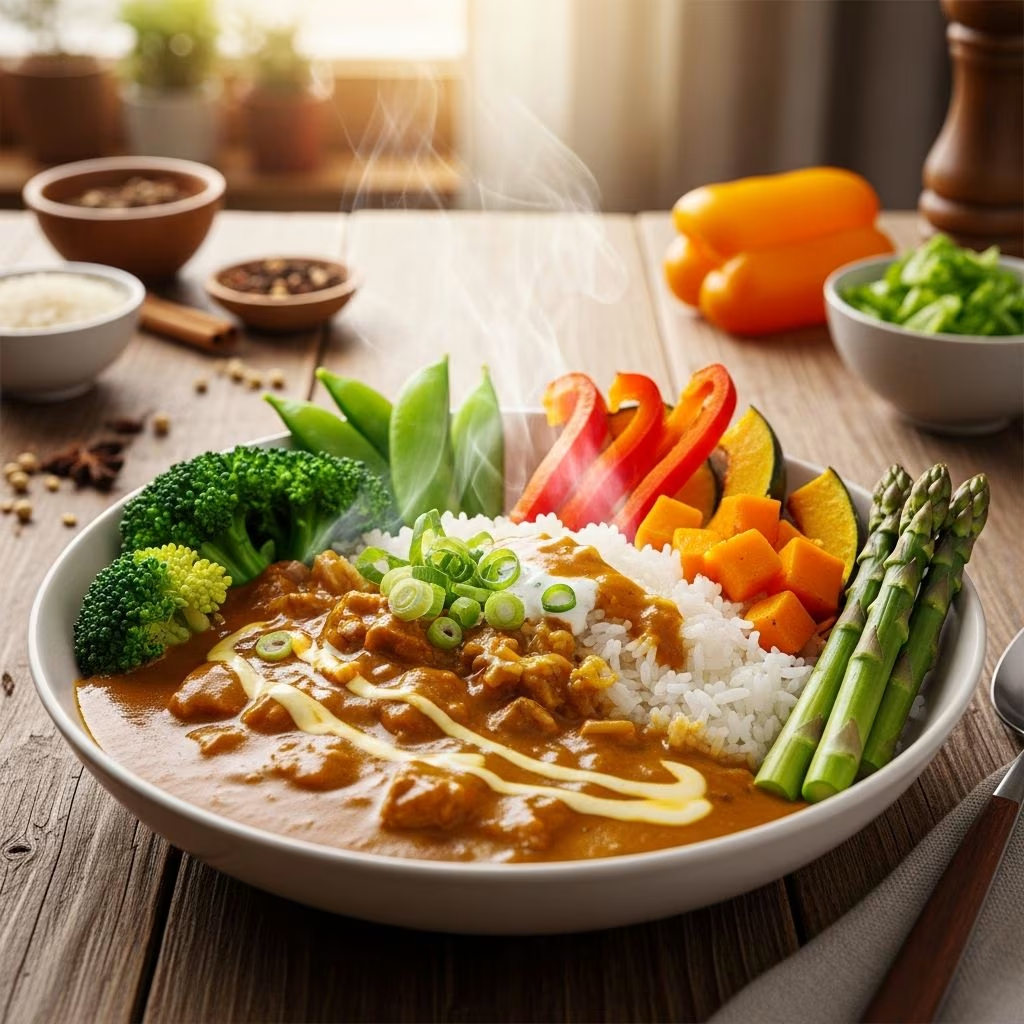
Japanese curry rice, known as kare raisu, represents one of the most beloved comfort dishes in Japanese cuisine. Unlike its Indian counterparts, Japanese curry possesses a distinctly mild, slightly sweet profile that appeals to a broad palate. This accessible yet impressive dish has become a staple in Japanese home cooking and can be elevated through the incorporation of seasonal ingredients like winter squash and various mushroom varieties. The beauty of this dish lies not only in its approachable flavor profile but also in its versatility—it accommodates countless ingredient variations while maintaining its characteristic essence.
Understanding Japanese Curry and Its Cultural Significance
Japanese curry occupies a unique space in the culinary landscape, existing as a distinctly Japanese interpretation of curry rather than an authentic Asian curry. Introduced to Japan during the Meiji period through Western influences, curry has since become thoroughly integrated into Japanese food culture. The Japanese version typically features a sweeter, creamier sauce compared to traditional Indian or Thai curries, making it particularly appealing to those seeking comfort and familiarity in their meals. The curry powder used in Japanese cuisine differs significantly from other curry traditions, offering a gentler spice profile with hints of sweetness.
Selecting Quality Ingredients for Optimal Results
The foundation of exceptional Japanese curry begins with ingredient selection. Each component contributes meaningfully to the final dish’s complexity and depth of flavor.
The Curry Base Foundation
The curry powder selection proves non-negotiable when preparing authentic Japanese curry. S&B curry powder, a Japanese standard, offers the distinctive flavor profile essential to traditional kare raisu. This specific brand delivers consistent results and the characteristic sweetness that distinguishes Japanese curry from other curry preparations. Beyond curry powder, garam masala adds layers of aromatic complexity through its blend of warming spices including cardamom, cinnamon, and cloves.
Vegetable Selection and Preparation
Winter squash varieties provide natural sweetness and substantial texture to the curry sauce. Kabocha squash, with its dense flesh and subtle nutty undertones, serves as an excellent primary choice. Sweet dumpling squash and other winter varieties work equally well, offering similar textural qualities and flavor contributions. The key consideration involves cutting vegetables into uniform, bite-sized pieces that cook evenly while maintaining their structural integrity throughout the cooking process.
Mushroom selection deserves particular attention, as these ingredients contribute significant umami depth and textural interest. Combining multiple varieties—such as maitake, royal trumpet, shiitake, and crimini—creates a more complex flavor profile than using a single type. The diverse textures and subtle flavor nuances of mixed mushrooms elevate the overall dish considerably.
Aromatics and Supporting Elements
Fresh garlic, ginger, onion, carrot, and celery form the aromatic base that supports the curry’s flavor development. Using sufficient quantities of these ingredients ensures a robustly flavored sauce rather than a one-dimensional dish. Fresh ginger root, when finely chopped, releases essential oils that perfume the entire dish, while garlic adds pungency and depth.
The Essential Curry Roux: Technique and Execution
Creating an authentic curry roux from scratch distinguishes homemade curry from quickier preparations. This foundational element requires attention to technique and proper execution.
Building the Roux Base
The roux begins with melting unsalted butter over medium heat, creating the fat component necessary for flour incorporation. Once melted, all-purpose flour is whisked into the butter gradually, ensuring smooth integration without lumps. This mixture cooks for several minutes, developing a light golden-brown color through gentle, continuous whisking. This stage proves crucial—under-cooking the roux results in raw flour taste, while over-cooking produces excessive browning that darkens the sauce unnecessarily.
Incorporating Spice Elements
Once the roux achieves its proper color, curry powder and garam masala join the mixture. The residual heat releases the essential oils from these spices, intensifying their aromatic qualities. Cooking this combination for approximately one minute allows the spices to fully integrate with the fat and flour base, creating a cohesive seasoning paste. This step should not be rushed, as adequate time ensures the spices bloom properly rather than remaining harsh or underdeveloped.
Execution: From Vegetable Preparation Through Finishing
Initial Vegetable Cooking Stage
The cooking process begins by sautéing mushrooms separately in vegetable oil until golden brown, approximately five minutes. This preliminary step develops the mushrooms’ natural sugars through browning, concentrating their flavor and creating textural contrast through light caramelization. Seasoning mushrooms at this stage with salt and pepper ensures even flavor distribution before they rejoin the main curry base.
Subsequently, remaining vegetables—onion, carrot, and celery—cook together until slightly softened and the onion becomes translucent. This combination typically requires six to eight minutes over medium heat with occasional stirring. The aromatics (garlic and ginger) are then added, cooking briefly until fragrant before introducing the broth.
Building Sauce Depth
Vegetable broth or chicken stock provides the liquid foundation for the curry sauce. After bringing the broth to a boil, the heat is reduced, and prepared squash pieces are added along with the previously cooked mushrooms. This combined cooking phase lasts approximately twenty-five to thirty minutes over gentle simmer, during which the liquid reduces by approximately one-third and vegetables become very tender.
Final Sauce Development
The reserved curry roux incorporates into the simmering sauce through whisking, ensuring even distribution without lump formation. Honey adds final seasoning notes, balancing the spice with subtle sweetness characteristic of Japanese curry. The sauce continues simmering for five to ten additional minutes until achieving the desired consistency—thick enough to coat the back of a spoon, indicating proper emulsification and flavor concentration.
Serving Suggestions and Flavor Enhancement
Traditional presentation involves spooning the curry over short-grain white or brown rice, allowing the sauce to permeate the rice grains. Garnishing with thinly sliced scallions adds fresh, bright notes that contrast beautifully with the rich, warming curry sauce.
Accompaniments elevate the dish further. Fukujinzuke, a traditional Japanese pickle made with daikon, eggplant, cucumber, and lotus root preserved in sugar and soy brine, provides acidic, tangy counterpoint to the curry’s richness. Pickled ginger offers similar palate-cleansing properties and bright flavor contrast. These optional additions are traditionally served alongside the curry rice, allowing diners to customize their experience.
Make-Ahead Strategies and Storage
Japanese curry develops deeper, more integrated flavors when prepared a day or two in advance. The completed curry can be cooled and transferred to airtight containers for refrigeration up to four days, allowing flavors to meld and intensify. This make-ahead quality makes the dish particularly convenient for meal planning and entertaining. Simply reheat gently before serving, potentially adjusting seasoning as needed after the storage period.
Ingredient Substitutions and Variations
| Component | Primary Option | Alternative Choices |
|---|---|---|
| Winter Squash | Kabocha squash | Sweet dumpling, butternut, or delicata squash |
| Mushrooms | Mixed varieties (maitake, shiitake, crimini) | Oyster, cremini, or button mushrooms exclusively |
| Broth | Vegetable or chicken stock | Dashi or kombu-based broths for deeper umami |
| Curry Powder | S&B curry powder | Japanese curry blocks as alternative (use fewer pieces) |
| Sweetener | Honey | Mirin or brown sugar for similar sweetness |
Frequently Asked Questions About Japanese Curry Preparation
Can this recipe be made vegan?
Yes, the recipe naturally accommodates vegan preparation by substituting vegetable broth for chicken stock and using vegetable oil instead of butter in the initial mushroom cooking stage. However, the curry roux traditionally requires butter for authentic flavor. Vegan butter substitutes produce acceptable results, though the final texture and richness differ slightly from traditional preparations using dairy butter.
What if my curry sauce remains too thin?
If the sauce lacks desired thickness after the initial simmering period, continue cooking uncovered over gentle heat, stirring occasionally, until adequate reduction occurs. Alternatively, prepare an additional small batch of curry roux and whisk it into the sauce. Ensure proper whisking to prevent lump formation when adding additional roux.
How can I adjust spice intensity?
The curry’s spice profile can be modified by adjusting garam masala quantities—increase for more warmth and aromatic complexity, or decrease for gentler spice presence. Additional garlic and ginger intensify overall flavor without necessarily increasing heat. The S&B curry powder provides consistent baseline spice, though using less produces milder results.
What rice varieties work best with this curry?
Short-grain white rice remains the traditional choice, allowing the sauce to properly absorb into the grains. Brown jasmine rice, short-grain brown rice, and sushi rice all serve as suitable alternatives, each bringing slightly different texture and flavor characteristics to the finished dish.
Nutritional Considerations and Health Benefits
Japanese curry incorporating substantial vegetable quantities provides significant nutritional value. Winter squash contributes beta-carotene, vitamins A and C, while mushrooms offer B vitamins, selenium, and antioxidant compounds. The ginger and garlic components include anti-inflammatory properties recognized in traditional medicine practices. This vegetable-forward approach allows for satisfying, flavorful meals that align with balanced nutritional profiles.
Conclusion: Bringing Japanese Comfort Food to Your Table
Creating authentic Japanese curry rice at home represents an entirely achievable goal for home cooks of any skill level. By understanding the fundamental techniques—building the curry roux properly, layering flavors through aromatic development, and allowing sufficient cooking time for vegetables to achieve tenderness—anyone can produce restaurant-quality results in their own kitchen. The flexibility inherent in this dish permits countless ingredient variations while maintaining the essential character that makes Japanese curry beloved across generations and cultures. Whether preparing this dish for weeknight family meals or entertaining guests, homemade kare raisu consistently delivers satisfaction through its warming spices, tender vegetables, and rich, velvety sauce.
References
- Japanese Curry with Winter Squash & Mushrooms — The Brook Cook. 2024-10-30. https://thebrookcook.wordpress.com/2024/10/30/japanese-curry-with-winter-squash-mushrooms/